
Every year, the Monday after U.S. Thanksgiving turns into one of the busiest days on the travel calendar. Airlines, hotels and booking sites stretch their Black Friday promotions into Cyber Monday, and plenty of travelers use the moment to lock in trips for the winter, spring and even the following summer. Some of those sale fares are genuinely good. Others are ordinary prices with a countdown clock attached. The difference between the two is preparation: knowing where you want to go, what a normal fare looks like for your route, and what the sale fare actually includes. This guide explains how travel sales around Cyber Monday work, how to get ready before the sales start, how to judge whether a fare is really a deal, and ten destinations that make especially good use of a sale fare, with the seasons, airports and practical details for each. It is part of our flight booking series, which starts with our guide to the best time to book cheap flights and hotels.
The short answer
Cyber Monday is a good time to buy travel, not necessarily a good time to travel. The best sale fares are usually for trips in the quieter months that follow, so think about late winter, spring and early fall rather than the holidays. Decide on two or three destinations and a range of dates before the sales begin, and check normal fares for those routes in the weeks before, so you can recognize a real discount. Read the fare rules before paying, because sale fares are often the most restrictive. Book hotels on refundable rates so you can rebook if a better price appears. And remember that for flights to, from or within the United States booked at least seven days out, most airlines let you cancel within 24 hours without penalty. The destinations below all have strong airline competition and plenty of seats, which is what makes sale fares likely. Compare fares across a whole month on our flight search.

How Black Friday and Cyber Monday travel sales work
Airline sales are not random generosity. They are a tool for filling seats that revenue management systems expect to go empty. That tells you a lot about what a sale will and will not include.
- Travel windows favor quiet periods. Sale fares typically apply to flights in the airline’s slow months: early in the new year after the holidays, parts of late winter, and sometimes spring and fall. Peak dates such as Christmas, spring break weeks and midsummer are usually excluded or have very few sale seats.
- Seats at the sale price are limited. An airline might offer the sale fare on only a portion of seats on each flight. When those are gone, the price reverts to the normal fare level, even while the sale is still advertised.
- Days of the week are restricted. Many sales apply only to certain departure days, often Tuesdays, Wednesdays and Saturdays, when flights are least full.
- Conditions are strict. Sale fares are often nonrefundable, may not allow changes, and are frequently in the basic economy family with no seat selection and limited carry-on allowance.
- Sales are not only on one day. Many travel companies run promotions from before Black Friday through Cyber Monday and sometimes beyond, and airlines hold sales at other points in the year too. Missing Cyber Monday does not mean missing your chance to buy a good fare.
Hotels behave a little differently. Hotel sales around Cyber Monday often take the form of discounted prepaid rates, extra nights free, or credits for food and drink. The discount on a prepaid, nonrefundable rate can be real, but so is the risk if your plans change. A flexible rate booked now and rechecked later is often almost as good with none of the risk.
How to prepare before the sales start
The travelers who get the best value out of Cyber Monday do their homework in October and early November.
- Shortlist destinations. Pick two or three places you would genuinely like to visit, using the list below as a starting point.
- Set a date range, not fixed dates. Decide which months or weeks work for you, and how long a trip you want.
- Build a price baseline. Search your routes a few times in the weeks before the sales. Note the typical fare for your dates, including the fare type you would actually buy. Set price alerts. Without a baseline, you cannot tell a discount from a normal price.
- Check the calendar at the destination. A big convention, festival or sporting event can make hotels expensive even if flights are cheap. Our events pages, such as New York events and Las Vegas events, show what is on.
- Get your details ready. Traveler names exactly as they appear on ID, loyalty numbers, passport details for international trips and the payment card you want to use. Sale seats go quickly, and a fumbled checkout can cost you the fare.
- Check your documents. For international trips, make sure passports are valid well beyond your travel dates and check entry requirements. Canadians should read the Government of Canada’s travel advice and advisories; for U.S. domestic flights, adults need a REAL ID-compliant license or another accepted document, as explained on TSA’s REAL ID page.
How to tell whether a sale fare is really a deal
A red banner and a countdown clock are not evidence of savings. Run every sale fare through these checks.
| Check | What to look for | Red flag |
|---|---|---|
| Compared with your baseline | A meaningful drop from the fare you saw for the same dates before the sale | The “sale” price matches what you saw a month ago |
| Fare type | The same fare type you would normally buy, or a clear saving after adding what the basic fare excludes | A basic fare compared against a standard one |
| Travel dates | Your actual dates are available at the advertised price | The advertised price only exists on dates you cannot use |
| Total price | Taxes, fees, bags and seats included | A low base fare that grows at checkout |
| Change and cancellation rules | Rules you can live with if plans move | No changes, no refunds, on a trip that is not yet certain |
| Schedule | Reasonable departure times and connections | A cheap fare with a very early departure, an overnight layover or two separate tickets |
Price rules help with the total. In Canada, the Canadian Transportation Agency’s all-inclusive air price advertising rules require advertised air prices to include all mandatory taxes, fees and charges. In the United States, the Federal Trade Commission’s rule on junk fees for hotels and short-term rentals requires the total price, including mandatory fees, to be shown up front. Optional extras like bags, seats and parking are still yours to add. Our flight details guide explains how to read fare brands and baggage allowances.
Ten destinations that make the most of a sale fare
These ten cities share what makes sale fares likely: large airports with many airlines competing, lots of seats, and clear quiet seasons when airlines need to fill planes. For each, we note when a sale fare is most useful, which airports to compare and where to read more. None of this is a list of current prices; check live fares on our flight search.
1. New York City
New York rewards almost any length of trip: Broadway, the big museums, Central Park, food from every corner of the world and neighborhoods that feel like different cities. It is also one of the best-served air markets in North America, with three major airports, JFK, LaGuardia and Newark, which keeps competition high. The sale sweet spot is January through early March, when the holiday crowds have gone and hotel rates are at their lowest, with a second window in late spring before summer peak. Winter in New York is cold, but museums, shows and restaurants are indoors, and hotel savings can be substantial. Our guides to the best time to fly to New York and things to do in New York go deeper; compare flights on New York flights and rooms near the theaters on Times Square hotels.
2. Los Angeles
Los Angeles is a mild-weather escape when the rest of the continent is cold, which makes winter and early spring sale fares especially attractive. LAX is one of the busiest airports in the world, and the region also has Burbank, Long Beach, Ontario and Orange County airports, so compare by where you will actually stay. Plan for a city that is spread out: most visitors base themselves in one or two areas and use a car or rideshare for the rest. Read our best time to fly to Los Angeles and Los Angeles car rental or public transit guides, and compare fares on Los Angeles flights.
3. Miami
Miami’s high season is winter, when northern travelers head south, so sale fares for January and February can be valuable if you can find them, while late spring usually brings lower prices and warm water. Summer and early fall are the cheapest but hottest months and fall inside the Atlantic hurricane season, which runs June through November; travel insurance and flexible bookings make sense then. Compare Miami International with Fort Lauderdale, depending on where you are staying. Our guides to the best time to fly to Miami and things to do in Miami help you choose, and you can compare flights on Miami flights and hotels on South Beach hotels.
4. Las Vegas
Las Vegas is built for sale fares: huge airline capacity, many carriers and dense competition from across North America. What moves the price is not the season so much as the event calendar. Big conventions, fight nights, major races and holiday weekends can push hotel rates sharply higher, while ordinary midweek dates are often very reasonable. Check the calendar before you buy a sale fare, and compare the total with resort fees included. Our dedicated guide to cheap flights to Las Vegas covers the patterns, along with our best time to fly to Las Vegas and things to do in Las Vegas guides. Compare fares on Las Vegas flights.
5. Chicago
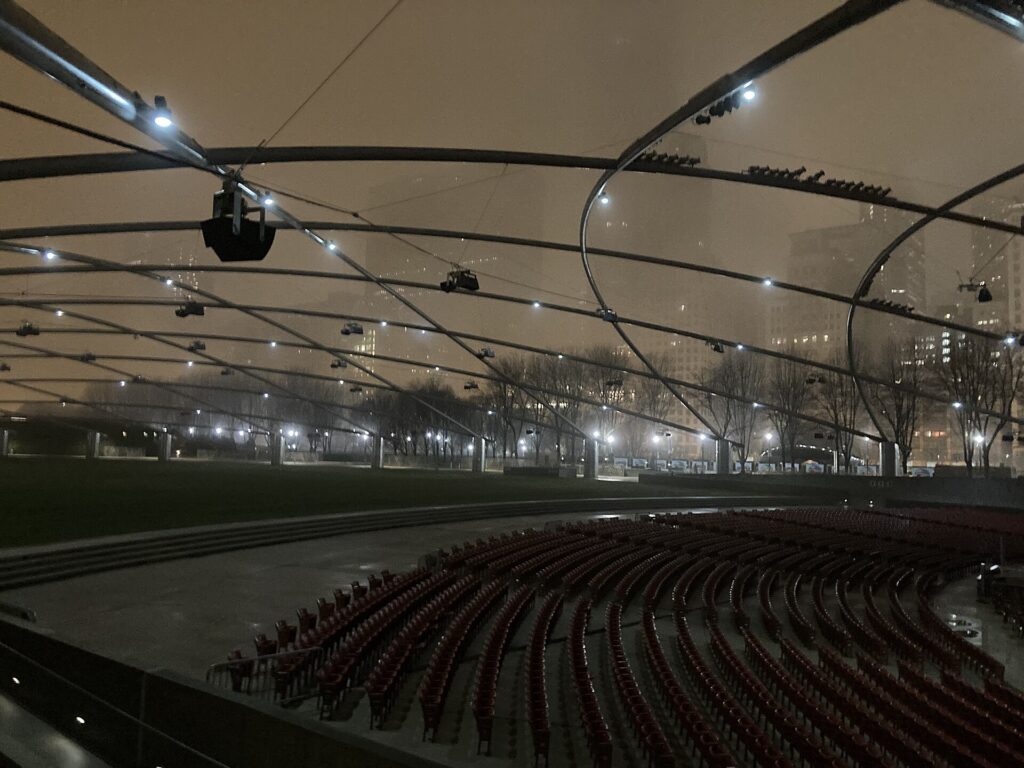
Chicago has world-class architecture, museums, a lakefront and a food scene well beyond deep-dish pizza. Winter is cold and windy, which is exactly why January and February fares and hotel rates can be low. Late spring and early fall are the sweet spots for weather and value; summer is lively and priced accordingly. Compare O’Hare and Midway: Midway is closer to downtown for many visitors, O’Hare has more airlines. Our best time to fly to Chicago and things to do in Chicago guides help you plan, and you can compare fares on Chicago flights.
6. San Francisco
San Francisco’s weather is famously unpredictable, with cool, foggy summers and often clear, pleasant falls, so September and October are some of its best months. Conference weeks can push hotel rates very high, so check the convention calendar before buying a sale fare. Compare SFO, Oakland and San Jose by where you will spend your time. The city is compact and well served by transit, so many visitors skip the rental car. Read our best time to fly to San Francisco and things to do in San Francisco guides and compare fares on San Francisco flights.
7. Orlando
Orlando is the family destination of choice, which means the most expensive weeks follow the school calendar: spring break, summer and the holidays. Sale fares are most valuable for the quieter periods, such as parts of January and February, late April and May outside holidays, and early fall. Orlando International is the main airport, with Orlando Sanford as an alternative on some routes. Theme park tickets and hotel stays add up quickly, so compare packages with separate bookings and read the change rules carefully. Compare fares on Orlando flights and hotels on Orlando hotels.
8. Seattle
Seattle’s summers are dry and beautiful and its winters are gray and damp, and fares follow the weather: July and August are the peak, while the rainy season is usually cheaper. Pike Place Market, the waterfront, the Space Needle, ferries across Puget Sound and day trips into the mountains all work year-round, but spring and early fall offer the best balance. Seattle-Tacoma International is the main airport; our Sea-Tac airport guide covers terminals and getting into the city. See our best time to fly to Seattle and things to do in Seattle guides, and compare fares on Seattle flights.

9. Austin
Austin is known for live music, barbecue, Tex-Mex, swimming holes and a busy festival calendar. That calendar is the key to prices: major festival and conference weeks fill the city and send hotel rates soaring, while ordinary weeks are much calmer. Summers are very hot, so spring and fall are the most comfortable seasons. Austin-Bergstrom International is the airport, a short drive from downtown. Search for Austin on our main flight search and compare dates across the month so you can see which weeks the festivals push up. If you are combining Austin with another Texas city, our Houston and Dallas guides can help.
10. Washington, D.C.
Washington is one of the best-value major cities in North America for sightseeing, because the Smithsonian museums and the monuments on the National Mall are free. Spring brings cherry blossom season and big crowds; late fall and winter outside the holidays are quieter and cheaper. Compare Reagan National, which is on the Metro close to the city, with Dulles and Baltimore/Washington. Read our best time to fly to Washington, D.C., things to do in Washington, D.C. and rent a car or take the Metro guides, and compare fares on Washington, D.C. flights.
The ten destinations at a glance
| Destination | Airports to compare | When a sale fare helps most | Watch out for |
|---|---|---|---|
| New York City | JFK, LaGuardia, Newark | January to early March; late spring | Holiday season and big event weekends |
| Los Angeles | LAX, Burbank, Long Beach, Ontario, Orange County | Winter and early spring | Long drives between areas; pick your base |
| Miami | Miami, Fort Lauderdale | Late spring; winter if you find a real deal | Winter peak; hurricane season June to November |
| Las Vegas | Harry Reid International | Midweek dates without big events | Convention and event weekends; resort fees |
| Chicago | O’Hare, Midway | Late winter; late spring and early fall | Cold January weather; summer peak |
| San Francisco | SFO, Oakland, San Jose | September and October; winter weekdays | Conference weeks |
| Orlando | Orlando International, Sanford | Quiet weeks outside school holidays | Spring break, summer, holidays |
| Seattle | Seattle-Tacoma | Spring and early fall | Summer peak; rainy winters |
| Austin | Austin-Bergstrom | Ordinary spring and fall weeks | Festival weeks; summer heat |
| Washington, D.C. | Reagan National, Dulles, BWI | Late fall and winter outside holidays | Cherry blossom season crowds |
Flying from Canada? What changes
Many of our readers fly from Canadian cities, and a few things differ for cross-border trips. Transborder fares from Toronto, Montreal, Vancouver and Calgary can be competitive during sales, but also compare driving to a nearby U.S. airport, including the cost of parking, fuel, tolls and time. Several major Canadian airports, including Toronto Pearson, offer U.S. preclearance, so you clear U.S. border formalities before you leave and arrive as a domestic passenger. Check the exchange rate when comparing fares priced in different currencies, and see the Government of Canada’s advice on travel to the United States for entry requirements. For a close look at one of the busiest cross-border routes, read our guide to cheap flights between New York and Toronto; for the reverse direction, our Toronto flight deals guide covers flying in.

Book the hotel and the car too
A cheap flight is only half a cheap trip. Once your sale fare is booked, move quickly on the rest, because hotel rates on your dates can rise as other sale shoppers book.
- Book a refundable room first. Reserve on a flexible rate for your exact nights on our hotel search, then keep checking for better rates before the cancellation deadline. Our hotel booking tips guide explains how to compare total prices and neighborhoods.
- Only prepay if you are certain. A prepaid hotel sale rate is worth it if your trip is fixed and the discount is real.
- Decide whether you need a car. In New York, Chicago, San Francisco and Washington you probably do not; in Los Angeles, Orlando and Austin you probably do. Compare on our car rental search.
- Consider timing for the holidays. If you are planning a festive trip, our guide to the best cities for Christmas in the USA shows which cities are worth it, and why booking early matters.
Common mistakes during travel sales
- Buying a trip you had not planned. A cheap fare to somewhere you did not want to go is not a saving.
- Not checking the fare type. A basic fare with no carry-on and no seat selection can cost more than a standard fare once you add what you need.
- Ignoring the hotel side. A cheap flight on a weekend when the city is full of conventioneers is not a cheap trip.
- Forgetting the return. Check both directions of a round trip; the sale may only apply to one.
- Booking nonrefundable everything. Keep at least the hotel flexible if you can.
- Waiting for the last hour of the sale. Sale seats are limited. If your fare meets your target price, book it.
- Assuming Cyber Monday is the only chance. Airlines run sales throughout the year; a fare that meets your baseline in any month is worth taking.
Frequently asked questions
Are Cyber Monday flight deals really cheaper?
Sometimes. Sale fares can be genuinely lower for travel in quieter months, but some “deals” are ordinary prices. Compare against the fare you saw for the same dates before the sale, with the same fare type and extras included.
What dates do Cyber Monday sale fares usually cover?
Each airline sets its own terms, but sale fares commonly apply to travel in the slower months that follow, with blackout dates around major holidays. Always check the travel window and day-of-week restrictions in the fare rules.
Is Black Friday or Cyber Monday better for flights?
Neither is reliably better. Many promotions run across the whole period. Prepare in advance and book when a fare meets your target.
Can I cancel a sale fare?
For flights to, from or within the United States booked at least seven days before departure, most airlines let you cancel within 24 hours without penalty. After that, sale fares are often nonrefundable, so read the rules before you pay.
Should I book the hotel during the sale too?
Book a refundable room as soon as your flight is set, then recheck the price. Only choose a prepaid sale rate if your plans are certain and the discount is meaningful.
Which destinations usually have the best sale fares?
Big airports with lots of airline competition and clear quiet seasons, such as the ten cities above, are where sale fares appear most often. Smaller airports with one or two airlines see fewer and shallower sales.
Are sale fares refundable if the airline changes my flight?
If an airline cancels or significantly changes your flight and you choose not to travel, U.S. Department of Transportation rules say you are entitled to a refund, even on a nonrefundable fare. Canadian passengers have rights under the Air Passenger Protection Regulations. The details depend on the situation, so check the rules for your trip.
Ready for the next sale? Build your price baseline now on our flight search by checking your routes across a whole month, shortlist hotels for the same dates on our hotel search, and you will know a real deal the moment you see one. For more on timing, read our guide to the best time to book cheap flights and hotels.
Keep planning with TicketScanner
- Best time to book cheap flights and hotels
- Booking cheap local flights in the USA
- Cheap flights to Las Vegas
- New York to Toronto cheap flights
- Cheap flights to Toronto
- Cheap flights to Mexico City
- Flight details, decoded
- International flights booking tips
- Compare flight prices — build a price baseline before the sales
- Best time to fly to New York
Leave a Reply