Tag: Flight Deals

  • How To Find Cheap Flights To Mexico City For Your Next Trip

    How To Find Cheap Flights To Mexico City For Your Next Trip

    Mexico City is one of the great cities of the Americas: a historic center built on the ruins of Tenochtitlan, museums that rank with any in the world, leafy neighborhoods full of cafés, and some of the best food you will eat anywhere, from street tacos to tasting menus. It is also a major airline hub, which is good news for anyone hunting for a fair price. Big hubs attract competition, and competition keeps fares honest. Finding a genuinely cheap flight still takes a method, though: choosing the right season, comparing airports and routings, understanding what each fare includes and knowing how the city’s two main airports differ. This guide walks through when to go, when to book, how to compare nonstop and connecting options from Canada and the United States, what the entry process looks like, how to get from the airport into the city, and how to keep the rest of the trip affordable. It is part of our flight booking series, which starts with our guide to the best time to book cheap flights and hotels.

    The short answer

    Travel outside the big holiday weeks, especially Christmas and New Year, Semana Santa (Holy Week) and the Día de Muertos period around the start of November, and you will usually find better fares and hotel rates. Book roughly two to four months ahead for ordinary dates and earlier for holidays. Search a range of dates and compare nonstop and one-stop options, because a sensible connection can be much cheaper. Check which airport your flight uses: Mexico City International (AICM, code MEX) is close to the city, while Felipe Ángeles International (AIFA, code NLU) is well to the north. Price the whole trip, with bags and seats included. And read the official entry requirements for your passport before you book. You can compare fares across a whole month on our flight search.

    The Palacio de Bellas Artes in Mexico City at dusk
    Mexico City's historic center is one of the great sights of the Americas (Photo: Daniel Case via Wikimedia Commons, CC BY-SA 3.0)

    When to visit Mexico City

    Mexico City sits in a high valley at about 2,240 meters, which gives it a mild climate year-round. It rarely gets very hot, and evenings can be cool at any time of year. The seasons that matter are wet and dry, not summer and winter.

    PeriodWeatherCrowds and prices
    November to FebruaryDry, sunny days and cool nights; the coolest monthsPopular with visitors from the north; Christmas and New Year are peak
    March to MayDry and the warmest time of year; spring can be hazySemana Santa is very busy and many locals travel; otherwise good value
    June to SeptemberRainy season, usually with afternoon or evening showers and sunny morningsOften the lowest prices outside summer school holidays
    OctoberRains tapering off, pleasant temperaturesBuilds toward Día de Muertos at the start of November, when demand rises

    For value, the rainy season can be surprisingly good: showers usually come later in the day, mornings are often clear, and the city is green. Pack a light rain jacket and plan museum visits for the afternoon. Visitors with respiratory conditions should note the Government of Canada’s advice that air pollution in Mexico City peaks between December and March.

    Holidays and events that move prices

    • Christmas and New Year: the busiest and most expensive period for flights from Canada and the United States.
    • Semana Santa: Holy Week, the week before Easter, when many Mexicans travel. Flights and hotels across the country get expensive.
    • Independence Day: celebrations on the night of September 15 and on September 16 bring big crowds to the historic center.
    • Día de Muertos: the Day of the Dead celebrations around November 1 and 2 are a major draw, with events and decorations throughout the city in the days before. Book early if you want to be there.
    • Summer school holidays: July and August bring family travel from the north and within Mexico.

    If you want the best balance of weather and price, look at late January and February outside long weekends, late April and May after Semana Santa, and the quieter weeks of the rainy season.

    When to book

    Flights from Canada and the United States to Mexico City behave like other medium-haul international routes. Use these windows as a guide, then book when a fare lands at or below the normal level for your route.

    TripSensible booking window
    Ordinary dates from the U.S.About 1 to 3 months ahead
    Ordinary dates from CanadaAbout 2 to 4 months ahead
    Christmas, New Year, Semana Santa, Día de MuertosAbout 4 to 6 months ahead, or as soon as your plans are firm
    Short noticePossible on a busy hub route, but rarely cheap on peak dates

    Start watching fares as soon as you know roughly when you want to go. Look at a month view to spot the cheap days, set a price alert, and book once you see a fare that matches or beats what you have been seeing. For flights to or from the United States booked at least seven days before departure, most airlines let you cancel within 24 hours without penalty, which gives you a day to double-check. Our international flights booking tips explain the wider strategy for trips abroad.

    Choosing your airports

    At the Mexico City end

    Mexico City now has two main airports, and it matters which one your ticket uses.

    • Mexico City International Airport (AICM, code MEX), officially Benito Juárez International, sits inside the city, east of the center. It has two terminals, Terminal 1 and Terminal 2, and handles most international flights. Being so close to neighborhoods like the Centro Histórico, Roma and Condesa, it is usually the most convenient choice. Check your terminal on your booking and on the airport’s official site.
    • Felipe Ángeles International Airport (AIFA, code NLU) opened in 2022 north of the city in the State of Mexico. Some domestic and a smaller number of international flights use it. It can be a good option if the fare is much lower, but the ground transfer to central Mexico City is much longer, and in traffic can take well over an hour.
    • Toluca International (TLC), west of the city, handles a small number of flights. It is rarely the right choice for a visitor unless the fare saving is large.

    When you compare fares, look at the airport code on each option. A cheaper flight into AIFA may cost you more in time and transport than it saves.

    At your end

    From Canada, Toronto, Montreal and Vancouver have typically had nonstop service to Mexico City; from other Canadian cities, you will usually connect, either through one of those airports or through a U.S. or Mexican hub. From the United States, many large hubs have nonstops, including cities such as Chicago, Dallas, Houston, Los Angeles, New York and Atlanta, and connections are easy from almost everywhere. Search from every airport you could realistically use, and remember to include the cost of getting there. Our flights from Toronto, flights from Montreal and flights from Vancouver pages are a good place to start from Canada.

    Terminal 2 at Mexico City International Airport
    Check the airport code: AICM is inside the city, AIFA is well to the north (Photo: Sharon Hahn Darlin via Wikimedia Commons, CC BY 2.0)

    Nonstop or connecting?

    A nonstop flight is the easy choice when the price difference is small. A connection can make sense when the saving is significant or when nonstop times do not suit you. Weigh these points:

    • Total travel time. A connection can add several hours. Compare door-to-door time, not just the fare.
    • Connection length. Very short connections are risky, especially if you need to change terminals or clear immigration. Very long ones eat into the value of the saving.
    • Connecting through the United States. The U.S. has no international transit zone, so travelers connecting through a U.S. airport go through U.S. border formalities even if they never leave the airport. Canadians generally need only a valid passport, but travelers of other nationalities may need U.S. travel authorization. Allow extra time for the process.
    • One ticket or two. On a single ticket, the airline rebooks you if a delay makes you miss your connection. On two separate tickets, you are usually on your own. Avoid self-connecting on a tight schedule.
    • Checked bags. On a single ticket, bags are normally checked through to Mexico City, although you may need to collect and recheck them at your first point of entry in some countries. Ask at check-in.

    Comparing airlines and fares

    Mexico City is the main hub of Aeroméxico, Mexico’s flag carrier, and an important base for Mexican low-cost airlines such as Volaris and Viva Aerobus. Major U.S. and Canadian airlines also fly in from their hubs. That variety is the reason prices can be competitive, but it also means fares are structured very differently.

    Airline typeTypical strengthsWhat to check
    Full-service airlinesMore included, easier connections, loyalty benefitsWhether your fare type includes a checked bag and seat selection
    Low-cost airlinesLow base fares, especially on nonstop routesCarry-on and checked bag fees, seat fees and size limits
    Basic economy fares on any airlineThe lowest price on that flightNo changes, last boarding, possible carry-on restrictions

    Compare the total with the bags and seats you actually need. A slightly higher fare that includes a checked bag can easily beat a bare-bones one. Our carry-on size guide explains how to check limits, and our flight details guide explains fare brands and baggage allowances.

    Entry requirements: check before you book

    Entry rules change, and they depend on your passport, so always read the official page for your nationality before booking.

    • Canadians: the Government of Canada’s travel advice for Mexico says Canadian tourists do not need a visa for stays of up to 180 days, and that your passport must be valid for the expected duration of your stay. It also explains how arrival works: an officer may stamp your passport with your permitted stay, or you may be directed to an e-gate kiosk, and you may need to complete a digital migration form. Keep proof of your entry with you.
    • U.S. citizens: read the U.S. State Department’s Mexico country information page for passport and entry requirements.
    • Other nationalities: check Mexico’s requirements for your passport, and U.S. transit rules if you connect through the United States.

    The same government pages carry safety and health advice, including regional advisories within Mexico, so read them as part of your planning. The Canadian page notes that Mexico City’s altitude can affect some visitors; take it easy on your first day, drink water and talk to a doctor before you go if you have heart or lung conditions.

    Getting from the airport into the city

    From AICM, the main options are:

    • Authorized airport taxis. Buy a ticket at an official taxi booth inside the terminal, with the price based on your destination zone, then take it to the taxi rank. This is the simplest option for most first-time visitors, especially at night.
    • Ride-hailing apps. App-based rides operate in Mexico City; follow the airport signs to the designated pickup areas.
    • Metrobús and Metro. Metrobús Line 4 serves the airport terminals and runs toward the historic center, and the Metro has a station near Terminal 1. Public transit is very cheap but can be crowded, and it is awkward with large suitcases.
    • Hotel transfers. Some hotels arrange pickups; compare the price with an authorized taxi.

    From AIFA, allow much more time. Check the current transport options on the airport’s information before you fly, and weigh the cost of the transfer against the fare saving. Most visitors do not need a rental car in Mexico City itself: traffic is heavy, parking is limited, and taxis, apps and transit cover the areas you will want to see. A car can make sense for road trips beyond the city.
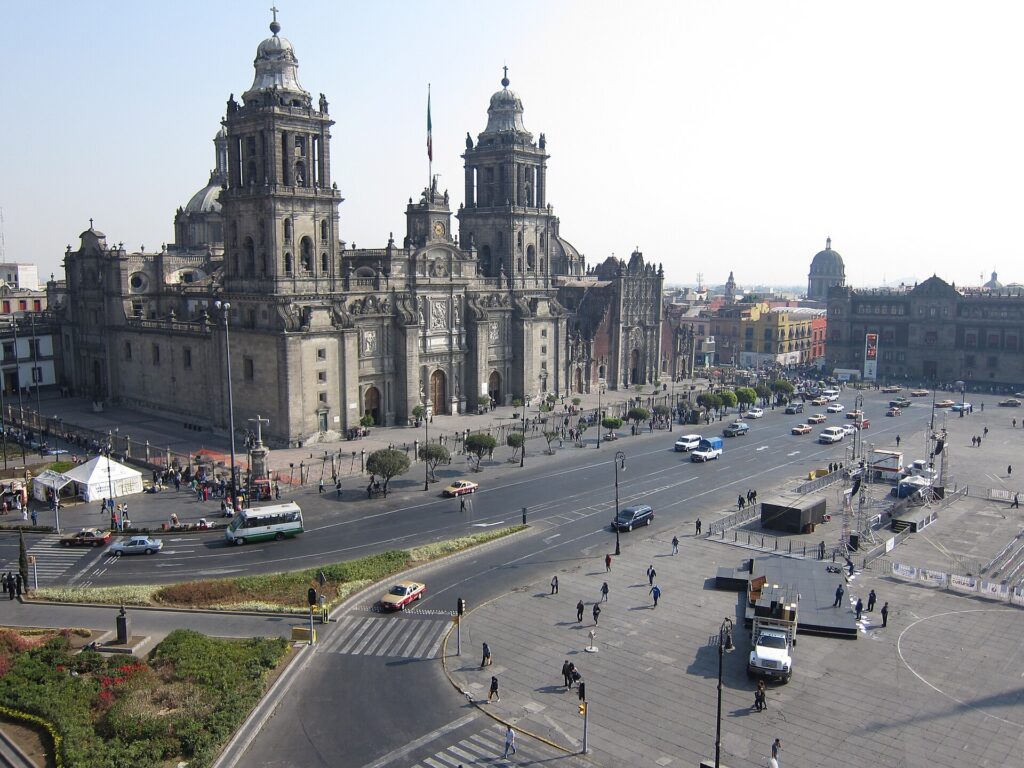
    The Zocalo and Metropolitan Cathedral in Mexico City
    The Centro Historico is a convenient base for first-time visitors (Photo: Jeff Kramer via Wikimedia Commons, CC BY 2.0)

    Where to stay, and how it affects your budget

    Hotel prices vary widely by neighborhood. Choosing the right base can save both money and hours in traffic.

    NeighborhoodWhy stay thereGood for
    Centro HistóricoWalking distance to the Zócalo, the cathedral, Templo Mayor and Bellas ArtesFirst-time visitors and sightseeing
    Roma Norte and CondesaTree-lined streets, parks, cafés, restaurants and nightlifeFood lovers and longer stays
    JuárezCentral, between the historic center and Roma, near Paseo de la ReformaEasy access to several areas
    PolancoUpscale hotels, shopping, fine dining, near Chapultepec Park and major museumsComfort and business travelers
    CoyoacánColonial streets, a relaxed pace, near the Frida Kahlo MuseumA quieter base, farther from the center

    Book a refundable room on our hotel search once your flight is set, then recheck the price before your cancellation deadline. Our hotel booking tips explain how to compare total prices.

    What to do once you are there

    You can fill a week in Mexico City without leaving the city limits. The highlights most visitors build a trip around:

    • The historic center: the Zócalo, one of the largest public squares in the world, the Metropolitan Cathedral, the ruins of the Templo Mayor and the Palacio de Bellas Artes.
    • Chapultepec: a vast park with Chapultepec Castle and the National Museum of Anthropology, one of the most important museums in the Americas. Give it at least half a day.
    • Coyoacán: the Frida Kahlo Museum, the Casa Azul, is hugely popular; buy timed tickets in advance.
    • Xochimilco: the canals in the south of the city, where colorful boats called trajineras carry groups along the water.
    • Teotihuacan: the pyramids of the Sun and Moon, an easy and very popular day trip northeast of the city. Start early to beat the heat and the crowds.
    • Food: markets, taco stands, bakeries and some of the most celebrated restaurants in Latin America. Eating well here does not have to be expensive.

    The city’s official tourism site, CDMX Travel from the Mexico City tourism ministry, lists attractions, neighborhoods and events.

    Keeping the rest of the trip affordable

    • Eat where locals eat. Markets, fondas serving set lunches and street stands offer excellent food for very little.
    • Use the free and low-cost sights. Walking the historic center, Chapultepec Park and many churches and public buildings costs nothing; some museums have free days for residents, so check.
    • Use transit or taxis wisely. Metro and Metrobús fares are very low; apps and authorized taxis are reasonably priced for longer trips.
    • Carry some pesos. Cards are widely accepted in hotels and restaurants, but markets and small vendors often prefer cash. Use bank ATMs inside branches or shopping centers.
    • Drink bottled or filtered water. Tap water is not recommended for drinking; most hotels provide bottled water.

    Mexico City or the beach?

    Many travelers from Canada and the United States think of Mexico as the beach. If you are deciding between a city trip and a resort, Mexico City often offers more to do for the money, with lower hotel prices outside the luxury end and a cooler climate. A beach resort offers rest and sun. Some travelers combine both, flying into Mexico City and continuing to the coast on a domestic flight. If the beach is calling, our guides to the best time to fly to Cancun and things to do in Cancun cover the Caribbean side, and you can compare fares on Cancun flights. For more ideas on stretching your budget, see our list of budget travel destinations.

    Use alerts, points and flexibility together

    The travelers who find the best fares to Mexico City usually combine several small habits rather than relying on one trick.

    • Set alerts on more than one route. If you could fly from two or three airports, watch all of them. A fare drop from a nearby city might beat your home airport.
    • Consider one-way fares. Flying out on one airline and back on another can sometimes give better times or a lower total, especially when low-cost airlines are involved. Compare with a round trip before booking.
    • Price points against cash. Loyalty points can be good value on routes where cash fares are high, such as holiday dates. Compare the points price and taxes with the cash fare before redeeming.
    • Stay flexible by a day or two. Moving your departure by a single day can drop the fare to a cheaper level.
    • Book the hotel on a refundable rate. Once the flight is set, a flexible room lets you rebook if prices fall.

    Common mistakes to avoid

    • Not checking the airport code. A flight into AIFA instead of AICM can mean a much longer transfer.
    • Booking during Semana Santa or Día de Muertos without meaning to. Check the calendar before choosing dates.
    • Comparing base fares instead of totals. Add bags and seats, especially on low-cost airlines.
    • Tight connections through a U.S. airport. Border formalities take time.
    • Ignoring the altitude. Plan a lighter first day.
    • Skipping the travel advice. Read your government’s page for Mexico before you book and again before you fly.
    • Arriving too late for check-in. International check-in deadlines are earlier than domestic ones; our guide on how early to arrive for an international flight explains why.

    An aerial view of Chapultepec Castle on its hill in Chapultepec Park, Mexico City
    Chapultepec Park holds the castle and the National Museum of Anthropology (Photo: ProtoplasmaKid via Wikimedia Commons, CC BY 4.0)

    Frequently asked questions

    What is the cheapest time to fly to Mexico City?

    Outside the major holiday periods: late January and February outside long weekends, late April and May after Semana Santa, and the quieter weeks of the rainy season often have better fares. Check a fare calendar for your route.

    How far ahead should I book a flight to Mexico City?

    About one to three months ahead from the United States and two to four months ahead from Canada for ordinary dates, and earlier for Christmas, Semana Santa and Día de Muertos.

    Which airport should I fly into?

    For most visitors, Mexico City International (AICM, MEX) is the most convenient because it is inside the city. Felipe Ángeles (AIFA, NLU) is much farther north, so only choose it if the saving justifies the longer transfer.

    Do Canadians need a visa for Mexico?

    According to the Government of Canada, Canadian tourists do not need a visa for stays of up to 180 days. Entry rules can change, so check the official travel advice before you book and before you fly.

    Is it cheaper to connect through the United States?

    Sometimes. A connection through a U.S. hub can be cheaper than a nonstop, but you will go through U.S. border formalities during the connection, so allow enough time and check any travel authorization your passport requires.

    Is the rainy season a bad time to visit?

    Not necessarily. Rain usually comes in the afternoon or evening, mornings are often clear, and prices can be lower. Pack a rain jacket and plan indoor visits for later in the day.

    Do I need a rental car in Mexico City?

    Usually not. Traffic is heavy and parking is limited, while taxis, ride-hailing apps, the Metro and Metrobús cover the main areas. A car can be useful for trips outside the city.

    How do I get from the airport to my hotel?

    From AICM, an authorized taxi bought at an official booth inside the terminal is the simplest option. Ride-hailing apps, Metrobús Line 4 and the Metro are alternatives.

    Ready to plan your trip? Search a whole month of fares to Mexico City on our flight search to find the cheapest days and routings, then compare rooms in the neighborhood that suits you on our hotel search. For the bigger picture on timing, read our guide to the best time to book cheap flights and hotels.

  • Top 10 Destinations to Book with Cyber Monday Flight Deals

    Top 10 Destinations to Book with Cyber Monday Flight Deals

    Every year, the Monday after U.S. Thanksgiving turns into one of the busiest days on the travel calendar. Airlines, hotels and booking sites stretch their Black Friday promotions into Cyber Monday, and plenty of travelers use the moment to lock in trips for the winter, spring and even the following summer. Some of those sale fares are genuinely good. Others are ordinary prices with a countdown clock attached. The difference between the two is preparation: knowing where you want to go, what a normal fare looks like for your route, and what the sale fare actually includes. This guide explains how travel sales around Cyber Monday work, how to get ready before the sales start, how to judge whether a fare is really a deal, and ten destinations that make especially good use of a sale fare, with the seasons, airports and practical details for each. It is part of our flight booking series, which starts with our guide to the best time to book cheap flights and hotels.

    The short answer

    Cyber Monday is a good time to buy travel, not necessarily a good time to travel. The best sale fares are usually for trips in the quieter months that follow, so think about late winter, spring and early fall rather than the holidays. Decide on two or three destinations and a range of dates before the sales begin, and check normal fares for those routes in the weeks before, so you can recognize a real discount. Read the fare rules before paying, because sale fares are often the most restrictive. Book hotels on refundable rates so you can rebook if a better price appears. And remember that for flights to, from or within the United States booked at least seven days out, most airlines let you cancel within 24 hours without penalty. The destinations below all have strong airline competition and plenty of seats, which is what makes sale fares likely. Compare fares across a whole month on our flight search.

    The Golden Gate Bridge rising above the fog, seen from Battery Spencer
    The best sale fares are usually for trips in the quieter months that follow (Photo: Dongmin03 via Wikimedia Commons, CC BY 4.0)

    How Black Friday and Cyber Monday travel sales work

    Airline sales are not random generosity. They are a tool for filling seats that revenue management systems expect to go empty. That tells you a lot about what a sale will and will not include.

    • Travel windows favor quiet periods. Sale fares typically apply to flights in the airline’s slow months: early in the new year after the holidays, parts of late winter, and sometimes spring and fall. Peak dates such as Christmas, spring break weeks and midsummer are usually excluded or have very few sale seats.
    • Seats at the sale price are limited. An airline might offer the sale fare on only a portion of seats on each flight. When those are gone, the price reverts to the normal fare level, even while the sale is still advertised.
    • Days of the week are restricted. Many sales apply only to certain departure days, often Tuesdays, Wednesdays and Saturdays, when flights are least full.
    • Conditions are strict. Sale fares are often nonrefundable, may not allow changes, and are frequently in the basic economy family with no seat selection and limited carry-on allowance.
    • Sales are not only on one day. Many travel companies run promotions from before Black Friday through Cyber Monday and sometimes beyond, and airlines hold sales at other points in the year too. Missing Cyber Monday does not mean missing your chance to buy a good fare.

    Hotels behave a little differently. Hotel sales around Cyber Monday often take the form of discounted prepaid rates, extra nights free, or credits for food and drink. The discount on a prepaid, nonrefundable rate can be real, but so is the risk if your plans change. A flexible rate booked now and rechecked later is often almost as good with none of the risk.

    How to prepare before the sales start

    The travelers who get the best value out of Cyber Monday do their homework in October and early November.

    • Shortlist destinations. Pick two or three places you would genuinely like to visit, using the list below as a starting point.
    • Set a date range, not fixed dates. Decide which months or weeks work for you, and how long a trip you want.
    • Build a price baseline. Search your routes a few times in the weeks before the sales. Note the typical fare for your dates, including the fare type you would actually buy. Set price alerts. Without a baseline, you cannot tell a discount from a normal price.
    • Check the calendar at the destination. A big convention, festival or sporting event can make hotels expensive even if flights are cheap. Our events pages, such as New York events and Las Vegas events, show what is on.
    • Get your details ready. Traveler names exactly as they appear on ID, loyalty numbers, passport details for international trips and the payment card you want to use. Sale seats go quickly, and a fumbled checkout can cost you the fare.
    • Check your documents. For international trips, make sure passports are valid well beyond your travel dates and check entry requirements. Canadians should read the Government of Canada’s travel advice and advisories; for U.S. domestic flights, adults need a REAL ID-compliant license or another accepted document, as explained on TSA’s REAL ID page.

    How to tell whether a sale fare is really a deal

    A red banner and a countdown clock are not evidence of savings. Run every sale fare through these checks.

    CheckWhat to look forRed flag
    Compared with your baselineA meaningful drop from the fare you saw for the same dates before the saleThe “sale” price matches what you saw a month ago
    Fare typeThe same fare type you would normally buy, or a clear saving after adding what the basic fare excludesA basic fare compared against a standard one
    Travel datesYour actual dates are available at the advertised priceThe advertised price only exists on dates you cannot use
    Total priceTaxes, fees, bags and seats includedA low base fare that grows at checkout
    Change and cancellation rulesRules you can live with if plans moveNo changes, no refunds, on a trip that is not yet certain
    ScheduleReasonable departure times and connectionsA cheap fare with a very early departure, an overnight layover or two separate tickets

    Price rules help with the total. In Canada, the Canadian Transportation Agency’s all-inclusive air price advertising rules require advertised air prices to include all mandatory taxes, fees and charges. In the United States, the Federal Trade Commission’s rule on junk fees for hotels and short-term rentals requires the total price, including mandatory fees, to be shown up front. Optional extras like bags, seats and parking are still yours to add. Our flight details guide explains how to read fare brands and baggage allowances.

    Ten destinations that make the most of a sale fare

    These ten cities share what makes sale fares likely: large airports with many airlines competing, lots of seats, and clear quiet seasons when airlines need to fill planes. For each, we note when a sale fare is most useful, which airports to compare and where to read more. None of this is a list of current prices; check live fares on our flight search.

    1. New York City

    New York rewards almost any length of trip: Broadway, the big museums, Central Park, food from every corner of the world and neighborhoods that feel like different cities. It is also one of the best-served air markets in North America, with three major airports, JFK, LaGuardia and Newark, which keeps competition high. The sale sweet spot is January through early March, when the holiday crowds have gone and hotel rates are at their lowest, with a second window in late spring before summer peak. Winter in New York is cold, but museums, shows and restaurants are indoors, and hotel savings can be substantial. Our guides to the best time to fly to New York and things to do in New York go deeper; compare flights on New York flights and rooms near the theaters on Times Square hotels.

    2. Los Angeles

    Los Angeles is a mild-weather escape when the rest of the continent is cold, which makes winter and early spring sale fares especially attractive. LAX is one of the busiest airports in the world, and the region also has Burbank, Long Beach, Ontario and Orange County airports, so compare by where you will actually stay. Plan for a city that is spread out: most visitors base themselves in one or two areas and use a car or rideshare for the rest. Read our best time to fly to Los Angeles and Los Angeles car rental or public transit guides, and compare fares on Los Angeles flights.

    3. Miami

    Miami’s high season is winter, when northern travelers head south, so sale fares for January and February can be valuable if you can find them, while late spring usually brings lower prices and warm water. Summer and early fall are the cheapest but hottest months and fall inside the Atlantic hurricane season, which runs June through November; travel insurance and flexible bookings make sense then. Compare Miami International with Fort Lauderdale, depending on where you are staying. Our guides to the best time to fly to Miami and things to do in Miami help you choose, and you can compare flights on Miami flights and hotels on South Beach hotels.

    4. Las Vegas

    Las Vegas is built for sale fares: huge airline capacity, many carriers and dense competition from across North America. What moves the price is not the season so much as the event calendar. Big conventions, fight nights, major races and holiday weekends can push hotel rates sharply higher, while ordinary midweek dates are often very reasonable. Check the calendar before you buy a sale fare, and compare the total with resort fees included. Our dedicated guide to cheap flights to Las Vegas covers the patterns, along with our best time to fly to Las Vegas and things to do in Las Vegas guides. Compare fares on Las Vegas flights.

    5. Chicago

    Chicago has world-class architecture, museums, a lakefront and a food scene well beyond deep-dish pizza. Winter is cold and windy, which is exactly why January and February fares and hotel rates can be low. Late spring and early fall are the sweet spots for weather and value; summer is lively and priced accordingly. Compare O’Hare and Midway: Midway is closer to downtown for many visitors, O’Hare has more airlines. Our best time to fly to Chicago and things to do in Chicago guides help you plan, and you can compare fares on Chicago flights.

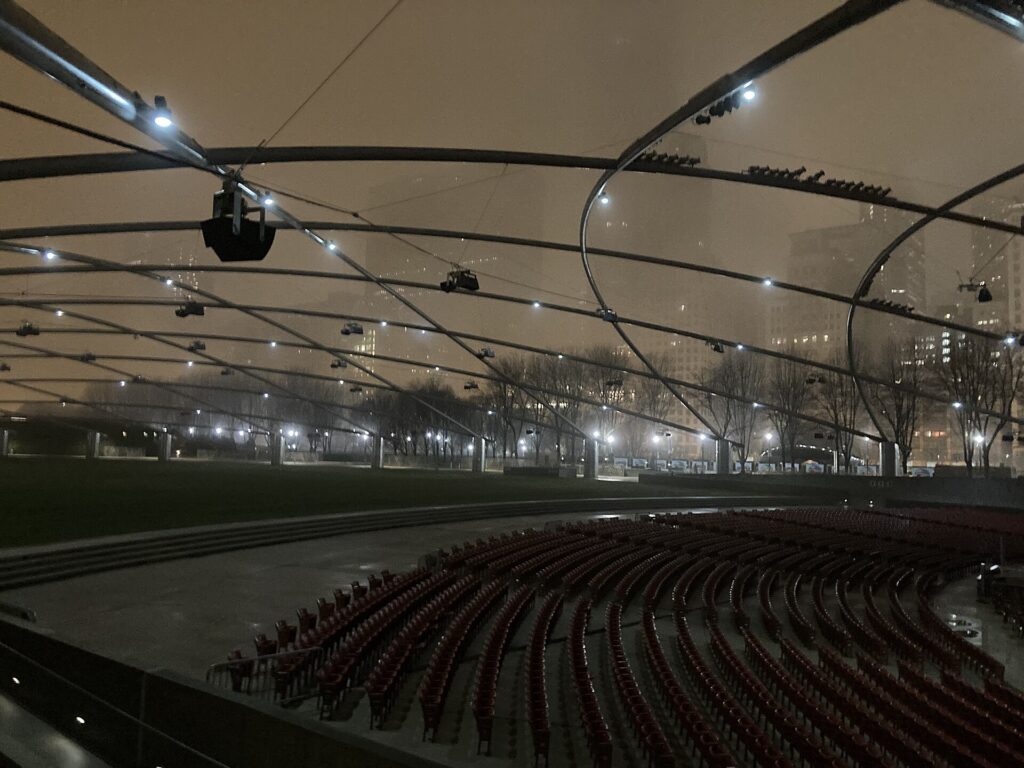
    The Chicago skyline seen from the Nichols Bridgeway in Millennium Park
    Chicago's cold months are often its cheapest (Photo: Michael Barera via Wikimedia Commons, CC BY-SA 4.0)

    6. San Francisco

    San Francisco’s weather is famously unpredictable, with cool, foggy summers and often clear, pleasant falls, so September and October are some of its best months. Conference weeks can push hotel rates very high, so check the convention calendar before buying a sale fare. Compare SFO, Oakland and San Jose by where you will spend your time. The city is compact and well served by transit, so many visitors skip the rental car. Read our best time to fly to San Francisco and things to do in San Francisco guides and compare fares on San Francisco flights.

    7. Orlando

    Orlando is the family destination of choice, which means the most expensive weeks follow the school calendar: spring break, summer and the holidays. Sale fares are most valuable for the quieter periods, such as parts of January and February, late April and May outside holidays, and early fall. Orlando International is the main airport, with Orlando Sanford as an alternative on some routes. Theme park tickets and hotel stays add up quickly, so compare packages with separate bookings and read the change rules carefully. Compare fares on Orlando flights and hotels on Orlando hotels.

    8. Seattle

    Seattle’s summers are dry and beautiful and its winters are gray and damp, and fares follow the weather: July and August are the peak, while the rainy season is usually cheaper. Pike Place Market, the waterfront, the Space Needle, ferries across Puget Sound and day trips into the mountains all work year-round, but spring and early fall offer the best balance. Seattle-Tacoma International is the main airport; our Sea-Tac airport guide covers terminals and getting into the city. See our best time to fly to Seattle and things to do in Seattle guides, and compare fares on Seattle flights.

    Bell Street Pier and the Space Needle seen from Elliott Bay in Seattle
    Seattle fares follow the weather, with summer the peak (Photo: Joe Mabel via Wikimedia Commons, CC BY-SA 4.0)

    9. Austin

    Austin is known for live music, barbecue, Tex-Mex, swimming holes and a busy festival calendar. That calendar is the key to prices: major festival and conference weeks fill the city and send hotel rates soaring, while ordinary weeks are much calmer. Summers are very hot, so spring and fall are the most comfortable seasons. Austin-Bergstrom International is the airport, a short drive from downtown. Search for Austin on our main flight search and compare dates across the month so you can see which weeks the festivals push up. If you are combining Austin with another Texas city, our Houston and Dallas guides can help.

    10. Washington, D.C.

    Washington is one of the best-value major cities in North America for sightseeing, because the Smithsonian museums and the monuments on the National Mall are free. Spring brings cherry blossom season and big crowds; late fall and winter outside the holidays are quieter and cheaper. Compare Reagan National, which is on the Metro close to the city, with Dulles and Baltimore/Washington. Read our best time to fly to Washington, D.C., things to do in Washington, D.C. and rent a car or take the Metro guides, and compare fares on Washington, D.C. flights.

    The ten destinations at a glance

    DestinationAirports to compareWhen a sale fare helps mostWatch out for
    New York CityJFK, LaGuardia, NewarkJanuary to early March; late springHoliday season and big event weekends
    Los AngelesLAX, Burbank, Long Beach, Ontario, Orange CountyWinter and early springLong drives between areas; pick your base
    MiamiMiami, Fort LauderdaleLate spring; winter if you find a real dealWinter peak; hurricane season June to November
    Las VegasHarry Reid InternationalMidweek dates without big eventsConvention and event weekends; resort fees
    ChicagoO’Hare, MidwayLate winter; late spring and early fallCold January weather; summer peak
    San FranciscoSFO, Oakland, San JoseSeptember and October; winter weekdaysConference weeks
    OrlandoOrlando International, SanfordQuiet weeks outside school holidaysSpring break, summer, holidays
    SeattleSeattle-TacomaSpring and early fallSummer peak; rainy winters
    AustinAustin-BergstromOrdinary spring and fall weeksFestival weeks; summer heat
    Washington, D.C.Reagan National, Dulles, BWILate fall and winter outside holidaysCherry blossom season crowds

    Flying from Canada? What changes

    Many of our readers fly from Canadian cities, and a few things differ for cross-border trips. Transborder fares from Toronto, Montreal, Vancouver and Calgary can be competitive during sales, but also compare driving to a nearby U.S. airport, including the cost of parking, fuel, tolls and time. Several major Canadian airports, including Toronto Pearson, offer U.S. preclearance, so you clear U.S. border formalities before you leave and arrive as a domestic passenger. Check the exchange rate when comparing fares priced in different currencies, and see the Government of Canada’s advice on travel to the United States for entry requirements. For a close look at one of the busiest cross-border routes, read our guide to cheap flights between New York and Toronto; for the reverse direction, our Toronto flight deals guide covers flying in.

    The west front of the United States Capitol in Washington, D.C.
    Washington's free museums make it strong value outside cherry blossom season (Photo: Architect of the Capitol via Wikimedia Commons, Public domain)

    Book the hotel and the car too

    A cheap flight is only half a cheap trip. Once your sale fare is booked, move quickly on the rest, because hotel rates on your dates can rise as other sale shoppers book.

    • Book a refundable room first. Reserve on a flexible rate for your exact nights on our hotel search, then keep checking for better rates before the cancellation deadline. Our hotel booking tips guide explains how to compare total prices and neighborhoods.
    • Only prepay if you are certain. A prepaid hotel sale rate is worth it if your trip is fixed and the discount is real.
    • Decide whether you need a car. In New York, Chicago, San Francisco and Washington you probably do not; in Los Angeles, Orlando and Austin you probably do. Compare on our car rental search.
    • Consider timing for the holidays. If you are planning a festive trip, our guide to the best cities for Christmas in the USA shows which cities are worth it, and why booking early matters.

    Common mistakes during travel sales

    • Buying a trip you had not planned. A cheap fare to somewhere you did not want to go is not a saving.
    • Not checking the fare type. A basic fare with no carry-on and no seat selection can cost more than a standard fare once you add what you need.
    • Ignoring the hotel side. A cheap flight on a weekend when the city is full of conventioneers is not a cheap trip.
    • Forgetting the return. Check both directions of a round trip; the sale may only apply to one.
    • Booking nonrefundable everything. Keep at least the hotel flexible if you can.
    • Waiting for the last hour of the sale. Sale seats are limited. If your fare meets your target price, book it.
    • Assuming Cyber Monday is the only chance. Airlines run sales throughout the year; a fare that meets your baseline in any month is worth taking.

    Frequently asked questions

    Are Cyber Monday flight deals really cheaper?

    Sometimes. Sale fares can be genuinely lower for travel in quieter months, but some “deals” are ordinary prices. Compare against the fare you saw for the same dates before the sale, with the same fare type and extras included.

    What dates do Cyber Monday sale fares usually cover?

    Each airline sets its own terms, but sale fares commonly apply to travel in the slower months that follow, with blackout dates around major holidays. Always check the travel window and day-of-week restrictions in the fare rules.

    Is Black Friday or Cyber Monday better for flights?

    Neither is reliably better. Many promotions run across the whole period. Prepare in advance and book when a fare meets your target.

    Can I cancel a sale fare?

    For flights to, from or within the United States booked at least seven days before departure, most airlines let you cancel within 24 hours without penalty. After that, sale fares are often nonrefundable, so read the rules before you pay.

    Should I book the hotel during the sale too?

    Book a refundable room as soon as your flight is set, then recheck the price. Only choose a prepaid sale rate if your plans are certain and the discount is meaningful.

    Which destinations usually have the best sale fares?

    Big airports with lots of airline competition and clear quiet seasons, such as the ten cities above, are where sale fares appear most often. Smaller airports with one or two airlines see fewer and shallower sales.

    Are sale fares refundable if the airline changes my flight?

    If an airline cancels or significantly changes your flight and you choose not to travel, U.S. Department of Transportation rules say you are entitled to a refund, even on a nonrefundable fare. Canadian passengers have rights under the Air Passenger Protection Regulations. The details depend on the situation, so check the rules for your trip.

    Ready for the next sale? Build your price baseline now on our flight search by checking your routes across a whole month, shortlist hotels for the same dates on our hotel search, and you will know a real deal the moment you see one. For more on timing, read our guide to the best time to book cheap flights and hotels.