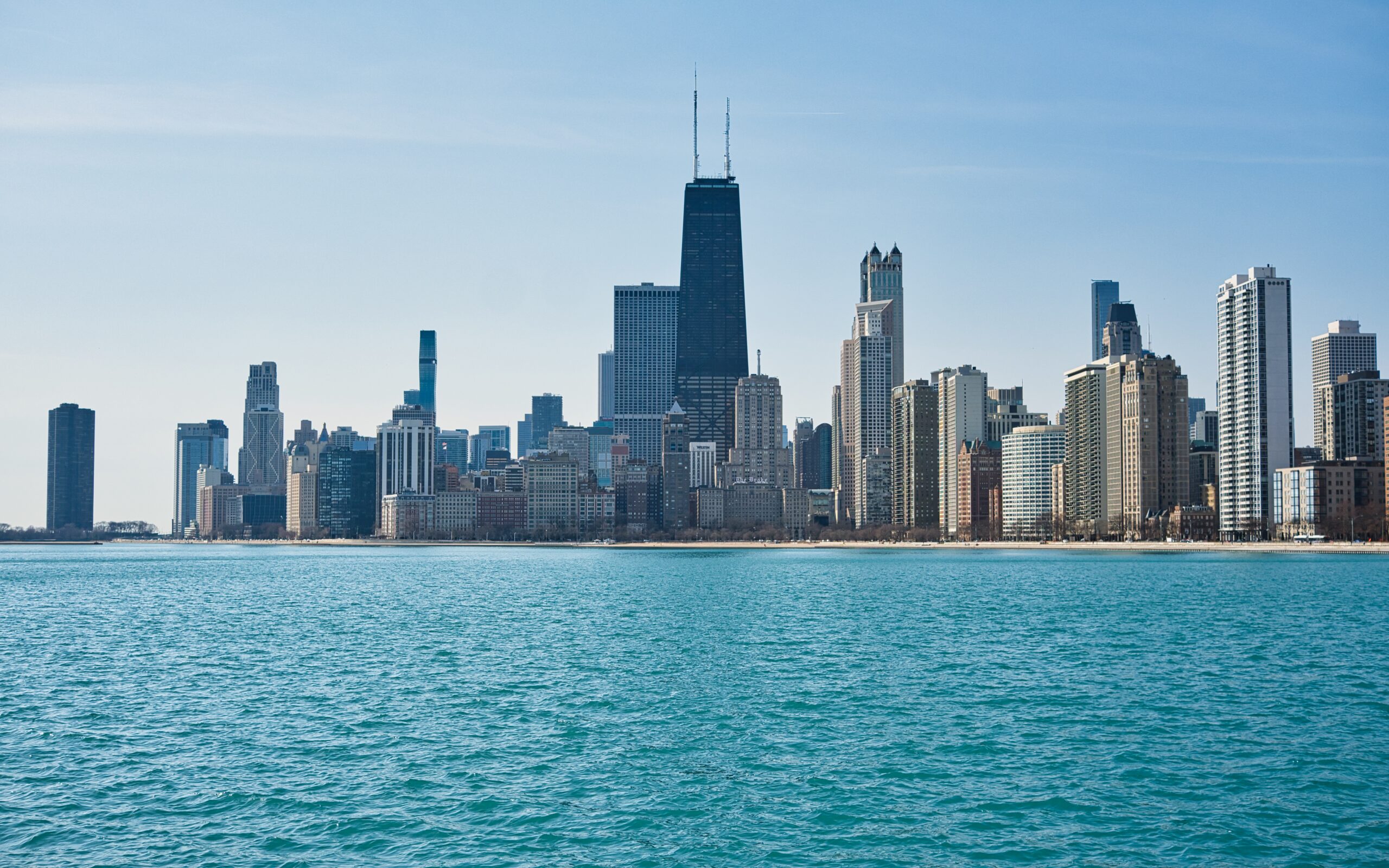
Chicago is one of the easiest cities in America to fly to, and one of the trickiest to time. O’Hare is a hub for both United and American, Midway is one of Southwest’s biggest bases, and between them there are nonstop flights from almost every city in North America and from dozens abroad, which keeps fares competitive for most of the year. What moves the price of a Chicago trip is less the flight than the city’s calendar: a summer so good that the whole Midwest wants to be on the lakefront, a festival season that fills Grant Park most weekends, a marathon in October, a holiday season on the Magnificent Mile, and above all the convention center, McCormick Place, the largest in North America, whose trade shows can fill every downtown hotel room on a random Tuesday in spring. Then there is winter, which is cold enough to make January the cheapest month of the year. This guide walks through the weather month by month, the fare and hotel seasons, the events that move prices, and how to handle the two airports.
The short answer
For the best balance of weather and price, go in late May to mid-June, when the lakefront comes alive before the summer peak, or in September to mid-October, when the weather is often the best of the year and the summer crowds have gone. The cheapest fares and hotel rates come in January and February, after the New Year week, and in the first half of March, when the city is cold, the museums are quiet and the hotels are hungry. The most expensive stretches are June to August, especially festival weekends like Lollapalooza, marathon weekend in October, the holiday weeks from Thanksgiving to New Year, and any week when a major convention is in town, which can happen in almost any month. Whatever you choose, run a flexible-date search on our Chicago flights page; a shift of a few days, or a switch between O’Hare and Midway, can change the fare band entirely.
Chicago’s weather, season by season
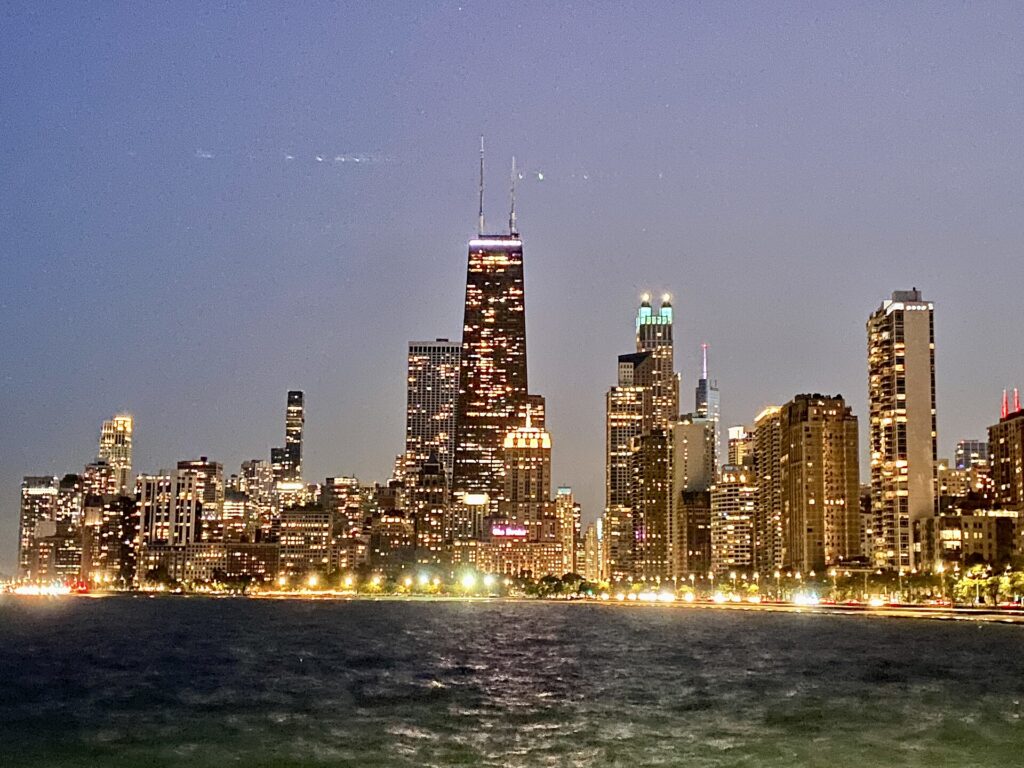
Chicago has a continental climate moderated, sometimes, by Lake Michigan. Winters are cold and windy, with snow from December to March and occasional Arctic outbreaks that push wind chills far below zero; spring comes late, and the lake keeps the shore cool into June; summers are warm to hot and humid, with thunderstorms; and fall is long, dry and clear. The figures below are approximate seasonal patterns based on the long-term climate normals from NOAA’s National Weather Service office for Chicago; check the current forecast before you pack, because a spring day by the lake can be 10 degrees cooler than the same day at O’Hare.
| Month | Typical daytime high | Typical overnight low | What it feels like | Fare pressure |
|---|---|---|---|---|
| January | around 0 °C (32 °F) | around -8 °C (18 °F) | Cold, gray and windy; Arctic snaps bring bitter wind chills | Low after New Year’s week |
| February | around 2 °C (36 °F) | around -6 °C (21 °F) | Still deep winter; the snowiest month in some years | Low; rises for the Auto Show and Presidents’ Day |
| March | around 8 °C (47 °F) | around -1 °C (30 °F) | Raw and changeable; a warm day, then snow | Low to moderate; spring break and St. Patrick’s weekend |
| April | around 15 °C (59 °F) | around 4 °C (40 °F) | Spring in fits and starts; cool by the lake, rain showers | Moderate |
| May | around 21 °C (70 °F) | around 10 °C (50 °F) | Green and pleasant, but the lakefront can stay chilly | Moderate; conventions and Memorial Day push it up |
| June | around 27 °C (80 °F) | around 16 °C (60 °F) | Warm, long days; beaches open; thunderstorms | High |
| July | around 29 °C (84 °F) | around 19 °C (66 °F) | Hot and humid, with heat waves; the lake breeze helps | Peak |
| August | around 28 °C (82 °F) | around 18 °C (64 °F) | Hot and humid; the warmest lake swimming of the year | High, easing late in the month |
| September | around 24 °C (75 °F) | around 13 °C (56 °F) | Often the best month: warm, dry and sunny | Moderate to high |
| October | around 17 °C (62 °F) | around 7 °C (44 °F) | Crisp and clear; fall color in the parks | Moderate, with a marathon spike |
| November | around 9 °C (48 °F) | around 1 °C (33 °F) | Gray and cooling fast; first snow possible | Low, then high for Thanksgiving |
| December | around 2 °C (36 °F) | around -5 °C (23 °F) | Cold and festive; snow likely by the holidays | Moderate early, then peak for the holidays |
Three things the table cannot show. First, the wind chill: Chicago’s nickname has nothing to do with the weather, but the wind off the lake and down the canyons of the Loop makes a -5 °C (23 °F) day feel much colder, and an Arctic outbreak in January or February can push the wind chill to levels where exposed skin is at risk within minutes. Second, the lake effect: in spring and early summer, an onshore breeze can drop the temperature along the shore by 10 degrees or more in an hour, which is why forecasts say “cooler by the lake”, and in winter the lake can add bands of snow. Third, the thunderstorms: summer storms roll in fast from the west, and they are the main cause of delays at O’Hare between June and August, not the snow.
How Chicago’s fare seasons work
Three calendars drive demand for Chicago. The first is the leisure season, which is heavily weighted to summer, when the lakefront, the festivals and the ballparks draw visitors from across the Midwest and the country. The second is the convention calendar: McCormick Place and the big downtown hotels host trade shows and medical and industry conferences through most of the year, and a single large show can fill the city’s hotels and lift weekday fares in any month except the depth of winter. The third is the hub effect: because O’Hare and Midway are major connecting airports with heavy competition among United, American and Southwest, airfares to Chicago are often lower than the city’s popularity would suggest, and the hotel is usually the bigger variable in the trip.
Peak season
June to August, marathon weekend in October, and roughly the week of Thanksgiving through New Year’s Day. Summer brings the highest hotel rates of the year, with the festival weekends, the Fourth of July and Lollapalooza at the top; the holidays bring demand for the Magnificent Mile lights, the Christkindlmarket and family visits. If you must travel in peak, book early, fly mid-week, and compare hotels across neighborhoods rather than only downtown.
Shoulder season
April to May and September to early November. Late May and early June give you long days and blooming parks before the summer surge; September and October give you the city’s most reliable weather. These are also the busiest months for conventions, so check for a large show before you book: a week that looks cheap in the airfare calendar can still carry a hotel spike.
Low season
January to mid-March, outside the New Year week and the big February events. Fares and hotel rates are at their lowest, the theaters, museums and restaurants are quiet, and the Bulls and Blackhawks are in season. The trade-off is real cold. Build a buffer into connections, because snowstorms can ground flights at O’Hare for a day, and pack for wind chills below freezing even on a “mild” day.
As elsewhere, mid-week departures and early or late flights usually price below Friday and Sunday afternoons on the same route, and a search across a whole month reveals cheaper pairs of dates close to your first choice. Our guide to the best times to book explains how to read those patterns.
Chicago month by month
January
The cheapest month of the year to fly and to stay, after the first week. It is also the coldest, with gray skies, regular snow and the possibility of a polar blast. The upside is a city to yourself: no lines at the Art Institute or the Field Museum, easy restaurant reservations, the ice rink in Millennium Park, Bulls and Blackhawks games at the United Center, and the underground Pedway to get around the Loop without a coat. Chicago Restaurant Week, a multi-week run of set-price menus across the city, usually starts in late January or early February.
February
Similar weather and low fares, with two exceptions: the Chicago Auto Show at McCormick Place, one of the largest in the country, which fills downtown hotels for about ten days, and the Presidents’ Day weekend. Otherwise February is excellent value for a museum, theater and food trip.
March
Raw and changeable, with snow and sixty-degree days in the same week. The river turns green for the St. Patrick’s Day parade weekend, which draws huge crowds downtown, and college spring breaks lift fares in the second half of the month. The first half of March remains one of the cheapest windows of the year.
April
Spring arrives, unevenly: the tulips on Michigan Avenue bloom, the Cubs and White Sox open their seasons in weather that can include snow, and the lake keeps the shore cool. Fares are moderate and hotel rates begin to climb, and the first large conventions of the year appear. A good month for the city if you pack layers and do not plan on the beach.
May
Green, pleasant and busy. The National Restaurant Association Show and other large conventions at McCormick Place fill hotels for parts of the month, and Memorial Day weekend, when the beaches officially open, is the start of summer. The Riverwalk and the patios come back to life. Book around the big shows and late May is a lovely time to visit.
June
Long days, warm weather and the start of the festival season: the Chicago Blues Festival in Millennium Park, the free Grant Park Music Festival concerts, street festivals in the neighborhoods nearly every weekend, and the Pride Parade on the last Sunday of the month. Fares and hotel rates climb through the month; early June is the value play.
July
Peak summer. The Fourth of July fireworks, the beaches, the rooftop bars, the ballparks and the architecture cruises are all at full capacity, and the weather is hot and humid with the occasional heat wave. Hotel rates are near their annual high, and Lollapalooza, which can start at the end of July, pushes them higher still.
August
Lollapalooza fills Grant Park for four days in late July or early August, and the Chicago Air and Water Show takes over the lakefront sky later in the month. The lake is at its warmest for swimming, the city is at its liveliest, and the last week, once schools start, brings slightly softer prices. Thunderstorms are the main travel hazard.
September
The month many Chicagoans would pick: warm and dry, with the beach still usable for the first few weeks and the humidity gone. The Chicago Jazz Festival fills Labor Day weekend, and the Bears’ season begins at Soldier Field. It is also a heavy convention month, so hotel rates can be higher than the weather-and-crowds picture suggests.
October
Crisp, clear and colorful in Lincoln Park and along the lakefront. The Chicago Marathon, on a Sunday in early-to-mid October, is one of the world’s major marathons, and that weekend is among the most expensive of the year for hotels. Open House Chicago, when buildings across the city open their doors for free, is a highlight for architecture lovers. Outside marathon weekend, October is excellent value.
November
Gray and cooling, with the first snow possible late in the month. The first half is quiet and cheap. The Magnificent Mile Lights Festival on the weekend before Thanksgiving opens the holiday season, the Christkindlmarket opens in Daley Plaza, and Thanksgiving week brings a sharp spike in fares as the whole country travels.
December
Two months in one. The first half is festive and moderately priced: the lights, the tree in Millennium Park, the markets, the windows on State Street, holiday shows at the theaters. From about December 18, fares rise sharply for Christmas and New Year, and New Year’s Eve hotel rates downtown are among the highest of the winter.
Events that move Chicago flight and hotel prices
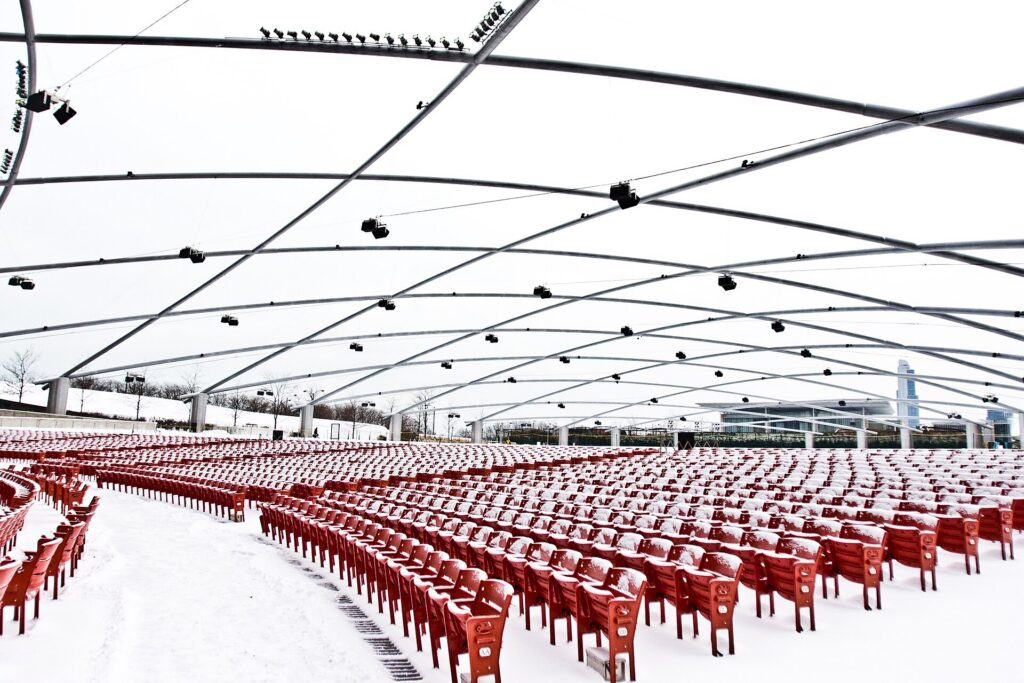
Cross-check these against your dates before you book. Exact dates shift each year; Choose Chicago, the city’s official tourism site, keeps the current calendar.
- Chicago Auto Show (February, about ten days at McCormick Place).
- St. Patrick’s Day parade weekend (usually the Saturday before March 17), when the river is dyed green.
- Major conventions at McCormick Place, which can fill downtown hotels in any month but cluster in spring and fall; if weekday rates look strangely high, that is usually why.
- Memorial Day weekend (last Monday of May): the start of beach season.
- Blues Festival and Pride (June), and the Fourth of July.
- Lollapalooza (four days in late July or early August): the single biggest summer hotel spike.
- Air and Water Show (August) and the Jazz Festival (Labor Day weekend).
- Chicago Marathon (a Sunday in early-to-mid October).
- Thanksgiving through New Year’s Day, with the Lights Festival the weekend before Thanksgiving.
- Home games and concerts: Cubs and White Sox from April to September, Bears from September, Bulls and Blackhawks from October. Our Chicago events page shows what is on sale for your dates.
Getting in from the airports
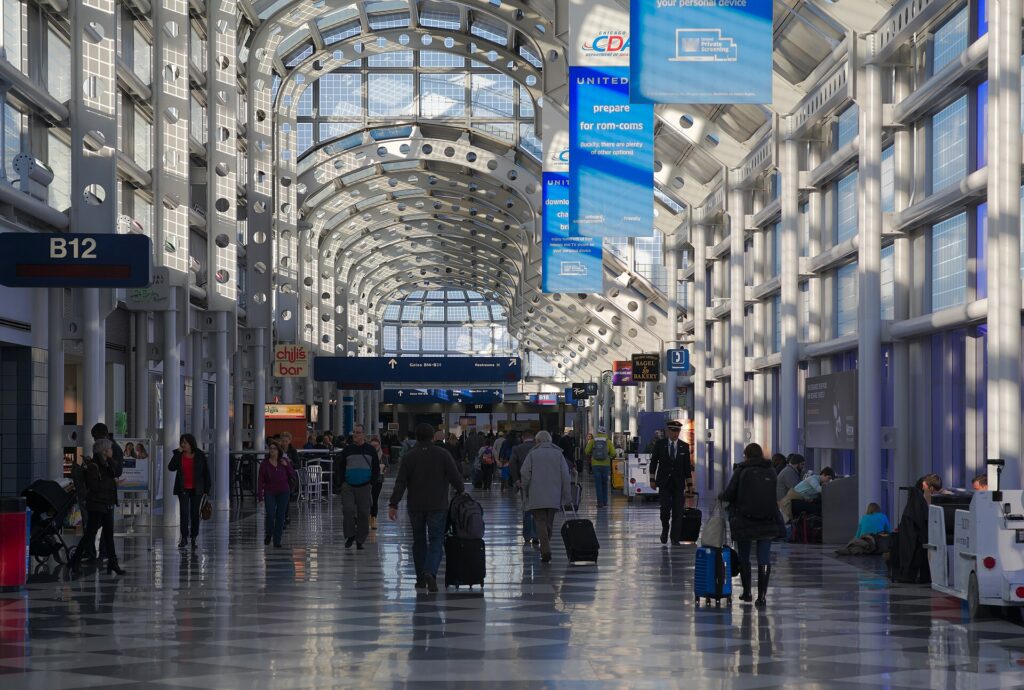
Chicago has two commercial airports, both run by the city’s Department of Aviation. O’Hare International (ORD), about 27 km (17 miles) northwest of the Loop, is one of the busiest airports in the world, a hub for United and American, and the city’s main international gateway, with Terminal 5 as its international terminal. The CTA Blue Line runs from beneath the terminal core to the Loop 24 hours a day, in about 45 minutes, and it is often faster than a taxi at rush hour on the Kennedy Expressway, where the drive can take anywhere from 30 minutes to well over an hour. Midway (MDW), about 16 km (10 miles) southwest of the Loop, is smaller and easier, dominated by Southwest, with the CTA Orange Line reaching the Loop in about 25 minutes. Taxis, ride-hail and rental cars are available at both; at O’Hare, the rental companies share a multi-modal facility reached by the airport transit system. Our Chicago car-versus-transit guide works through the ground-transport decision, and our O’Hare airport guide covers the terminals.
Timing tricks that work for Chicago
- Search both airports. O’Hare and Midway compete on many routes, and Southwest’s big schedule at Midway often undercuts the O’Hare fare on domestic flights; compare both before you book.
- Check the convention calendar. A cheap weekday fare in May or September can come with a hotel rate that doubles the trip. Run a Chicago hotel search for the same dates before you commit to either.
- Fly mid-week, stay the weekend. Chicago’s business travel makes Monday morning and Thursday evening flights the busiest, while downtown hotels, full of conventioneers on weekdays, are sometimes cheaper on Friday and Saturday nights outside summer.
- Go in winter for value. January to early March has the lowest prices of the year and the museums, theaters and restaurants at their most relaxed; just pack for the cold.
- Consider Milwaukee. Milwaukee’s airport, about 145 km (90 miles) north, has its own Amtrak station on the line to downtown Chicago, and occasionally has better fares.
- Build a weather buffer. Snow in winter and thunderstorms in summer both cause ground stops at O’Hare; avoid the tightest connections. Our guide to how early to arrive covers what to allow.
- Flying out of Chicago instead? O’Hare’s route network makes it one of the best departure airports in the country; see cheap flights from Chicago.

What to pack, by season
Winter (December to March): a properly warm, windproof coat, a hat that covers your ears, gloves, a scarf, waterproof boots with grip, and thermal layers for the coldest days; Chicagoans dress for the wind chill, not the thermometer. Spring (April to May): layers, a rain jacket and a warm sweater for the lakefront, which can be much cooler than inland. Summer (June to August): light, breathable clothing, a swimsuit for the beaches, sunscreen, and a light layer for air-conditioned museums and evening boat tours. Fall (September to November): layers again, a medium jacket by October and a warm coat by November. In every season, bring comfortable walking shoes; this is a city best seen on foot.
The best time to fly to Chicago for…
Summer on the lakefront
Mid-June to mid-July for long days and warm beaches, or late August for the warmest water with slightly fewer crowds. Book early and check for festival weekends.
Good weather without the crowds
September, avoiding the big convention weeks, or the first half of June.
The lowest fares
Mid-January to early March, outside the Auto Show and the long weekends, with Restaurant Week as a bonus.
Baseball
Any time from April to September, but May, June and September for comfortable day games at Wrigley without July’s heat.
Families
June or August, when the beaches, Navy Pier and the Museum Campus are all in full swing; December for the holiday lights if the budget allows.
International visitors
Travelers from Visa Waiver Program countries need an approved ESTA before they board; most others need a visa. The State Department’s travel site explains what applies to you, U.S. Customs and Border Protection covers arrival, and the TSA lists what you can carry through security.
Frequently asked questions
What is the cheapest month to fly to Chicago?
January, after the New Year week, followed by February outside the Auto Show and early March.
What is the best month to visit Chicago for weather?
September, with late May, June and early October close behind. July and August are hot and humid; January and February are very cold.
Should I fly into O’Hare or Midway?
Whichever is cheaper for your route. O’Hare has far more flights and all long-haul international service; Midway is closer to the Loop and quicker to get through, and it is Southwest’s base.
How expensive is Chicago during Lollapalooza?
Very, for hotels: it is one of the most expensive weekends of the summer, and downtown sells out. Flights rise too, though less sharply. Book well ahead or pick another weekend.
How cold does Chicago get in winter?
Daytime highs around freezing are typical in January, but Arctic outbreaks can bring temperatures well below -18 °C (0 °F) and dangerous wind chills for a few days most winters.
How far ahead should I book?
Earlier for summer, marathon weekend, the holidays and convention weeks, when fares and rates tend only to rise; for January to early March, fares are stable enough that finding the right dates matters more than booking early.
Why is it called the Windy City?
Nobody is entirely sure. One popular theory credits the city’s boastful nineteenth-century boosters and politicians, another simply the weather; either way, the wind off Lake Michigan makes the name feel earned in January.
Ready to pick your dates? Compare fares across the whole month on our Chicago flights page, then find a room with our Chicago hotel search. For what to do when you land, start with our first-timer’s guide to Chicago.
Keep planning with TicketScanner
- Cheap flights to Chicago — compare fares across the whole month
- Chicago hotels — check for convention weeks
- Chicago car rentals — for Midwest road trips
- Events in Chicago — Cubs, Bears, Bulls, concerts and shows on sale
- Things to do in Chicago: a first-timer's guide
- Chicago: rent a car or use public transit?
- O'Hare International (ORD) airport guide
- Where to stay: the Loop
- Cheap flights from Chicago
- Best times to book flights and hotels
Leave a Reply