
A cheap trip is made of two numbers, and most travelers only look at one of them. The first is the cost of getting there: the flight, plus the transfers at each end. The second is the cost of being there: a bed, three meals, getting around and the things you came to do, multiplied by every day you stay. A bargain fare to an expensive city can still mean an expensive week, and a pricier flight to a cheap place can work out cheaper overall. The best budget destinations do well on both numbers, or do so well on the second that a longer stay pays back the flight. This guide shows how to judge that, profiles ten destinations that consistently deliver, and links to every planning guide in this series.
The short answer
If you want the most trip for the least money, pick a destination where daily costs are low, then stay long enough to spread the flight over many days. Lisbon, Kraków, Sofia, Tbilisi and Istanbul are the value picks in and around Europe; Medellín, Antigua and Oaxaca stand out in Latin America; Ho Chi Minh City and Bali are the classic long-haul bargains in Asia. Travel in the shoulder season, the weeks either side of the local peak, when fares and room rates both soften. Be flexible on dates and airports. And check entry rules and travel advisories before you book, since visas, entry fees and safety conditions change. You can compare fares across whole months on our flight search, then line up rooms on our hotel search.
How to judge whether a destination is really cheap
Before you commit to a place, run through these four questions.
1. What will it cost to get there from your airport?
The same destination can be a bargain from one departure city and a splurge from another. A traveler flying from Toronto, Montreal or New York has far more nonstop and one-stop options to Europe than someone starting from a smaller regional airport, and the West Coast has a natural advantage for Asia. Search your own home airport first, then a larger hub within reasonable driving distance; our pages for flights from Toronto, from Vancouver and from Montreal are a good starting point if you are in Canada. Count the cost of reaching that bigger airport.
2. What does a normal day cost once you land?
Price a typical day: a clean private room, three meals, local transit and one paid attraction. In the destinations below, that day costs noticeably less than in Paris, London or New York, and the gap grows the longer you stay. Our guide on how to save money for a trip shows how to turn a daily figure into a savings target.
3. Is it the right season?
Every destination has a peak season when rooms fill and fares climb, and a shoulder season just before and after it when the weather is still good and prices ease. For Europe, late spring and early fall are the sweet spots; our guide to the best places to visit in Europe in fall covers the autumn options in detail.
4. How long will you stay, and what else will you pay?
A long-haul flight is a fixed cost: spread over five days it dominates the budget, spread over three weeks in a cheap destination it shrinks. Add the smaller extras too, such as visa or entry fees, per-night tourist taxes, airport transfers and travel insurance. Together they can close the gap between a “cheap” destination and a mid-priced one.
The ten best-value destinations
These places consistently deliver a rich trip for a modest daily spend. Prices move with exchange rates and demand, so treat the descriptions as relative and check current rates when you plan.
1. Lisbon, Portugal
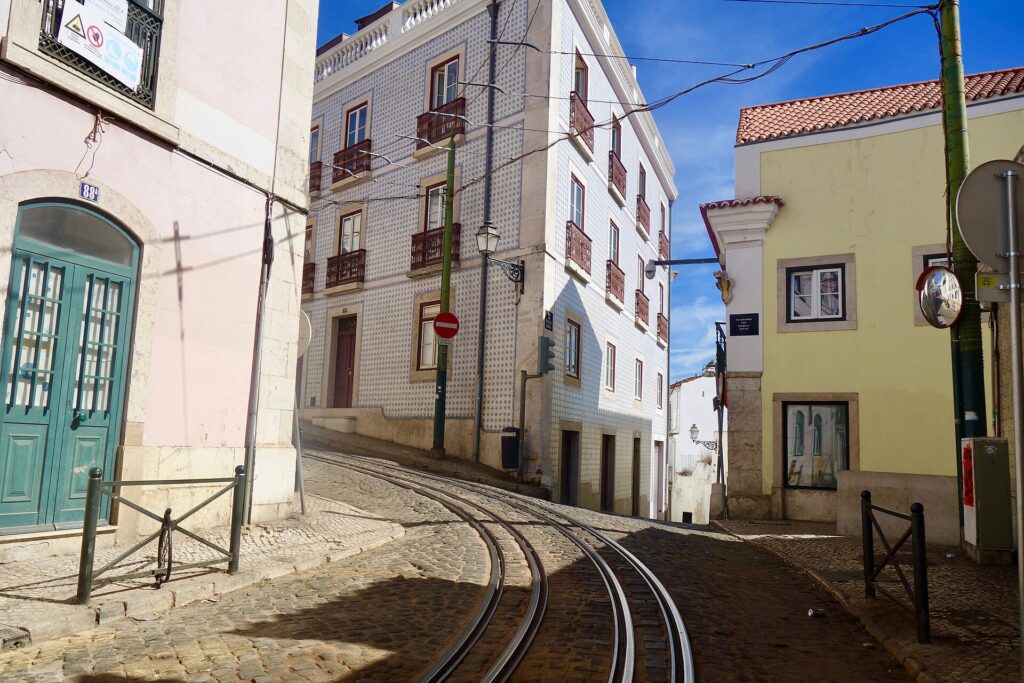
Lisbon remains one of the most affordable capitals in Western Europe, and one of the easiest to reach from North America, with direct flights from several cities on the East Coast and in Canada.
- What to do: ride the historic trams through Alfama and Graça, climb to the viewpoints (miradouros) at sunset, visit the monastery and riverside monuments in Belém, and take the train to Sintra’s palaces or the beaches at Cascais.
- How to keep it cheap: eat the set lunch at neighborhood tascas, buy a rechargeable transit card for the metro, trams and trains, and stay in residential areas like Arroios or Campo de Ourique rather than right in Baixa. Lisbon charges a municipal tourist tax per night, so include it when you compare rooms.
Visit Portugal, the official tourism site, helps if you want to add Porto or the Algarve.
2. Kraków, Poland
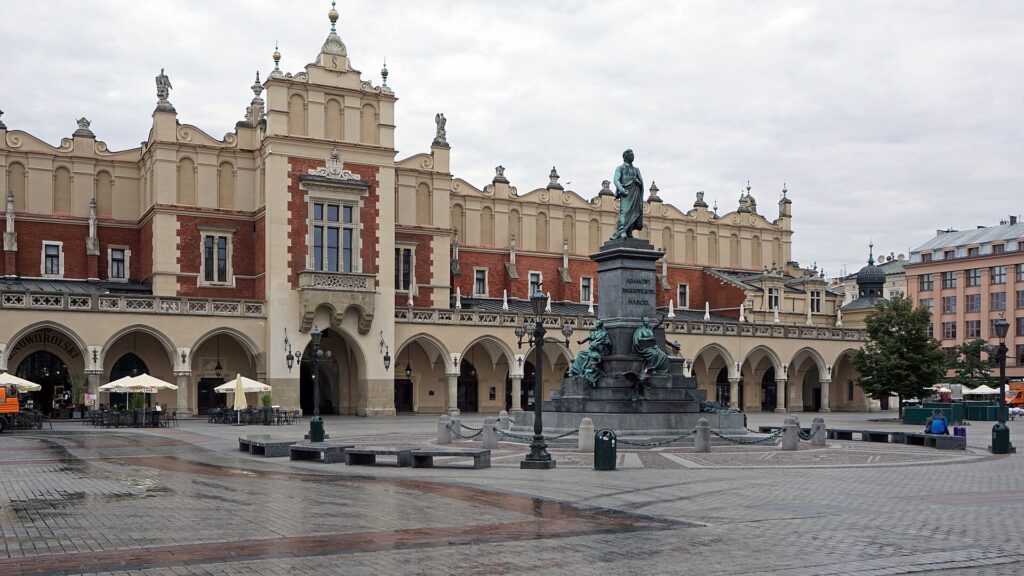
Kraków has one of the best-preserved medieval centers in Europe and prices well below those of Western European capitals; Poland uses the złoty, not the euro.
- What to see: the Main Market Square and Cloth Hall, Wawel Castle and Cathedral, the Kazimierz district, and the Wieliczka Salt Mine just outside the city.
- A day trip that needs planning: the Auschwitz-Birkenau Memorial and Museum is about an hour and a half away. Entry must be reserved in advance through the memorial’s official system, and slots fill in busy months.
- How to keep it cheap: milk bars (bar mleczny) serve simple Polish food at very low prices, the center is walkable, and trams cover the rest.
The national tourism board, Poland.travel, helps with pairing Kraków with Warsaw or Gdańsk.
3. Sofia, Bulgaria
Sofia is often overlooked, which is part of why it offers such good value. It has Roman ruins, Orthodox churches and a mountain on its doorstep.
- What to see: Alexander Nevsky Cathedral, the ancient Serdica ruins, the pedestrian Vitosha Boulevard, and day hikes on Vitosha Mountain, which rises right behind the city.
- Beyond the city: Rila Monastery is a popular day trip, and Plovdiv, one of Europe’s oldest continuously inhabited cities, is an easy bus or train ride away.
4. Tbilisi, Georgia
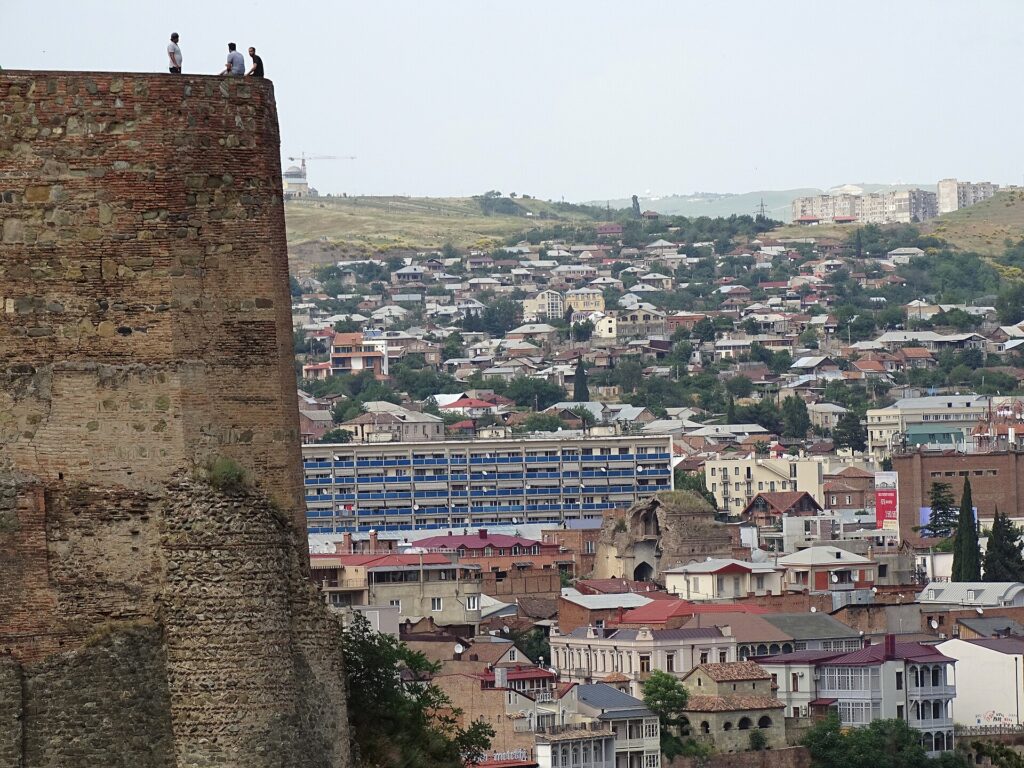
Tbilisi has balconied old houses, sulfur bathhouses, a hilltop fortress, a fast-growing food and wine scene, and prices that make long stays manageable. Georgia also allows long visa-free stays for many passports, including Canadian and US passports; confirm the current rules, including any insurance requirement, before you go.
- What to do: soak in the domed sulfur baths of the Abanotubani district, ride the cable car up to Narikala Fortress, wander the Old Town, and eat khachapuri and khinkali until you cannot move.
- Beyond the city: the Kakheti wine region and the mountain scenery around Kazbegi are popular trips of a day or more.
The Georgian National Tourism Administration publishes regional guides and seasonal events.
5. Istanbul, Turkey
Istanbul is one of the great cities of the world, and by the standards of Europe’s other giants it is still gentle on the wallet, especially for food and transit.
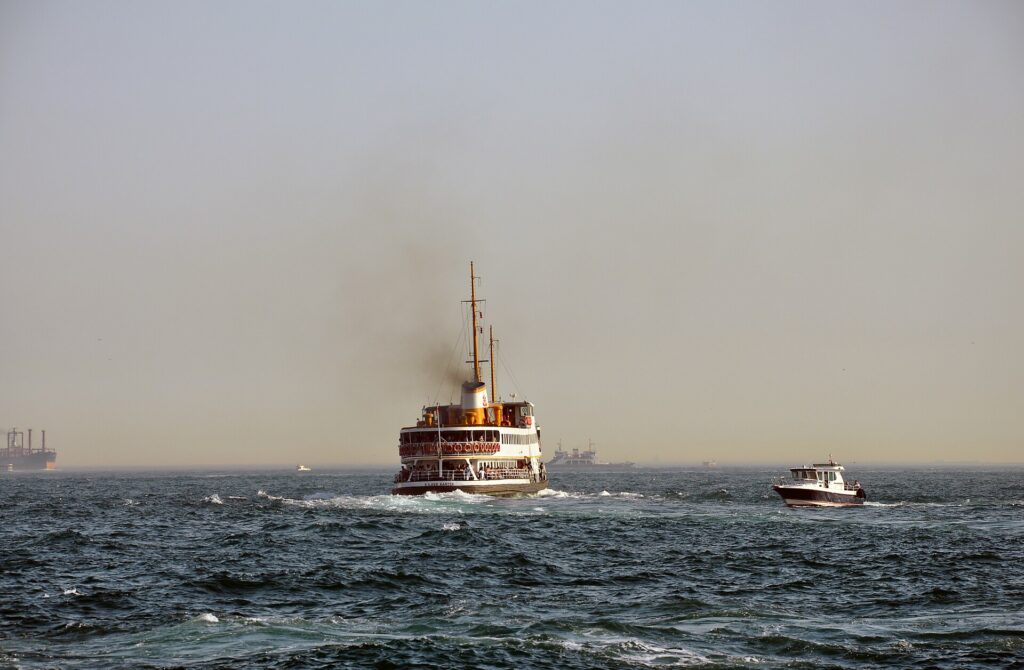
- What to see: Hagia Sophia and the Blue Mosque, Topkapı Palace, the Basilica Cistern, the Grand Bazaar and the Spice Bazaar, and a ferry ride on the Bosphorus, which doubles as the cheapest scenic cruise in the city.
- Costs to know: some major sites charge foreign visitors significant entry fees, and prices at the top attractions have risen quickly, so budget for the ones that matter most to you.
- How to keep it cheap: buy an Istanbulkart for the metro, trams, buses and ferries; eat where locals eat, away from the main squares.
The official tourism portal, Go Türkiye, covers the city and the rest of the country.
6. Medellín, Colombia
Medellín has reinvented itself over the past few decades and is known for its spring-like climate, cable cars and street art.
- What to do: ride the Metrocable lines that connect hillside neighborhoods to the metro, take a guided walk through the murals and outdoor escalators of Comuna 13, visit the Botanical Garden, and day-trip to the colorful town of Guatapé and its famous rock.
- How to keep it cheap: the metro and cable cars are inexpensive and efficient, and a set lunch (menú del día) is one of the best-value meals anywhere.
- Stay informed: conditions vary by neighborhood. Read the government advisory for Colombia, use registered taxis or ride-hailing apps, and follow local advice about where to go after dark.
Colombia Travel, the national tourism site, has itineraries that add the coffee region and Cartagena.
7. Antigua and Guatemala
Antigua is a colonial town of cobbled streets and ruined churches ringed by volcanoes, and it is the base most travelers use for exploring Guatemala.
- What to do: hike Pacaya Volcano, spend a few days in the villages around Lake Atitlán, and, if you have time, fly to Flores for the Maya ruins at Tikal in the northern jungle.
- How to keep it cheap: Spanish schools with homestays make long stays very affordable, and shuttle buses link the main tourist points.
- When to go: the dry season runs roughly from November to April. The shoulder months either side can bring lower prices, with afternoon rain as the trade-off.
8. Oaxaca, Mexico
Oaxaca is Mexico’s cultural and culinary heartland: markets piled with chilies and chocolate, mezcal distilleries, craft villages and some of the best food in the country, at prices well below the big beach resorts.
- What to do: eat mole, tlayudas and tamales in the markets, visit the hilltop ruins of Monte Albán, see the petrified waterfalls of Hierve el Agua, and tour the weaving and pottery villages nearby.
- Festivals: Día de Muertos around the start of November and the Guelaguetza in July are spectacular, and they are also the most expensive and crowded times of year. Book early if you want to be there.
If you would rather have beaches on a budget, Mexico’s Caribbean coast can also be good value outside the winter peak; see our best time to fly to Cancun guide, then compare flights to Cancun and rooms in the Hotel Zone.
9. Ho Chi Minh City, Vietnam
Ho Chi Minh City is loud, energetic and full of history, with some of the best street food on earth and daily costs that let a modest budget stretch a long way.
- What to see: the War Remnants Museum, the Reunification Palace, Ben Thanh Market, and a day trip to the Cu Chi Tunnels or the Mekong Delta.
- How to keep it cheap: eat at street stalls and small family restaurants, and use ride-hailing apps for fixed, fair prices.
- Entry: most North American travelers need an e-visa. Apply only through the official government portal, since look-alike sites charge extra fees.
The official Vietnam tourism site has regional guides for planning a route from south to north.
10. Bali, Indonesia
Bali combines beaches, rice terraces, temples and a deep-rooted local culture. It is a long way from North America, but guesthouses and local warungs keep daily costs low once you arrive.
- What to do: base yourself in Ubud for rice terraces, temples and craft villages, then head to the coast; visit the sea temples of Tanah Lot and Uluwatu, and hike Mount Batur for sunrise.
- Costs to know: Bali charges international visitors a tourist levy on top of Indonesia’s visa requirements. Pay both only through official channels.
- How to keep it cheap: eat at warungs, rent a scooter only if you are an experienced rider with the right license and insurance, and otherwise hire a driver for the day.
At a glance: which budget destination suits you
| Destination | Best for | Best-value season | Ideal length |
|---|---|---|---|
| Lisbon | First European trip, food, day trips | Spring and fall | 4 to 7 days |
| Kraków | History, architecture, low daily costs | May, June, September | 3 to 5 days |
| Sofia | Value, mountains, off-the-radar Europe | Late spring and early fall | 3 to 5 days |
| Tbilisi | Food and wine, long stays | Spring and fall | 5 to 10 days |
| Istanbul | World-class sights, food | April to May, September to October | 4 to 6 days |
| Medellín | Climate, city life, nature nearby | Year-round mild | 5 to 10 days |
| Antigua, Guatemala | Volcanoes, language schools | Early dry season | 7 to 14 days |
| Oaxaca | Food, crafts, culture | Outside festival weeks | 5 to 7 days |
| Ho Chi Minh City | Street food, long trips through Vietnam | Dry season | 2 weeks or more with the rest of Vietnam |
| Bali | Beaches, culture, slow travel | Shoulder months either side of the dry season | 10 days or more |
Budget travel closer to home
For a short break, the best-value trip is often a short, inexpensive flight or a drive away.
- Montreal and Quebec City offer a European-feeling getaway without the transatlantic fare. See our guides to Montreal and Quebec City, and compare flights to Quebec City.
- New York is famously expensive, but it has more free and low-cost things to do than almost any city on earth. Our cheap New York travel guide explains how to do it on a budget.
- Las Vegas can be surprisingly affordable midweek, when rooms on the Strip drop sharply compared with weekends; see our guide to cheap flights to Las Vegas.
- National and state parks are some of the best-value travel anywhere, especially if you camp or share a rental car. Our list of America’s most unique state parks is a good place to start, and our guide to cheap domestic flights in the USA helps with getting there.
- A holiday city break in the right place can be festive without costing a fortune; our guide to the best cities for Christmas in the USA covers markets, lights and events.
Making expensive favorites affordable
If Paris, London or Rome is the trip you have always wanted, you can still bring the cost down a long way.
Go in the shoulder season
Summer and the Christmas holidays are the priciest times in all three cities. Late spring and the period from mid-September to early November bring lower hotel rates and better fare availability. Our month-by-month guides to the best time to fly to Paris, the best time to fly to London and the best time to fly to Rome show when the value windows open.
Stay one ring out from the center
A hotel two or three metro stops from the landmarks usually costs noticeably less than one within sight of them, and in all three cities the transit is good enough that you lose little time. In Rome, Trastevere has character and good-value dining; in Paris, the Marais is central, walkable and full of cheaper places to eat than the grand boulevards.
Use transit, not taxis
All three cities have excellent public transport, and a car is almost always a liability in the center. Our guides to getting around Paris, London and Rome explain passes, airport transfers and when a rental does make sense.
Plan free days
Many major London museums are free, and Paris and Rome have free-entry days at some state museums. Our guides to things to do in Paris, things to do in London and things to do in Rome mix the must-sees with cheaper options. If you are torn between the three countries, read our comparison of England, Italy and France for a vacation, and if you want to see more than one, our guide to traveling Europe on a multi-city itinerary shows how to connect them efficiently.
How to find the cheap flight
The flight is the one cost you cannot shrink by eating street food, so be methodical. Search a full month of fares before choosing dates, since midweek departures are often cheaper on leisure routes. Check nearby airports at both ends; arriving in a neighboring city and taking a train can save more than any other trick. Consider open-jaw tickets, flying into one city and home from another, which avoids backtracking. And read the fare rules, because the cheapest fares often exclude bags, seats or changes. Our guide to the best time to book cheap flights and hotels covers timing, our international flight booking tips cover connections and baggage, and our roundup of Cyber Monday flight deal destinations shows the kind of routes that tend to go on sale. For a walkthrough of fare calendars on this site, see our guide to planning a trip with TicketScanner.
How to keep daily costs low anywhere
Accommodation is usually the largest daily cost: compare the total price including taxes and fees, stay near transit rather than on the most famous square, and look at guesthouses and small family-run hotels as well as chains. Our hotel booking tips go through the process step by step. Eat your main meal at lunch, when many restaurants offer set menus at a fraction of the dinner price, and shop in markets. Buy the local transit card on day one and rent a car only when it opens up places transit cannot reach; our comparison of renting a car, public transport and taxis helps you decide. Use a card without foreign transaction fees, withdraw cash from bank ATMs rather than airport exchange desks, and always pay in the local currency when a terminal offers to convert. Carry cards and cash in more than one place; a money belt or an anti-theft backpack helps in crowded areas. Finally, slow down: every transfer costs money, so fewer bases and longer stays are cheaper and usually more enjoyable. If what you really want is rest, our list of relaxing vacations for doing absolutely nothing is built around that idea.
Safety, entry rules and insurance
Budget destinations are not riskier by nature, but they are often less familiar.
- Check the official advisory for every country on your route before you book and again before you fly. Canadians should use the Government of Canada travel advice and advisories; US citizens should check the State Department travel advisories.
- Confirm entry requirements. Visas, e-visas, electronic travel authorizations, tourist levies and passport validity rules differ by country and by passport, and they change. The official government page for your nationality is the only reliable source.
- Buy travel insurance with medical coverage. Provincial and many private health plans cover little abroad.
- Arrive at the airport with time to spare on international departures; our guide to airport arrival times for international flights explains how early is early enough.
Splurges on a plan
Budget travel also means spending deliberately so the money goes where it matters. Our Cayman Islands honeymoon guide applies the same timing rules to a Caribbean escape, and our guide to traveling to Japan covers a destination that is more affordable on the ground than many people expect, thanks to efficient rail, good convenience-store food and good-value business hotels. If your travels turn into a passion for writing, our guide to travel writing and contributor programs explains how editors evaluate pitches.
All the guides in this series
This article is the hub for our destinations and planning guides. Each one goes deeper into a single part of the trip:
- How to save money for a trip without putting your life on hold.
- How to travel Europe on a multi-city itinerary: routes, trains, flights and timing.
- The best places to visit in Europe in fall, from Oktoberfest to truffle season.
- England, Italy or France: how to choose, or how to combine them.
- Travel to Japan: planning a first trip.
- A honeymoon in the Cayman Islands.
- America’s most unique state parks.
- The best cities for Christmas in the USA.
- Seven relaxing vacations for doing absolutely nothing.
- New York on a budget.
- How to plan and book a trip on TicketScanner.
- Travel writing and contributor programs.
Frequently asked questions
What is the cheapest region to travel in?
For daily costs, Southeast Asia, parts of Latin America, and Eastern Europe and the Caucasus are consistently among the best value for North American travelers. The overall cheapest trip depends on your departure airport, since the flight can outweigh the daily savings on a short stay.
How much should I budget per day?
It depends on your travel style, the destination and the exchange rate at the time, so any fixed figure goes out of date quickly. Build your own number: price a mid-range room for your dates, add meals, local transit and one or two paid attractions, then add a buffer of around 10 to 15 percent.
When is the cheapest time to travel?
The shoulder season for your chosen destination, which is usually just before and just after its peak. For much of Europe, that means May, early June, September and October. For tropical destinations, it is the edges of the dry season.
Are budget destinations safe for solo travelers?
Many are very popular with solo travelers, including Lisbon, Kraków and Tbilisi. Safety varies by neighborhood and changes over time, so read the official advisory for your destination, follow local advice, and take the usual precautions with valuables and late-night travel.
Do I need a visa for these destinations?
It depends on your passport and the country. Some destinations are visa-free for Canadian and US passport holders, some require an e-visa or charge a tourist levy, and rules change. Check the official government travel page for your nationality before you book.
Ready to find your own budget destination? Start by searching a whole month of fares from your home airport on our flight search, pick the destination and dates where the numbers work, then compare rooms on our hotel search. If you are still saving up, begin with our guide on how to save money for a trip.
Keep planning with TicketScanner
- How to save money for a trip
- How to travel Europe on a multi-city itinerary
- Best places to visit in Europe in fall
- England, Italy or France: how to choose
- New York on a budget
- Travel to Japan: planning a first trip
- Compare cheap flights — search a whole month of fares from your airport
- Compare hotel prices
- Things to do in Rome
Leave a Reply