Japan is one of those rare destinations that lives up to its reputation. You can spend the morning among the neon and crowds of Tokyo, ride a bullet train that leaves on the minute, and spend the evening in a quiet wooden inn in Kyoto with a garden outside your room. The food is extraordinary at every level, from convenience-store rice balls to counter-seat sushi; the cities are clean, safe and easy to navigate; and the landscapes run from the snowfields of Hokkaido to the beaches of Okinawa. For a first-time visitor, the challenge is not finding things to do, but making sense of the practical side: entry rules, when to go, how to get around, whether a rail pass is worth it, and how to fit Tokyo, Kyoto and everything else into a trip of reasonable length. This guide walks through all of it, from booking the flight to bowing at the temple gate.
The short answer
For a first trip, plan on ten days to two weeks and build it around Tokyo, Kyoto and Osaka, with side trips to Nara, Hiroshima and Miyajima, or the Mount Fuji area. The best seasons are spring (late March to May) and fall (October to November); avoid the rainy season in June and early July and the national holiday weeks if you can. Fly into Tokyo and out of Osaka, or the reverse, to save a day of backtracking. Get a rechargeable IC transit card for city travel, and price your train journeys before buying a Japan Rail Pass, since it no longer pays off for every itinerary. Check the official entry rules for your passport before you book, and compare fares from your home airport on our flight search.
Before you book: entry rules and paperwork
Entry rules depend on your nationality and change from time to time, so treat this section as a guide to the principles and confirm on the official pages before you travel.
- Visa exemption for short stays. Citizens of many countries, including Canada and the United States, can visit Japan for short tourist stays without a visa, provided they do not engage in paid work. The permitted length of stay depends on your nationality. Check the Ministry of Foreign Affairs of Japan’s visa exemption page for your passport, and remember that the officer at the border decides on entry.
- Arrival formalities online. Japan’s Visit Japan Web service lets you complete immigration and customs information before you land, which usually speeds up arrival. It is an official government service; avoid third-party sites that charge for it.
- Medications. Japan controls the import of medicines closely. Travelers can generally bring a limited personal supply of prescription medicine, but larger quantities need advance import confirmation, and some medications that are legal at home, including certain stimulants and strong painkillers, are restricted or prohibited. Read the Ministry of Health, Labour and Welfare’s guidance on bringing medicines into Japan well before you fly, and talk to your doctor or pharmacist if anything you take might be affected.
- Government travel advice. Canadians can read the Government of Canada’s travel advice for Japan, which also covers earthquakes, typhoons and emergency preparedness. US citizens should check the State Department’s country page.
- Insurance. Japanese hospitals are excellent, but visitors pay for care. Buy travel insurance with medical coverage before you leave.
When to go: Japan season by season
Japan stretches a long way from north to south, and the seasons shape everything from crowds and prices to what you will see.
| Season | What to expect | Highlights | Watch out for |
|---|---|---|---|
| Spring (March to May) | Mild, mostly dry, very popular | Cherry blossoms, usually late March to early April in Tokyo and Kyoto | Peak demand during blossom season and Golden Week (late April to early May) |
| Early summer (June to mid-July) | Rainy season across much of the country | Lush gardens, hydrangeas, fewer visitors | Frequent rain and humidity; Hokkaido is the main escape |
| Summer (mid-July to August) | Hot and humid in the cities | Festivals and fireworks, mountain hiking, Hokkaido | Heat, and heavy domestic travel around Obon in mid-August |
| Early fall (September) | Still warm | Fewer crowds after the summer holidays | Peak of typhoon season, which can disrupt flights and ferries |
| Fall (October to November) | Crisp, clear and comfortable | Autumn leaves, usually peaking in Kyoto from mid to late November | Kyoto is very busy on peak foliage weekends |
| Winter (December to February) | Cold and dry in Tokyo and Kyoto, snowy in the north | Skiing in Hokkaido and the Japan Alps, snow festivals, winter illuminations | Businesses close and transport is busy around New Year |
Cherry blossom season
The blossom front moves from south to north: it typically arrives in Okinawa in winter, in Tokyo and Kyoto around late March to early April, and in Hokkaido weeks later. The exact timing shifts each year with the weather, and peak bloom lasts only about a week in any one place, so build some flexibility into your dates. The Japan National Tourism Organization publishes a cherry blossom forecast as the season approaches. Book rooms early for this period, especially in Kyoto. Classic viewing spots include Ueno Park and the Meguro River in Tokyo, and the Philosopher’s Path and Maruyama Park in Kyoto.
Autumn leaves
Fall color also moves across the country, starting in the mountains of Hokkaido in late September and reaching Tokyo and Kyoto in November. Temple gardens in Kyoto, the lakes around Mount Fuji and the mountains of Nikko are classic viewing areas. If you are weighing an autumn trip to Japan against one to Europe, our guide to the best places to visit in Europe in fall covers the other side of the decision.
Holiday weeks to avoid
Three periods are especially busy with domestic travel: Golden Week, a cluster of national holidays from late April to early May; Obon in mid-August; and the New Year period at the start of January. Trains, flights and hotels fill up and prices rise. If your dates are flexible, work around them.
Getting there
Tokyo has two major airports: Haneda, which is close to the city center, and Narita, which is farther out but connected by fast trains. For Kyoto and Osaka, Kansai International Airport is the main international gateway. There are nonstop flights to Tokyo from several North American gateways, including Vancouver and Toronto and major US West Coast hubs such as Seattle, San Francisco and Los Angeles. Compare fares from Vancouver, from Toronto, from Seattle, from San Francisco and from Los Angeles; from other cities, one connection is usually needed.
- Book an open-jaw ticket. Flying into Tokyo and home from Osaka’s Kansai airport, or the reverse, saves the time and cost of returning to your arrival city.
- Search a whole month. Transpacific fares vary a lot by day and season; flexible dates can make a real difference, and our guide to planning a trip with TicketScanner shows how to read a fare calendar. Our guide to the best time to book cheap flights and hotels covers booking windows, and our international flight booking tips cover connections and baggage.
- Plan for the long flight. It is a long day in the air from anywhere in North America. Our guide to what to wear on a flight helps with comfort, and choosing an arrival in the afternoon or evening makes it easier to adjust to the time difference.
Budgeting for Japan
Japan is often assumed to be very expensive, but many travelers find it more affordable on the ground than they expected. Exchange rates move, so check the current rate as you plan, and think about where the money actually goes.
- Accommodation is usually the largest cost. Japan’s business hotels offer small, spotless rooms with everything you need at reasonable rates, and they are often near train stations. Ryokan (traditional inns) cost more but often include an elaborate dinner and breakfast, so they are worth one or two nights.
- Food can be remarkably good value. Convenience stores sell fresh, high-quality meals; set lunches at restaurants are much cheaper than dinner; and noodle shops, food courts in department store basements and standing sushi bars are excellent and inexpensive.
- Transport is efficient but adds up, especially long Shinkansen journeys. Plan your route first, then decide between individual tickets and a pass.
- Sights are often inexpensive. Many shrines and parks are free, and temple entry fees are usually modest. Some of the best views in Tokyo come from free observation decks, such as the one at the Tokyo Metropolitan Government Building.
Our guide on how to save money for a trip shows how to turn a target budget into a savings plan, and our pillar guide to budget travel destinations explains how to weigh the flight against daily costs.
Getting around Japan
IC cards for city travel
Rechargeable IC cards such as Suica and PASMO work on trains, subways and buses in Tokyo and on most urban networks across the country, and they can also pay for purchases at convenience stores and vending machines. On many phones you can add one to your digital wallet. Tap in and tap out, and top up at station machines.
The Shinkansen
Japan’s bullet trains are fast, frequent and punctual. Tokyo to Kyoto takes a little over two hours on the fastest services, and Kyoto to Hiroshima is a similar distance. Reserve seats in busy periods. If you are carrying a large suitcase on the Tokaido, Sanyo or Kyushu Shinkansen lines, you need to reserve a seat that comes with an oversized baggage area; check the size limits before you travel.
Is the Japan Rail Pass worth it?
The nationwide Japan Rail Pass gives unlimited travel on most JR trains for 7, 14 or 21 consecutive days. It was repriced substantially in recent years, and for many first-time itineraries, such as Tokyo, Kyoto and Osaka with a day trip or two, individual tickets now cost less. It still makes sense for travelers covering long distances in a short time, for example Tokyo to Hiroshima and back with stops along the way, or a trip that includes Hokkaido or Kyushu. The fastest trains on some lines require a supplement with the pass. Add up the cost of your planned journeys and compare it with the pass price on the official Japan Rail Pass website. Regional passes covering areas such as Kansai or eastern Japan can be better value for more focused trips.
Send your luggage ahead
Japan’s luggage delivery services (takkyubin) can send your suitcase from one hotel to the next, usually arriving the following day. Pack a small overnight bag, send the big case ahead, and ride the trains unencumbered. Ask at your hotel’s front desk.
Do you need a car?
Not for the cities. Public transport is excellent and parking is expensive and scarce. A car can make sense in rural Hokkaido, Okinawa or the countryside. You will need an International Driving Permit issued in your home country, and Japan drives on the left. Our comparison of renting a car, public transport and taxis can help you decide.
Where to go
Tokyo
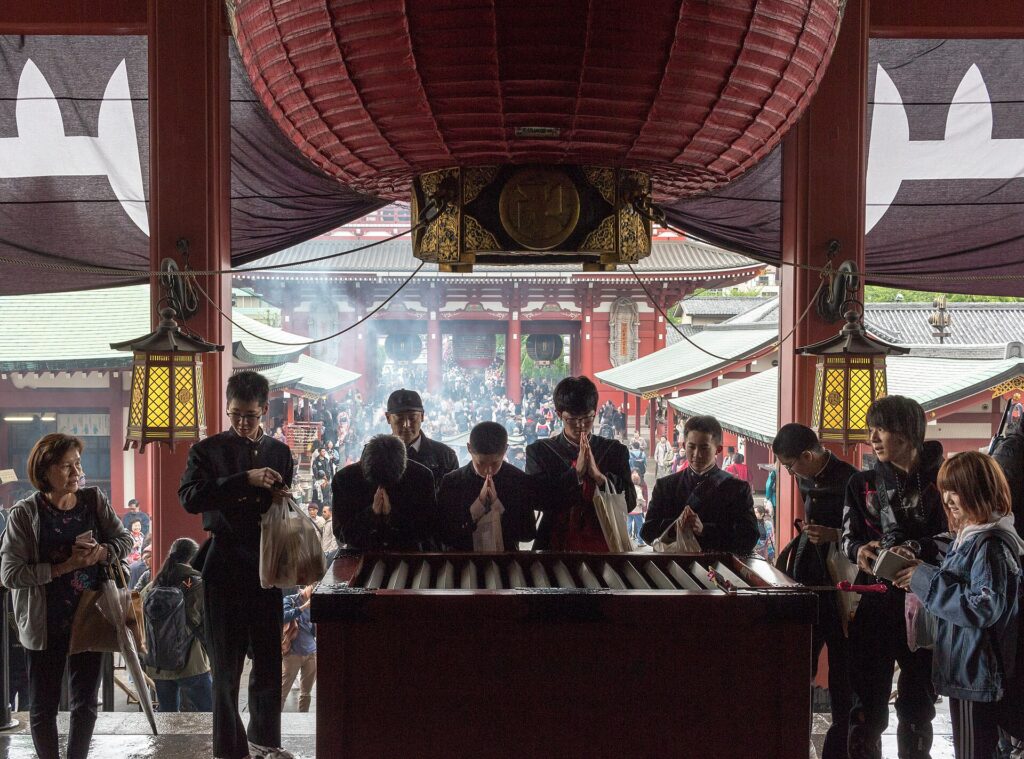
Tokyo is not one city center but many. Visit Asakusa for Senso-ji, the city’s oldest temple, and its market street; Shibuya for the famous scramble crossing; Shinjuku for skyscrapers, nightlife and the gardens of Shinjuku Gyoen; Harajuku for youth fashion and the forested Meiji Shrine next door; and Ueno for its park and major museums. The original version of this guide recommended the Tsukiji Fish Market: the wholesale market and its auctions moved to Toyosu in 2018, but the Tsukiji Outer Market still has stalls and small restaurants that are ideal for a seafood breakfast. For a view, go up Tokyo Tower, Tokyo Skytree or the free decks of the Metropolitan Government Building. Good bases for a first visit include Shinjuku, Shibuya, Ginza and the area around Tokyo Station for fast Shinkansen access.
Kyoto
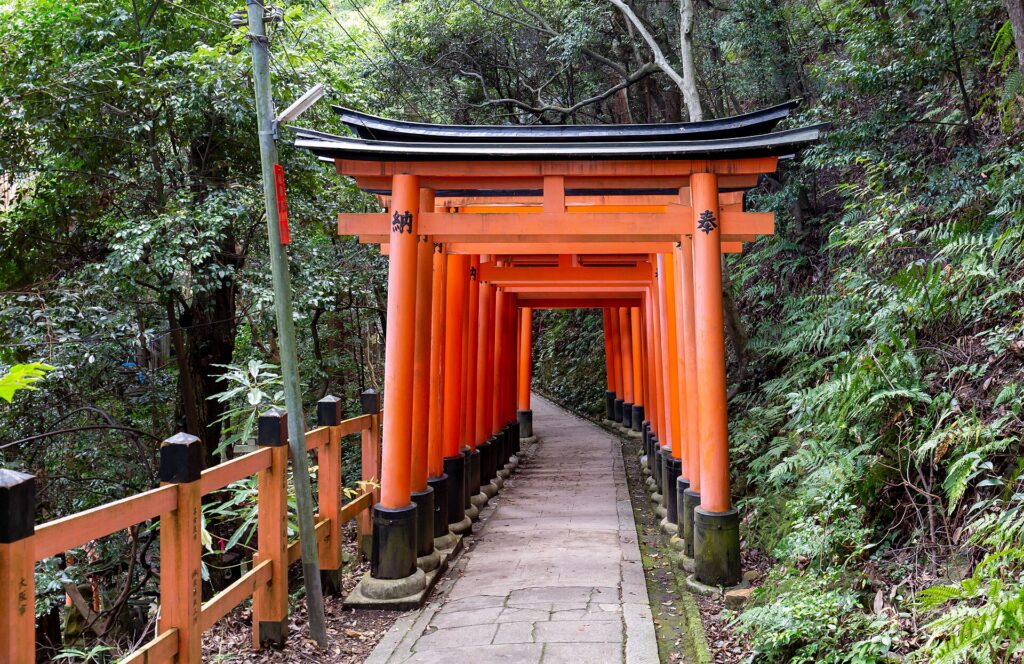
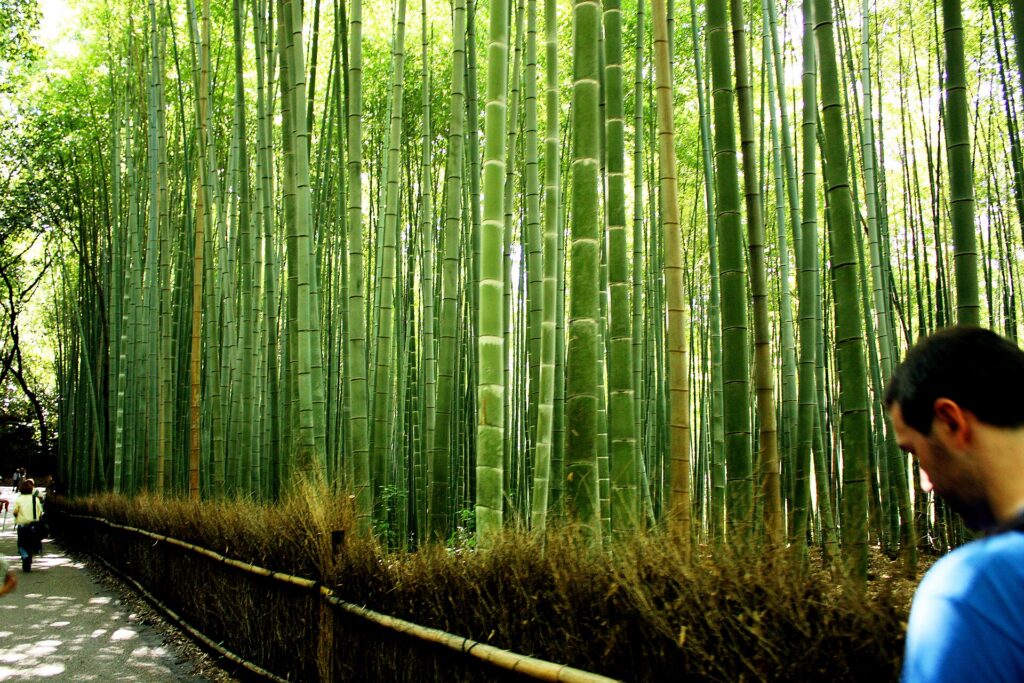
The imperial capital for more than a thousand years, Kyoto is the heart of traditional Japan, with an enormous number of temples and shrines. Walk through the thousands of vermilion torii gates at Fushimi Inari Shrine, ideally early in the morning; explore the historic Gion district, where you may see geiko and maiko on their way to appointments; see Kinkaku-ji, the Golden Pavilion, and the wooden terrace of Kiyomizu-dera; and spend a morning in Arashiyama’s bamboo grove before the crowds arrive. Stay downtown near Kawaramachi or Gion for evenings, or near Kyoto Station for convenience. Please respect the rules in Gion: some private lanes are off limits, and photographing geiko and maiko without permission is not acceptable.
Osaka
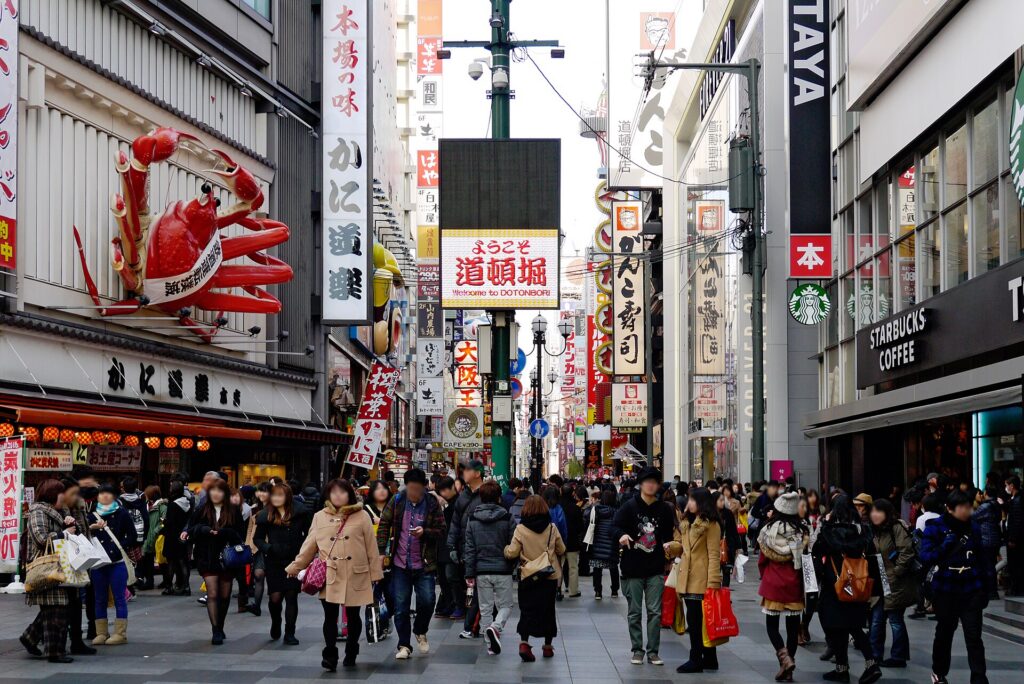
Known as “the nation’s kitchen”, Osaka is where you eat. Head to Dotonbori at night for neon, crowds and street food such as takoyaki (octopus dumplings) and okonomiyaki (savory pancakes). Osaka Castle and the Kuromon Market are worth a visit, and Universal Studios Japan is popular with families. Osaka is under half an hour from Kyoto by fast train, so many travelers stay in one and day-trip to the other.
Nara
An easy day trip from Kyoto or Osaka, Nara has Todai-ji, whose great hall houses a giant bronze Buddha, and a park full of free-roaming deer that bow for crackers. Follow the posted rules about feeding them.
Hiroshima and Miyajima
Hiroshima’s Peace Memorial Park is a moving place to reflect on the atomic bombing of 1945, and the Atomic Bomb Dome within it is a UNESCO World Heritage Site. Allow a few hours for the Hiroshima Peace Memorial Museum. Nearby, the island of Miyajima is famous for the great torii gate of Itsukushima Shrine, which appears to float at high tide. Hiroshima is reachable by Shinkansen from Osaka or Kyoto, and many travelers stay overnight to see Miyajima in the quieter evening.
Hakone and the Mount Fuji area
Hot springs, lake cruises and, on clear days, views of Mount Fuji make Hakone and the Fuji Five Lakes region popular escapes from Tokyo. Fuji is often hidden by cloud, particularly in summer; your chances of a clear view are generally better in the colder months and early in the day. A night at a ryokan with its own onsen is one of the great Japanese experiences.
Hokkaido
Japan’s northern island is perfect for nature lovers: famous powder snow for skiing and snowboarding in winter, the Sapporo Snow Festival in February, and flower fields, national parks and cooler weather in summer. It is best reached by a domestic flight to Sapporo.
More ideas for a second trip
Kanazawa has one of Japan’s most celebrated gardens and well-preserved samurai and geisha districts; Takayama and the thatched villages of Shirakawa-go are beautiful in any season; Okinawa offers subtropical beaches and a distinct culture; and Kyushu has volcanoes, hot spring towns and excellent food.
Sample itineraries
Seven days: three nights in Tokyo, then the Shinkansen to Kyoto for three nights, with a day trip to Nara or Osaka, and fly home from Kansai. Fast-paced but rewarding.
Ten days: four nights in Tokyo with a day trip to Hakone or Nikko, four nights in Kyoto, including a day in Nara, then one night in Hiroshima for Miyajima and one in Osaka before flying home from Kansai.
Two weeks: add a night at a ryokan in Hakone between Tokyo and Kyoto, two nights in Kanazawa or Takayama, and a slower pace in Kyoto. With two weeks, a nationwide rail pass may start to pay off, so do the math.
Experiences worth planning around
Sumo
Japan’s national sport is best seen at one of the six grand tournaments held each year: three in Tokyo, in January, May and September, and one each in Osaka, Nagoya and Fukuoka. Tickets sell quickly, so buy them through official channels as soon as sales open. Schedules are on the Japan Sumo Association’s website. Outside tournament times, some sumo stables allow visitors to watch morning practice through organized tours.
Tea ceremony
A traditional tea ceremony, often available in Kyoto and in some Tokyo hotels and cultural centers, is a calm, precise ritual that tells you a great deal about Japanese aesthetics. Many include a short explanation in English.
Onsen
Soaking in a natural hot spring is a highlight for many visitors. Learn the etiquette first: wash thoroughly at the shower stations before entering, keep towels out of the water, and bathe without swimsuits in gender-separated baths. Many public baths restrict tattoos, although some welcome them or offer private baths that can be booked. If rest is the whole point of your trip, our list of relaxing vacations for doing absolutely nothing has more ideas.
Food
Japanese food is far more than sushi and ramen. Try yakitori, tempura, tonkatsu, udon and soba, kaiseki (a seasonal multi-course meal), regional specialties such as Hiroshima-style okonomiyaki, and the endless variety of the convenience stores and department store food halls. Many small restaurants have picture menus or ticket machines, which makes ordering easy.
Etiquette and practical tips
- Cash still matters. Cards and phone payments are widely accepted in cities, but smaller restaurants, temples and rural businesses may be cash only. Convenience store ATMs generally accept foreign cards.
- No tipping. Tipping is not part of the culture and can cause confusion. Excellent service is the norm.
- Quiet on trains. Keep your voice down, put your phone on silent, and avoid phone calls on board.
- Carry your trash. Public trash cans are rare. Keep a small bag for rubbish and dispose of it at your hotel or at convenience store bins.
- Shoes off. Remove your shoes at homes, ryokan, some restaurants and parts of temples. Wear socks without holes.
- Stay connected. An eSIM or a pocket Wi-Fi router makes navigation and translation apps easy to use.
- Plugs. Japan uses two-pin plugs like those in North America, at a lower voltage. Most phone and laptop chargers handle it, but check hair dryers and other high-power devices.
- Tax-free shopping. Many stores offer tax-free purchases to foreign visitors who show their passport. Ask before you pay.
Packing tips
The original version of this guide had a good basic list, and it still applies: comfortable walking shoes, since you will walk a lot and take your shoes off often, so slip-ons help; a lightweight jacket or sweater for air-conditioned trains and cool evenings; a reusable water bottle; travel adapters if you are coming from outside North America; and a small backpack for day trips. Add a small towel or handkerchief, since many public restrooms have no paper towels; a coin purse, because you will collect a lot of coins; and a compact umbrella in the rainy season. Pack light: Japanese hotel rooms are small, and stations have long corridors and stairs. Our guide to travel luggage can help you choose a bag that suits train travel.
Common mistakes to avoid
- Trying to see too much. Three bases in ten days is comfortable; five is exhausting. Leave time to wander.
- Buying a rail pass by default. Price your journeys first.
- Arriving in Kyoto late in the morning. The famous sights are far more pleasant before the tour groups arrive, so start early.
- Ignoring holiday periods. Golden Week, Obon and New Year bring crowded trains and higher prices.
- Not checking your medications. Read the official guidance well before departure.
- Over-planning restaurants. Some of the best meals are found by walking into a busy local place with a line of office workers.
Frequently asked questions
How many days do I need in Japan?
Ten days to two weeks is ideal for a first trip covering Tokyo, Kyoto, Osaka and a couple of side trips. A week works if you limit yourself to Tokyo and Kyoto.
Do I need a visa to visit Japan?
Citizens of many countries, including Canada and the United States, can make short tourist visits without a visa. The permitted length of stay depends on your nationality, and rules can change, so check the Ministry of Foreign Affairs of Japan’s official visa exemption page before you book.
Is Japan expensive?
It can be, but it does not have to be. Business hotels, convenience-store and set-lunch meals, IC cards and free shrines and parks keep costs down. Exchange rates move, so check the current rate when you plan.
When is the best time to visit Japan?
Spring and fall are the most popular, with cherry blossoms from late March and autumn leaves in November. Winter is quieter and great for skiing in the north; early summer brings the rainy season, and late summer is hot and humid with a risk of typhoons.
Is the Japan Rail Pass worth it?
For many first-time itineraries built around Tokyo, Kyoto and Osaka, individual tickets now cost less. The pass is more likely to pay off if you travel long distances in a short time. Add up your journeys and compare.
Can I get by in English?
In the major cities, yes. Station signs and announcements are usually in English, and many restaurants have picture menus. A translation app helps in rural areas and small businesses.
Is Japan safe for travelers?
Japan is widely regarded as one of the safest countries for travelers. The main risks are natural hazards such as earthquakes and typhoons, so learn the basics of emergency procedures at your hotel and follow official alerts.
Ready to start planning? Compare fares to Tokyo from your home airport on our flight search, then find rooms near the stations on our hotel search. For more ideas on where your money goes furthest, read our guide to budget travel destinations, and if you are weighing Japan against a first trip to Europe, see our comparison of England, Italy and France.
Keep planning with TicketScanner
- Budget travel destinations: the best-value picks
- How to save money for a trip
- Best places to visit in Europe in fall
- England, Italy or France: how to choose
- Seven relaxing vacations for doing absolutely nothing
- How to plan and book a trip on TicketScanner
- Compare flights to Japan — try an open-jaw trip into Tokyo and home from Osaka
- Flights from Vancouver
- International flight booking tips
Leave a Reply