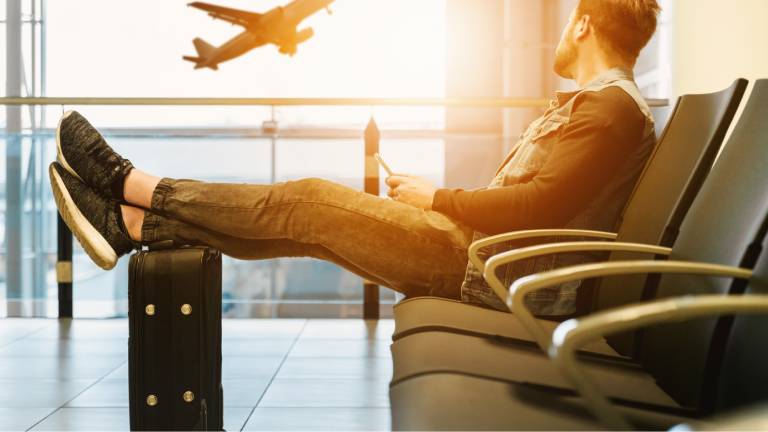
What you wear on a plane decides how you feel for the next several hours, and sometimes for the first day of your trip. A cabin is a strange environment: you sit still for a long time in a narrow seat, the temperature swings from stuffy on the ground to chilly at altitude, the air is dry, and you have to pass through security, sprint to a connection and perhaps sleep upright before you arrive. The wrong outfit makes all of that harder. The right one is almost invisible: you stop thinking about your clothes and get on with the trip. This guide covers the things that are best left at home on flight day, why each one causes trouble, what to wear instead, and how to adjust for long-haul flights, short hops, business trips, hot and cold destinations and flying with children. It is part of our flight booking series, which starts with our guide to the best time to book cheap flights and hotels.
The short answer
Dress in soft, breathable layers that you can add or remove in your seat, and choose clothes that let you sit, bend and sleep without anything digging in. Wear closed, comfortable shoes that are easy to take off and put back on, not high heels, brand-new shoes or flip-flops. Keep metal, jewelry and complicated accessories to a minimum to get through security quickly. Skip strong perfume in a shared, sealed cabin. Carry a warm layer even on a hot-weather flight, because cabins get cold. And pack a spare top and essentials in your carry-on in case your checked bag goes missing or someone spills a drink. If you have not booked yet, compare fares across flexible dates on our flight search.
What makes flight clothing different
A few features of air travel explain nearly every piece of advice below.
- You sit still for a long time. Clothes that feel fine for an hour at a desk can pinch at the waist, knees or ankles after several hours in a seat with limited room to move.
- The temperature changes. A cabin can be warm during boarding on a hot day and cool at cruising altitude, especially at night and near the windows.
- The air is dry. Many travelers notice dry skin, eyes and lips on long flights, which affects fabric and contact lens choices.
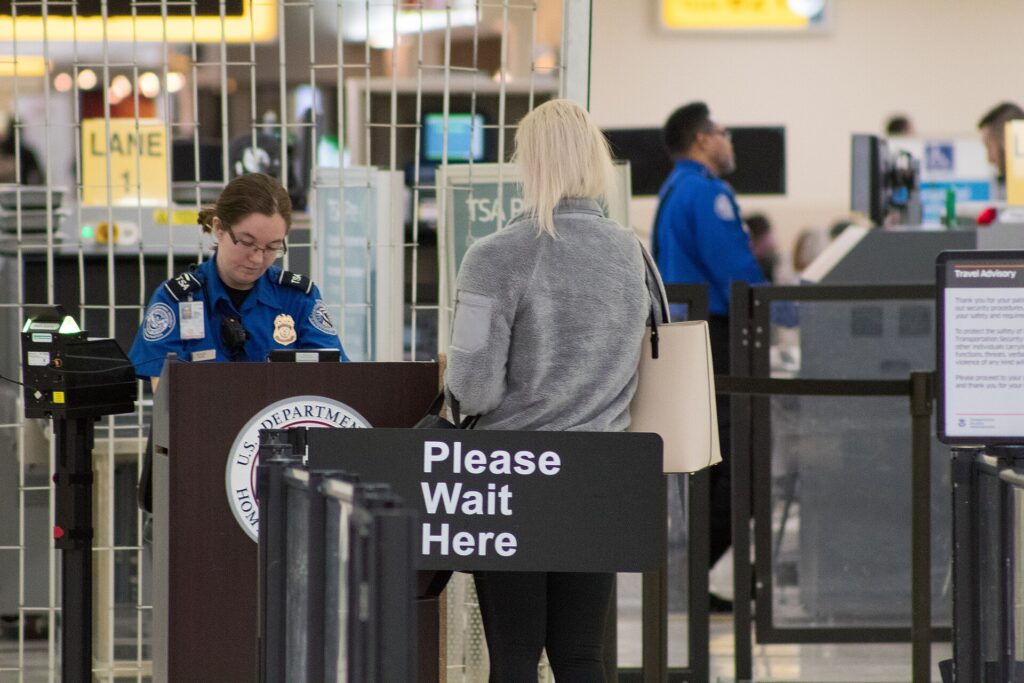
- Security screening is part of the journey. At checkpoints you may be asked to put outerwear, metal items and certain belongings in bins. The Canadian Air Transport Security Authority lists what goes in the bins, including jackets, coats and bulky sweaters worn over your clothes, plus loose change, keys and small metal items.
- Space is tight. You will reach into overhead bins, squeeze past neighbors and use a very small lavatory.
- Safety matters. In the rare event of an evacuation, you need to move quickly in whatever you are wearing. The Federal Aviation Administration’s passenger safety advice specifically tells passengers to remove high-heeled shoes before using an evacuation slide.
Ten things to avoid wearing on a flight
The table gives the quick version. The sections after it explain each one and suggest better choices.
| Avoid | Why it causes trouble | Wear instead |
|---|---|---|
| High heels | Hard to walk long terminals in; must come off for an evacuation slide | Supportive sneakers, flats or loafers |
| Tight or restrictive clothing | Pinches at the waist and knees after hours of sitting | Stretch fabrics and relaxed cuts |
| Heavy or lots of jewelry | Slows security; snags and gets lost | One or two simple pieces; pack the rest |
| Strong perfume or cologne | Trapped in a sealed cabin; can bother neighbors | Unscented or very light products |
| Complicated outfits | Awkward in a tiny lavatory and at security | Simple separates you can manage in seconds |
| Very revealing or beachwear | Cold at altitude; may breach airline rules | Light layers you can remove after landing |
| Noisy fabrics | Rustle every time you move, especially at night | Quiet cotton, jersey and soft knits |
| Stiff or scratchy fabrics | Irritate skin over a long flight | Soft, breathable natural or technical fabrics |
| Flip-flops or brand-new shoes | Poor protection and support; blisters | Closed, broken-in shoes |
| A heavy coat you cannot stow | Takes up bin space and must go through screening | A packable jacket or warm layer |
1. High heels
Heels look sharp but work badly at every stage of a flight. Airports involve long walks, moving walkways, stairs and occasional sprints for connections. Your feet may also feel tighter after hours of sitting, which makes structured shoes less comfortable by the end of the flight. And in an emergency, the FAA’s safety guidance tells passengers to remove high-heeled shoes before going down a slide, which costs precious seconds. Choose supportive sneakers, flats or loafers, and pack heels for your destination if you need them. If you spend a lot of time on your feet when you travel, our guide to comfortable walking shoes for traveling goes into more detail.
2. Tight or restrictive clothing
Skinny jeans, tight waistbands, shapewear and fitted dresses can feel fine when you are standing and become miserable after hours in an economy seat. Anything that digs in at the waist, behind the knees or around the ankles gets worse the longer you sit. Choose stretch fabrics, relaxed or tapered trousers, joggers that look neat, knit dresses with room to move or leggings with a long top. Travel trousers with stretch and useful pockets are a good compromise between comfort and a put-together look; our guide to travel pants for men covers what to look for.
3. Heavy or a lot of jewelry
Large metal jewelry can slow you down at security and may need to go through screening separately. Rings and bracelets snag on seat belts and blankets, necklaces tangle when you sleep, and small pieces are easy to lose in a seat pocket or security bin. Wear one or two simple pieces, and pack anything valuable or sentimental in a small case inside your carry-on rather than in checked baggage. Our pick of travel jewelry cases can help keep it organized.
4. Strong perfume or cologne
Cabin air circulates, but you are still sitting inches from your neighbors for hours. A scent that is pleasant at a party can be overwhelming in a row of three, and some people are sensitive to fragrance. Skip perfume on flight day, or use a very light, unscented moisturizer and deodorant. You can freshen up after landing. If you pack fragrance or toiletries in your carry-on, remember the liquid limits covered in our carry-on guide.
5. Complicated outfits
Jumpsuits, outfits with many buttons, lace-up boots, multiple belts and accessories all look good and all become a problem in a lavatory the size of a closet, at a security checkpoint or during a quick connection. Choose separates you can manage in seconds, shoes you can slip on and off, and a belt with minimal metal, or none at all.
6. Very revealing clothing or beachwear
This is less about modesty than practicality. Short shorts, tank tops and swimwear leave you cold once the cabin cools down, expose skin to seats and armrests, and offer no protection against spilled hot drinks. Airlines also include rules on passenger conduct and attire in their conditions of carriage, and crews can ask passengers to change or cover up if something is considered inappropriate or offensive; the same applies to clothing with offensive slogans or images. Wear light layers you can shed after landing and change into beach clothes at your destination.
7. Noisy fabrics
Some synthetic shells and stiff technical fabrics rustle every time you move. That is irritating in a quiet cabin at night, both for you and for your neighbors trying to sleep. Save your crinkly rain jacket for the destination, or keep it in the overhead bin, and wear quieter fabrics such as cotton, jersey, fleece and soft knits in your seat.
8. Stiff or scratchy fabrics
Rough wool, stiff denim, heavily starched shirts and scratchy seams become more irritating over a long flight, especially in dry cabin air. Soft cotton, merino, modal, bamboo blends and brushed technical fabrics are all comfortable against the skin. If a garment bothers you after an hour at home, it will bother you more at 35,000 feet.
9. Flip-flops and brand-new shoes
Flip-flops and loose sandals offer little support for long walks, little protection if something heavy falls from a bin or a bag rolls over your foot, and poor grip if you ever need to move quickly. Brand-new shoes carry a different risk: blisters, discovered halfway through a connection. Wear closed shoes you have already broken in, with socks. Socks also keep your feet warm and clean when you slip your shoes off in the cabin or at security.
10. A heavy coat you cannot stow
A bulky winter coat has to go through screening, takes up precious overhead bin space and is too hot to wear on board. If you are flying to or from somewhere cold, choose a packable insulated jacket or a fleece and a shell that you can compress into your bag. Many airlines allow a coat in addition to your carry-on allowance, but it still has to fit somewhere. Delta’s carry-on page, for example, lists a jacket among the items you can bring in addition to your carry-on and personal item.
What to wear instead: the comfortable flight outfit
A good flight outfit works on three levels: a comfortable base, a warm middle layer and practical shoes and accessories.
Base layer
Start with a soft, breathable top in cotton, merino or a quality technical fabric, and comfortable trousers with stretch: joggers, travel trousers, soft chinos, leggings or a relaxed knit dress with leggings underneath. Dark colors hide spills and wrinkles, which matters on long trips when you head straight from the airport to a meeting or dinner.
Warm layer
Add a cardigan, zip fleece, light sweater or hoodie that you can take off in seconds. Cabins can be warm while you board and cool once you are in the air, and a layer you control beats relying on a thin airline blanket. A large scarf or wrap doubles as a blanket, a pillow or a sunshade for your eyes.
Shoes and socks
Wear supportive, closed shoes that slip on and off easily, such as sneakers or loafers, with comfortable socks. Screening rules for footwear vary between countries and checkpoints, so easy-off shoes save time wherever you fly. Some travelers bring a spare pair of warm socks to change into on long flights.
Accessories
- A small personal item with your essentials that fits under the seat in front of you.
- A neck pillow and eye mask for sleep. Our guide to airplane pillows compares styles.
- Headphones, ideally noise-cancelling, to cut engine noise. See our pick of noise-cancelling headphones for flying.
- Glasses rather than contact lenses if dry air bothers your eyes on long flights.
- A refillable water bottle, emptied before security and filled afterward, to stay hydrated.
Staying comfortable on long flights
Clothing is only part of a comfortable long flight. Moving regularly matters too.
Get up and walk the aisle when the seat belt sign is off, stretch your legs and flex your ankles in your seat, and drink water. Keep your seat belt loosely fastened while seated, though: the FAA’s turbulence guidance recommends keeping it buckled at all times, because turbulence can happen without warning, even in clear skies.
Some travelers wear compression socks on long flights. If you have a history of blood clots, a recent surgery, pregnancy, a medical condition or any other risk factor, talk to your doctor before a long flight about what is right for you, rather than relying on general advice. The Government of Canada’s travel health and safety pages are a good starting point for health planning before any trip. Our guide to compression socks for long flights explains the options if your doctor recommends them.
For sleep, dress as though you are going to bed on a slightly cold night: soft layers, warm socks and something to cover your eyes. Our guide to sleeping better on flights covers routines, seat choice and light.
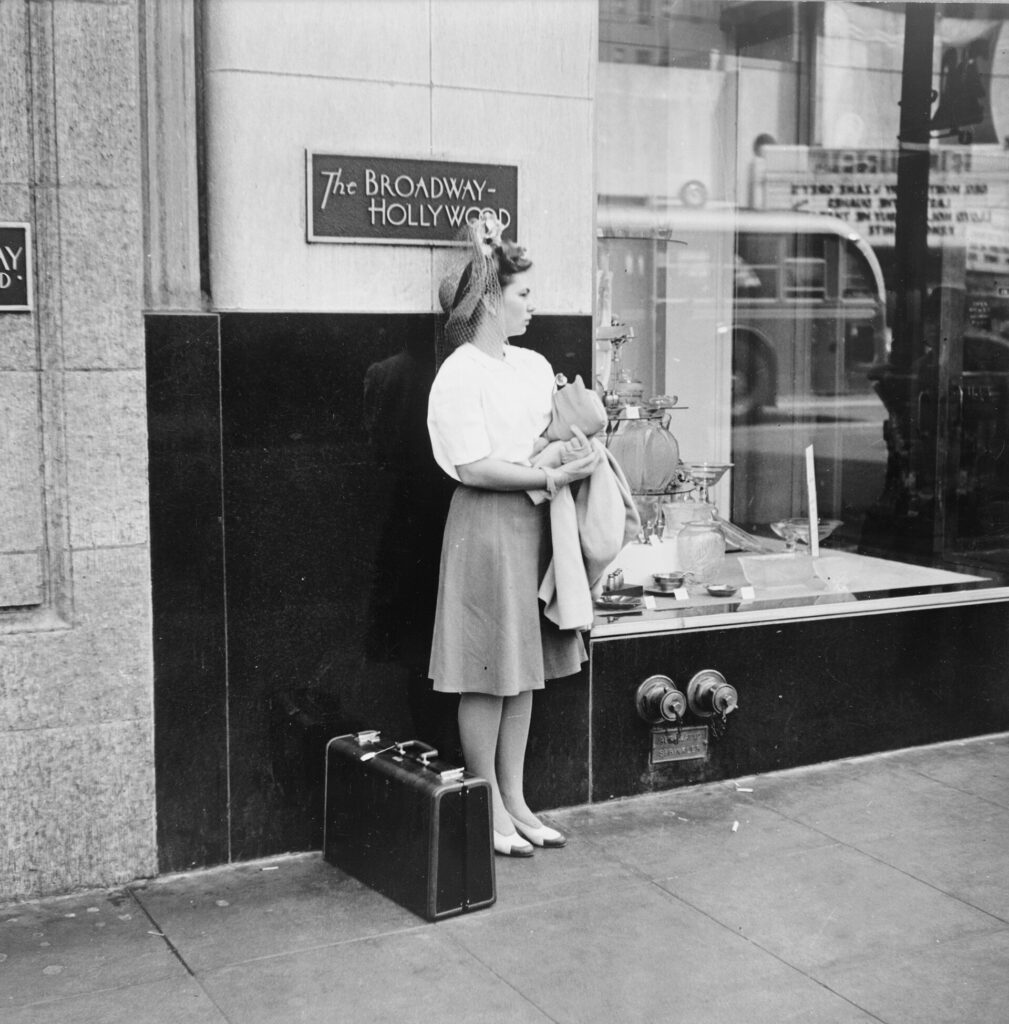
Dressing for your trip: situational advice
Long-haul and overnight flights
Prioritize sleep and temperature control. Soft trousers, a breathable top, a warm layer, warm socks and slip-on shoes are ideal. If you want to look fresh on arrival, pack a clean top, a toothbrush and deodorant in your carry-on and change before landing. Premium cabins on some airlines hand out pajamas; if you are hoping for a flat bed, our guide to the difference between first class and business class explains what each cabin includes.
Short domestic flights
Comfort still matters, but you can dress closer to your normal clothes. The priorities are easy security, comfortable shoes for the terminal and a layer for the cabin.
Business trips
If you are going straight to a meeting, wear comfortable, wrinkle-resistant clothing on the plane and carry your jacket, or change at the airport or your hotel. Dark, stretchy tailoring, knit blazers and travel trousers look professional without the discomfort of a full suit in an economy seat. Keep your meeting outfit in your carry-on, never in checked baggage.
Flying from cold to hot
Wear layers that end in something suitable for the destination: a T-shirt under a sweater under a packable jacket. Stow the heavy layers once you are through security. Leave the parka in the car or at home if someone is driving you to the airport.
Flying from hot to cold
Pack your warm jacket, hat and gloves in your carry-on, not your checked bag, so you are not stuck at a chilly arrivals curb or car rental lot waiting for your luggage. Change into warm socks and closed shoes before landing.
Flying with children
Dress children in soft, comfortable layers that are easy to change, and pack at least one complete spare outfit per child in your carry-on, plus a spare top for yourself. Avoid outfits with many fastenings that make lavatory visits slow. Slip-on shoes help at security for everyone.
Red-eye flights
Treat it as bedtime: comfortable clothes, warm socks, an eye mask and earplugs or headphones. Pack a clean top and toiletries so you can freshen up before a morning arrival.
Getting through security smoothly
Many flight clothing choices come down to security. A few habits save time and stress:
- Put metal items in your bag before the line. Keys, coins, a watch and a phone can go into a jacket pocket or your carry-on while you wait.
- Wear outerwear you can remove quickly. CATSA asks passengers to place jackets, coats and bulky sweaters worn over their clothes in a bin.
- Keep your liquids bag accessible. At some checkpoints with newer scanners you may not need to take it out, but have it ready. CATSA explains when CT-equipped lines let items stay in your bag.
- Choose a belt with little or no metal. Or skip the belt on travel day.
- Check the rules for where you are flying from. Screening procedures differ by country and change over time. Check CATSA for flights from Canada and the TSA for flights from the United States before you fly.
Security lines are only one part of airport timing. Our guide to how early to arrive for an international flight helps you plan the whole journey to the gate.
What to pack in your carry-on, just in case
Even the perfect outfit cannot stop a spilled coffee or a delayed bag. A small backup kit in your carry-on protects the first day of your trip:
- A clean top and underwear, and a full change of clothes for children.
- Any medication you need, in its original packaging.
- Toothbrush, toothpaste and deodorant, within liquid limits.
- A warm layer and socks.
- Chargers and any spare batteries, which generally have to travel in the cabin; the FAA’s PackSafe pages explain the rules for U.S. flights.
- Your meeting outfit or anything you cannot replace quickly at the destination.
Fitting all of this into your allowance takes a little planning. Our guide to carry-on luggage sizes explains dimensions and packing strategies, and our travel luggage guide helps you choose the right bag.
Common flight clothing mistakes
- Dressing for the destination, not the journey. Beach clothes are cold on a plane; a winter coat is hot in a terminal.
- Trying new clothes or shoes on flight day. Discover the scratchy seam or the blister at home, not on board.
- Putting your warm layer in checked baggage. Keep it with you.
- Forgetting the lavatory test. If an outfit takes a minute to manage at home, it will take three in a turbulent lavatory.
- Wearing heavy metal accessories. They slow security and are easily lost in bins.
- Packing no spare clothes. One spill or one lost bag can ruin the first day.
- Ignoring health advice. If you have risk factors for circulation problems, speak to a doctor before a long flight.
Frequently asked questions
What is the most comfortable thing to wear on a plane?
Soft, breathable layers: a comfortable top, stretch trousers or leggings, a warm layer you can remove easily, comfortable socks and closed, slip-on shoes you have already broken in.
Can I wear leggings or sweatpants on a flight?
Yes. They are comfortable and widely worn. Neat joggers or leggings with a longer top look put-together, and they are far more comfortable than tight jeans on a long flight.
Is it okay to wear shorts on a plane?
You can, but cabins often get cold, especially on long or overnight flights. If you wear shorts, bring a warm layer and consider long trousers in your carry-on.
Why shouldn’t you wear high heels on a plane?
They are uncomfortable for long walks through airports, and the FAA’s passenger safety guidance tells passengers to remove high-heeled shoes before using an evacuation slide. Wear flats or sneakers and pack heels.
Should I wear jeans on a flight?
Stretch jeans with a relaxed fit can be fine on a short flight. Stiff or tight jeans become uncomfortable on long flights, when softer trousers are usually the better choice.
Can airlines refuse to let you fly because of your clothes?
Airlines set conduct and attire rules in their conditions of carriage, and crews can ask passengers to change or cover up if clothing is considered offensive or inappropriate. Dressing practically and neutrally avoids any issue.
What should I avoid wearing through airport security?
Lots of metal jewelry, heavy belts, bulky outerwear and shoes that are hard to remove all slow screening. Put metal items in your bag before the line and wear layers you can take off quickly.
Should I wear compression socks on a long flight?
Some travelers find them comfortable, but whether they are right for you is a question for your doctor, especially if you have risk factors for blood clots or other health conditions.
Outfit sorted? Find the best fare for your dates on our flight search, then compare places to stay at your destination with our hotel search. If you are heading somewhere cold this winter, our guide to the best time to fly to Montreal explains what to expect when you land.
Keep planning with TicketScanner
- Best time to book cheap flights and hotels
- Delta carry-on size guide
- How early to arrive for an international flight
- First class vs business class
- Business class upgrade hacks that work
- International flights booking tips
- Compression socks for long flights
- Compare flight prices — see fares across the whole month
- Best time to fly to Montreal
Leave a Reply