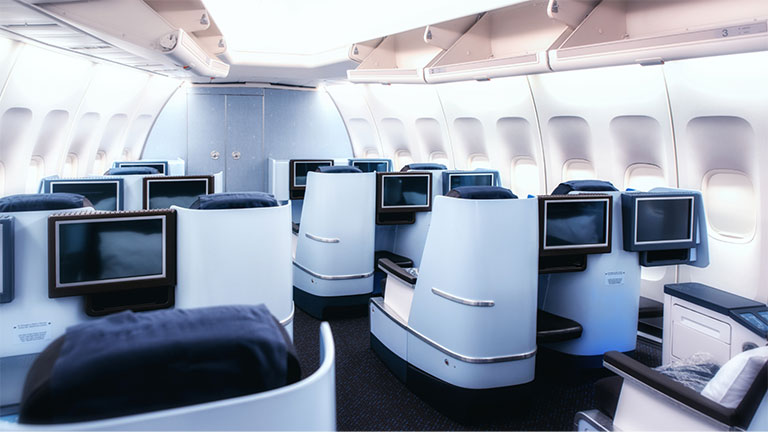
A lie-flat seat on an overnight flight can turn a trip you survive into a trip you enjoy, and it is natural to wonder whether there is a clever way to get one without paying the full business class fare. There is, but it rarely looks like the tricks that circulate online. Nobody reliably talks their way into the front cabin at the gate, and a nice jacket is not a boarding pass. What actually works is understanding how airlines sell and give away premium seats, then putting yourself in the right place at the right moment: on the right fare, on the right flight, with the right offer in front of you or the right points in your account. This guide explains how upgrades really work, the five genuine routes to a better seat, when each one pays off, how to judge whether an upgrade is worth the money, and which popular “hacks” to stop worrying about. It is part of our flight booking series, which starts with our guide to the best time to book cheap flights and hotels.
The short answer
If you only remember a handful of things, make it these. Do not buy the cheapest basic fare if you want any chance of an upgrade, because many airlines exclude those fares from both paid and complimentary upgrades. Price the premium cabin outright before you book economy, because a discounted business fare sometimes costs less than economy plus an upgrade. Watch for paid upgrade offers after you book, in the airline’s app, at online check-in and at the airport, since prices often fall as departure approaches and seats remain empty. Use miles for upgrades only when the numbers make sense, and check which fares are eligible first. Concentrate your flying with one airline or alliance if you fly often enough for elite status to matter, because status is what drives complimentary upgrades. And choose flights where premium seats are likely to go unsold: off-peak days, leisure routes and less popular departure times. Start by comparing fares, cabins and dates on our flight search.
How airline upgrades actually work
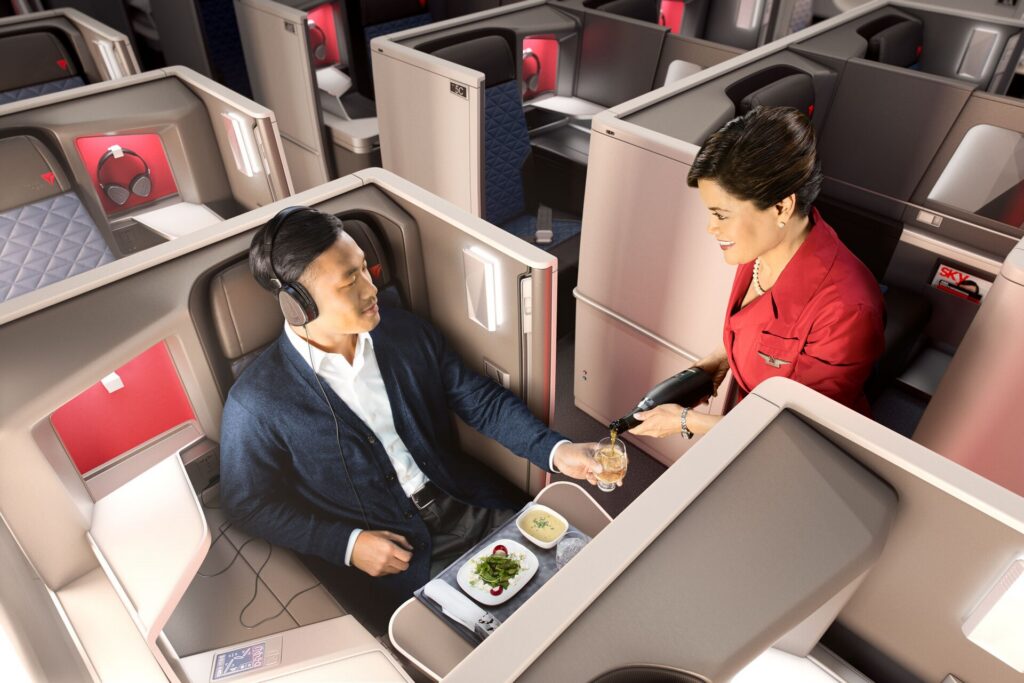
Every premium seat an airline flies empty is revenue it will never get back, so airlines work hard to fill those seats. They do it in a predictable order, and knowing that order explains almost every upgrade tip worth following.
First, they try to sell the seat
The airline’s first choice is to sell a business class seat at a business class fare. Revenue management systems release premium seats at several price levels and watch how quickly they sell. On routes with strong corporate demand, such as weekday flights between major business centers, the front cabin often sells out at high fares. On leisure routes and off-peak days, it may not, and that is where discounted premium fares and cheap upgrade offers come from.
Then they sell it to someone already booked
As departure approaches and seats remain unsold, the airline starts offering them to passengers who have already bought economy or premium economy tickets. These offers appear during booking, in the airline’s app or website after you book, at online check-in, at airport kiosks and sometimes at the gate. Some airlines run an auction instead, inviting passengers to bid for the seat. The price of these offers is set by the airline’s systems and changes with demand, so two passengers on the same flight may be offered different prices on different days.
Then they give it to their best customers
Whatever remains is typically used for complimentary upgrades for elite members of the airline’s loyalty program, and for upgrades booked with miles or upgrade certificates. Airlines rank the list by rules that usually weigh elite tier first, then the fare you paid, then when you requested the upgrade, though each airline sets its own order. Delta, for example, publishes its complimentary upgrade windows by Medallion tier on its Medallion benefits page: higher tiers become eligible earlier before departure. Because programs change, check your airline’s current rules before you count on any of this.
Finally, operational upgrades
Very occasionally, when economy is oversold and premium seats are empty, an airline moves passengers forward to make room. These are rare and usually go to elite members first, so treat one as a pleasant surprise, not a strategy.
The five real routes to a premium seat
Almost every legitimate upgrade comes through one of these five doors. The table compares them before we look at each in detail.
| Route | What it costs | Best for | Watch out for |
|---|---|---|---|
| Buy a discounted premium fare | Cash, sometimes surprisingly close to economy plus extras | Anyone with flexible dates on leisure routes | Fare rules, and whether the “business” seat is actually lie-flat |
| Paid upgrade offer after booking | Cash, priced by demand | Travelers who want certainty before the flight | Fare eligibility and whether the offer covers every flight |
| Upgrade bid or auction | Cash, only if your bid is accepted | Flexible travelers on flights with empty premium seats | Bidding more than the seat is worth to you |
| Miles or points upgrade | Miles, sometimes plus a cash co-pay | Members with a healthy balance and an eligible fare | Limited availability and poor value per mile |
| Elite status or certificates | Your loyalty over a year of flying | Frequent flyers concentrated on one airline or alliance | Long upgrade lists on busy routes |
1. Buy a discounted premium fare outright
The most overlooked upgrade is not an upgrade at all. Premium cabins go on sale, especially on routes where the airline has more business seats than business travelers, and during quieter seasons. Before you buy economy and hope, run the same search in business and premium economy across a range of dates. Flexibility matters here even more than in economy: the same route can carry very different premium fares on different days of the week. Our guide to the best time to book flights and hotels explains the seasons and booking windows, and the same patterns apply to the front of the plane.
When you compare, count everything. A premium fare usually includes checked bags, seat selection, priority check-in and boarding, better food and often lounge access. If you would have paid for bags, a seat and airport food anyway, the true gap between economy and business is smaller than the headline fares suggest.
2. Paid upgrade offers after booking
Once you hold a ticket, keep an eye on the airline’s app and your booking page. Many airlines show a price to move up to the next cabin, and that price is not fixed. On flights where premium seats are selling slowly, offers often become cheaper in the days before departure, and they reappear at online check-in and at the airport kiosk. Delta, for instance, explains on its upgrades page that eligible travelers can upgrade after booking through its website or app, for cash or miles, when a seat is available.
Two cautions. First, read what the offer covers: an upgrade may apply to one flight of a connecting itinerary rather than the whole journey. Second, check how it interacts with changes. If you voluntarily change your flight after upgrading, some airlines do not carry the upgrade over. Delta’s own page says exactly that, so assume the same until your airline tells you otherwise.
3. Upgrade bids and auctions
Several airlines let economy passengers bid for a premium seat, usually by invitation by email or through the booking page after purchase. You name an amount within a range the airline sets, provide payment details, and are charged only if your bid is accepted, typically a day or two before departure or at check-in. Whether you win depends on how many seats are empty, how many other passengers bid and what the airline decides to accept, none of which you can see.
The right way to bid is to decide what the upgrade is worth to you before you look at the range. Ask yourself what you would pay for a lie-flat seat on this particular flight if it were on sale at booking. Bid that, and no more. If your bid fails, you have lost nothing but a little hope. Avoid the temptation to bid near the top of the range out of fear of missing out: at that level you may be paying close to a premium fare while taking the risk of not getting the seat at all, and you could have bought the seat outright with certainty.
Bidding programs come and go, and their rules differ, so look for the offer in your booking and read the terms rather than assuming your airline runs one.
4. Miles and points
Most loyalty programs let you use miles to move up a cabin, either through the website and app or by calling the airline. Some add a cash co-pay, and many restrict upgrades to certain fare classes, which is why the cheapest economy tickets usually cannot be upgraded with miles. Delta’s upgrade page, for example, excludes its basic fares from upgrades with miles and notes that upgrading yourself online requires the whole reservation to be marketed and operated by Delta, while some partner flights can be upgraded by calling reservations.
To judge whether a miles upgrade is good value, compare it with two alternatives: the cash price of the same upgrade, and what those miles would buy as an award ticket. If the miles would otherwise cover a whole economy ticket for another trip, spending them on a short daytime upgrade is usually poor value. On an overnight long-haul flight, where a flat bed can decide whether you are functional the next day, it may be the best use of your balance.
Points from bank and credit card programs can often be transferred to airline programs. That flexibility is useful, but transfers are usually one-way, so never move points until you have confirmed that the upgrade or award seat is actually available.
5. Elite status and upgrade certificates
Complimentary upgrades are the classic perk of airline elite status. They are real, but they are earned through a lot of flying or spending with one airline, and on busy routes the upgrade list can be long. Delta’s Medallion program is a good illustration of how structured these benefits are: its benefits page lists complimentary upgrades to Delta First and Delta Comfort for Medallion members on eligible tickets, excluding its basic fares, with the upgrade window opening earlier for higher tiers, and some top-tier benefits include upgrade certificates that can be requested in advance. The details change from year to year, so read the current page rather than relying on a summary.
Status is worth pursuing only if you already fly enough for it to happen naturally. Buying extra flights just to reach a tier rarely pays off for an occasional traveler, and the money is usually better spent buying a premium fare on the one trip that matters.
Timing: which flights are most likely to have cheap upgrades
Upgrade prices follow the same demand patterns as fares. You cannot see how full a cabin is in every case, but you can make sensible bets.
- Off-peak days and seasons. Midweek flights outside holidays, and the shoulder and low seasons for your destination, tend to have more empty premium seats. The fare seasons in our booking timing guide apply here too.
- Leisure-heavy routes. Flights to beach and holiday destinations often carry few full-fare business travelers, so airlines are more willing to sell the front cabin cheaply.
- Weekends on business routes. A route packed with corporate travelers on Monday morning may have plenty of premium space on Saturday.
- Less popular departure times. Very early and late flights sometimes carry fewer premium passengers than the mid-morning and early-evening banks.
- Close to departure. Paid offers often get cheaper in the final days if seats remain empty, but on popular flights they can also disappear entirely. If a price is one you are happy to pay, taking it is better than gambling.
Avoid counting on upgrades at the busiest times of year. During major holidays, school breaks and big events, premium cabins often sell out at full price, and elite upgrade lists are at their longest.
Fares matter more than any trick
The single most important upgrade decision happens when you choose your fare. Basic economy products have become common, and they are designed for travelers who want the lowest price and accept strict limits. Upgrades are one of the things they usually give up. Delta’s page for Delta Main Basic, its basic economy product, lists paid or complimentary upgrades among the benefits the fare is not eligible for. Other airlines have similar rules.
If there is any chance you will want to upgrade, whether with cash, miles or status, the standard economy fare is often worth the difference. The same logic applies to premium economy: on a long flight, it can be both a worthwhile product in its own right and a stepping stone, since the price to move from premium economy to business is sometimes lower than from economy.
Understanding what you are buying helps here. Our guide to reading your flight details explains fare brands, fare classes and the codes on your booking, and our international flights booking tips cover how to compare fare brands on long-haul routes.
The popular hacks, honestly assessed
A lot of upgrade advice has been repeated so often that it sounds true. Here is how the common suggestions hold up.
Travel solo
There is a sound logic to this one. When a single premium seat is left, it can only go to one person, and a couple or family on one booking may not be moved forward unless there is room for everyone, depending on the airline’s rules. Traveling alone does not make you more deserving; it simply means you need one seat rather than several. If you are traveling with others and only one of you is offered an upgrade, decide in advance whether you would split up.
Dress the part
Looking neat is a good idea, but modern upgrades are mostly decided by software using status, fare and timing, not by an agent scanning the line for good tailoring. Dressing well will not create an upgrade that the system has not assigned. It may help at the margins if an agent is choosing between otherwise equal passengers, but there is no reliable evidence that it moves the odds much. Wear what is comfortable and practical, and if you want ideas, our guide to what not to wear on a flight covers the balance between comfort and looking put together.
Be polite
Always, but not as a tactic. Courtesy makes seat changes and rebooking go more smoothly; it will not override the upgrade list.
Check in early and ask at the gate
Checking in as soon as your window opens has real benefits: you see any paid upgrade offer early, you get a better choice of seats, and on some airlines the time you requested or checked in can play a role in tie-breaking. Asking at the gate costs nothing, and some airlines do sell remaining premium seats there. Keep your request short: ask whether there are any paid upgrades available, accept the answer gracefully, and step aside. If an offer is made, confirm the price before you hand over a card.
Book a premium economy or flexible fare
The original version of this guide suggested that premium or flexible fares can come with upgrade options. That is broadly right: higher fares tend to rank ahead of cheaper ones on upgrade lists, are more often eligible for miles upgrades, and sometimes come with cheaper paid upgrade offers. The exact benefits depend on the airline, so check the fare rules at booking.
Is an upgrade actually worth it?
A premium seat is a luxury on some flights and nearly a necessity on others. A simple framework helps you decide how much to pay.
Price it by the hour of useful sleep
On an overnight transatlantic or transpacific flight, business class buys you a flat bed and the chance to arrive rested. Divide the upgrade price by the hours of sleep it gives you and compare it with what a hotel night costs at your destination. If you would otherwise lose most of your first day to exhaustion, the value can be high. On a two-hour daytime hop, the same money buys a wider seat, a snack and priority boarding, which is pleasant but rarely life-changing.
Count what comes included
Premium tickets often include checked bags, lounge access, priority security at some airports and better meals. If you were going to pay for two checked bags and eat at the airport, subtract those costs from the upgrade price. Delta’s page for Delta First lists up to two free checked bags among its benefits, for example, and its Delta One page describes lie-flat seats on international and select long-haul domestic routes. Check the current inclusions for your fare, because airlines increasingly sell stripped-back versions of premium cabins too.
Know what seat you are buying
“Business class” covers a huge range of products. On a long-haul widebody, it usually means a lie-flat seat; on a short-haul flight in North America, the premium cabin is usually a wider recliner branded as first class; on many European short-haul flights, business class can mean an economy seat with the middle seat kept empty. Before you pay for an upgrade, look at the seat map and the aircraft type. Our guide to the difference between first class and business class explains how to tell what you are really getting.
Consider the alternatives
Sometimes a smaller spend solves the real problem. An extra-legroom economy seat, a premium economy seat or even a well-chosen standard seat can make a long flight far more bearable for a fraction of the price. Delta’s Delta Comfort, for instance, adds extra legroom, earlier boarding and dedicated overhead bin space without the cost of a premium cabin.
Lounges: the upgrade you can sometimes buy separately
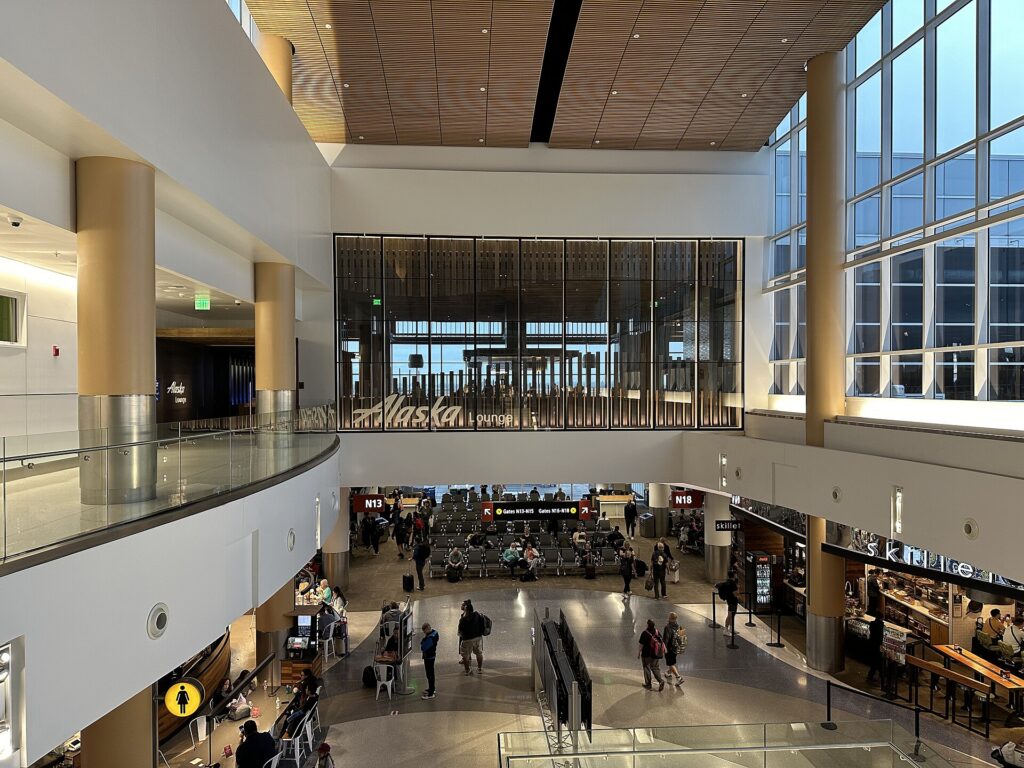
For many travelers, the best part of business class happens before the flight. A quiet lounge with food, showers and reliable Wi-Fi can transform a long connection. Premium tickets usually include lounge access on international flights, but you do not always need the ticket to get the lounge. Depending on the airline, you may be able to buy a day pass, access lounges through an airline membership, or get entry through certain credit cards or elite status. Rules differ widely and change often, including exclusions for basic versions of premium fares; Delta’s Delta One page, for example, notes that some lounge access excludes its basic business fare. If lounge access is the main thing you want, price it on its own before paying for a full upgrade.
A step-by-step plan for your next long flight
- Search economy, premium economy and business together. Compare the full prices across flexible dates on our flight search, and note how much the premium cabins cost on different days.
- Look at the aircraft and seat map. Confirm that the business seat on your flight is actually lie-flat if that is what you are paying for.
- Choose an upgrade-friendly fare. If you are buying economy, avoid the basic fare so that paid, miles and status upgrades remain possible.
- Credit the flight to one program. Put your frequent flyer number on the booking so you earn miles, receive offers and appear on any upgrade list you qualify for.
- Watch for offers. Check the airline’s app and your booking page periodically, especially in the week before departure and when online check-in opens.
- Bid sensibly if invited. Decide what the seat is worth to you and bid that, not the maximum.
- Check in as soon as the window opens. Review any offer, choose the best available seat and confirm your upgrade status.
- Enjoy whatever seat you end up in. Pack for comfort either way: layers, a good pillow and headphones make economy much better. Our guide to airplane pillows and our pick of noise-cancelling headphones for flying are good places to start.
Upgrades on connecting and partner flights
Each flight on a connecting journey is usually handled separately, so you might be upgraded on the long-haul flight but not the short connection. The operating airline controls the seat, which means upgrades on partner-operated flights are often more limited; Delta’s upgrade page draws exactly this distinction. Keep connections on one ticket so delays are protected and your requests stay attached to the whole journey, and leave extra time if you hope to sort out an upgrade at check-in. Our guide to how early to arrive for an international flight gives realistic timings.
Common upgrade mistakes
- Buying basic economy and hoping. Most basic fares are excluded from upgrades entirely.
- Paying for an upgrade on a short flight that you would not buy at booking. Decide your price first so the moment does not decide for you.
- Bidding the maximum. At that level, buying the premium fare outright may have been cheaper and certain.
- Spending miles at poor value. Compare the miles cost with the cash price and with what the miles would buy as an award.
- Transferring points before confirming availability. Transfers are usually irreversible.
- Not checking the seat. Paying for “business” and getting an economy seat with an empty middle is a common disappointment on short routes.
- Changing your flight after upgrading. Some airlines do not carry an upgrade over to a new flight.
Frequently asked questions
What is the cheapest way to fly business class?
Usually a discounted business fare on a leisure route or an off-peak date, found by searching flexible dates in the premium cabin from the start. Paid upgrade offers and bids can also be good value on flights with empty premium seats, and miles upgrades can work well on overnight flights if your fare is eligible.
Can you still get a free upgrade just by asking?
Rarely. Complimentary upgrades mostly go to elite members according to published rules. Asking at check-in or the gate about paid upgrades is reasonable and costs nothing, but a free upgrade for a polite request is not something to plan around.
Does dressing well get you upgraded?
There is no reliable evidence that it does. Upgrades are mainly decided by status, fare and timing. Dress neatly and comfortably because it makes travel pleasant, not because it will move you forward.
Can I upgrade a basic economy ticket?
Often not. Many airlines exclude basic economy from paid, miles and complimentary upgrades. Delta, for example, lists upgrades among the benefits its basic fare does not include. Check your airline’s fare rules before you buy.
When do upgrade offers appear?
At booking, in your booking page or the airline’s app afterward, at online check-in and sometimes at airport kiosks or the gate. Prices can drop as departure approaches if seats remain unsold, but on busy flights they can also disappear.
Are upgrade bids worth it?
They can be, if you bid what the seat is genuinely worth to you and treat a rejection as no loss. Bidding near the maximum rarely makes sense, because you might have bought the seat outright for a similar price.
Is it better to use miles for an upgrade or a free flight?
It depends on the value. Compare the miles price of the upgrade with the cash price of the same upgrade and with what an award ticket would cost in miles. Upgrades tend to be the better use on long overnight flights, where a flat bed makes the most difference.
Do elite members always get upgraded?
No. Even elite members depend on seat availability, their tier relative to others on the list and their fare. On busy routes and at peak times, many elites do not clear.
Ready to see what a premium seat really costs on your route? Compare economy, premium economy and business fares across flexible dates on our flight search, then find somewhere to recover in comfort with our hotel search. For the timing that makes every fare cheaper, start with our guide to the best time to book cheap flights and hotels.
Keep planning with TicketScanner
- Best time to book cheap flights and hotels
- First class vs business class
- International flights booking tips
- Flight details, decoded
- How early to arrive for an international flight
- What not to wear on a flight
- Delta carry-on size guide
- Compare flight prices — search economy and premium cabins
- Best time to fly to London
Leave a Reply