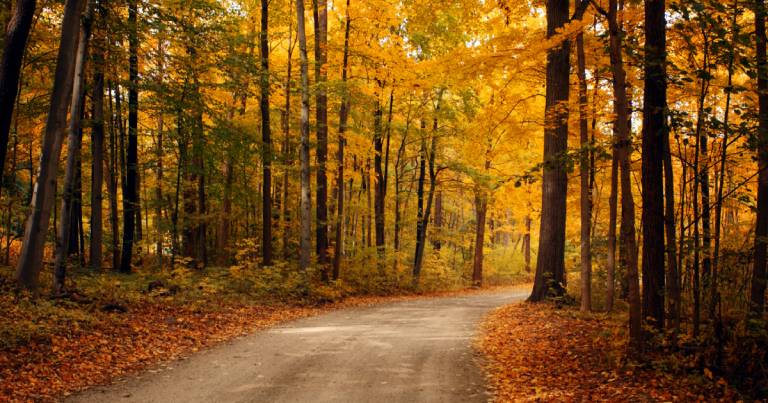
Fall is Europe’s best-kept open secret. The summer crowds thin out after the school holidays, room rates and transatlantic fares ease, the Mediterranean is still warm enough to swim in September, and the countryside turns gold just as the harvest brings wine, truffles and festivals to the table. City museums are quieter, restaurants are easier to book, and the light is kinder for photographs. The trade-offs are shorter days, more changeable weather in the north, and seasonal closures on some islands and in some mountain resorts as the season winds down. This guide explains how fall travel in Europe works month by month, profiles the destinations that are at their best between September and November, from Oktoberfest in Munich to truffle season in Piedmont, and shows how to plan the flights, rooms and routes so you get the benefits of the season without the pitfalls.
The short answer
In September, go south and to the coast: the Greek islands, Croatia’s Dalmatian coast and southern Italy still have summer weather with fewer people, and Munich hosts Oktoberfest late in the month. In October, go for food, color and culture: Piedmont’s truffle season, Portugal’s Douro Valley after the harvest, Prague and Transylvania in their autumn colors, and Rome and Andalusia in comfortable warmth. In November, choose cities: Paris, London, Vienna and Budapest are at their quietest and cheapest before the Christmas markets open late in the month. Book Oktoberfest and harvest-weekend stays early, keep everything else flexible, and compare fall fares into Europe’s gateways on our flight search.
How fall travel in Europe works
Shoulder season pricing
From mid-September, most of Europe moves out of peak season. The exact timing varies: the Mediterranean coast stays busy into early October, while northern cities quieten as soon as schools go back. Hotels drop their rates, and flights from North America usually become easier to find at reasonable prices once the summer rush has passed. The exceptions are the big events, such as Oktoberfest, major trade fairs and harvest-festival weekends, which can fill every room in town. Our guide to the best time to book cheap flights and hotels covers booking windows in detail.
Weather north and south
Europe is a big continent, and fall means very different things in Lisbon and Edinburgh. In the south, September is often still summer, October is warm and mostly dry, and November brings more rain but mild temperatures. In the north and center, September is pleasant, October is crisp with the best autumn colors, and November is gray, damp and short on daylight. Pack layers and a waterproof jacket wherever you go.
Shorter days and a clock change
Daylight shrinks quickly through the season, especially in the north. European countries end daylight saving time on the last Sunday of October, so evenings get dark noticeably earlier from that point. Plan outdoor sightseeing for the morning and early afternoon, and save museums, food and nightlife for the evenings.
Seasonal closures
On islands and in beach and mountain resorts, many hotels, restaurants and ferry routes run a reduced schedule or close as the season ends, often from late October or November. Great for quiet, not great if you arrive to find the only taverna shut. Check opening dates and ferry timetables before you commit to a remote destination late in the season.
The best places to visit in Europe in fall
1. Munich, Germany: Oktoberfest
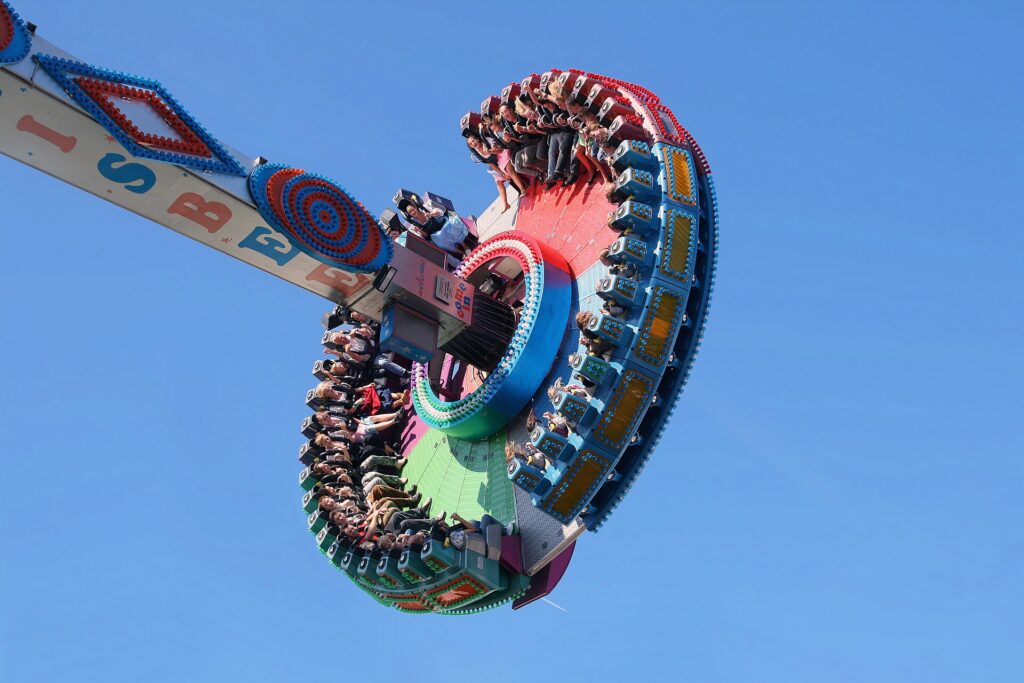
If beer halls, brass bands and Bavarian food are your idea of a good time, Munich in late September is the place to be. Oktoberfest, the world’s largest folk festival, traditionally starts on a Saturday in the second half of September and runs until the first Sunday in October, extended to October 3 when that date falls later. Entry to the grounds is free; you pay for what you eat and drink, and tables in the big tents can be reserved in advance.
- Why go: the beer tents, traditional food, the opening parade and the costume and rifle marksmen’s parade on the first Sunday, and a city in full festival mode.
- Plan ahead: hotel rates rise sharply during the festival and rooms sell out. Book as early as you can, or stay in a nearby town with a fast train link.
- Beyond the festival: the Bavarian Alps, Neuschwanstein Castle and Salzburg are all popular day trips once the festival ends and prices settle.
Dates, tent information and visitor rules are on the official Oktoberfest website.
2. Transylvania, Romania: castles and autumn forests
Transylvania’s medieval towns, fortified churches and Carpathian forests are at their most atmospheric in October, when the hills turn red and gold and Halloween brings a little extra theater to the region’s Dracula connections.
- Why go: Bran Castle, long associated with the Dracula legend; the Saxon old town of Brașov; the hilltop citadel of Sighișoara; and hiking and scenic drives in the Carpathians.
- Getting there: most visitors fly into Bucharest and take the train or drive to Brașov, which makes the best base. Brașov also has its own small airport.
- Getting around: a rental car gives you the most freedom for the villages and fortified churches; trains and buses link the main towns.
Opening hours and ticket information for the castle are on the official Bran Castle website. Romania is part of the Schengen area, and it offers very good value; our guide to budget travel destinations covers more places like it.
3. Santorini and the Greek islands: summer’s afterglow
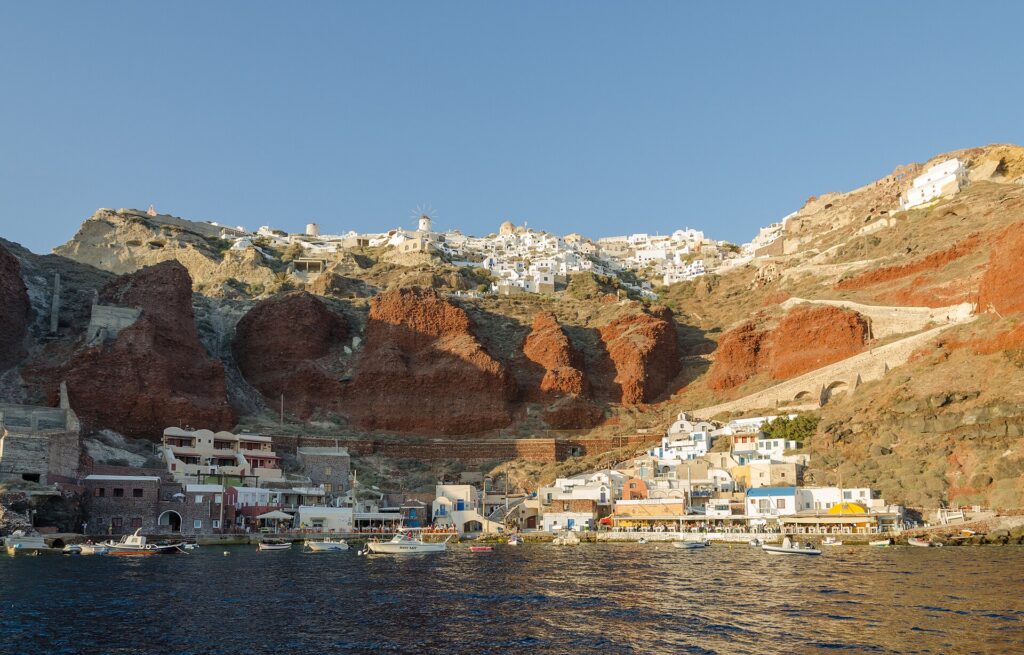
Santorini in July and August is crowded and expensive. In September and early October, the sea is still warm, the sunsets over the caldera are just as spectacular, and the island is noticeably calmer, especially in the evenings once day-trippers leave.
- Why go: sunsets from Oia and Fira, volcanic beaches, wineries, and the whitewashed villages without the peak-season crush.
- Timing: the season winds down through October, and many hotels and restaurants close for winter from about November. Ferry schedules also thin out, so check them before planning an island hop.
- Alternatives: Crete and Rhodes, larger islands with more year-round life, stay warm into late fall.
The Greek National Tourism Organisation’s Visit Greece site covers the islands and the mainland.
4. Piedmont, Italy: truffle and wine season
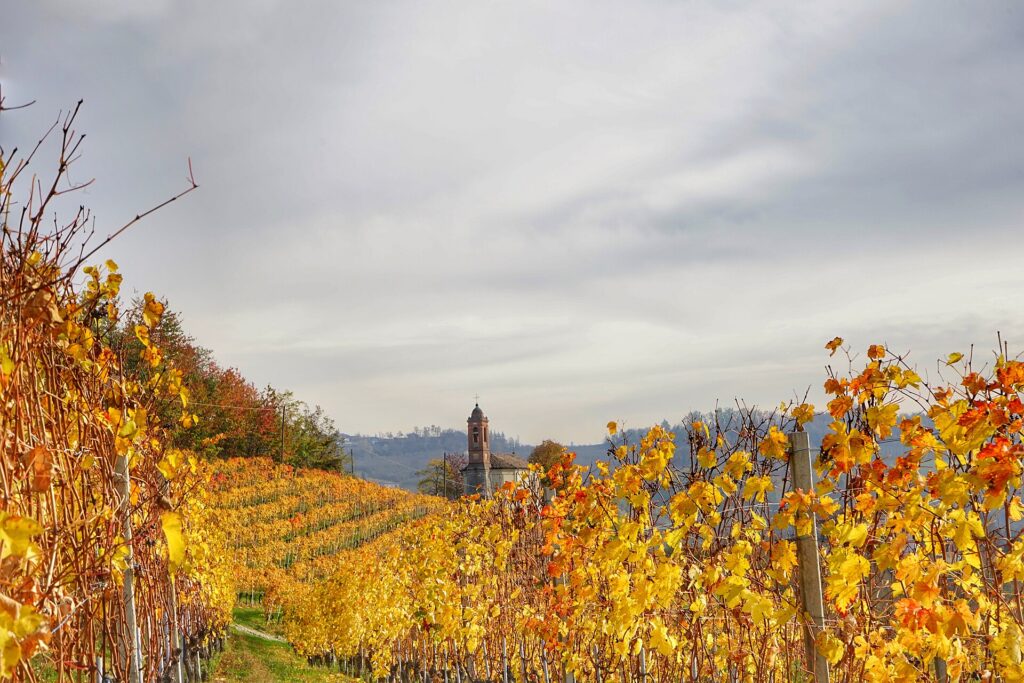
Piedmont, in Italy’s northwest, is where fall becomes a feast. The grape harvest in the hills of the Langhe and Roero brings the region’s famous reds into the cellars, and the white truffle season begins, celebrated at the International White Truffle Fair in Alba on weekends from October into early December.
- Why go: truffle markets and tasting menus, wine tasting in Barolo and Barbaresco country, hill towns wrapped in autumn fog, and Turin’s elegant cafés and museums.
- Getting there: fly into Turin or Milan and rent a car; the wine villages are hard to reach by public transport.
- Plan ahead: fair weekends are busy in Alba, and top restaurants book up. Consider staying in a smaller village nearby.
Italy’s official tourism portal, Italia.it, has regional itineraries for Piedmont and beyond.
5. Prague, Czech Republic: a fairytale city in autumn
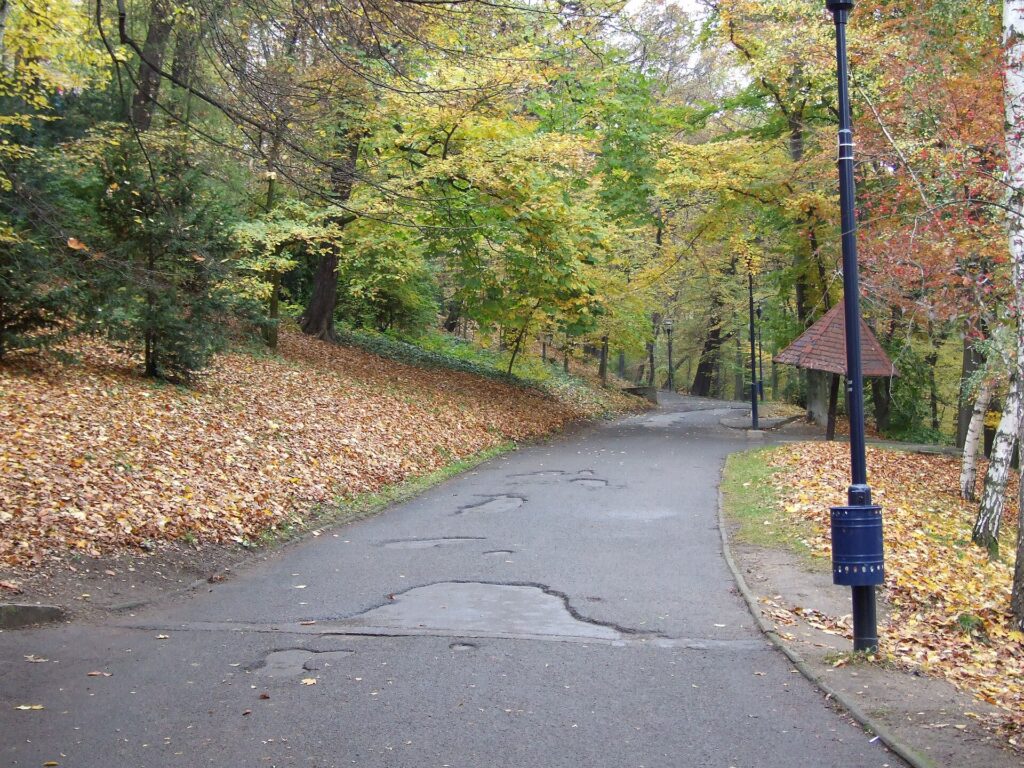
Prague’s spires, bridges and hillside gardens look their best with a backdrop of autumn color, and October and November bring much thinner crowds on Charles Bridge and in the Old Town than summer does.
- Why go: Prague Castle, the Old Town Square and its astronomical clock, Charles Bridge at dawn, the gardens and viewpoints of Petřín Hill, and the city’s beer halls and cafés as the evenings cool.
- Value: the Czech Republic uses the koruna rather than the euro, and everyday costs remain lower than in many western capitals.
- Combine it: Vienna, Berlin and Budapest are all reachable by train, making Prague a natural stop on a longer route.
The city’s official tourism site, Prague.eu, lists fall events and exhibitions.
6. Rome, Italy: warm days, fewer crowds
October is one of the best months of the year in Rome. The heat of summer has broken, evenings are pleasant for dining outdoors, and the lines at the Vatican Museums and Colosseum, while never short, are more manageable than in July.
- Why go: the ancient sites in comfortable weather, fall food like artichokes and chestnuts, and day trips to the countryside for the grape and olive harvest.
- Plan ahead: book timed entry for the Colosseum and the Vatican Museums, even in shoulder season.
Our guides to things to do in Rome, the best time to fly to Rome and getting around Rome cover the details. Compare flights to Rome and rooms in neighborhoods like Trastevere.
7. Paris, France: the city after the summer
Parisians call September the rentrée, when the city comes back from its August holidays and cultural life restarts. Fall brings new exhibitions, the gardens turning color, and the European Heritage Days in September, when many normally closed buildings open to the public.
- Why go: museums and galleries at their best, café terraces in mild weather, and more reasonable hotel rates than in summer outside trade fairs and fashion weeks.
- November: one of the quietest months, and a good time for museum-focused trips at lower prices.
See our guides to things to do in Paris and the best time to fly to Paris, then compare flights to Paris and Paris hotels.
8. London, England: theater season and autumn parks
London’s parks, from Hyde Park to Richmond Park, turn gold in October, and the city’s theater and concert calendar is in full swing. Weather is changeable, but many of the best things to do are indoors, and many of the major museums are free.
- Why go: West End shows, free museums, autumn walks in the royal parks, and Bonfire Night fireworks around November 5.
- Entry: visitors from Canada and the US need a UK Electronic Travel Authorisation before traveling.
Our guides to things to do in London, the best time to fly to London and getting around London help you plan, and you can compare flights to London for your dates.
9. Porto and the Douro Valley, Portugal: harvest time
The terraced vineyards of the Douro Valley, where port wine comes from, are one of Europe’s most spectacular wine landscapes, and the harvest usually runs from September into early October. Afterward, the vines turn red and gold.
- Why go: quinta visits and tastings, river cruises and the scenic Douro railway line, then Porto’s riverside, tiled churches and port lodges.
- Getting around: trains run up the valley from Porto; a car or a guided tour reaches more of the quintas.
- Combine it: Lisbon is about three hours south by train.
The official site, Visit Portugal, has regional guides.
10. Seville and Granada, Spain: Andalusia without the heat
Andalusian summers are fierce. By October, the heat has eased into warm, sunny days that are perfect for exploring Seville’s cathedral and old quarters, and Granada’s Alhambra.
- Why go: the Alhambra and the Albaicín in Granada, the Real Alcázar and tapas bars of Seville, and the white villages of the countryside.
- Plan ahead: Alhambra tickets are limited and sell out well ahead, even in fall. Buy them from the official seller as soon as your dates are firm.
11. Dubrovnik and the Croatian coast: September sea
Croatia’s Dalmatian coast is packed in July and August. In September, the sea is still warm, the old towns of Dubrovnik and Split are calmer, and ferries and boat trips to the islands are still running.
- Why go: Dubrovnik’s city walls, Split’s Roman palace, swimming off the rocks, and island trips to Hvar and Korčula.
- Timing: as with the Greek islands, services thin out after October.
12. Vienna and Budapest: coffeehouses, baths and the first markets
Late fall is the season for Central Europe’s indoor pleasures: Vienna’s coffeehouses, concert halls and museums, and Budapest’s thermal baths, which feel best when the air outside is cold. The first Christmas markets usually open in mid to late November.
- Why go: classical music and opera, grand cafés, the thermal baths, and lower prices before the holiday season starts.
- Combine them: the two cities are connected by direct trains, and Prague is an easy extension.
If you would rather see holiday lights closer to home, our guide to the best cities for Christmas in the USA covers the North American options.
13. The Scottish Highlands: color and drama
The Highlands in September and October are a study in rust and purple, with heather and bracken on the hills and stags rutting in the glens. It is also a quieter time on roads that are busy in summer.
- Why go: dramatic landscapes around Glencoe, the Isle of Skye and the Cairngorms, whisky distilleries, and Edinburgh’s old town as a gateway.
- Be ready for weather: it changes fast, and daylight shortens quickly. Drive in daylight on single-track roads.
More of my work can be found in my personal gallery. via Wikimedia Commons, CC BY-SA 3.0)
Fall in Europe at a glance
| Destination | Best fall window | Why go | Book ahead for |
|---|---|---|---|
| Munich | Late September to early October | Oktoberfest | Hotels, tent reservations |
| Transylvania | October | Castles, forests, Halloween | Rental car |
| Santorini and the Greek islands | September to early October | Warm sea, sunsets, fewer crowds | Ferries, caldera-view rooms |
| Piedmont | October to November | White truffles, wine | Fair-weekend rooms, restaurants |
| Prague | October | Autumn color, value | Little; flexible |
| Rome | October | Warm days, harvest food | Colosseum and Vatican entry |
| Paris | September to November | Exhibitions, heritage days | Rooms during trade fairs |
| London | October to November | Theater, parks, free museums | Show tickets, UK ETA |
| Porto and the Douro | September to October | Harvest, vineyards | Quinta stays, river cruises |
| Seville and Granada | October to November | Pleasant warmth | Alhambra tickets |
| Dubrovnik and Split | September | Swimming, old towns | Island ferries |
| Vienna and Budapest | November | Cafés, baths, first markets | Concert tickets |
| Scottish Highlands | September to October | Landscapes, whisky | Rental car, rural lodging |
How to plan a fall trip to Europe
Flights
Fall fares from North America are often lower than summer fares, but not always on every route, so compare a full month rather than fixed dates. Consider flying into one city and home from another, for example into Munich for Oktoberfest and out of Rome after a week in Italy, to avoid backtracking. Our guide to traveling Europe on a multi-city itinerary covers routes, rail and open-jaw tickets, and our international flight booking tips cover bags and connections.
Where to stay
Outside event dates, fall is a good time to upgrade: rooms that are out of reach in summer often become affordable. Keep rates refundable if your route might change, and compare total prices including city taxes. Search rooms on our hotel search and read our hotel booking tips before you book.
Getting around
Trains cover the cities well. For wine regions, rural Transylvania and the Highlands, a rental car makes a huge difference; compare rates on our car rental search, and read our rental car booking tips for insurance and cross-border rules.
Entry rules
Canadian and US visitors can usually spend up to 90 days in any 180-day period in the Schengen area without a visa. The EU’s Entry/Exit System now registers non-EU travelers electronically at the external border, so allow extra time on your first entry, and an ETIAS travel authorization is due to follow. The UK requires an Electronic Travel Authorisation. Check the official requirements for your passport before you book.
Packing
Layers are everything: a light waterproof jacket, a warm sweater or fleece, and shoes that can handle rain and cobblestones. Bring a swimsuit for the south in September and for thermal baths later in the season. Our guide to comfortable walking shoes for traveling helps with the most important item.
Budget
Fall is one of the best times to stretch a travel budget in Europe. Our guide on how to save money for a trip includes a cost worksheet and a savings timeline, and if you are torn between the classic three countries, our comparison of England, Italy and France helps you decide.
Fall travel mistakes to avoid
- Arriving in Munich during Oktoberfest without a room. Book early or stay out of town.
- Assuming islands are open all season. Check hotel, restaurant and ferry schedules from late October.
- Packing for summer everywhere. A warm September day in Rome can be a chilly evening in Prague.
- Planning long drives after dark. Days shorten fast, especially after the clock change.
- Leaving popular timed tickets to the last minute. The Alhambra, the Vatican Museums and the Colosseum sell out even in shoulder season.
- Ignoring trade fairs and events. A big conference can push city hotel rates to summer levels for a week.
Frequently asked questions
Is fall a good time to visit Europe?
For many travelers it is the best time: fewer crowds than summer, lower prices, warm weather in the south in September and October, harvest festivals and autumn colors. The trade-offs are shorter days and more rain in the north, especially in November.
Where is it still warm in Europe in October?
The south: southern Spain and Portugal, southern Italy and Sicily, Greece and its islands, Malta and Cyprus usually have warm days well into October.
When is Oktoberfest?
It traditionally begins on a Saturday in the second half of September and ends on the first Sunday of October, or on October 3 when that falls later. Check the official website for each year’s exact dates.
Is Europe cheaper in the fall?
Generally, yes. Hotel rates and transatlantic fares usually drop from mid-September, although major events, trade fairs and festival weekends can still push prices up in specific cities.
What is the best European city to visit in November?
Cities with great indoor life: Paris, London, Vienna, Budapest and Prague. November is one of the quietest and cheapest months, and the Christmas markets in Central Europe start to open late in the month.
Where can I see fall foliage in Europe?
Transylvania’s Carpathian forests, the Scottish Highlands, the Douro Valley’s vineyards, Piedmont’s hills, Bavaria and the parks of Prague and London all put on a strong show, usually peaking in October. If you are open to a longer trip, our guide to traveling to Japan covers another famous autumn-leaf destination.
Do I need anything new to enter Europe?
The EU’s Entry/Exit System registers non-EU visitors electronically at the border, an ETIAS travel authorization is due to follow, and the UK requires an ETA. Check the official requirements before you book.
Ready to plan your fall escape? Compare fares into Munich, Rome, Paris, London and Europe’s other gateways on our flight search, then find rooms that are finally affordable after the summer on our hotel search. For more ideas on where your money goes furthest, see our guide to budget travel destinations.
Keep planning with TicketScanner
- Budget travel destinations: the best-value picks
- How to travel Europe on a multi-city itinerary
- England, Italy or France: how to choose
- How to save money for a trip
- Best cities for Christmas in the USA
- Travel to Japan: planning a first trip
- Compare flights to Europe — fall fares often ease after mid-September
- Cheap flights to Rome
- Best time to fly to Paris
Leave a Reply