London does not need selling, but it does need editing. It is a city of nine million people spread across more than 1,500 square kilometres, with two thousand years of history layered on top of each other, a dozen world-class museums that charge nothing to enter, a theatre district that runs more shows in a week than most countries stage in a year, and neighbourhoods so different from one another that Greenwich, Notting Hill and Shoreditch could be three separate cities. First-time visitors tend to make one of two mistakes: they try to see all of it and spend the trip on the Underground, or they stay within a mile of Big Ben and never find out why Londoners love the place. This guide is the edit. It covers the sights that earn a day, the neighbourhoods worth a half-day, the free museums, the parks and the river, the theatre and the football, the food, the day trips that England makes easy, and the practical details that turn a long-haul flight into a good trip.
If you are still comparing cheap flights to London, read this alongside our guides to the best time to fly to London and whether you need a car (you almost certainly do not). Between the three you can plan the whole trip.
London at a glance for first-timers
- Airports: Heathrow (LHR), the main long-haul gateway, is about 24 km west of the centre and connected by the Elizabeth line, the Heathrow Express and the Piccadilly line; Gatwick, Stansted, Luton and London City handle much of the European and low-cost traffic. See our Heathrow airport guide.
- Getting around: the Underground, the buses and the Elizabeth line reach everything in this guide, and you pay by tapping a contactless card or phone with an automatic daily cap. Walking between central sights is often faster than the Tube. Nobody needs a car in London; our transport guide explains why.
- Money: pounds sterling. Contactless payment is accepted almost everywhere, including on buses, which no longer take cash. Prices include 20 percent VAT, and a service charge of around 12.5 percent is usually added to restaurant bills, so no further tip is expected. Tipping in pubs is not customary.
- Weather: mild, grey and changeable in every season, with cool summers and wet, rarely freezing winters. A light waterproof layer is more useful than an umbrella. Our month-by-month guide has the detail.
- Where to stay: Westminster, St James’s and Covent Garden for the sights on foot; South Bank and Southwark for the river and the theatres; Kensington for the museums and the parks; Shoreditch or Camden for nightlife; King’s Cross for a value base with the best transport links in the city. Our hotel booking tips cover how to get the rate down.
Westminster: Big Ben, the Abbey and the palaces
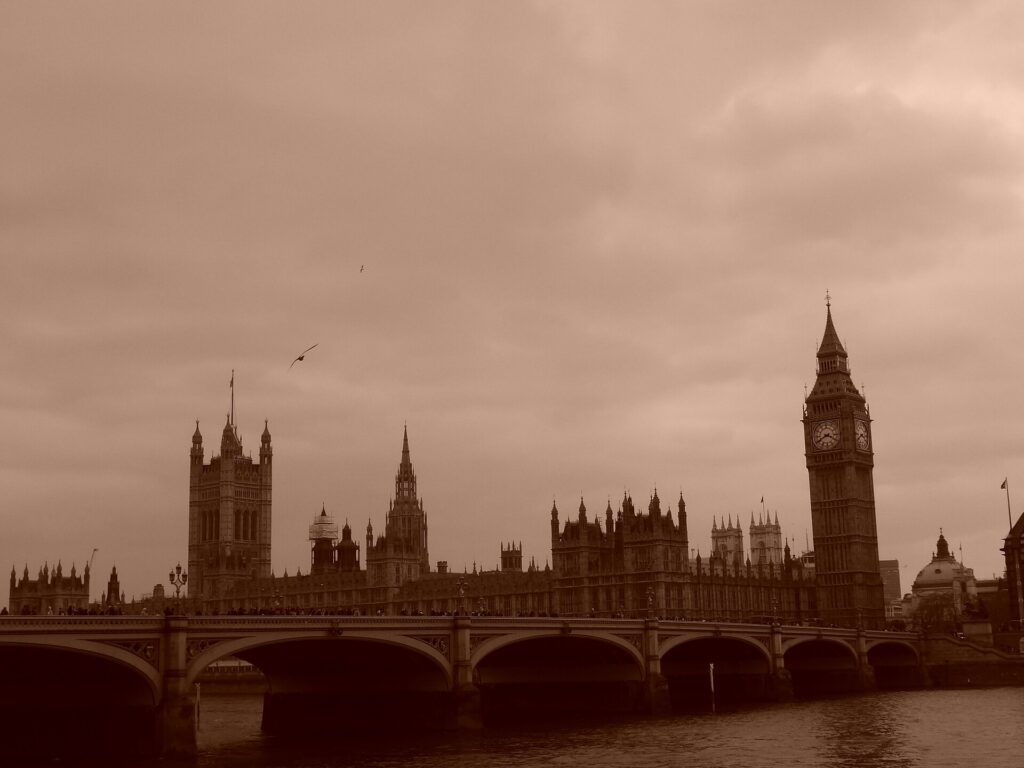
Start where the postcards do. The Houses of Parliament, properly the Palace of Westminster, fill the north bank of the Thames between Westminster Bridge and Lambeth Bridge, and the clock tower that everyone calls Big Ben (the name belongs to the bell) is best seen from the south end of Westminster Bridge in the early morning before the crowds arrive. Across Parliament Square, Westminster Abbey has crowned every English and British monarch since 1066 and holds the graves of Newton, Darwin, Dickens and Chaucer; it is one of the few major sights in London that charges admission, and it is worth it, particularly with the audio guide. A ten-minute walk up Whitehall passes the Cenotaph, Downing Street behind its gates, and the Horse Guards, where the mounted sentries change through the morning, before reaching Trafalgar Square and Nelson’s Column. Off Whitehall, the Churchill War Rooms, the underground complex from which the Second World War was directed, is one of the best museums in the city. From Trafalgar Square, the Mall runs through St James’s Park to Buckingham Palace; the Changing of the Guard takes place on set mornings, the State Rooms open to visitors in summer, and the park itself, with its pelicans and its view of the palace across the lake, is the prettiest in central London.
The South Bank and Bankside: the river walk everyone should take
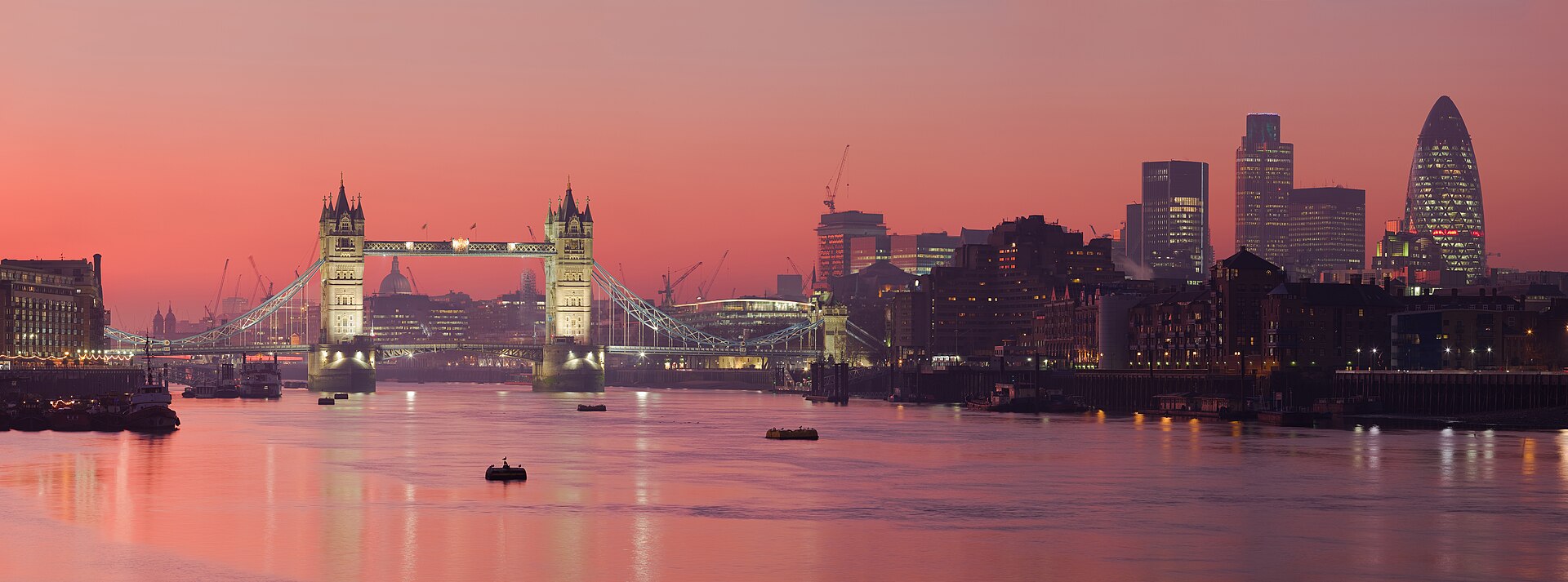
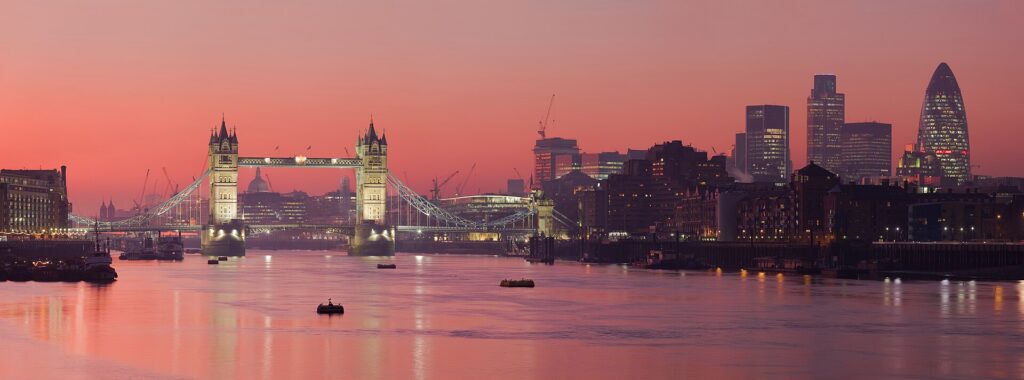
The south bank of the Thames between Westminster Bridge and Tower Bridge is the best walk in London, and it takes about an hour without stops, which nobody manages. It begins at the London Eye, the observation wheel opposite Parliament, passes the National Theatre and the concrete arts complex of the Southbank Centre, with its skateboarders, book market under Waterloo Bridge and riverside bars, and continues past the Oxo Tower to Tate Modern, the power station turned gallery whose Turbine Hall is free to walk into and whose viewing terrace gives one of the best free views of St Paul’s across the river. Next door, Shakespeare’s Globe is a faithful reconstruction of the 1599 theatre; the summer season plays to standing “groundlings” in the open yard for a few pounds, which is the best theatre bargain in the city. Beyond it, under the railway arches by London Bridge, Borough Market has been feeding the city for centuries and is now its most famous food market, at its best on a weekday morning. The walk ends at Tower Bridge, with HMS Belfast moored below it and the Shard, the tallest building in Britain, rising over London Bridge station behind you.
The City and the Tower
The Tower of London is the essential paid attraction, a thousand-year-old fortress that has been a palace, a prison, a mint and a zoo and that still houses the Crown Jewels; book a timed ticket through Historic Royal Palaces, arrive at opening, go straight to the jewels before the queue forms and then join a Yeoman Warder tour. From the Tower, the Square Mile of the City of London, the financial district on the site of the Roman town, is a place of contrasts: medieval churches and livery halls between glass towers with nicknames (the Gherkin, the Walkie-Talkie, the Cheesegrater). The Sky Garden at the top of the Walkie-Talkie is free to visit with an advance booking and gives a better view than most paid decks. St Paul’s Cathedral, Wren’s masterpiece after the Great Fire of 1666, charges admission but the climb to the Whispering Gallery and the dome is one of the great London experiences. The City empties at weekends, which makes Saturday the best day to walk its lanes and the worst to look for lunch; Leadenhall Market and the streets around the Bank of England are at their most atmospheric on a weekday.
The great free museums
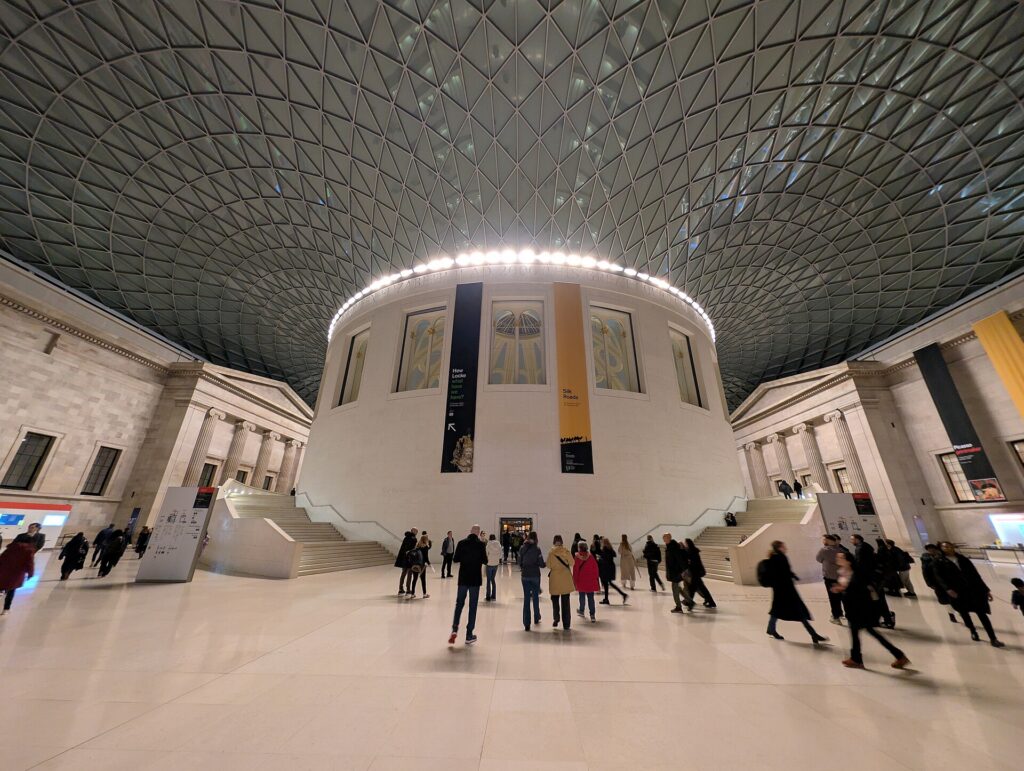
London’s national museums are free, which changes how you use them: instead of one exhausting day, visit two or three for an hour or two each. The British Museum in Bloomsbury holds the Rosetta Stone, the Parthenon sculptures and the Egyptian galleries under Norman Foster’s glass Great Court; go early and pick three rooms. The National Gallery on Trafalgar Square has Van Gogh’s Sunflowers, Turner, Constable and the great Italian collection, with the National Portrait Gallery around the corner. In South Kensington, three museums sit on one street: the Natural History Museum, with its dinosaurs and its cathedral-like Romanesque hall, the Science Museum, and the V&A, the world’s largest museum of design and decorative art, whose café and courtyard are worth the visit alone. Across the river, Tate Britain holds the Turner collection and Tate Modern the contemporary art, with a boat linking the two. Smaller and stranger: the Wallace Collection in Marylebone, Sir John Soane’s Museum in Lincoln’s Inn Fields, the Imperial War Museum in Lambeth, and the Museum of London Docklands on the history of the port. Most charge for special exhibitions and all are busiest on wet weekend afternoons.
Neighbourhoods worth a half-day
Soho and Covent Garden
The West End’s two liveliest districts sit side by side. Covent Garden’s piazza and covered market have street performers, the London Transport Museum and the Royal Opera House; Soho, to the west, is the city’s restaurant, bar and theatre village, with Chinatown at its southern edge and Carnaby Street on its western one. Come for dinner and a show and stay for the pubs.
Notting Hill and Portobello Road
West of Hyde Park, Notting Hill’s pastel terraces and the Saturday antiques market on Portobello Road are the reason the area is so photographed. Go on a Saturday morning for the market, or on a weekday for the quiet streets and the independent shops of Westbourne Grove; in late August the Notting Hill Carnival takes over the whole district.
Shoreditch, Spitalfields and the East End
East of the City, Shoreditch is the street-art, bar and independent-shop quarter, Spitalfields has a covered market and Georgian streets, and Brick Lane has the curry houses, the Sunday market and the bagel bakeries that stay open all night. Columbia Road’s Sunday flower market is a half-hour’s walk north. This is the London that changes fastest, and the best area for a night out.
Camden and Regent’s Park
Camden Town’s markets along the canal are chaotic, touristy and still fun, and the music venues around it launched half of British rock. Walk south along the Regent’s Canal to Regent’s Park, the rose garden and London Zoo, or climb Primrose Hill for the skyline view.
Greenwich
Downriver by boat or on the DLR, Greenwich is a day on its own: the Cutty Sark, the Royal Observatory on the hill where the Prime Meridian is marked in the courtyard, the National Maritime Museum, the Old Royal Naval College and its Painted Hall, the covered market, and the park with the best view of Canary Wharf and the Thames in the city.
Kensington and Chelsea
The museums of South Kensington, Kensington Palace and its gardens, the Royal Albert Hall, the shops of the King’s Road and the riverside at Chelsea Embankment: this is the grand, expensive, well-kept London of the guidebooks, and it is at its best on a sunny afternoon.
Parks, palaces and the river
London has more green space than any comparable capital, and the Royal Parks are the core of it. Hyde Park and Kensington Gardens together form a two-mile stretch of lawns, the Serpentine lake, Speakers’ Corner and the Diana memorial fountain; Regent’s Park has the rose garden and the zoo; St James’s Park and Green Park frame Buckingham Palace; and Richmond Park, in the southwest, is a genuine deer park of ancient oaks and bracken that feels a hundred miles from the city. Hampstead Heath has the swimming ponds and the view from Parliament Hill. The palaces are spread along the river: Kensington Palace in the park, Hampton Court, Henry VIII’s Tudor palace with its maze and gardens, about 35 minutes by train from Waterloo, and Kew Gardens, the world’s most important botanic garden, with its Victorian glasshouses and treetop walkway, on the District line. The Thames itself is a transport route: Uber Boat by Thames Clippers runs a scheduled river bus from Putney in the west past Westminster and the Tower to Greenwich and beyond, accepts contactless payment, and is the most enjoyable way to travel between Westminster, the Tower and Greenwich.
Theatre, music and sport
The West End runs around forty theatres within a few streets of Shaftesbury Avenue and the Strand, with musicals, new plays and the long-runners, and the National Theatre, the Old Vic, the Globe and the Almeida stage the serious drama. Buy on the day at the TKTS booth in Leicester Square or through the theatres’ own sites; matinees are cheaper. Classical music runs at the Barbican, the Southbank Centre, Wigmore Hall and the Royal Albert Hall, where the Proms fill every night from mid-July to mid-September with cheap standing tickets. The O2 in Greenwich is the big arena, and Wembley Stadium and the Tottenham Hotspur Stadium host the stadium shows. For sport, London usually has six or seven clubs in the Premier League, with Arsenal, Chelsea and Tottenham the biggest names and Crystal Palace, Fulham, Brentford and West Ham among the others, and the England national side at Wembley. Rugby is at Twickenham, cricket at Lord’s and the Oval, and the two weeks of Wimbledon in late June and early July are the most famous tennis tournament in the world; the daily ballot and the queue still give walk-up fans a chance. For what is on stage and in the stadiums during your dates, our London events page lists concerts, shows and matches on sale.
What to eat, and where
London’s food has two faces, and both are good. The first is the pub: a Sunday roast with Yorkshire pudding, fish and chips, a pie, a pint of cask ale, in a room that has served the same purpose for two or three hundred years. The riverside pubs in Hammersmith, Wapping and Greenwich, the ancient ones off Fleet Street and in Southwark, and any well-run local in Bloomsbury or Islington will do. The second is the city of immigrants: Indian and Bangladeshi food on Brick Lane and, better, in Tooting and Southall; Turkish grills on Green Lanes and in Dalston; Vietnamese on Kingsland Road; Chinatown and the dim sum houses of Soho; Caribbean in Brixton; Portuguese in Stockwell. Add the markets, with Borough for produce and lunch, Maltby Street for the arches, Broadway Market and Brixton Village at weekends, and the food halls that have opened in every district; the afternoon tea rituals of the grand hotels and the department stores; and a restaurant scene that ranges from the chains everyone loves to some of the world’s best tasting menus. Coffee is now excellent everywhere, and the bakeries of Hackney and Bermondsey are worth a detour on a Saturday morning.
London through the seasons
London works in every season, which is one reason it is among the most visited cities in the world. Winter (December to February) is dark by four but the city dresses for it: the Christmas lights on Regent Street and Oxford Street, the markets on the South Bank, the seasonal ice rinks at Somerset House and elsewhere, Winter Wonderland in Hyde Park, and the January sales. It is also when the museums and the theatres are quietest and the hotel rates lowest. Spring (March to May) brings blossom to the parks, daffodils to St James’s, the Boat Race on the Thames, the London Marathon in April, and the Chelsea Flower Show in late May; the days are long by May and the weather is at its most reliable in the second half of the season. Summer (June to August) is the crowded, expensive, glorious version: Wimbledon, the Proms, open-air theatre in Regent’s Park, the Buckingham Palace State Rooms, swimming on the Heath, and long evenings on the river. Autumn (September to November) is the local favourite, with the parks turning gold, Open House weekend opening buildings that are normally closed, the film festival in October, Bonfire Night fireworks on the fifth of November and the Lord Mayor’s Show on the second Saturday of November. Our month-by-month guide matches the seasons to the fare patterns.
London with kids
London is an outstanding city for children, and much of it is free. The Natural History Museum, with the blue whale in the hall and the dinosaur gallery, and the Science Museum next door, with its hands-on floors and flight gallery, are the obvious full day in South Kensington, and the Diana Memorial Playground in Kensington Gardens is next to them. The Tower of London, with its ravens, armour and Crown Jewels, and HMS Belfast, the warship moored by Tower Bridge, cover a day in the east. The London Transport Museum in Covent Garden lets children climb on old buses and Tube trains. London Zoo in Regent’s Park, the Cutty Sark and the Observatory in Greenwich, a ride on the London Eye, the top deck of a red bus and the front seat of a driverless DLR train through Docklands all work for younger children; the Changing of the Guard is a hit if you arrive early enough to see. The Warner Bros. Studio Tour, the Harry Potter film sets at Leavesden northwest of the city, needs a timed ticket booked well ahead and a train to Watford Junction. Children under eleven travel free on the Tube and buses with an adult, and most restaurants are relaxed about families before seven in the evening.
London on a budget
London is expensive to sleep in and cheap to see. The national museums, the parks, the river walk, the Changing of the Guard, the Sky Garden, the markets, the street art of Shoreditch, the view from Primrose Hill and the ceremonial streets of Westminster all cost nothing. Pay for the Tower, the Abbey and one view, and skip the rest of the ticketed attractions unless one really matters to you. Travel with a contactless card and the daily cap means you will never overpay on transport, and the bus, with its Hopper fare, is the cheapest tour in the city. Eat at the markets, in the pubs and in the neighbourhoods rather than in the West End, and use the supermarket meal deal for lunch, as the locals do. Theatre on the day from TKTS, standing tickets at the Globe and the Proms, and the cheaper seats booked directly with the theatres are far below the headline prices. Hotels are the cost that matters, and the answer is location: stay in Zone 2 near a good Tube or Elizabeth line station rather than in Zone 1, book well ahead for summer, and read our guide to the best times to book before you commit.
Day trips from London
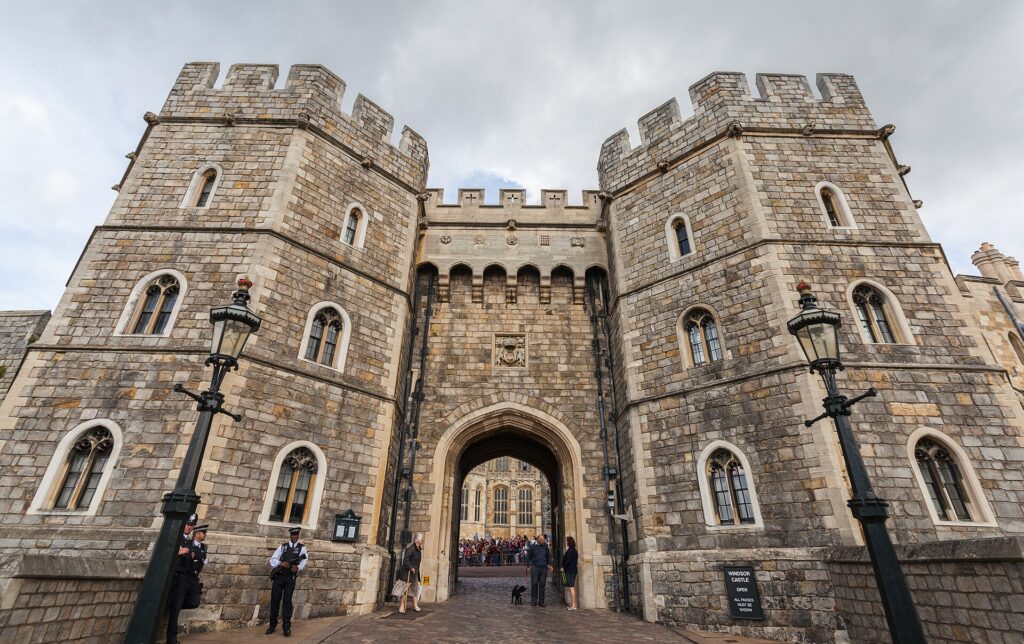
England is small and its railways start in London, which makes the day trips easy and the car unnecessary. Windsor, with the castle that is the monarch’s weekend home and the town beneath it, is under an hour by train from Waterloo or Paddington. Oxford and Cambridge are each about an hour by train, from Paddington and King’s Cross respectively, and both are best seen on foot with a walking tour of the colleges. Bath, the Georgian spa city with its Roman baths, is about an hour and a half from Paddington. Brighton, the seaside city with the pier, the Royal Pavilion and the Lanes, is an hour from Victoria or London Bridge. Canterbury and its cathedral are an hour on the high-speed line from St Pancras. Stonehenge is the one that needs a tour or a train to Salisbury and a bus; English Heritage runs the site and sells timed tickets. Further afield, Paris is a little over two hours by Eurostar from St Pancras, close enough for an overnight, and our Paris guide and Paris flights page cover it; our guide to multi-city trips in Europe explains how to combine the two. For any of these, buy train tickets in advance through National Rail and travel after the morning peak for the cheapest fares. VisitBritain covers the rest of the country.
Two sample itineraries
Two days, on foot and by Tube
Day one: Westminster Bridge at eight for Big Ben without the crowds, the Abbey at opening, Whitehall and the Churchill War Rooms, lunch in St James’s, Buckingham Palace and the park, the National Gallery for an hour, then dinner in Soho and a West End show. Day two: the Tower of London at opening, a walk across Tower Bridge and along the South Bank past Borough Market for lunch, Tate Modern and the Globe, the river bus back to Westminster or on to Greenwich, and a pub dinner by the river.
Four days, with the neighbourhoods
Add a morning in the British Museum and an afternoon in Bloomsbury and Covent Garden, then a day split between South Kensington’s museums, Hyde Park and Notting Hill; finish with Greenwich by boat, or a day trip to Windsor, Oxford or Brighton, and a final evening in Shoreditch.
Practical details
- Transport: tap a contactless card, phone or Oyster card at the gates and on the bus; fares cap automatically each day and each week. Transport for London has the maps and the journey planner; our transport guide explains the zones, the peak hours and the airport options.
- From Heathrow: the Elizabeth line to Paddington and the West End, the Heathrow Express to Paddington in a quarter of an hour, or the Piccadilly line for the cheapest ride. Heathrow’s site covers the terminals, and our Heathrow guide the layout.
- Weather: a waterproof layer in every season, comfortable shoes always, and a warm coat from November to March. The Met Office forecast is the one to trust.
- Time zone: Greenwich Mean Time in winter and British Summer Time from late March to late October; five hours ahead of Toronto and New York and eight ahead of Vancouver for most of the year.
- Entry requirements: Canadian, American and most other visa-exempt visitors now need an Electronic Travel Authorisation before boarding, applied for online in advance. The UK government’s visa checker is the authoritative source and tells you what applies to your passport.
- Safety: a safe city by the standards of any capital; the practical risks are phone-snatching from bikes in the centre and pickpockets on crowded Tube platforms, so keep phones out of sight at the kerb.
Frequently asked questions
How many days do you need in London?
Three full days covers Westminster, the South Bank, the Tower and two or three museums; five lets you add the neighbourhoods and Greenwich; a week gives you a day trip or two and a proper feel for the city.
What is the number one thing to do in London?
Walk the South Bank from Westminster Bridge to Tower Bridge with stops at Tate Modern and Borough Market. It is free, it takes a morning, and it shows you more of London than any single ticketed attraction.
Is London walkable?
The centre is, and most first-time itineraries cover Westminster, the West End, the City and the South Bank on foot with a few Tube rides between them. The outer neighbourhoods need the Tube, the bus or the boat.
Do I need a car in London?
No. Driving in central London involves a congestion charge, an emissions zone, scarce and expensive parking and slower journeys than the Tube. Day trips go by train. Our car-versus-transport guide explains the exceptions.
Is London expensive?
Hotels and drinks are; almost everything else can be done cheaply. The major museums are free, transport is capped, and the markets and pubs feed you well for less than the West End restaurants.
What is London known for?
The monarchy and its palaces, Parliament and Big Ben, the Tower and the Crown Jewels, the West End theatres, the red buses and black cabs, the pubs, the free museums, the Premier League, and a mixture of cultures that makes it one of the most cosmopolitan cities on earth.
Ready to go? Compare flights to London, check the best month to travel before you pick dates, and see what is on in London while you are there, from West End shows to Premier League matches.
Keep planning with TicketScanner
- Cheap flights to London
- Events in London — West End shows, concerts and Premier League matches on sale
- Best time to fly to London: month by month
- London: rent a car or use public transport?
- London Heathrow (LHR) airport guide
- Hotel booking tips — how to get a better rate in an expensive city
- Things to do in Paris — a little over two hours away by Eurostar
- How to plan a multi-city trip in Europe
- Cheap flights from London
Leave a Reply