New York is the busiest air market in North America, and that works in your favor. Three major airports, every large airline, and more routes than any other American city mean that there is almost always a seat somewhere, and that fares are driven less by a shortage of flights than by the city’s own calendar. That calendar is crowded: the holidays from Thanksgiving to New Year, when the whole world seems to want to see the tree and the windows; a summer when international visitors arrive in force; a fall when the weather is perfect and conventions, Fashion Week and the United Nations fill every hotel; and a deep, cold, quiet stretch after New Year when the city is at its cheapest. The flight is rarely the expensive part of a New York trip. The hotel is, and the two do not always peak together. This guide walks through the weather month by month, the fare and hotel seasons, the events that move prices, and how to handle the three airports.
The short answer
For the best balance of weather and price, go in late April to early June, when the parks are green and the heat has not arrived, or in early November, after the fall peak and before the holidays. September and October have the best weather of the year, and New Yorkers will tell you so, but they are also the most expensive months for hotels. The cheapest time to fly and to stay is January and February, after the New Year week, when fares and room rates fall to their annual low and the city’s Restaurant Week and Broadway Week discounts arrive to fill the seats. The most expensive stretches are the weeks from Thanksgiving to New Year, especially mid-December, late September during the UN General Assembly, and the summer for transatlantic flights. Whatever you choose, run a flexible-date search on our New York flights page; a shift of a few days, or a switch between JFK, LaGuardia and Newark, can change the fare band entirely.

New York’s weather, season by season
New York has four distinct seasons and a coastal climate that can swing hard within each of them. Winters are cold and sometimes snowy, with a nor’easter or two most years; spring is brief and changeable; summers are hot, humid and punctuated by thunderstorms; and fall is long, dry and golden. The figures below are approximate seasonal patterns based on the long-term Central Park climate normals from NOAA’s National Weather Service; check the current forecast before you pack, because a week in March or November can hold both a warm day and a snowstorm.
| Month | Typical daytime high | Typical overnight low | What it feels like | Fare pressure |
|---|---|---|---|---|
| January | around 4 °C (39 °F) | around -3 °C (27 °F) | Cold, gray, windy between the towers; snow is possible | Low after New Year’s week |
| February | around 6 °C (42 °F) | around -2 °C (29 °F) | Still cold; often the snowiest month | Low; rises for Presidents’ Day weekend |
| March | around 10 °C (50 °F) | around 2 °C (35 °F) | Raw and changeable; a late snowfall is common | Low to moderate; spring break spike |
| April | around 17 °C (62 °F) | around 7 °C (45 °F) | Blossom month; showers and the first warm days | Moderate; Easter spike |
| May | around 22 °C (71 °F) | around 13 °C (55 °F) | Warm, green, often perfect | Moderate to high |
| June | around 26 °C (80 °F) | around 18 °C (64 °F) | Warm to hot; humidity builds; long evenings | High |
| July | around 29 °C (85 °F) | around 21 °C (70 °F) | Hot and humid; heat waves above 32 °C (90 °F); thunderstorms | High for flights; hotels a little softer |
| August | around 28 °C (83 °F) | around 21 °C (69 °F) | Hot and sticky; locals leave town on weekends | High early, easing late in the month |
| September | around 24 °C (76 °F) | around 17 °C (62 °F) | Warm and settling; the best weather begins | High, with a UN week hotel peak |
| October | around 18 °C (65 °F) | around 11 °C (51 °F) | Crisp, dry and sunny; leaves turn late in the month | High for hotels |
| November | around 12 °C (54 °F) | around 5 °C (42 °F) | Cool and clear, then cold; late foliage in the parks | Moderate; peak around Thanksgiving |
| December | around 7 °C (44 °F) | around 0 °C (33 °F) | Cold and festive; dark by late afternoon | Peak, especially hotels |
Three things the table cannot show. First, the humidity: a July day at 29 °C in New York feels far hotter than the number suggests, the subway platforms are hotter still, and the heat stored in the pavement keeps nights warm. Plan outdoor sightseeing for mornings and evenings in high summer. Second, the wind: in winter the avenues act as wind tunnels, and a day that reads as a few degrees above freezing can feel well below it at a river-facing corner. Third, the storms: summer thunderstorms and winter nor’easters are the two kinds of weather that ground flights at all three airports at once, and the Atlantic hurricane season, which peaks from August to October, occasionally sends the remnants of a tropical storm up the coast.
How New York’s fare seasons work
Three forces set prices for a New York trip. The first is tourism, which peaks in summer for international visitors and at Christmas for everyone. The second is business and conventions, which fill Midtown hotels from Monday to Thursday for most of the year and push fall rates to their highest. The third is competition: with three airports and nearly every carrier in the country fighting for the market, New York fares are often lower than those to smaller cities at the same distance, and a sale on one airline tends to be matched quickly by others. The practical result is that flights and hotels follow slightly different curves. Flights peak in summer and over the holidays; hotels peak in the fall and in December, and are softer in July and August than most visitors expect.
Peak season
The weeks from Thanksgiving to New Year, especially the middle of December, are the most expensive of the year for hotels, with flights also high around the holidays themselves. Late September and October are the other hotel peak, driven by perfect weather, conventions and the United Nations General Assembly, whose high-level week in the second half of September fills Midtown East and closes streets around the UN. June to mid-August is peak for transatlantic and long-haul flights. If you must travel in a peak window, book early, fly mid-week, and consider staying in Brooklyn or Long Island City.
Shoulder season
Mid-March to early June, and early November before Thanksgiving. Late April and May are the sweet spot for weather and value, with Easter and Memorial Day weekend the dates to watch. Early November keeps some of October’s color and crisp weather at noticeably lower hotel rates, although Marathon weekend, on the first Sunday of the month, fills the city.
Low season
From the first full week of January to early March. Fares and hotel rates are at their lowest, the museums and restaurants are at their quietest, and the city runs its best promotions to fill the gap: NYC Restaurant Week and NYC Broadway Week both land in this window. The exceptions are the Martin Luther King Jr. and Presidents’ Day long weekends and the mid-February school break, when domestic travel rises. Build a buffer into connections in case of snow.
As elsewhere, mid-week departures and early or late flights usually price below Friday and Sunday afternoons on the same route, and a search across a whole month reveals cheaper pairs of dates close to your first choice. Our guide to the best times to book explains how to read those patterns.
New York month by month
January
After New Year’s week, the cheapest month of the year, and one of the best for anyone who dislikes crowds. It is cold, with highs just above freezing and the chance of a real snowstorm, but the museums, Broadway and the restaurants are all at full strength and easier to get into. NYC Restaurant Week and Broadway Week usually begin in the second half of the month, and the holiday decorations linger into the first days of January.
February
Still cold, often snowy, and still cheap outside Presidents’ Day weekend (the third Monday of February) and the mid-winter school break that surrounds it. The Lunar New Year celebrations in Chinatown and Flushing, New York Fashion Week and the tail of the winter promotions fill the calendar. A strong value month for a theater-and-food trip.
March
Raw and changeable, with late snow in some years and the first mild days in others. The St. Patrick’s Day Parade up Fifth Avenue on or around March 17 is one of the largest in the world. Spring break brings a spike in family travel through the second half of the month; book around it and March is still good value.
April
The blossom month: magnolias and cherry trees in Central Park and the Brooklyn Botanic Garden, and the first warm afternoons. Easter weekend brings the Easter Parade and Bonnet Festival on Fifth Avenue, a spike in family travel and higher rates. The Broadway season’s spring openings crowd into April ahead of the Tony Awards nominations, which makes it a strong month for new shows. Pack for showers.
May
Often the most pleasant month of the year, and prices reflect it. Central Park is at its greenest, rooftop bars and outdoor dining open in earnest, and Fleet Week brings the Navy to the Hudson piers over Memorial Day weekend (the last Monday of May), the unofficial start of summer and a date to book around.
June
Long, warm evenings, Shakespeare in the Park, the Tribeca Festival, the Tony Awards, free outdoor concerts across the boroughs, and the Pride March on the last Sunday of the month, which draws an enormous crowd. Transatlantic fares are high from the middle of the month as schools finish in Europe and North America. Early June is the value play.
July
Hot and humid, with heat waves and afternoon thunderstorms. The Fourth of July brings the Macy’s fireworks over the East River or the Hudson, depending on the year. Flights are at summer peak, but hotel rates, freed from the business traveler, are often lower than in spring or fall, and the city’s free summer programming, from outdoor movies in Bryant Park to concerts in the parks, is in full swing.
August
The month New Yorkers leave town. It is hot and sticky, the city is noticeably quieter, and hotel rates can be surprisingly reasonable, especially in the second half. The US Open begins in the last week of August at Flushing Meadows and runs into September, lifting demand in Queens.
September
The city comes back from vacation and the best weather of the year begins. Labor Day weekend, New York Fashion Week, the Feast of San Gennaro in Little Italy and, above all, the UN General Assembly high-level week in the second half of the month drive hotel rates to some of their highest levels of the year and snarl Midtown traffic. Fly in the first half of the month if you can.
October
Crisp, dry and sunny, and the favorite month of many New Yorkers. Hotel rates stay high all month. The leaves start to turn in Central Park in the last week, the Village Halloween Parade fills Sixth Avenue on October 31, and Columbus Day weekend brings a small rise in domestic travel. Book well ahead for October hotels.
November
Two months in one. The first three weeks are one of the best-value windows of the year, with cool, clear weather and the last of the foliage in the parks, interrupted only by the New York City Marathon on the first Sunday. Thanksgiving (the fourth Thursday) brings the Macy’s parade and the start of the holiday season, and fares and hotel rates rise sharply around it.
December
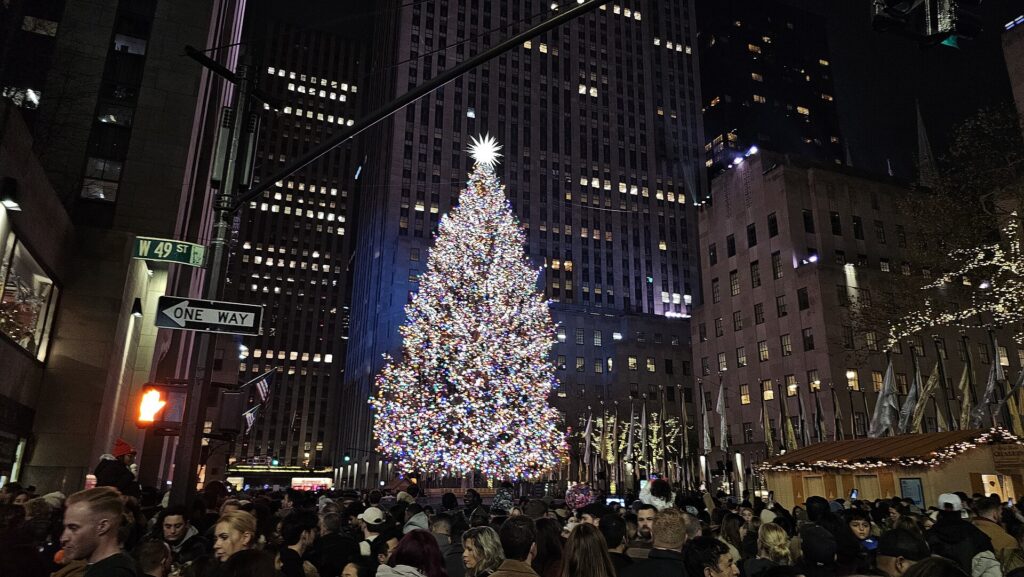
The most expensive month for hotels, and for good reason: the Rockefeller Center tree, the Fifth Avenue windows, the holiday markets in Bryant Park and Union Square, the Radio City Christmas Spectacular, the Nutcracker at Lincoln Center, and New Year’s Eve in Times Square. The first week of December is the least expensive part of the season; the week before Christmas and New Year’s week are the peak. Book as early as you can.
Events that move New York flight and hotel prices
Cross-check these against your dates before you book. Exact dates shift each year; New York City Tourism + Conventions, the official visitor bureau, keeps the current calendar.
- New Year’s Eve in Times Square and the days either side.
- Presidents’ Day weekend (third Monday of February) and the February school break.
- Spring break and Easter (late March to April, varies by year).
- Memorial Day weekend and Fleet Week (late May).
- Pride (last Sunday of June) and the Fourth of July.
- The US Open (last week of August into the first week of September).
- The UN General Assembly high-level week (second half of September): the single most disruptive week of the year for Midtown hotels and traffic.
- The New York City Marathon (first Sunday of November).
- Thanksgiving to New Year, peaking in the week before Christmas.
- Big games and concerts at Madison Square Garden, Yankee Stadium and MetLife Stadium. Our New York events page shows what is on sale for your dates.
Getting in from the airports
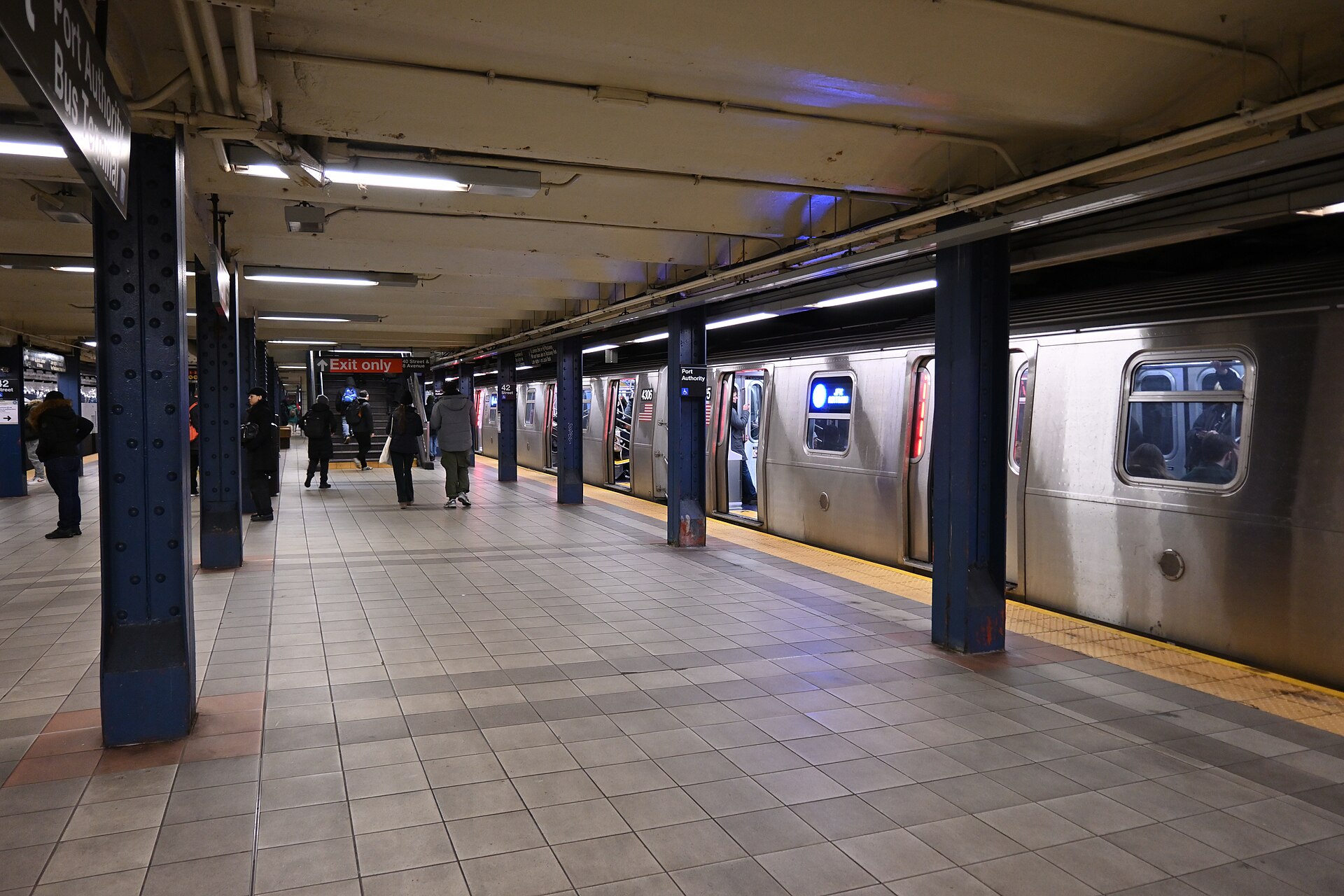
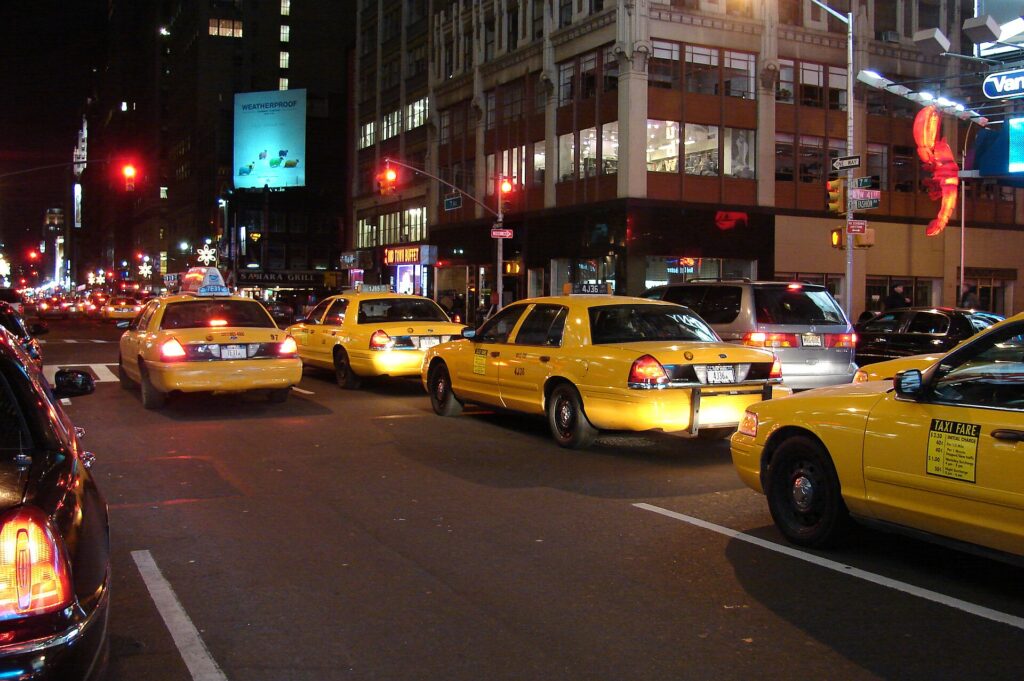
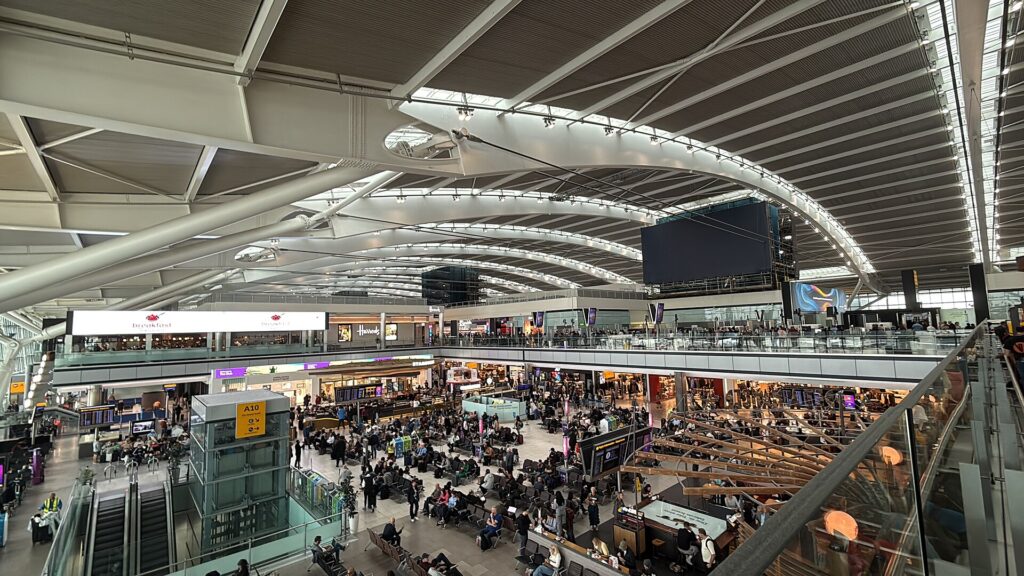
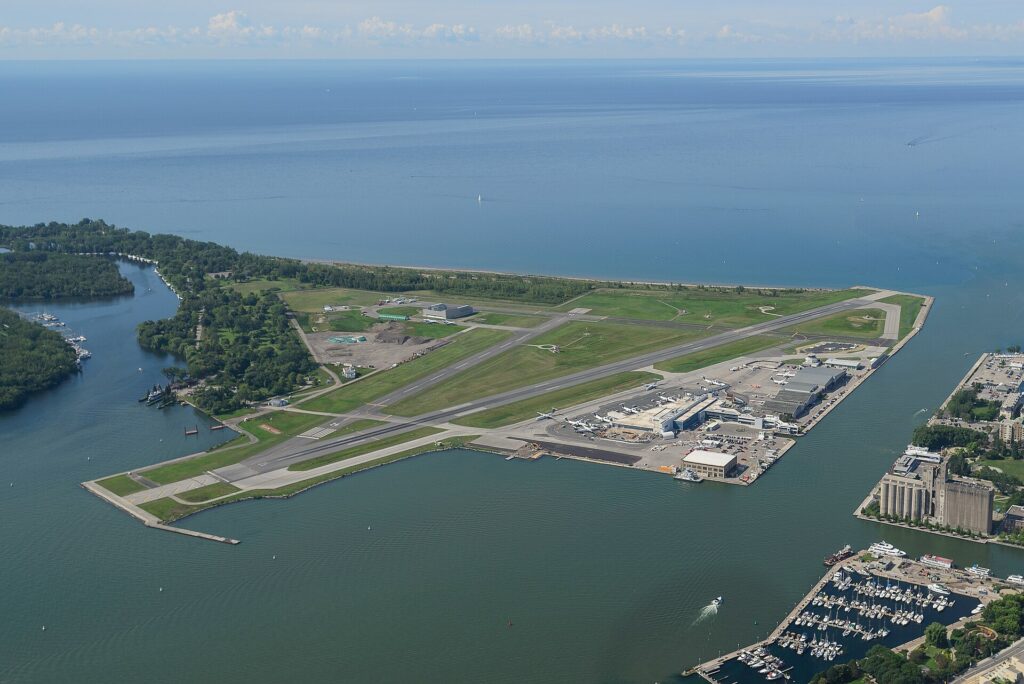
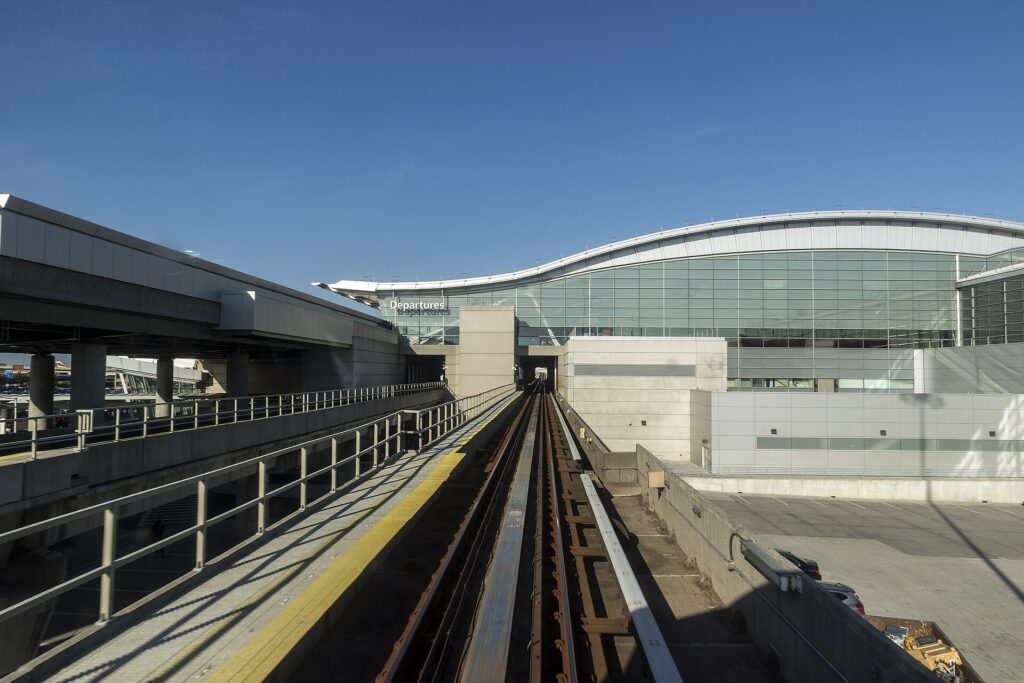
New York has three major airports, and choosing between them is one of the best ways to save. John F. Kennedy International (JFK), in southeast Queens about 24 kilometers (15 miles) from Midtown, handles most long-haul international flights and is in the middle of a multi-year rebuild, with new terminals opening in phases. The AirTrain links every terminal to Jamaica station, for the Long Island Rail Road to Penn Station or Grand Central Madison and the E train, and to Howard Beach for the A train; yellow taxis charge a flat fare to Manhattan plus tolls and surcharges, and the drive takes 45 minutes to well over an hour depending on traffic. LaGuardia (LGA), in northern Queens, is the closest to Midtown and mostly domestic, with rebuilt terminals and bus links to the subway. Newark Liberty (EWR), in New Jersey, is a major hub with its own AirTrain to a rail station on the Northeast Corridor, from which NJ Transit and Amtrak trains reach Penn Station in about half an hour; for the West Side and Lower Manhattan it can be as convenient as JFK. Search all three at once, then weigh the ground transport; our New York car-versus-transit guide covers the options, and our JFK airport guide covers the layout.
Timing tricks that work for New York
- Search all three airports. JFK, LaGuardia and Newark compete on most routes, and the cheapest of the three changes from week to week. A multi-airport search on TicketScanner shows them side by side.
- Price the hotel first in the fall and December. A cheap fare in October or mid-December is not cheap once the room is added. Run a New York hotel search for the same dates before you commit to either.
- Stay over a weekend. Midtown hotels built for business travelers often drop their rates on Friday and Saturday nights, the reverse of most leisure destinations.
- Fly mid-week. Tuesday, Wednesday and Saturday departures are usually cheaper than Friday and Sunday on the busiest domestic routes.
- Avoid the UN week. If your dates fall in the second half of September and rates look strangely high, that is why; move a week either way.
- Build a weather buffer. Thunderstorms in summer and snow in winter cause cascading delays across all three airports; avoid tight connections, and read our guide to how early to arrive for what to allow.
- Combine cities by train. An open-jaw ticket into New York and out of Boston, Philadelphia or Washington, with Amtrak in between, is often no more expensive than a round trip.
- Flying out of New York instead? The same seasonality applies in reverse; see cheap flights from New York.
What to pack, by season
Winter (December to February): a warm, windproof coat, a hat, gloves, a scarf and waterproof boots for slush at the crossings, plus layers you can shed in overheated museums and subway cars. Spring (March to May): layers, a light waterproof jacket and an umbrella; March can still be cold. Summer (June to August): the lightest clothing you own, a refillable water bottle, sun protection and a compact umbrella for the afternoon storms, plus a light layer for aggressively air-conditioned theaters and restaurants. Fall (September to November): a light jacket in September, a warmer one by November. In every season, the most important item is a pair of comfortable walking shoes: a normal day in New York means 15,000 steps or more.
The best time to fly to New York for…
The holidays
The first week of December for the tree, the windows and the markets at lower rates than the weeks that follow; book well ahead if Christmas week or New Year’s Eve is the point.
Good weather
Mid-September to late October, or May. Book the hotel early for fall.
The lowest fares
Mid-January to late February outside the long weekends, with Restaurant Week and Broadway Week as a bonus.
Broadway
Any time, but January and February for the best availability and the two-for-one Broadway Week offers, and late spring for the new season’s openings before the Tony Awards.
Families
Late spring or late August, when the parks and beaches are open and the heat and crowds are more manageable than in July; December for the holiday magic if the budget allows.
International visitors
Travelers from Visa Waiver Program countries need an approved ESTA before they board; most others need a visa. The State Department’s travel site explains what applies to you, U.S. Customs and Border Protection covers arrival, and the TSA lists what you can carry through security.
Frequently asked questions
What is the cheapest month to fly to New York?
January and February, after the New Year week and outside the long weekends. Early March and the first three weeks of November are the next best.
What is the best month to visit New York for weather?
October, with September and May close behind. July and August are hot and humid; January and February are cold.
Which New York airport is best?
Whichever is cheapest and closest to where you are staying. JFK has the most international flights, LaGuardia is closest to Midtown, and Newark is often the easiest for the West Side and Lower Manhattan by train.
How expensive is New York at Christmas?
Very, for hotels: mid-December is the priciest time of the year. Flights rise too, though less sharply. The first week of December offers most of the atmosphere for less.
Is New York crowded in summer?
The landmarks are, with international visitors at their peak, but many New Yorkers leave on weekends, and hotels are often cheaper than in spring or fall.
How far ahead should I book?
Earlier for December, the fall and summer transatlantic flights, when fares tend only to rise; for January to early March, fares are stable enough that finding the right dates matters more than booking early.
Does it snow in New York?
Most winters bring a few snowfalls, usually between December and March, and occasionally a major storm that closes the airports for a day. Many winters are milder than the city’s reputation.
Ready to pick your dates? Compare fares across the whole month on our New York flights page, then find a room with our New York hotel search. For what to do when you land, start with our first-timer’s guide to New York.
Keep planning with TicketScanner
- Cheap flights to New York — compare JFK, LaGuardia and Newark
- New York hotels — book early for fall and December
- Events in New York — Broadway, concerts and games on sale
- Things to do in New York: a first-timer's guide
- New York: car rental or public transit?
- John F. Kennedy International (JFK) airport guide
- Where to stay: Times Square
- Cheap flights from New York
- Best times to book flights and hotels