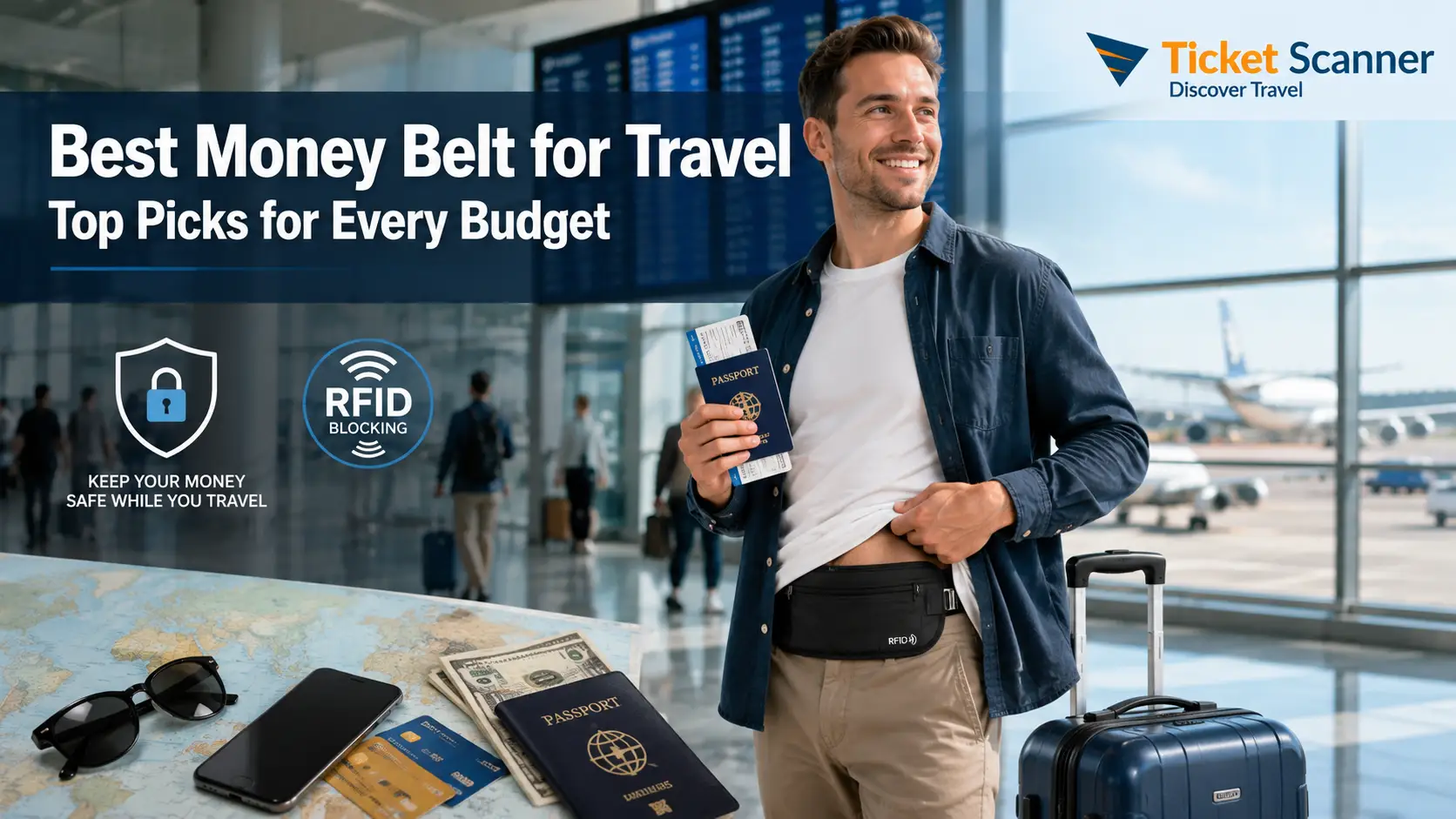
A money belt is one of the least glamorous pieces of travel gear and one of the most reassuring. It is a slim pouch worn under your clothes, against your body, where a pickpocket cannot see it and cannot reach it without you noticing. Used well, it holds the things that would turn a bad day into a ruined trip: your passport, a backup card, emergency cash and a copy of your travel documents. Used badly, it becomes a sweaty lump you dig into at the ticket counter, which tells everyone watching exactly where your valuables are. This guide explains how to choose the best money belt for travel and how to use it properly: what a money belt is for and what it is not for, the alternatives worth knowing, which features matter, how to wear one comfortably in heat, what to carry in it, what happens at airport security, the cash reporting rules at borders, and the money belts from our original list.
The short answer
Choose a slim, flat, breathable money belt that fits your passport, has a sturdy zipper and an adjustable elastic strap, and comes in a color that does not show through light clothing. Wear it under your waistband, at the front or on your hip, and use it only for reserves: passport, backup card and emergency cash. Carry a small daily wallet with a day’s cash and one card for everyday spending, so you never have to open the money belt in public. RFID blocking is a harmless extra, not a deciding feature. If you are crossing a border with a large amount of cash, remember that many countries require you to declare it, however well hidden it is.
What a money belt is for, and what it is not
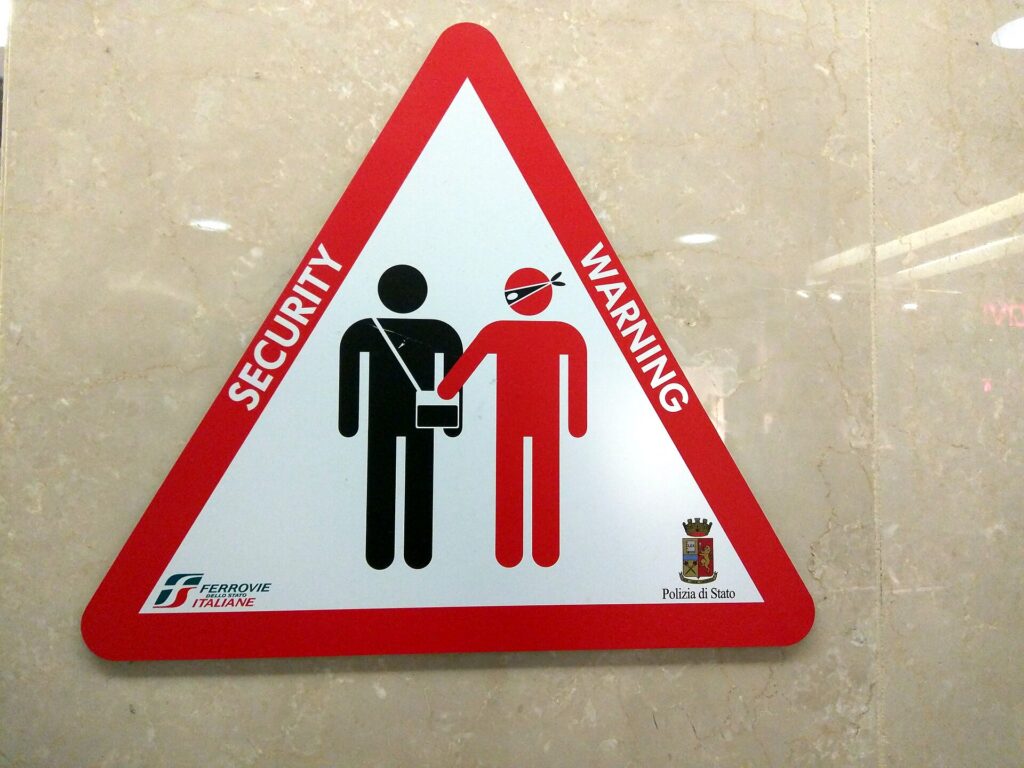
The single most important idea in this guide is that a money belt is a safe you wear, not a wallet. It works because nobody knows it is there. The moment you pull up your shirt to pay for a coffee, that advantage is gone.
A money belt is for:
- Your passport on days when you need to carry it, such as travel days, border crossings and places where you are required to carry ID.
- A backup card from a different account or network than your main card, so one lost wallet does not cut you off from money.
- Emergency cash, ideally in a widely accepted currency, for the day your cards do not work.
- Copies of key documents, such as a photocopy of your passport data page, insurance details and emergency contacts.
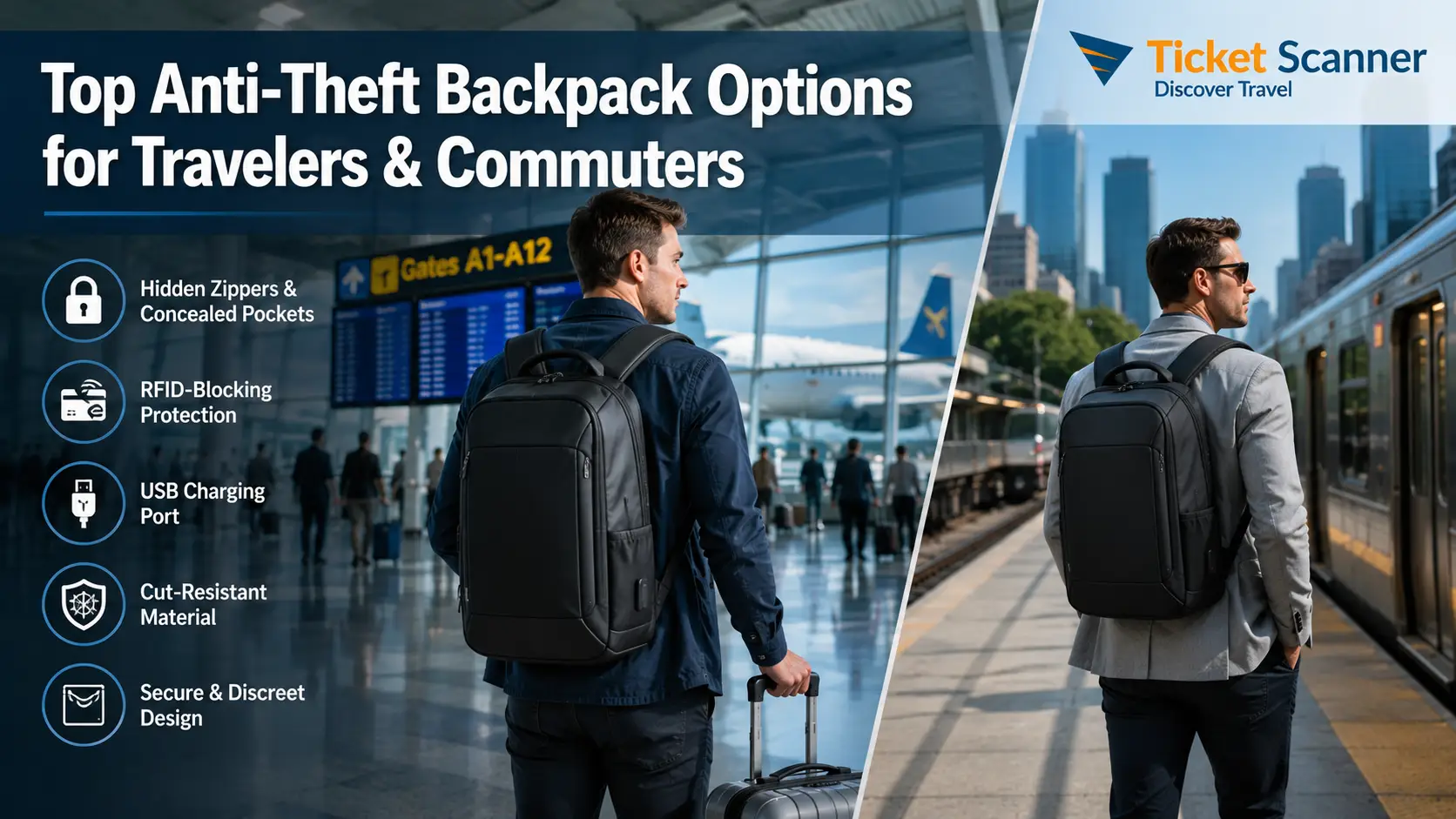
It is not for your phone, your daily spending money, your transit card or anything you need to reach several times a day. Those belong in a secure front pocket, a small wallet or a bag like the ones in our guide to anti-theft backpacks.
Money belt types and alternatives
“Money belt” covers a few different designs, and some travelers prefer an alternative altogether. This table compares the main options.
| Type | How it is worn | Strengths | Watch out for |
|---|---|---|---|
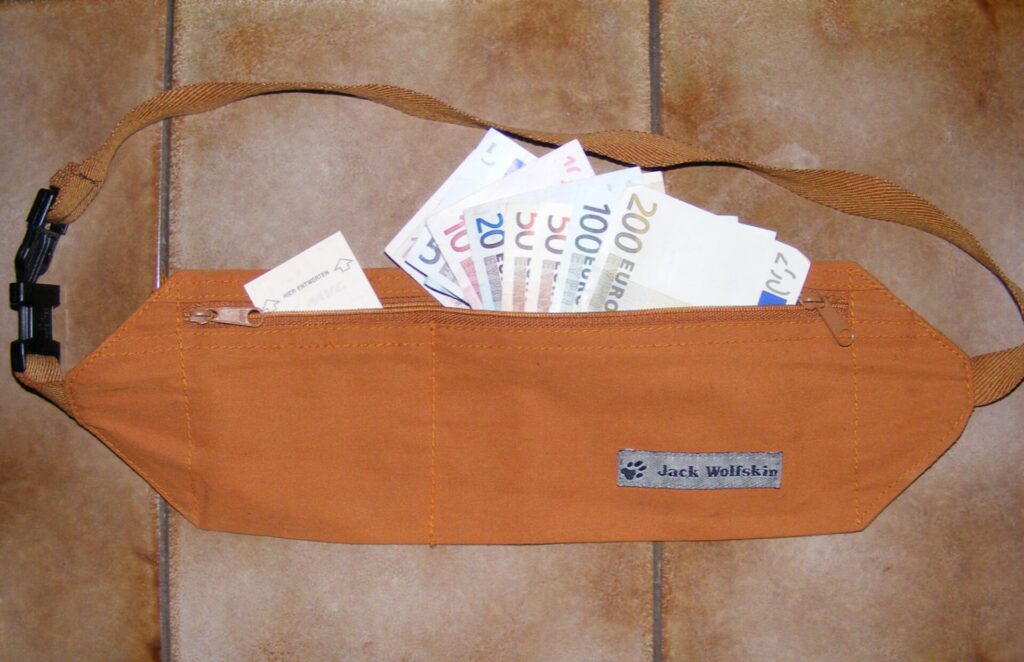
| Under-clothes waist pouch | Flat pouch on an elastic strap, under your waistband | Holds a passport, very discreet, the classic choice | Can feel warm and sweaty; awkward to reach |
| Belt with hidden zipper | A normal-looking belt with a zippered channel inside | Invisible, nothing extra to wear | Holds only folded cash; no room for a passport or cards |
| Neck wallet | Pouch on a cord around your neck, under your shirt | Holds a passport, easy to reach | Cord can show; easier to snatch if visible |
| Leg or ankle wallet | Strapped to your calf or ankle under trousers | Very hard for a pickpocket to reach | Only works with long pants; can be uncomfortable when walking a lot |
| Clip-on or bra pouch | Small pouch clipped inside clothing | Tiny and light | Holds little; not for a passport |
| Hidden pocket in clothing | Zippered inner pocket in pants or a jacket | Nothing extra to wear | Depends on what you are wearing that day |
| Waist pack worn outside | Visible belt bag at the front of your body | Easy access, holds more | Visible, so it is a bag, not a hidden stash |
For most travelers, an under-clothes waist pouch is the best all-round choice because it holds a passport comfortably. A hidden-zipper belt is a good complement for a small cash reserve, and a neck wallet suits people who find anything around the waist uncomfortable.
What to look for
Size and capacity
Make sure the pouch fits your passport without bending it, plus a few cards and folded bills. Bigger is not better: a thick, overstuffed money belt shows through clothing and is uncomfortable. Look for two or three compartments so you can separate your passport, cards and cash.
Comfort and fabric
You may wear a money belt for many hours in heat. A soft, breathable back panel against your skin makes a big difference. Lightweight nylon or polyester fronts with a mesh or moisture-wicking back are common. Avoid stiff or scratchy materials and bulky seams.
Strap and buckle
An adjustable elastic strap lets you wear the belt at your waist or lower on your hips and keeps it snug when you sit. A flat, low-profile buckle is more comfortable and less visible than a chunky one. Check that the strap is long enough for your waist measurement, especially if you want to wear it over a layer.
Zippers
The zipper is the part most likely to fail. Look for a smooth, sturdy zipper with a pull you can find by feel, and ideally a design where the zipper faces your body so it cannot be opened from outside.
Color
Choose a neutral color that does not show through the clothes you plan to wear. Beige and skin-tone shades disappear under light shirts; black suits dark clothing. Bright colors defeat the purpose.
Sweat protection
Sweat can soak through to your passport and cash on hot days. Some money belts include a water-resistant inner layer; if yours does not, keep documents inside a thin zip-top bag within the pouch.
RFID blocking
Many money belts advertise RFID-blocking layers that stop radio signals from reaching contactless cards and chipped passports. That does no harm, but remote skimming is a far less common risk for travelers than a hand in a pocket or a lost wallet. Treat RFID blocking as a small bonus, not a reason to choose one belt over another.
Washability
A money belt worn against skin needs washing. Check that it can be hand washed and dries quickly.
How to wear a money belt properly
- Under your waistband, not over it. Wear the belt against your skin or over a thin base layer, with your pants or skirt waistband over it, and your shirt tucked in or hanging over.
- At the front or on your hip. At the front, you will feel any interference. On the hip, it can be more comfortable when sitting. At the back, it is harder to monitor.
- Tuck the pouch into your pants. Many travelers wear the belt around the waist and tuck the pouch just inside the waistband of their pants, which hides it well.
- Access it in private. If you need something from it, go to a restroom, your hotel room or a quiet corner, not the ticket counter or the market stall.
- Adjust before you leave. Walk around your room, sit and bend to check it does not slip or show.
- Choose clothes that help. Loose shirts and pants with a comfortable waistband hide a money belt better than tight-fitting clothes. Our guide to travel pants for men covers pants with room for one.
The split system: how a money belt fits into your kit
The safest approach to carrying money is to split it so that no single loss can strand you:
- Daily wallet: a day’s cash and one card, in a zippered front pocket or a secure bag. This is what you use for everyday spending. A slim organizer like those in our guide to travel wallets for women works well.
- Money belt: passport (when needed), a backup card and emergency cash.
- Hotel safe: spare cards, extra cash, your passport on days you do not need it, and valuables such as jewelry; a small case from our guide to travel jewelry cases keeps them together.
- Digital backup: a photo of your passport data page, card emergency numbers and insurance details stored securely on your phone and in the cloud.
With that setup, a stolen daily wallet costs you a day’s cash and a card you can freeze from your banking app, and nothing more.
Money belts from our original list
The money belts below were featured in the original version of this guide. They are not a ranked test, and they come from small brands whose designs, materials and dimensions change between versions, so check the current product listing for compartment layout, size and materials before you buy. All five follow the same basic idea: a slim pouch worn under clothing, with RFID-blocking material advertised as an extra.
Peak Gear RFID Blocking Travel Money Belt
Peak Gear’s money belt is a classic under-clothes waist pouch, sold in neutral colors including beige that disappear under light clothing. A traditional design like this suits most travelers who want a straightforward place for a passport, cards and cash, and who will wear it under a shirt all day.
Alpha Keeper Money Belt
Alpha Keeper markets its money belt as a hidden passport holder with RFID blocking and several zippered sections. A layout with separate compartments suits travelers who carry more than one currency, or who want to keep their passport apart from cards and cash so they can reach one without exposing the rest.
VENTURE 4TH Money Belt
VENTURE 4TH’s money belt is a slim under-clothes design with a simple layout; the version in our original list was black. A minimal, no-frills belt suits budget travelers and backpackers who want the essentials done well without extra pockets. Choose a lighter color if you mostly wear pale clothes.
Slim RFID-blocking money belt and passport holder
The original list also included a generic slim money belt marketed as a low-profile waist pouch that can be worn under clothes, with an RFID-blocking pocket and water-resistant material. Generic designs like this vary a lot in quality, so check the zipper, the strap and the seller’s return policy, and do not rely on water resistance alone to protect a passport from sweat.
The Belt of Orion Money Belt
The Belt of Orion sells a slim anti-theft money belt marketed for both men and women, designed to sit flat against the body with space for a passport, cash and small documents. It suits travelers who want a modern, purpose-built design. As with any money belt, check that the current version fits your passport without bending it.
Choosing between them
Because these belts share the same basic design, choose on fit and comfort: a pouch that holds your passport flat, a strap that fits your waist comfortably, a color that disappears under your clothes and a zipper that feels sturdy. If you can, compare the listed dimensions against your passport before ordering.
What to carry in a money belt, and what to leave out
Put in
- Your passport on travel days or when ID is required.
- One backup debit or credit card, ideally on a different network from your main card.
- Emergency cash in a widely accepted currency, in addition to some local currency.
- A photocopy of your passport data page and your travel insurance emergency number.
- A small card with an emergency contact.
Leave out
- Your phone, which is too bulky and which you need often.
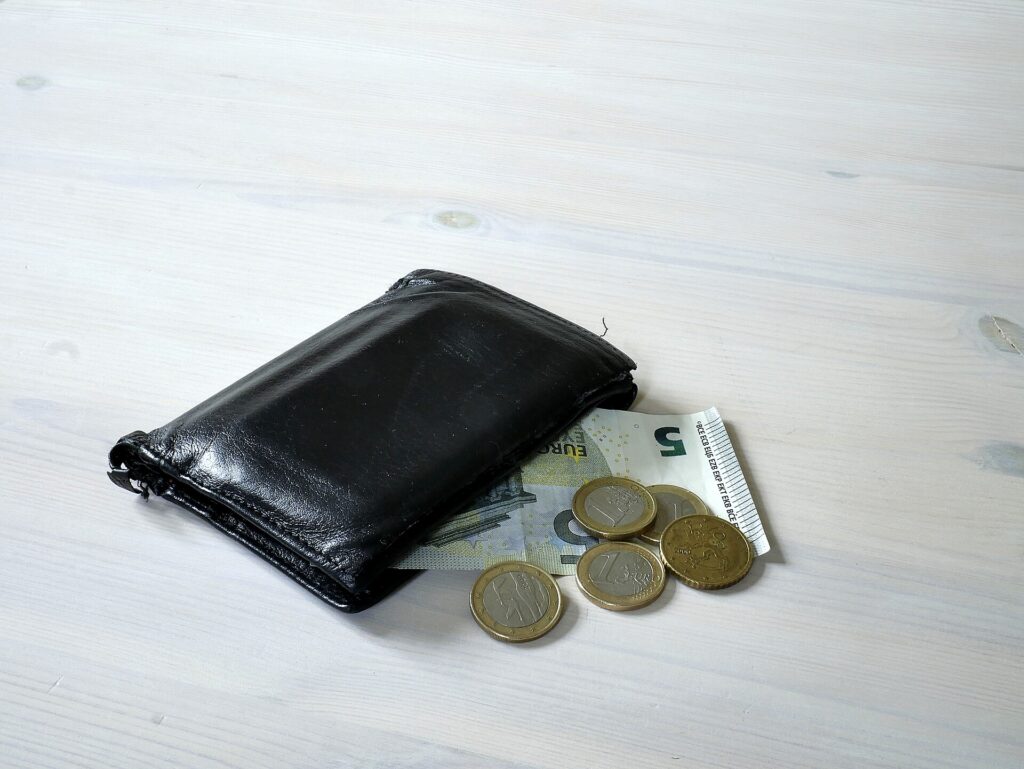
- Daily spending money, which should be in your daily wallet.
- Keys, coins and receipts, which add bulk and noise.
- Anything you need to reach often, such as transit cards or tickets.
If you only carry a passport and a card or two, a slim passport holder kept in a hidden pocket of your bag can do the job instead; our passport holder guide covers the options.
Money belts at airport security
Security screening procedures vary between countries and airports and change over time. Officers may ask you to remove a money belt and put it through the X-ray, or may screen it on your body, and metal zippers and buckles can trigger a metal detector. To keep things simple, many travelers take the money belt off before the checkpoint and put it inside their carry-on bag, then put it back on in a restroom airside. Keep your boarding pass and passport somewhere easy to reach for the checks before and after security. In the United States, see the TSA’s security screening pages; in Canada, check CATSA’s guidance. Never leave your bag with the money belt inside out of sight at the checkpoint.
Carrying cash across borders
A money belt hides cash from pickpockets, not from customs. Many countries require travelers to declare large amounts of cash and other monetary instruments when they enter or leave. Carrying the money is usually legal; failing to declare it can lead to seizure and penalties.
- Canada: you must report currency and monetary instruments of CAN$10,000 or more to the Canada Border Services Agency when you arrive in or leave Canada. See the CBSA’s page on travelling with CAN$10,000 or more.
- United States: travelers entering or leaving with more than US$10,000 or its foreign equivalent in currency or monetary instruments must file a report with Customs and Border Protection. See CBP’s page on money and other monetary instruments.
- Elsewhere: thresholds and rules differ by country, and some apply to families traveling together. Check the official customs site for every country on your itinerary before you go.
Rules change, so confirm them before each trip rather than relying on any figure in a blog post, this one included.
Wearing a money belt in hot weather
Heat is where money belts are least pleasant and where people are most tempted to leave them behind. A few habits help:
- Choose a belt with a breathable, moisture-wicking back panel.
- Wear it over a thin, breathable base layer rather than directly against skin if you sweat a lot.
- Keep documents in a thin zip-top bag inside the pouch.
- Wear it lower on your hips, where there may be more airflow, or try a neck or leg wallet instead.
- Leave the passport in the hotel safe on sightseeing days if local rules allow, and carry a copy instead.
- Wash the belt regularly and let it dry fully.
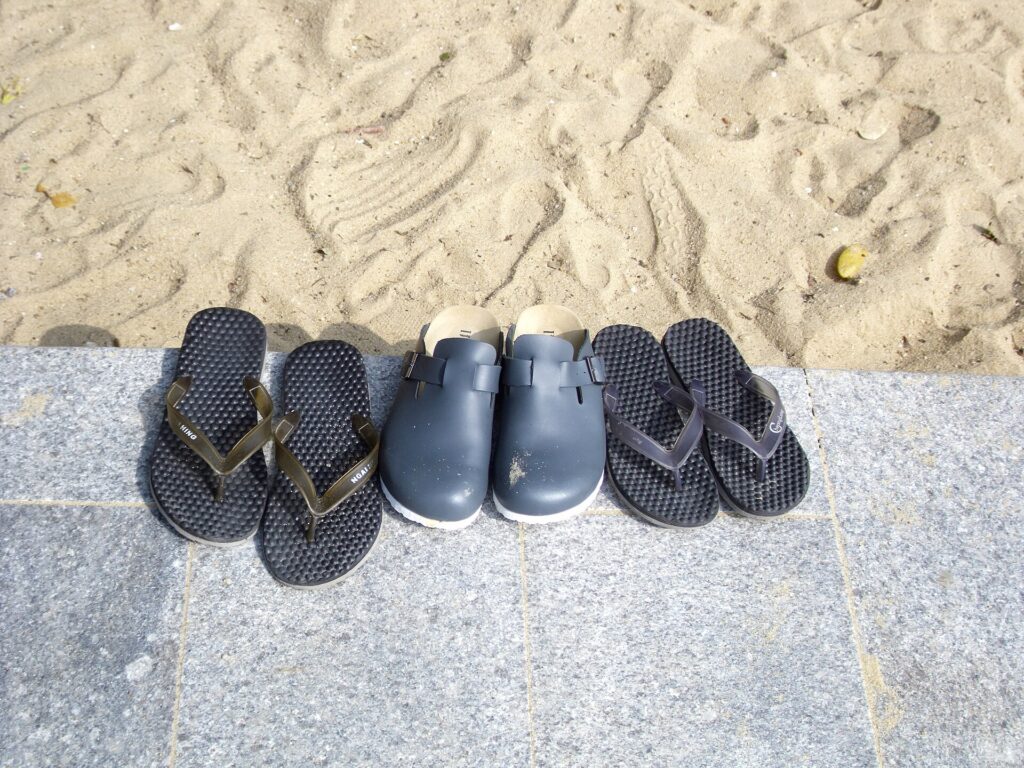
At the beach, a money belt is not practical at all. Take only what you need, use the hotel safe for the rest, and consider a small waterproof pouch. Our guide to travel flip-flops covers the rest of a light beach kit.
Where money belts make the most sense
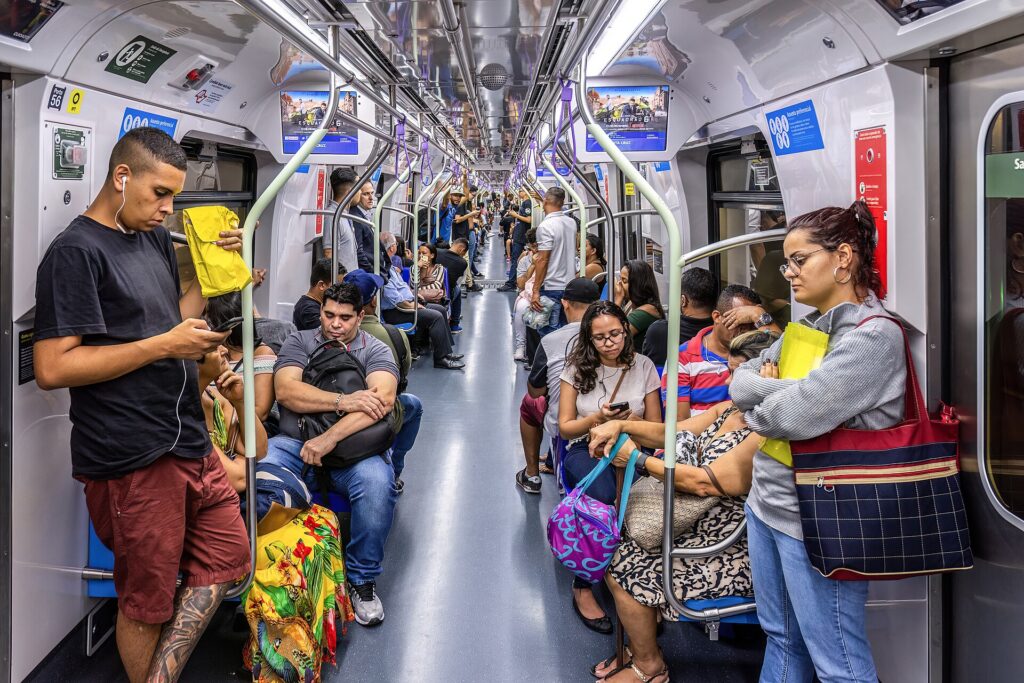
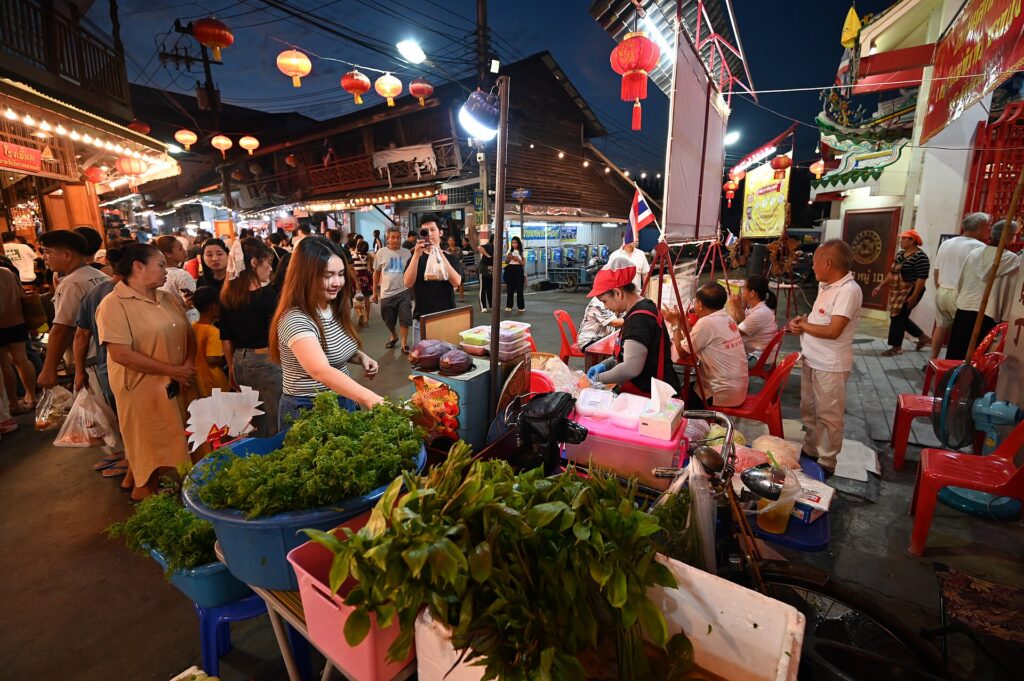
A money belt earns its place most clearly on travel days, border crossings, overnight trains and buses, busy transit hubs, crowded markets and big tourist sights, and in destinations where your government’s advice warns of pickpocketing or bag snatching. Canada’s travel advice and advisories describe common scams and theft risks for each country. In a quiet town where you leave your passport in the hotel safe, a zippered pocket and a daily wallet may be all you need. Walking all day with a money belt is also far more pleasant in comfortable shoes; our guide to walking shoes for travel covers how to choose them.
If something is lost or stolen
- Freeze cards first using your banking apps, then call your bank to report the loss.
- Report the theft to local police and get a report number for your insurer.
- Replace your passport. Canadians abroad can find help through the Government of Canada’s emergency assistance page. US citizens should follow the State Department’s lost or stolen passport guidance. Contact your embassy or consulate as soon as possible if you have a flight coming up.
- Use your backups. This is exactly what the backup card, emergency cash and document copies in your money belt are for.
- Contact your travel insurer promptly, since many policies have time limits and require a police report.
Common mistakes
- Using the money belt as a wallet. Every time you open it in public, you show thieves where your valuables are.
- Overstuffing it. A bulging money belt shows through clothes and is uncomfortable.
- Wearing it over your clothes. Then it is just a waist pack.
- Putting everything in one place. Split cards and cash between your daily wallet, the money belt and the hotel safe.
- Forgetting sweat. Protect documents with a thin plastic bag inside the pouch.
- Assuming hidden cash is exempt from customs. Declare large sums where required.
- Choosing a bright color. Neutral colors disappear under clothes.
Frequently asked questions
Are money belts still worth it?
Yes, for travel days, border crossings, crowded cities and overnight transport. With contactless payments and phones, many travelers carry less cash than before, but a passport and backup card still need a safe home. A money belt is one of the simplest ways to protect them.
Where should I wear a money belt?
Under your clothes, with the pouch at the front or on your hip and tucked inside your waistband. Avoid wearing it at the back, where you cannot feel it.
Is a money belt or a neck wallet better?
A waist money belt is usually more discreet and stable. A neck wallet is easier to reach and can be cooler in heat, but the cord can show. Choose the one you will actually wear all day.
Do I need RFID blocking?
It is a harmless extra, but physical theft and lost wallets are much more common risks. Choose a money belt for comfort, size and zippers first.
Can I wear a money belt through airport security?
You may be asked to remove it for screening. Many travelers put it in their carry-on before the checkpoint and put it back on afterward. Check the rules for your departure airport.
How much cash should I carry in a money belt?
Enough to cover an emergency, such as a night’s accommodation, a meal and transport, until you can reach a bank or replace a card. Remember that many countries require you to declare large amounts at the border.
Can people tell I am wearing a money belt?
Not if it is slim, in a neutral color and worn under loose clothing, and if you never open it in public.
With your valuables secured, the trip itself can take center stage. Compare fares on our flight search, choose a hotel with an in-room safe for your passport and spares on our hotel search, and if you are exploring a big, busy city, our guides to things to do in Rome and things to do in Paris will help you plan days where a well-worn money belt earns its place. For the rest of your kit, start with our main guide to travel luggage.