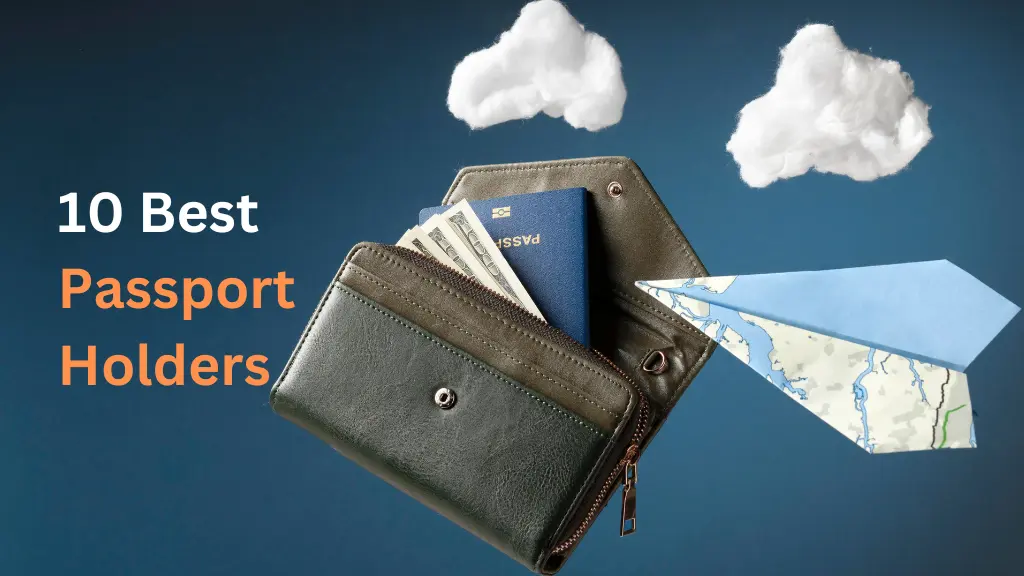
Your passport is the one thing in your bag that can end a trip if it goes missing. Flights, hotels and rental cars can all be rebooked; a lost passport means a police report, a trip to an embassy or consulate, and often missed connections while you wait for emergency documents. A passport holder will not make theft impossible, but the right one keeps your passport clean, flat and in one predictable place, keeps boarding passes and cards together at the airport, and makes it much harder to leave something behind on a tray at security. This guide explains the main types of passport holders, what to look for in materials, size and closures, how much RFID blocking really matters, which style suits solo travelers, families and people who want to carry documents under their clothes, and ten options from our original list. It also covers the habits that protect your passport more than any holder can.
The short answer
For most travelers, the best passport holder is a slim cover or wallet that holds your passport plus one or two cards and a boarding pass, closes securely and lets the passport slide out easily when an officer asks for it. If you travel as a family, a zippered document organizer that holds several passports, tickets and a pen saves a lot of fumbling at check-in. If you are going somewhere busy with pickpockets, or you want your passport on you all day, a neck pouch or hidden belt wallet worn under clothing is the more secure carry. RFID blocking is a harmless extra, not a reason to choose one holder over another. Whatever you buy, keep a photo of your passport’s data page somewhere separate, and leave the passport in the hotel safe on days you do not need it.
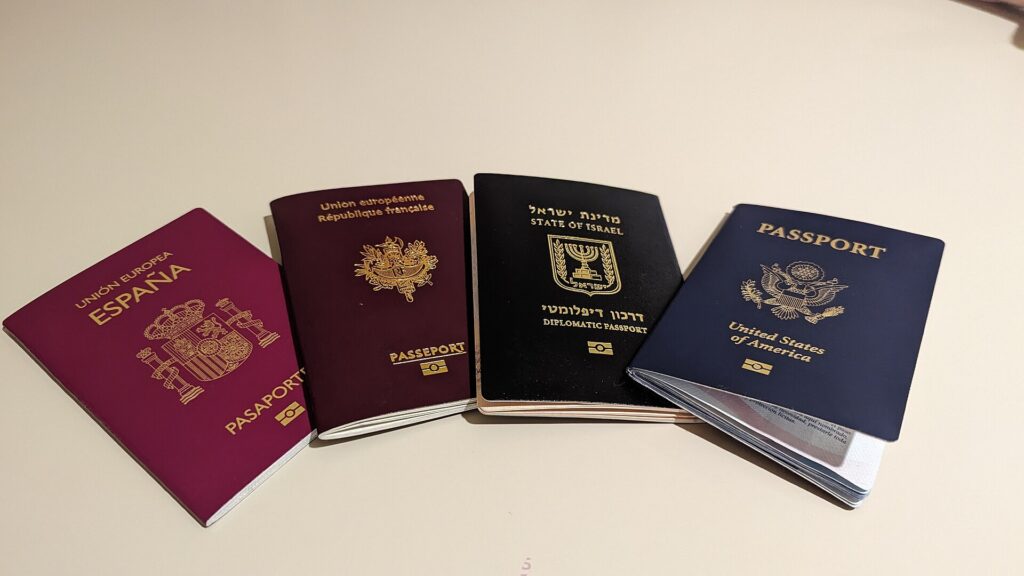
What a passport holder actually does
It is easy to think of a passport holder as a fashion accessory, but its real jobs are practical:
- Protection from wear. Passports get bent, wet and scuffed. A damaged passport can cause problems at a border or when you try to use it again, so a cover that keeps the booklet flat and dry has real value over the years you use the same passport.
- Organization. At the airport you need your passport, boarding pass, sometimes a visa or arrival form, and a payment card within the space of a few minutes. A holder puts them all in one place.
- A fixed home. Travelers most often lose passports by putting them down: on a check-in desk, a seat-back pocket, a security tray or a café table. A holder that always goes back into the same pocket makes that less likely.
- Security, in some styles. Holders worn under clothing, in a neck pouch or on a belt, keep the passport out of reach of pickpockets. Ordinary covers do not add security on their own; they are only as safe as the pocket you put them in.
The main types of passport holders
Slim passport covers
A simple cover wraps around the passport and adds a card slot or two. It keeps the booklet clean and adds almost no bulk, which makes it the best choice for travelers who carry their passport in an inside jacket pocket or a zipped bag pocket. The downside is that covers hold very little, and some are so snug that it is awkward to remove the passport at a border desk.
Passport wallets
A passport wallet is larger and usually closes with a zipper or snap. It holds the passport, several cards, some cash, a boarding pass and often a pen. It is the most useful all-in-one travel document holder for flying days, and it can double as your everyday wallet on the trip. Because it is larger, it belongs in a bag rather than a back pocket.
Family document organizers
Family organizers are zippered cases, often the size of a small tablet, with a slot for each passport and room for tickets, itineraries, vaccination records and a pen. One adult carries all the documents and hands them over together at check-in and passport control. They are bulky, but for families they remove a lot of stress.
Neck pouches
A neck pouch hangs on a cord around your neck and is worn under a shirt or jacket. It keeps your passport and backup cash against your body, which pickpockets cannot easily reach. It is less convenient to get into, so treat it as a secure store rather than your everyday wallet.
Hidden belt wallets and money belts
These sit flat around your waist under your clothes, or loop onto your belt and tuck inside your waistband. They are the most discreet way to carry a passport and backup money. Our guide to money belts for travel covers how to choose and wear one comfortably.
Holders with a tracker slot
Some passport holders include a small pocket designed to fit a Bluetooth tracker. A tracker can help you find a holder you left behind or dropped nearby. It does not stop theft and depends on the tracker network where you are, so think of it as a way to locate a misplaced holder, not as security.
| Type | Best for | Main trade-off |
|---|---|---|
| Slim cover | Light packers, inside-pocket carry | Holds little; some are tight to remove |
| Passport wallet | Airport days, all-in-one carry | Bulkier; belongs in a bag |
| Family organizer | Parents carrying several passports | Large; easy to set down and forget |
| Neck pouch | Busy cities, long travel days | Slow to access; can be warm |
| Hidden belt wallet | Maximum discretion for backups | Must undress slightly to reach |
| Tracker-slot holder | Travelers prone to misplacing things | Helps locate, does not prevent theft |
What to look for
Fit and size
Passport booklets are a fairly standard size, but thickness varies with the number of pages and how many visas and stamps you have. Look for a holder that takes your passport without bending it and lets it slide in and out cleanly. Border officers often ask travelers to take the passport out of its cover so they can scan and stamp it, so avoid covers that grip so tightly you have to wrestle with them at the desk.
Materials
- Leather ages well, feels good and is durable, but it can be heavier and needs a little care if it gets wet.
- Synthetic leather is lighter and usually cheaper; quality varies widely, and cheaper versions can peel at the edges over time.
- Nylon and ripstop fabrics are light, quick to dry and common on neck pouches and belt wallets that sit against your body.
- Water-resistant fabrics or liners are worth having if you travel in rain, near water or in hot climates where sweat can reach a passport worn under clothing.
Closures
Open covers are quick but let cards slip out. Snaps are a good middle ground. Zippers keep everything inside and are best for wallets and family organizers that carry cash and tickets. For neck pouches and belt wallets, a zipper is essential.
Card slots and pockets
Think about what you will actually carry on a flight day: passport, boarding pass, one or two payment cards, some cash and maybe a transit card. More slots are not always better; a holder stuffed with every card you own becomes thick and heavy, and you have more to lose in one go.
Visibility and color
A brightly colored holder is easier to spot in a dark bag and harder to leave on a gray security tray. Some families choose a different color for each person, which also helps when handing documents around.
RFID blocking, honestly
Many passport holders advertise RFID blocking: a lining that stops radio signals reaching the chip in an electronic passport or a contactless card. It does no harm, and some travelers like the reassurance. But the realistic risks to your passport are loss and physical theft, not someone reading its chip from a distance. Remote skimming of passports is not a common problem for travelers, and many holders without RFID lining do the job just as well. Treat RFID blocking as a small extra, never as the main reason to buy one holder over another.
Choosing by the way you travel
Solo travelers and couples
A slim passport wallet with a zipper or snap is usually the best fit. It holds your passport, a boarding pass and a couple of cards, and goes into a zipped inside pocket of your daypack or jacket. If you carry an anti-theft backpack, its hidden back-panel pocket is an ideal home for the holder.
Families
A family organizer carried by one adult keeps every passport, ticket and printed itinerary in one place, which makes check-in and passport control much smoother. The risk is that you now have every passport in one bag, so never put that organizer down, and consider moving it to a secure bag as soon as you are through the airport.
Business travelers
A leather cover or slim wallet that fits an inside jacket pocket keeps you moving through security and lounges without digging through a bag. If you travel with a laptop bag, pick a dedicated pocket for the passport and use it every time.
Backpackers and long trips
On long trips through busy cities and on overnight buses and trains, a neck pouch or belt wallet worn under clothing is worth the minor discomfort. Carry your daily money in a separate small wallet so you never have to reach under your shirt in public.
Cruises and resort stays
On a cruise you may need your passport at embarkation and in some ports, and a ship card most of the rest of the time. A waterproof pouch or water-resistant holder is useful for beach days and tender boats, and the passport can stay in your cabin safe when you do not need it.
Ten passport holders from our original list
The holders below were featured in the original version of this guide. They cover different needs rather than a strict ranking. Designs, sizes, colors and features change between versions, and we have not tested them ourselves, so check the current details from the manufacturer or seller before you buy.
1. Valante Premium Family Travel Document Organizer
A family-sized zippered organizer meant to hold several passports together with tickets, cards and other travel documents. It suits parents who want every document in one case at check-in and passport control. As with any family organizer, it is bulky, so plan to carry it in a shoulder bag or backpack, not in a pocket.
2. HERO Neck Wallet
A neck wallet designed to be worn under clothing, with compartments for a passport, cards and cash, and RFID-blocking material. It suits travelers who want hands-free carry and their passport kept against their body in crowded places. Keep a separate small wallet for daily spending so the neck wallet stays hidden.
3. Zero Grid Passport Wallet
A compact passport wallet with space for a passport, boarding passes and cards, sold with RFID blocking. It suits travelers who want a single, tidy document wallet for airport days that slips into a bag or jacket pocket.
4. WALNEW Passport Holder Neck Pouch
A slim neck pouch on a lanyard strap with multiple compartments for passports, tickets and cards, designed to be worn under clothing. It is a simple, lightweight option for travelers who want a secure under-shirt carry without much bulk.
5. Spigen Life Passport Card Cover Holder
A passport cover with added slots for cards and cash, marketed with RFID blocking. It suits travelers who want a slim cover rather than a full wallet, and who carry the passport in an inside pocket or bag.
6. Family neck-pouch passport organizers
The original list included a family-sized travel pouch with a neck strap that holds several passports plus tickets and cards. This style keeps family documents on one adult’s body, which is handy at busy check-in desks and boarding gates, but it can get heavy and warm with several passports inside. Look for a wide, comfortable strap.
7. Passport covers with a tracker pocket
The original list included a leather passport cover with a pocket shaped for Apple’s AirTag. This style suits travelers who worry about leaving their passport behind in a taxi or at a café, since the tracker can help you locate it. Remember that the tracker is sold separately, and that it helps you find a lost holder rather than prevent theft.
8. Lightweight family passport holders
A lighter alternative to a full organizer: a slim zippered holder with room for several passports and a zipper pocket for cash. It suits families who want to keep passports together without carrying a tablet-sized case.
9. Leather travel wallets with a passport slot
A compact genuine leather wallet with card slots, a cash pocket and a dedicated space for the passport. It suits travelers who want a single, good-looking wallet that serves as both passport holder and everyday wallet on the trip.
10. Shacke Hidden Travel Belt Wallet
A slim belt wallet from Shacke, worn around the waist under clothing, with compartments for cash, cards and a passport, and an RFID-blocking layer. It suits travelers who want their passport and backup money out of sight all day. See our guide to money belts for tips on wearing one comfortably.
How to carry your passport day to day
On travel days
From the curb to your seat, you may show your passport several times: at check-in or bag drop, at security, at passport control and at the gate. Keep the holder in one zipped pocket that you can reach without taking your bag off, and put it back in that pocket every single time. Before you leave a desk or a security tray, look at your hand and check you have the passport. If you are flying internationally, our guide to airport arrival times for international flights helps you allow enough time that you are not rushing and fumbling.
At your destination
On ordinary sightseeing days you often do not need your passport at all. Many travelers leave it in the hotel room safe and carry a photocopy or a photo of the data page instead. Some countries require visitors to carry identification, and you will usually need the passport to check into hotels, pick up a rental car or change money, so check your destination’s rules. Canada’s travel advice and advisories list local laws and entry requirements by country, and the US State Department’s traveler’s checklist covers what to prepare before you go.
In hotels
Use the room safe for your passport, spare cards and cash. If there is no safe, ask whether the front desk has one. Choosing a hotel with an in-room safe is an easy filter when you search on our hotel search.
When driving
If you rent a car, you will need your driver’s license and usually a credit card and ID at pickup. Do not leave passports in a parked car, even in the glove box. Our car rental search helps you compare pickup locations and vehicles.
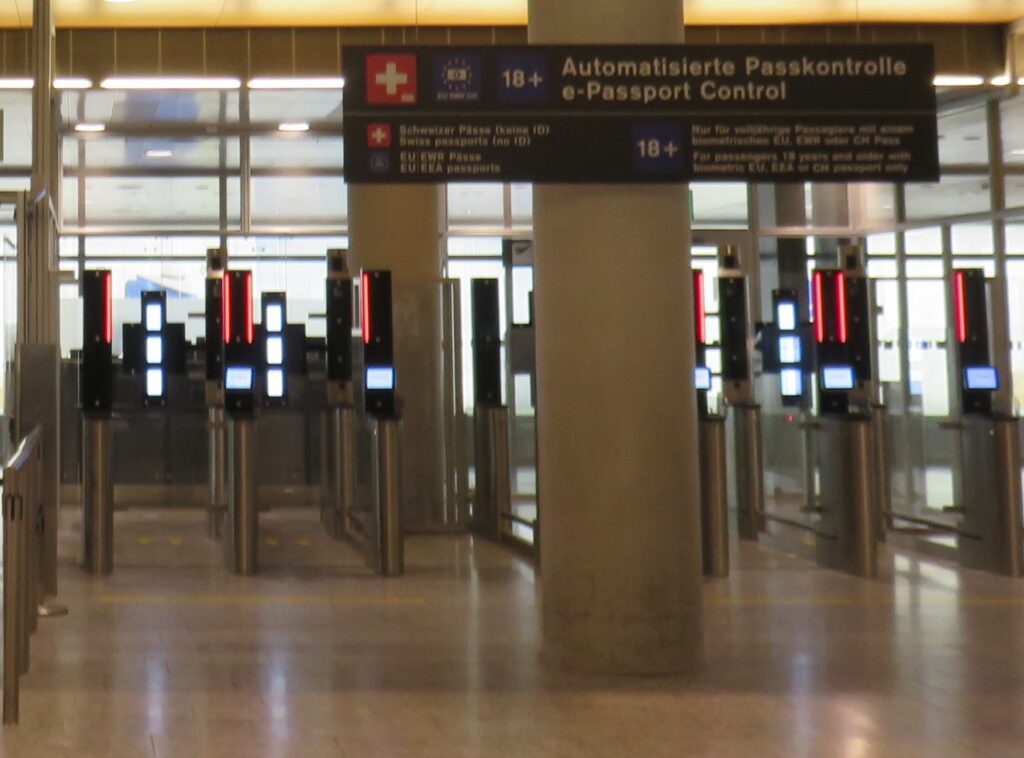
derivative work: Bonus bon via Wikimedia Commons, CC BY-SA 4.0)
Protect the passport itself
- Keep it flat and dry. Water damage, torn pages and a peeling data page can make a passport unusable. A cover helps, and a zip bag inside the cover is a cheap extra layer on beach and boat days.
- Check the expiry date early. Many countries require your passport to be valid for a set period beyond your stay, and airlines may refuse boarding if it is not. Check the entry requirements for your destination well before you book.
- Check blank pages. Some countries need one or more blank pages for stamps or visas.
- Do not write in it or add stickers. Keep notes and addresses on a separate card in the holder.
- Know how to renew. Canadians can find renewal and application information on the Government of Canada’s Canadian passports page. Allow plenty of time before a trip.
Backups that make a lost passport less painful
Prepare these before every international trip:
- A photo of your passport data page stored on your phone and in your email or a secure cloud folder.
- A paper photocopy kept in a different bag from the passport.
- Emergency contacts and your embassy or consulate details for each country you visit.
- A backup payment card and some cash kept separately from your main wallet.
- Your travel insurance policy number and the insurer’s emergency phone number.
At airport security and border control
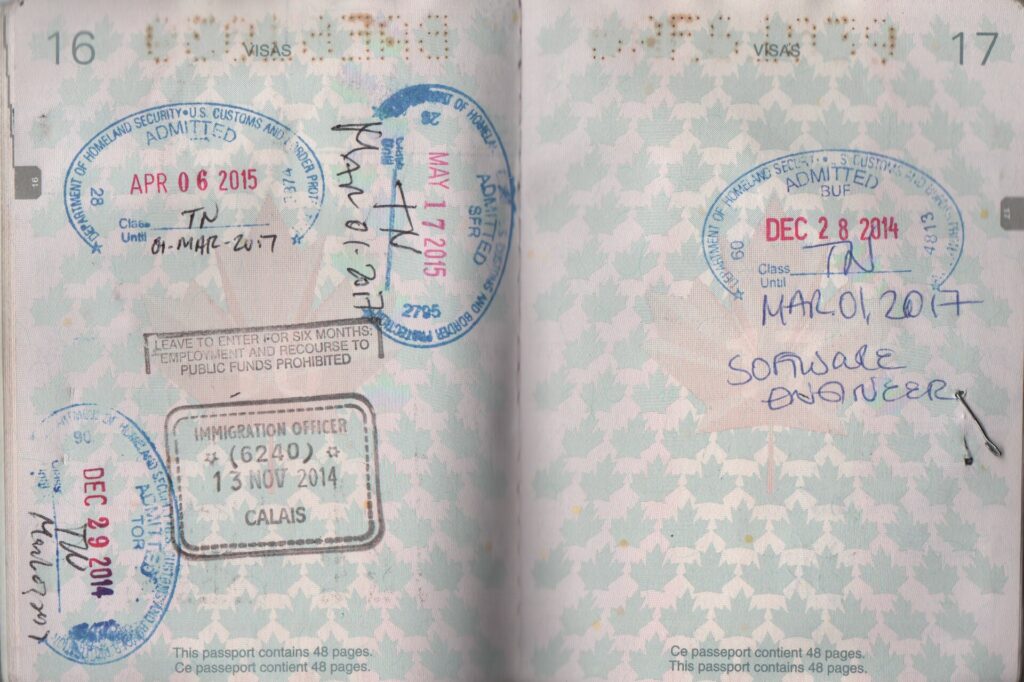
Passport holders go through screening like any other item. You can usually keep the passport in its holder until you reach the officer, who may ask you to remove it from the cover. In the US, the TSA’s identification page explains which IDs are accepted at checkpoints, and in Canada CATSA’s what can I bring page covers screening rules for the items you carry. Take your holder out of any jacket or bag you put on the belt, or keep it on your body, so it does not ride through the scanner in a tray where it can be picked up by mistake. At automated passport gates, you will need to open the passport to the photo page, so a holder that folds back flat or releases the passport quickly helps.
If your passport is lost or stolen
- Report it. Report the loss or theft to local police and get a report number; insurers and consulates may ask for it.
- Contact your government. Canadians abroad can find help through the Government of Canada’s emergency assistance page, which explains how to reach consular services. Travelers from other countries should contact their own embassy or consulate as early as possible.
- Tell your airline if you have a flight coming up, and ask about rebooking options.
- Freeze cards if your holder also carried payment cards, and contact your travel insurer.
Common mistakes
- Back-pocket carry. A passport wallet in a back pocket is easy to lose and easy to steal. Use a front or inside pocket, or a zipped bag pocket.
- Carrying it every day for no reason. If you do not need it, leave it in the safe and carry a copy.
- A holder so full it will not close. Carry only what you need for that day.
- Putting every family passport in one unattended bag. One adult, one organizer, never out of hand.
- Buying for RFID alone. Choose on fit, closure and how you will carry it; RFID is a small extra.
- No backup copy. A photo of the data page takes seconds and saves hours if something goes wrong.
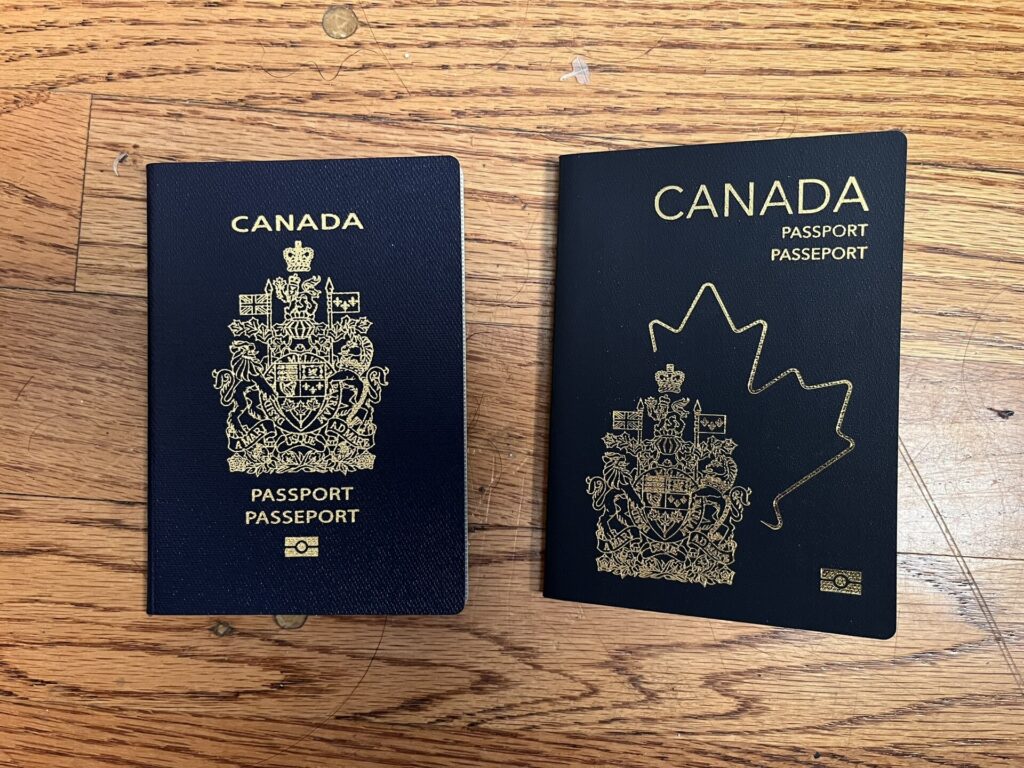
Pairing a passport holder with the rest of your kit
A passport holder works best as part of a simple system. Your passport and one backup card live in the holder or a hidden pocket; your daily money lives in a small wallet; your phone lives in a front pocket or crossbody bag; and valuables you do not need stay in the hotel safe. Our guide to travel wallets for women covers everyday wallets that pair well with a passport holder, and if you are packing jewelry, a small travel jewelry case keeps pieces together and easy to lock away. A compact travel first aid kit belongs in the same daypack. For the bag that carries it all, start with our main guide to travel luggage.
Frequently asked questions
Do I need a passport holder?
You do not strictly need one, but a holder protects your passport from wear, keeps travel documents together and gives your passport one predictable home, which makes it less likely you will leave it behind.
Is an RFID-blocking passport holder necessary?
No. It is a harmless extra. Loss and physical theft are far more common risks than someone reading a passport chip remotely, so choose a holder for its fit, closure and carry style first.
Will border officers make me remove my passport from its cover?
Often, yes. Officers and automated gates need to scan the data page, and many officers prefer the passport out of its cover. Choose a holder that releases the passport easily.
What is the safest way to carry a passport?
If you do not need it, in the hotel safe. If you do, in a neck pouch, belt wallet or hidden pocket against your body, not in an outside or back pocket.
Can I fit several passports in one holder?
Family organizers are designed for several passports plus tickets. Slim covers usually hold only one.
Are leather passport holders worth it?
Leather is durable and looks good for years, but it is heavier and less water-resistant than nylon. Choose based on how you travel, not on material alone.
Should I carry a copy of my passport?
Yes. Keep a photo on your phone and in email, and a paper copy in a separate bag. It speeds up replacement if the original is lost.
How do I clean a passport holder?
Follow the maker’s instructions. Leather is usually wiped with a slightly damp cloth and left to dry naturally; many fabric holders can be hand-washed. Always remove the passport first.
With your documents organized, the rest is planning the trip itself. Compare fares across flexible dates on our flight search, choose a hotel with a room safe on our hotel search, and if your first stamp is going to be a European one, our guides to things to do in Paris and things to do in London are a good place to start. For the rest of your travel gear, head back to our main guide to travel luggage bags.
Keep planning with TicketScanner
- Top travel luggage bags: the buying guide — the travel gear guide
- Best money belts for travel
- Anti-theft backpacks for travel and commuting
- Travel wallets for women
- Travel jewelry cases
- Travel first aid kits: what to pack
- When to arrive for an international flight
- Search flights — compare fares across flexible dates
- Things to do in London
Leave a Reply