The wallet you carry at home is rarely the wallet you want on a trip. At home it holds a dozen cards, receipts, loyalty cards and coins you never use. On the road you need something different: a place for a passport or boarding pass on flying days, one or two payment cards, some local cash, a transit card and perhaps a hotel key, all in something you can hold securely in a crowded market or on a packed train. A good travel wallet is slim enough to keep in a front pocket or crossbody bag, closes securely, and makes it obvious at a glance whether everything is still there. This guide covers the main styles of travel wallets for women, what matters in size, closures, materials and card layout, an honest look at RFID blocking, how to split money and cards so one loss does not strand you, and ten wallets from our original list, grouped by the kind of traveler they suit.
The short answer
For most trips, the best setup is two small wallets rather than one big one: a slim everyday wallet or card holder with one card and the day’s cash, and a passport wallet or hidden pouch with your passport, a backup card and emergency money. Choose an everyday wallet with a zipper or secure snap, room for a few cards and folded notes, and a size that fits a front pocket or a small crossbody bag. A wristlet strap is useful for markets and festivals. RFID blocking is a harmless extra rather than a must-have. Leave the rest of your cards at home.
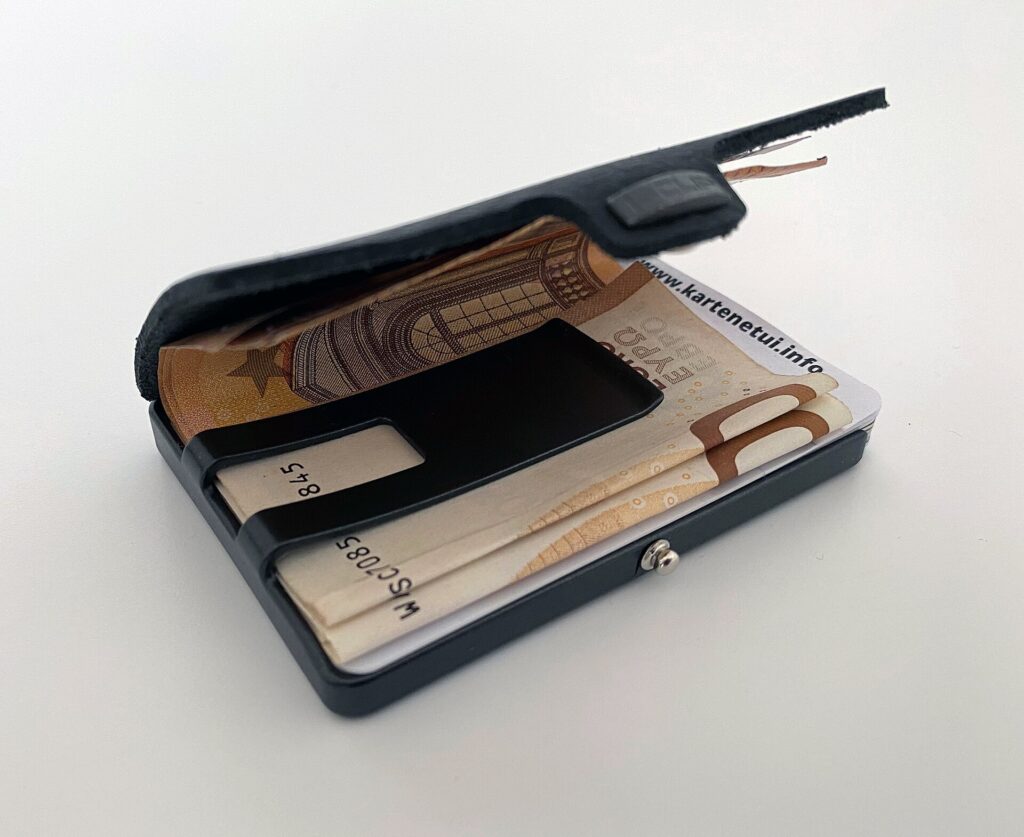
What makes a travel wallet different
- It carries less. A travel wallet is about subtraction: fewer cards, less cash and nothing you would hate to lose.
- It handles more than one currency. On international trips you may have home currency for the airport and local currency for the trip. Separate note sections make that easier.
- It may need to hold travel documents. Passport wallets and larger zip-around wallets have room for a passport, boarding pass and tickets on flying days.
- It has to be secure in crowds. A zip closure, a wrist strap or a size that fits a zipped bag pocket matter more on a trip than at home.
- It has to be easy to use one-handed. Paying at a ticket machine while holding a bag, a coffee or a child’s hand is normal travel life.
The main styles
Passport wallets
A passport wallet is a zippered case sized for a passport, with card slots, a note section and often a pen loop. It is ideal for flying days, when you need your passport, boarding pass and a card in quick succession. Once you arrive, many travelers move the passport to the hotel safe and switch to a smaller wallet. For more on this style, see our guide to passport holders.
Zip-around wallets and wristlets
A zip-around wallet closes on three sides, so nothing falls out, and holds cards, notes and coins in separate sections. Many include a wrist strap, which lets you carry the wallet on its own for an evening out or keep it looped around your wrist in a busy market. The trade-off is size: they are usually too large for a pocket.
Trifold wallets
Trifolds pack cards, notes and a coin pocket into a compact, thick rectangle. They hold a lot for their footprint and fit most handbags. For travel, look for a secure snap or zipper on the coin pocket, and resist filling every slot.
Slim bifolds and card holders
A small bifold or card holder carries a few cards, folded notes and sometimes an ID window. It fits a front pocket or the smallest crossbody bag, which makes it the best everyday travel wallet for many women. The ID window is handy for transit passes and building access cards.
Keychain and wristlet card cases
Tiny zip card cases that clip to a key ring or bag strap hold a couple of cards and a few notes. They are great for festivals, beach days and nights out when you want the bare minimum and something that is hard to set down and forget.
Crossbody wallet bags
A small crossbody bag with built-in card slots doubles as a wallet and a purse, with room for a phone. Worn across the body and moved to the front in crowds, it is one of the most practical anti-theft carries for city days.
| Style | Best for | Watch out for |
|---|---|---|
| Passport wallet | Flying days, documents plus cards | Too big for daily carry |
| Zip-around wristlet | Markets, evenings, organized carry | Usually too large for a pocket |
| Trifold | Handbag carry with coins | Gets thick if overfilled |
| Slim bifold or card holder | Front-pocket everyday travel wallet | Limited room for coins and receipts |
| Keychain card case | Festivals, beach, nights out | Holds only the bare minimum |
| Crossbody wallet bag | City days, phone plus wallet in one | Another bag to keep track of |
What to look for
Size and where you will carry it
Decide first where the wallet will live. A front trouser pocket, a jacket’s inside pocket, a small crossbody bag and a large tote all suit different sizes. A wallet that fits the pocket or bag you use every day is one you will not leave lying on a table.
Closures
Zippers are the most secure closure for travel because nothing falls out and it takes a moment to open. Snaps are quicker and fine for wallets carried inside a zipped bag. Magnetic closures are convenient but less secure in a crowd.
Card slots and layout
You probably need three to six slots on a trip: one or two payment cards, a transit card, an ID and perhaps a hotel key or museum pass. A wallet with far more slots tempts you to carry cards you do not need. Clear ID windows are useful for transit passes you tap often.
Notes and coins
If you are traveling to a country where cash and coins are still widely used, a zipped coin pocket and a full-length note section are worth having. Two note sections make it easy to keep home and local currency apart.
Materials
- Leather is durable and looks polished, but can be heavier and needs care if soaked.
- Vegan and synthetic leather is lighter and often cheaper; better versions wear well, cheaper ones can peel at the edges.
- Nylon and fabric are light, quick-drying and good for beach, hiking and adventure trips.
Color and visibility
A bright or patterned wallet is easier to find in a dark bag and harder to leave behind on a café table. An understated wallet draws less attention in places where you want to blend in. Many travelers pick a bright interior and a plain exterior for both reasons.
RFID blocking, honestly
RFID-blocking wallets use a lining meant to stop radio signals reaching contactless cards. It does no harm, and plenty of good travel wallets include it. But contactless card payments are designed so that each transaction uses a one-time code, and card skimming from a distance is a far less common problem than a wallet lifted from a bag or left on a counter. Choose a wallet for its size, closure and layout first, and treat RFID blocking as a small bonus rather than a deciding feature.
Build a simple money system for the trip
The wallet matters less than how you split your money. A system that works for most trips:
- Everyday wallet. One payment card, a transit card and the day’s cash. This is what you pull out in shops, cafés and ticket machines.
- Backup stash. A second card from a different account and some emergency cash in a money belt, a hidden pouch or a separate zipped pocket.
- Hotel safe. Your passport on days you do not need it, spare cash and any cards you are not using.
- Phone wallet. A card loaded on your phone is a useful extra backup, as long as your phone is charged and secured.
Split like this, a lost or stolen wallet is an annoyance instead of a crisis.
Cards and cash abroad
- Tell your bank or check your app. Many banks no longer need travel notices, but it is worth confirming your cards work abroad and noting the phone numbers for reporting a lost card.
- Know your fees. Foreign transaction fees and ATM fees vary by card and account. Canada’s Financial Consumer Agency has plain-language information on bank and credit card fees.
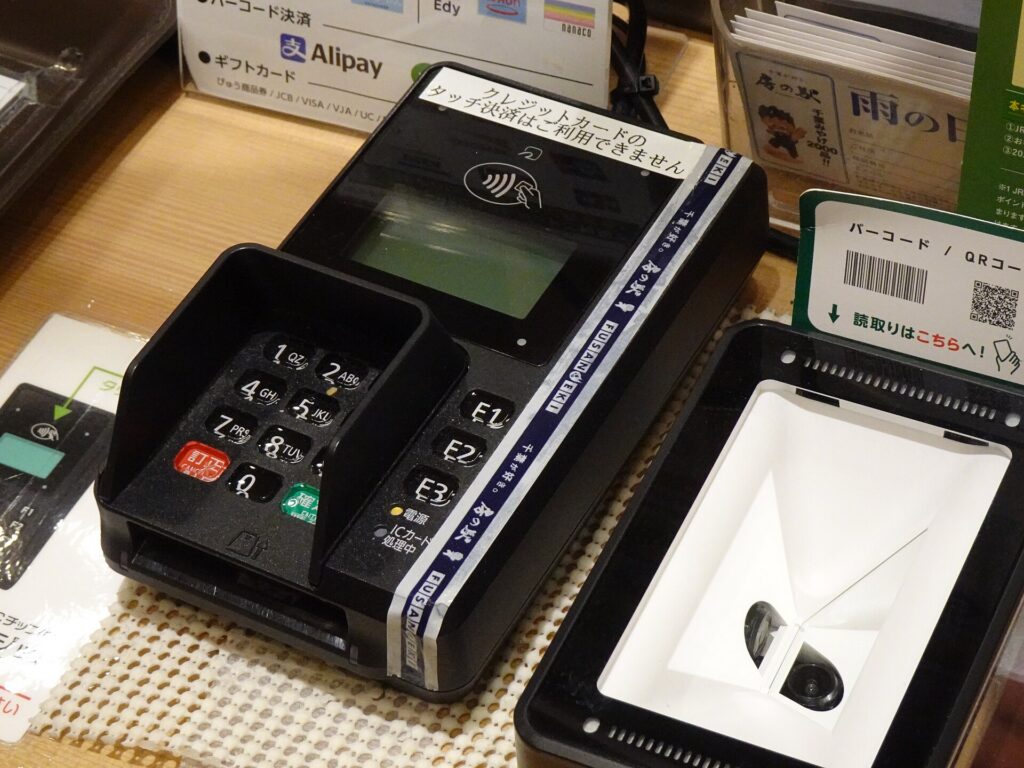
- Pay in local currency. If a card terminal or ATM offers to charge you in your home currency, the conversion rate is often worse. Choosing the local currency is usually the better option.
- Carry a little cash. Even in card-friendly countries, small cafés, markets, tips and some transit need cash.
- Use bank ATMs. Machines inside or attached to banks are generally safer than standalone machines in quiet spots. Cover the keypad when you type your PIN.
Ten travel wallets from our original list
The wallets below were featured in the original version of this guide. They are grouped by the kind of traveler they suit rather than ranked. Colors, sizes and features change between versions, and we have not tested them ourselves, so check the current details from the manufacturer or seller before you buy.
1. Travelon RFID Blocking Passport Zip Wallet
Travelon is a well-known travel accessories brand, and this zip wallet is sized for a passport with room for cards and travel documents, plus RFID-blocking lining. It suits flying days and anyone who wants documents, cards and cash in one zipped case. Patterned designs make it easy to spot in a bag.
2. GOIACII Women’s Large Capacity Wallet
A large zip-around wallet with multiple card slots, a cash compartment and a wrist strap, sold with RFID blocking. It suits travelers who like everything organized in one place and want to carry the wallet on its own, looped on the wrist, for markets and evenings out.
3. Michael Kors Women’s Trifold Wallet
A trifold with compartments for cards, cash and coins and a snap closure. It suits travelers who want a dressier wallet that works for a business trip or a nice dinner, carried inside a zipped handbag rather than a pocket.
4. Black Cat Floral RFID Wallet
A small, slim bifold in synthetic leather with a zipper coin pocket and an ID window. It suits travelers who want a compact everyday wallet with a bit of personality, and the ID window is handy for a transit card.
5. CLUCI Leather RFID Trifold Wallet
A larger trifold with multiple card slots and compartments for cash and coins, sold with RFID blocking. It suits women who carry a handbag and want room for two currencies and receipts on a longer trip.
6. BOSTANTEN Vegan Leather Small Crossbody Bag
A small crossbody bag that doubles as a wallet, with an adjustable strap and compartments for cards, cash and a phone. It suits city days when you want your phone and wallet in one bag worn across your body, which you can move to the front in crowds.
7. Slim RFID card holder with ID window
The original list included a small, slim card holder with an ID window and several card slots. This style is ideal for the “everyday wallet” in a two-wallet system: one or two cards, a transit card and folded notes in a front pocket.
8. CLUCI Small Bifold Mini Card Holder
A mini bifold organizer with card slots, a zipper coin pocket and a removable ID window. It suits travelers who want a compact wallet that still handles coins, without carrying a bulky purse.
9. FurArt Keychain Credit Card Wallet
A small zipper card case with a keychain attachment, sold with RFID blocking. It suits festivals, beaches and nights out, when you want just a card and a little cash clipped to your keys or bag strap.
10. Gostwo Small RFID Trifold Wallet
A compact trifold with multiple card slots and a zippered coin pocket. It suits travelers who want trifold organization in a smaller size that fits a crossbody bag.
Choosing by trip type
City breaks
A slim bifold or card holder in a front pocket or crossbody bag, with a backup card at the hotel. If you are heading somewhere famous for crowds, such as the big sights in Rome or Paris, add a hidden pouch for your passport on days you need it. Our guides to things to do in Rome and things to do in Paris will help you plan those days.
Business trips
A dressier trifold or slim leather wallet, plus a passport wallet for the airport. Keep receipts in a separate envelope so your wallet does not swell.
Beach and resort holidays
A small fabric or synthetic card case that can handle sand and damp hands, and a waterproof pouch for the beach. Leave the leather wallet and most of your cards in the room safe.
Festivals and events
A keychain or wristlet card case with one card and a little cash, carried in a front pocket or a small crossbody bag. If you are traveling for a concert or game, our Toronto events page is one place to see what is on.
Backpacking and long trips
A light nylon everyday wallet plus a money belt for backups. Durability and quick-drying fabric matter more than looks when you are on the road for months.
Habits that protect your wallet
- Front, not back. Keep your wallet in a front pocket or a zipped bag pocket, never a back pocket or an open tote.
- Nothing on the table. Cafés and restaurant terraces are a favorite place for quick grabs. Keep the wallet and phone in your bag, and the bag on your lap or strapped to your chair leg.
- Take out only what you need. Have the fare or payment ready before you reach the counter or ticket machine.
- Watch for distractions. If someone bumps you, spills something or asks for help in a crowd, check your wallet first.
- Carry the bag in front in crowds. A crossbody bag or anti-theft backpack worn to the front on packed transit is much harder to open.
- Read local advice. Canada’s travel advice and advisories describe common scams and theft hot spots by country.
At the airport
Keep your wallet, passport and phone in one zipped pocket of your personal item, not in a jacket that goes through the scanner separately. Check the tray before you walk away from security. In Canada, CATSA’s what can I bring page covers screening rules for carry-on items; in the US, the TSA’s What Can I Bring? tool does the same. If your trip starts early, our guide to airport arrival times for international flights helps you avoid the rush that leads to lost items.
What to pack alongside your wallet
A travel wallet is one part of a small everyday carry. Alongside it, most travelers want a phone with a charged battery, a compact power bank, a copy of their passport, hand sanitizer and a few basic first aid items. Our guide to travel first aid kits covers what to put in a small pouch, and our guide to travel-friendly feminine hygiene products covers the personal items that are easy to forget. If you are bringing jewelry, a small travel jewelry case keeps it organized and easy to lock in the safe.
If your wallet is lost or stolen
- Lock or cancel cards immediately using your banking apps or the phone numbers you saved before the trip.
- Use your backup card and cash from the separate stash.
- Report it to the police and get a report number for insurance claims.
- If your passport was in the wallet, contact your embassy or consulate. Canadians abroad can use the Government of Canada’s emergency assistance page, and US citizens can start with the State Department’s traveler’s checklist resources.
- Contact your travel insurer promptly; many policies have time limits.
Common mistakes
- Bringing your whole home wallet. Remove loyalty cards, extra credit cards and anything you will not use on the trip.
- One wallet for everything. Keep a backup card and cash somewhere else.
- Choosing style over closure. An open card sleeve looks neat but loses cards in a busy bag.
- Buying for RFID alone. It is a small extra; closure, size and layout matter more.
- A wallet too big for your bag. If it does not fit the bag you carry every day, it will end up in an outside pocket.
- Not photographing your cards. Keep a secure note of card numbers and bank phone numbers so you can report a loss quickly.
Caring for your wallet on the road
Empty receipts every evening so the wallet stays slim and closes properly. If a leather wallet gets wet, empty it, blot it and let it dry naturally away from a heater. Fabric wallets can often be hand-washed after a beach trip. Before a long trip, check the zipper runs smoothly and the stitching around card slots is intact, since those are the first things to fail.
Frequently asked questions
What is the best type of travel wallet for women?
For most trips, a slim zippered wallet or card holder for daily spending plus a passport wallet or hidden pouch for documents and backups. Choose the size by where you will carry it.
Do I need an RFID-blocking wallet?
No. It is a harmless extra. Losing a wallet or having it taken from a bag is much more common than remote card skimming, so choose a wallet for its closure and size first.
Can a travel wallet hold my passport?
Passport wallets and larger zip-around wallets can. Slim card holders and most trifolds cannot, which is one reason many travelers use two wallets.
Is a crossbody bag safer than a wallet in a handbag?
A crossbody bag worn across the body and moved to the front in crowds is easier to keep an eye on than a wallet loose in an open tote. A zipped bag is always better than an open one.
How much cash should I carry?
Enough for the day’s small purchases, tips and transit, plus a separate emergency amount. The right number depends on how widely cards are accepted at your destination.
Are leather wallets better than synthetic ones?
Leather is durable and polished but heavier. Good synthetic and fabric wallets are lighter and handle damp conditions better. Choose by trip type and personal preference.
How do I clean a travel wallet?
Follow the maker’s care instructions. Leather is usually wiped with a slightly damp cloth; many fabric wallets can be hand-washed. Empty the wallet first.
Once your wallet is sorted, put the savings toward the trip itself. Compare fares on our flight search, find a hotel with an in-room safe on our hotel search, and if you are renting a car, compare pickup options on our car rental search. For the bag that carries it all, start with our main guide to travel luggage bags.
Keep planning with TicketScanner
- Top travel luggage bags: the buying guide — the travel gear guide
- Passport holders: how to choose
- Best money belts for travel
- Anti-theft backpacks for travel and commuting
- Travel jewelry cases
- Travel-friendly feminine hygiene products
- Travel first aid kits: what to pack
- Search hotels — find a room with a safe
- Things to do in Rome
Leave a Reply