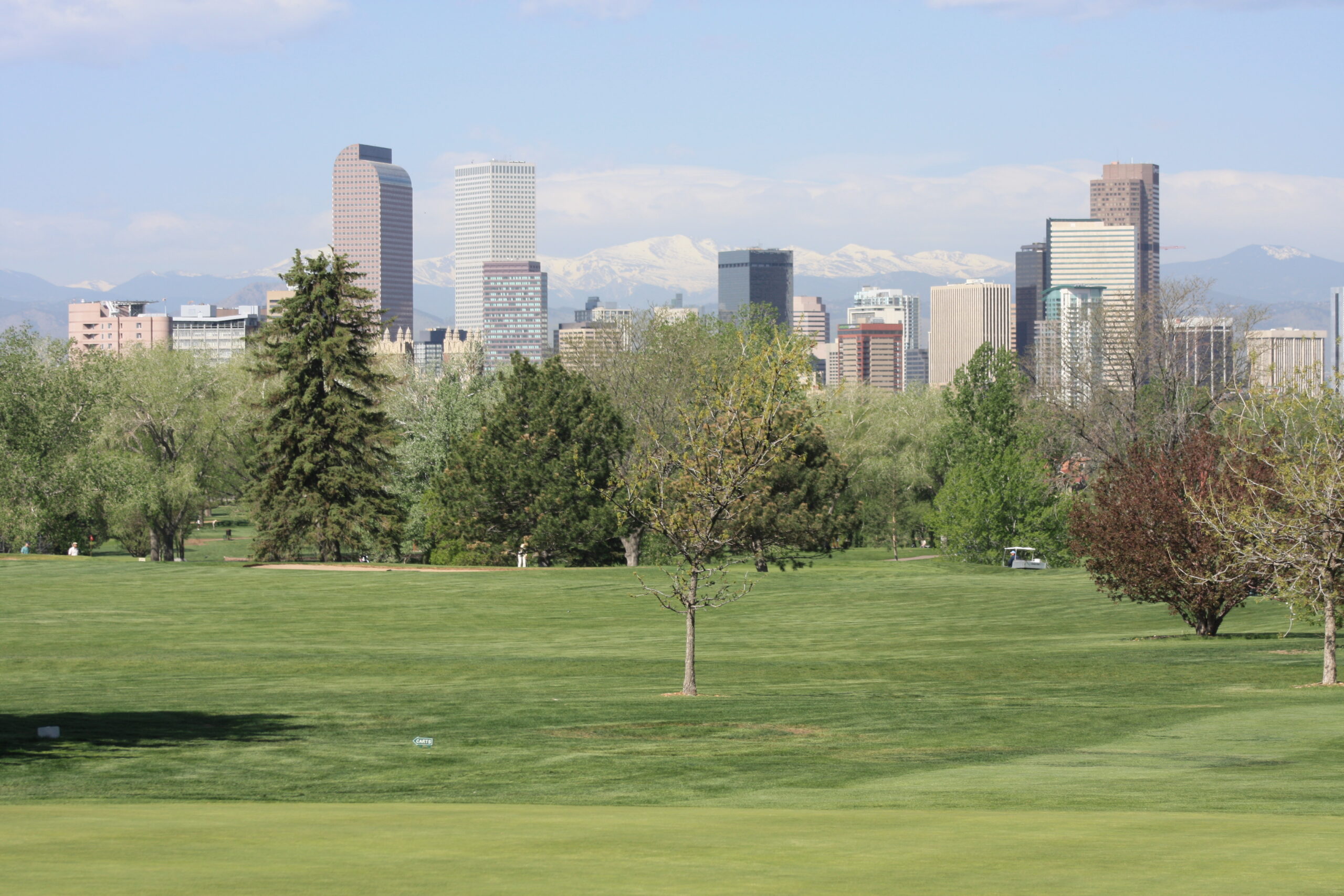
Denver gets treated as a runway to the mountains. Most visitors land at DEN, pick up a car and point it west on I-70, and they miss a city that has become one of the most enjoyable in the American West: a restored railroad station that doubles as the city’s living room, an art museum split between a titanium-clad Libeskind building and a Gio Ponti tower, mural-covered warehouse districts full of breweries and food halls, a concert venue carved out of red sandstone that musicians rank among the best on earth, and four major-league teams that all play within a few miles of downtown. And the Front Range is right there on the western horizon, with ski areas, hot springs and a national park within a couple of hours. This guide covers the sights that earn a day, the neighborhoods worth a half-day, the food and beer, the sports and the seasons, the day trips that make Denver a base as much as a destination, and the practical details, including the altitude, that turn a stopover into a trip.
If you are still comparing cheap flights to Denver, read this alongside our guides to the best time to fly to Denver and whether you need a car (for the city itself, often not; for the mountains, usually yes). Between the three you can plan the whole trip.
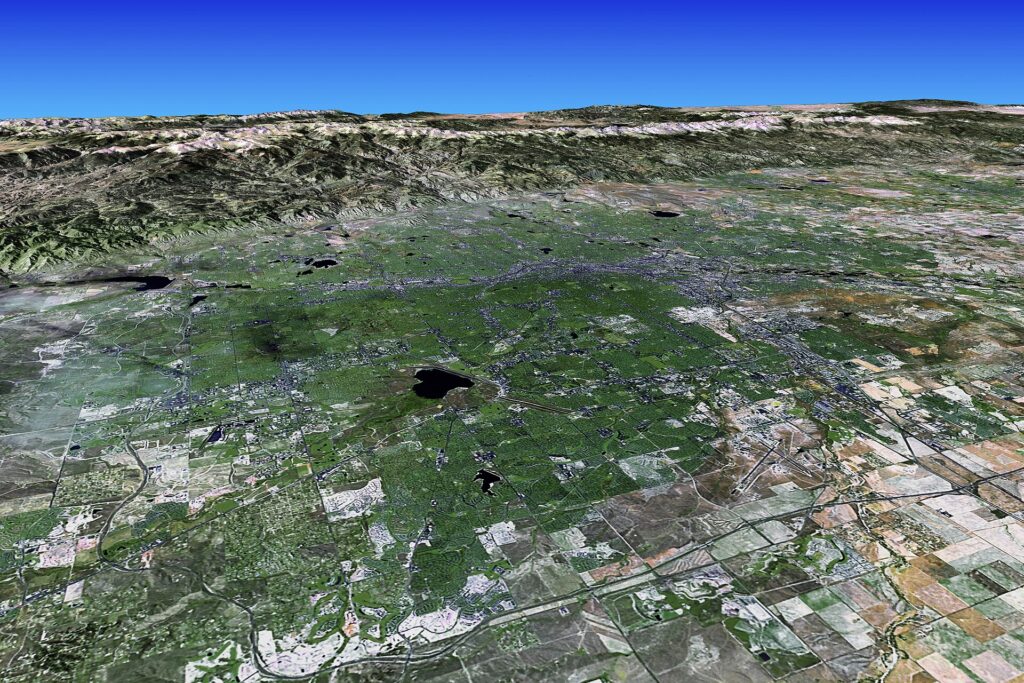
Denver at a glance for first-timers
- Airport: Denver International (DEN), on the plains about 40 km (25 miles) northeast of downtown, is one of the busiest airports in the world and a hub for United, Southwest and Frontier. The RTD A Line train runs from the terminal to Union Station in under 40 minutes. See our DEN airport guide.
- Getting around: downtown, LoDo, the Highlands and RiNo are walkable, and RTD’s light rail and commuter trains link the center with the airport, the suburbs and Golden. For Red Rocks, Rocky Mountain National Park and the ski areas, most visitors rent a car. Our car-versus-transit guide explains when it helps.
- Money: US dollars. Sales tax is added at the register rather than shown on the tag, and Denver’s combined rate is higher than the state figure you may have seen quoted; hotel taxes are higher again. Tipping 18 to 20 percent in restaurants is expected.
- Altitude: the city sits about 1,600 m (5,280 feet) above sea level, and you will feel it more than you expect. Drink more water than usual, go easy on alcohol the first night, and wear sunscreen even in winter.
- Weather: sunny, dry and changeable: hot summer days with afternoon thunderstorms, a long golden fall, winters milder than the mountains’ reputation suggests, and a snowy March. Our month-by-month guide has the detail.
- Where to stay: LoDo for Union Station, Coors Field and the restaurants; downtown near the Convention Center for the 16th Street corridor and the theaters; Cherry Creek for shopping; the Highlands or RiNo for a neighborhood feel. Our Denver hotel search covers them all.
Union Station, LoDo and Larimer Square
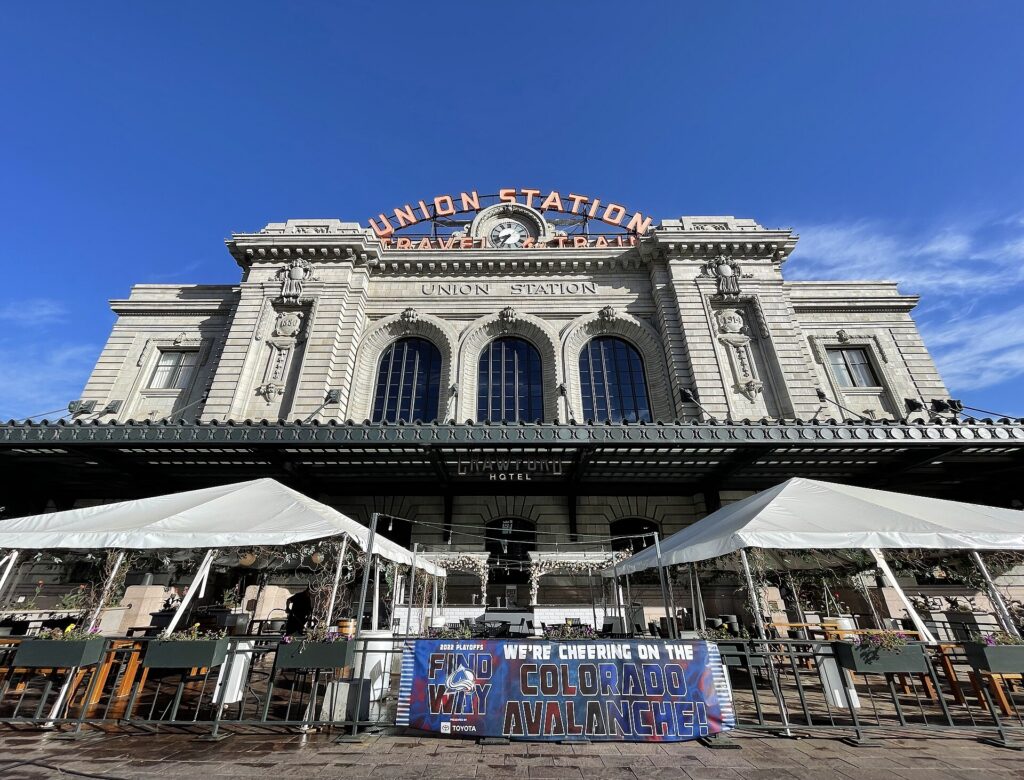
Denver Union Station is where to start, and it is where many visitors arrive if they take the train from the airport. The Beaux-Arts building, opened in its current form in 1914, was restored in the 2010s into a hotel, a set of restaurants and bars, and a great hall with long communal tables and shuffleboard where locals meet after work; behind it, a white canopy covers the commuter rail platforms, and Amtrak’s California Zephyr still stops here on its run between Chicago and the Bay Area. Around it, LoDo, Lower Downtown, is the city’s historic warehouse district, now a grid of red-brick buildings filled with restaurants, rooftop bars and galleries, with the Dairy Block alley and its food hall a short walk away. Two blocks south, Larimer Square is Denver’s oldest block, a row of Victorian storefronts under strings of lights, with some of the city’s best-known restaurants and patios. Coors Field, home of the Colorado Rockies, anchors the northern edge of LoDo, and on game nights in summer the whole district fills with purple jerseys. It is the natural base for a first visit, and our LoDo hotel page lists what is available.
Downtown, the Capitol and the Golden Triangle
From LoDo, the 16th Street pedestrian corridor runs southeast through downtown toward Civic Center Park; it has been through a long reconstruction, so check the city’s updates, but the free MallRide shuttle buses have traditionally run its length between Union Station and Civic Center Station. Along the way you pass the Daniels and Fisher clock tower and, a block off the mall, the Denver Performing Arts Complex, one of the largest performing arts centers in the country, with Broadway tours, the Colorado Symphony, Opera Colorado and the Denver Center Theatre Company under one glass roof. Nearby, a 12-meter (40-foot) blue bear sculpture presses its nose against the windows of the Colorado Convention Center and has become the city’s unofficial mascot. At the far end, the Colorado State Capitol faces the mountains from the top of Civic Center Park, with a dome covered in Colorado gold leaf; free tours run on weekdays, and a step on the west side is marked as one mile above sea level, which is where the Mile High City gets its name (later resurveys moved the exact mile a few steps higher, and both are marked). South of the park, the Golden Triangle holds the city’s densest cluster of museums and the Denver Public Library’s postmodern Central Library by Michael Graves.
Museums: the Denver Art Museum and its neighbors
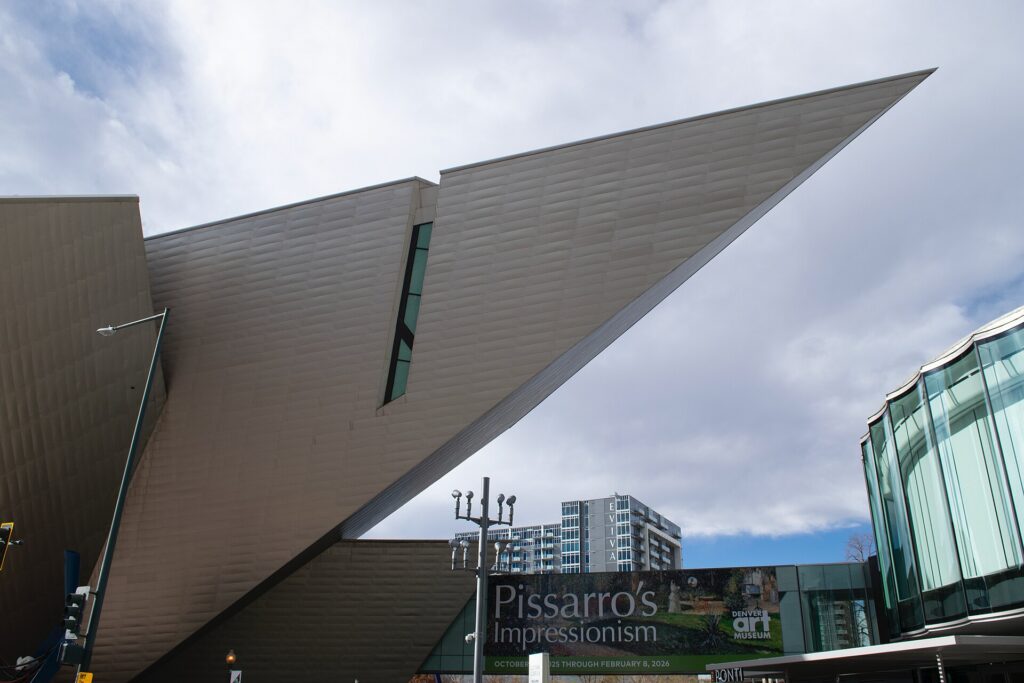
The Denver Art Museum is the anchor, and its two buildings are reason enough to visit: the Hamilton Building, Daniel Libeskind’s sharp-angled titanium structure that looks like shards of rock, and the Martin Building, Gio Ponti’s castle-like tower clad in glass tiles, reopened after a major renovation. The collections are especially strong in Native American art, the art of the American West and pre-Columbian and Spanish colonial work, and the museum has long offered free general admission to visitors 18 and under. Next door, the Clyfford Still Museum is a quiet concrete building devoted entirely to one abstract expressionist painter, and it is one of the most affecting single-artist museums in the country. Across the street, the History Colorado Center tells the story of the state from Indigenous peoples and the gold rush to ski towns, with hands-on exhibits that suit children. A few blocks away, the U.S. Mint in Denver produces billions of coins a year and runs free guided tours that must be booked in advance.
City Park, the Botanic Gardens and the South Platte
East of downtown, City Park is Denver’s biggest urban park, with lakes, a boathouse, and the view that sells the city: the downtown towers in the foreground and the whole Front Range behind them, best seen from the steps of the Denver Museum of Nature & Science late in the afternoon. The museum itself has excellent dinosaur and gems-and-minerals halls, a planetarium and an IMAX theater. The Denver Zoo shares the park and is one of the most visited in the country. A short drive or bus ride south, the Denver Botanic Gardens on York Street are among the best in the United States, with collections of plants from the world’s dry, high-altitude regions, a Japanese garden, a summer concert series, and Blossoms of Light over the winter holidays. Back toward downtown, Confluence Park marks the spot where Cherry Creek meets the South Platte River and where the city was founded during the 1858 gold rush; the paved Cherry Creek Trail and the South Platte River Trail start here and run for miles, and a bike ride along either is the easiest way to see how the city fits together. Washington Park, south of downtown, is the local favorite for running, paddleboarding and picnics.
Neighborhoods worth a half-day
RiNo, the River North Art District
RiNo, just northeast of downtown along the rail lines, is Denver’s former industrial district turned into the city’s most energetic neighborhood. Almost every wall along Larimer Street and the side alleys carries a mural, many of them painted during the annual Crush Walls festival, and the old warehouses hold breweries, taprooms, galleries and restaurants. Denver Central Market, a food hall in a former warehouse, is a good place to start, and the district is a short walk, scooter ride or A Line stop from Union Station.
The Highlands and LoHi
Across the pedestrian bridges over I-25 from LoDo, the Highlands sit on a bluff with the best skyline views in the city. Lower Highlands, known as LoHi, is packed with restaurants, rooftop bars and Little Man Ice Cream, which serves from a building shaped like a giant milk can and draws lines on summer nights.
Cherry Creek
Denver’s upscale shopping district, a few miles southeast of downtown, has the Cherry Creek Shopping Center, a walkable grid of independent boutiques and galleries around it, and some of the city’s best hotels and restaurants. The Cherry Creek Trail links it with downtown by bike.
South Broadway and Baker
South Broadway is Denver’s vintage, record-store and dive-bar strip, with some of the best small music venues in the city and a steady supply of cheap, good food.
Five Points and Colfax
Five Points was once known as the Harlem of the West for its jazz clubs, and it remains the historic heart of Denver’s Black community, with the Blair-Caldwell African American Research Library, a revived restaurant scene and the Juneteenth Music Festival each June. East Colfax Avenue, one of the longest commercial streets in the country, runs past it through Capitol Hill, lined with theaters, diners and music venues including the Ogden and the Bluebird.
Red Rocks Park and Amphitheatre
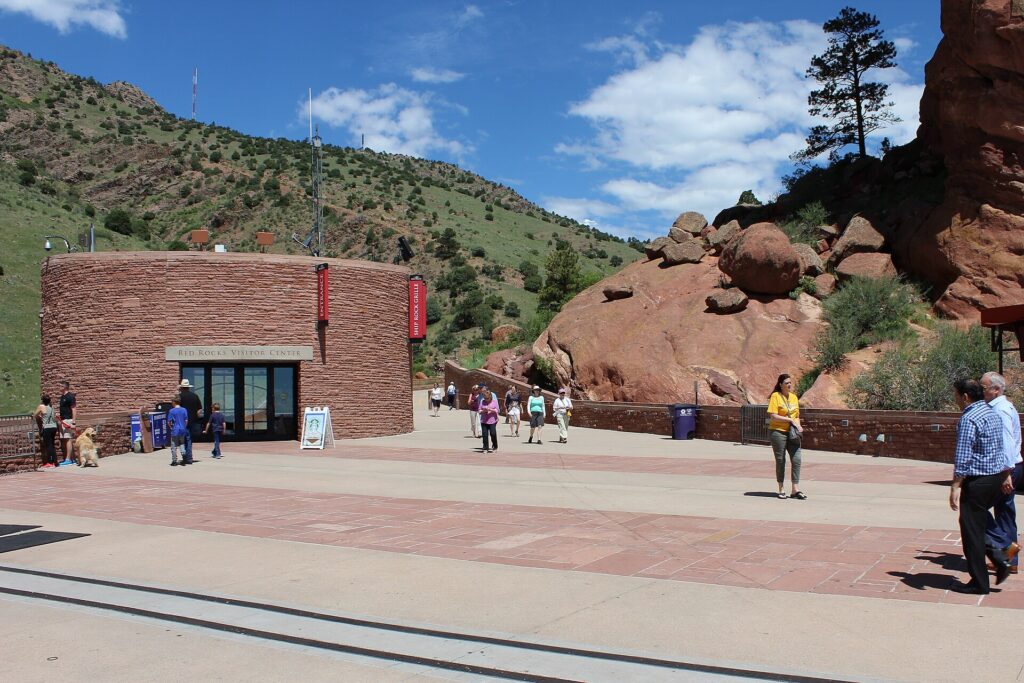
If you do one thing outside the city, make it Red Rocks. About 25 km (15 miles) west of downtown in the foothills near Morrison, the amphitheater sits between two enormous tilted sandstone monoliths, with a stage framed by rock and a view back across the plains to the Denver skyline. It is owned by the City and County of Denver, it has hosted everyone from the Beatles to U2, and a concert there on a summer night is one of the great live-music experiences in America. The main concert season runs from spring to fall, and popular shows sell out quickly, so check our Denver events page as soon as your dates are set; the summer film series and the long-running Easter sunrise service are other ways in. On days without a show, the amphitheater and the surrounding park are open to the public: locals climb the stadium steps as a workout, the Trading Post Trail loops through the red rock formations, and the visitor center explains the geology and the venue’s history. Go early in summer and bring water. Without a car, shuttle services run from downtown on many concert nights.
Sports
Denver is one of the few American cities with teams in all four major leagues, and all of them play close to downtown. The Colorado Rockies play baseball at Coors Field in LoDo from spring to early fall; a row of purple seats in the upper deck marks exactly one mile above sea level, and the thin air helps fly balls carry, which is why the park stores its game balls in a humidor. The Denver Broncos play at Empower Field at Mile High, west of downtown across the South Platte, and Broncos Sundays in the fall are the city’s great shared ritual; tickets are hard to come by for big games. The Denver Nuggets (NBA) and the Colorado Avalanche (NHL), both recent champions, share Ball Arena, a short walk from Union Station. The Colorado Rapids play soccer in Commerce City, north of the city. For all of them, check what is on sale in Denver for your dates before you book flights.
What to eat and drink, and where
Three things define Denver’s food. The first is green chile: Colorado’s version is a pork-studded stew rather than a sauce, and it goes on burritos, eggs, burgers and fries, usually “smothered”. Every Mexican restaurant on Federal Boulevard and South Santa Fe Drive has an opinion about it, and you should try more than one. The second is beer: Denver is one of the great brewing cities in the country, the Great American Beer Festival takes over the Convention Center every fall, and RiNo, LoDo and the Highlands each have enough taprooms to fill an afternoon; Wynkoop, opposite Union Station, was the city’s first brewpub. The third is a restaurant scene that has grown fast enough that Colorado now has its own Michelin guide, with the most interesting kitchens concentrated in LoHi, RiNo, Larimer Square and along Tennyson Street. Beyond that: food halls, which Denver has more of than most cities its size, including Denver Central Market, Avanti in LoHi, the Milk Market in the Dairy Block and the Stanley Marketplace in a former aviation factory in Aurora; bison and Colorado lamb on steakhouse menus; Rocky Mountain oysters, the famous novelty that is not seafood, for the adventurous; and the Denver omelet, which the city claims as its own.
Denver through the seasons
Denver is a different city in each season, and what you do depends on when you come. Winter (December to February) is milder in the city than visitors expect: snow falls, then usually melts within a few days under the strong sun, and a sunny 10 °C (50 °F) afternoon in January is not unusual. It is ski season in the mountains, the Nuggets and Avalanche are at home, and the National Western Stock Show, a rodeo and livestock show that has run every January for more than a century, brings cowboys to the city for two weeks. Spring (March to May) is erratic: March is the snowiest month, and a warm, sunny week can end in a heavy snowstorm, but the parks green up by May and baseball starts. Summer (June to August) is hot, dry and bright, with afternoon thunderstorms; it is patio season in LoHi and RiNo, the best of the Red Rocks season, Denver PrideFest and the Juneteenth Music Festival, and the only reliable time for the high mountain roads and trails. Fall (September to October) is the local favorite: warm days, cool nights, clear skies, the aspens turning gold in the mountains in the second half of September, the Great American Beer Festival, and the Broncos. Our month-by-month guide has the fare patterns that go with each season.
Denver with kids
Denver is an easy city with children, helped by the fact that RTD’s buses and trains are free for riders 19 and under. The Denver Museum of Nature & Science, with its dinosaurs and planetarium, and the zoo, next door in City Park, make an obvious full day together. The Denver Art Museum’s free youth admission and hands-on family spaces, the History Colorado Center’s interactive galleries, and the Children’s Museum of Denver at Marsico Campus, near the Downtown Aquarium and the Elitch Gardens amusement park along the South Platte, fill another. In summer, the pedal boats on Ferril Lake in City Park and the playgrounds and lawns of Washington Park are cheap and easy, and a Rockies game, from the inexpensive Rockpile seats in center field, suits young children. Red Rocks on a non-concert morning, the bison herd at the Rocky Mountain Arsenal National Wildlife Refuge near the airport, and the Georgetown Loop Railroad in the mountains are the best short outings. For a family road trip into the mountains, our family car rental guide covers the vehicle question.
Denver on a budget
Much of the best of Denver is free or nearly so: the Capitol tour, Union Station’s great hall, the murals in RiNo, the U.S. Mint tour, the City Park view, the river trails, Red Rocks on a non-show day, and the free MallRide shuttle downtown when it is running. Several of the big museums and the Botanic Gardens offer free days for Colorado residents during the year, which also means busier galleries on those days, so check each site. Eat well for less on Federal Boulevard, in the food halls and on South Broadway, and at taprooms that host food trucks. Hotel rates in Denver swing widely with conventions, concerts and ski weekends, and mid-week stays outside summer are usually the best value; the A Line from the airport is much cheaper than a taxi. Compare rates by neighborhood on our Denver hotel search.
Day trips from Denver
Boulder, about 40 km (25 miles) northwest and reachable by RTD’s Flatiron Flyer bus, has the Flatirons, the hiking trails from Chautauqua Park and the Pearl Street pedestrian mall. Golden, at the end of RTD’s W Line, has the Coors brewery, the Colorado School of Mines and the road up Lookout Mountain to Buffalo Bill’s grave. Rocky Mountain National Park, about two hours northwest via Estes Park, is the headline trip: alpine lakes, elk herds and Trail Ridge Road, one of the highest continuous paved roads in the country, open roughly from late May to mid-October depending on snow; the park uses a timed-entry reservation system for much of the summer and early fall, so check the National Park Service site before you go. Along I-70, Idaho Springs has hot springs and a historic main street, Georgetown has the Georgetown Loop Railroad, and the ski towns of the Summit County area are about 90 minutes away in good conditions. Mount Blue Sky, formerly Mount Evans, has one of the highest paved roads in North America, open in summer with timed reservations. South on I-25, Colorado Springs, about 110 km (70 miles) away, has the red rock formations of the Garden of the Gods and the road and cog railway up Pikes Peak. Most of these are car trips; see our Denver car rental page, and read our car-versus-transit guide before you drive mountain roads in winter. For a longer road trip, our Denver to Salt Lake City route guide covers the drive west. Colorado’s official tourism site covers the wider state.
Two sample itineraries
Two days, no car
Day one: the A Line into Union Station, a coffee in the great hall and a walk through LoDo and Larimer Square in the morning, the Denver Art Museum and the Clyfford Still Museum in the Golden Triangle, the Capitol and its mile-high step in the late afternoon, and dinner in LoHi after walking across the bridges. Day two: the murals and breweries of RiNo in the morning, lunch at Denver Central Market, City Park and the Museum of Nature & Science in the afternoon with the sunset view from the steps, and a Rockies, Nuggets or Avalanche game at night.
Four days, with Red Rocks and the mountains
Add a morning at Red Rocks and an afternoon in Golden, then pick up a car for a day in Rocky Mountain National Park via Boulder, or a day along I-70 to Georgetown and Idaho Springs, and finish with a Red Rocks concert if the calendar allows, returning the car at the airport on the way home.
Practical details
- Transit: buy tickets through RTD’s mobile ticketing app or at station machines; riders 19 and under travel free. RTD has maps, fares and service alerts; our transit-versus-car guide goes into detail.
- From DEN: the A Line to Union Station, a taxi or ride-hail, or a rental from the off-airport lots by shuttle. The airport’s site covers ground transport.
- Weather: layers in every season, sunscreen and sunglasses year-round, a rain shell for summer afternoons, and a warm coat from November to March. NOAA’s National Weather Service office for Denver and Boulder has the forecast.
- Altitude: most visitors feel nothing worse than thirst and faster tiredness, but headaches and shortness of breath are common in the first day or two, and more so in the mountains above 2,500 m (8,000 feet). Hydrate, take it easy the first day, and see a doctor if symptoms are severe.
- Time zone: Mountain, two hours behind New York and one ahead of Los Angeles.
- Entry requirements: visitors from Visa Waiver Program countries need an approved ESTA before boarding; most others need a visa. The State Department’s travel site is the authoritative source.
- Safety: the areas visitors spend their time in are busy and generally safe; use ordinary big-city awareness downtown late at night, and in the mountains, respect afternoon lightning and check conditions before hiking.
Frequently asked questions
How many days do you need in Denver?
Two full days covers LoDo, the Golden Triangle museums, RiNo and City Park; add a day for Red Rocks and Golden, and one or two more for Rocky Mountain National Park or the ski areas.
What is the number one thing to do in Denver?
A concert at Red Rocks, if the calendar allows. Otherwise, the Denver Art Museum in the morning and the sunset view of the Front Range from City Park.
Is Denver walkable?
Downtown, LoDo, Larimer Square, the Highlands and RiNo are, and the light rail links them with the suburbs. The rest of the metro area assumes a car.
Do I need a car in Denver?
Not for the city. For Red Rocks outside concert shuttles, Rocky Mountain National Park and the mountains, yes; rent it for those days only.
Does the altitude affect visitors?
Mildly, for most people: expect to get thirsty and tired faster, and to feel alcohol more. Symptoms are more likely higher up in the mountains than in the city.
What is Denver known for?
The mile-high elevation, the Rocky Mountains on the horizon, Red Rocks, craft beer, green chile, the Broncos, and one of the sunniest, most outdoor-minded populations in the country.
Ready to go? Compare flights to Denver, find a place to stay with our Denver hotel search, and if the mountains are on the list, price a rental car for those days.
Keep planning with TicketScanner
- Cheap flights to Denver
- Denver hotels — by neighborhood
- Denver car rentals — for Red Rocks, Rocky Mountain National Park and the ski areas
- Events in Denver — Broncos, Nuggets, Avalanche, Rockies, Red Rocks concerts and shows on sale
- Best time to fly to Denver: month by month
- Denver: rent a car or use public transit?
- Denver International (DEN) airport guide
- Where to stay: LoDo
- Driving Denver to Salt Lake City
- Things to do in Salt Lake City — a classic Rockies road trip from Denver
Leave a Reply