Vancouver’s weather has a reputation, and the reputation is only half right. Yes, it rains, and from November to February it rains a great deal. But the same Pacific air that brings the rain also gives Vancouver the mildest winters of any major Canadian city, the earliest spring, and a summer that is warm, dry and almost absurdly pleasant. Airfares follow that pattern closely: the city is busiest and most expensive from June to September, when the cruise ships are in and the mountains are green, and quietest in the wet months, with a twist that Toronto does not have, because Whistler’s ski season keeps winter demand higher than you might expect. This guide walks through Vancouver month by month, the fare seasons, the events that push prices up, and which of the region’s airports to fly into.
The short answer
For weather and value together, aim for late April to early June or mid-September to mid-October. Spring brings cherry blossoms, long days and dry spells before the summer crowds; early fall keeps most of the summer’s warmth and loses most of its prices. The cheapest fares are usually in November, January and the first half of February, when the rain is heaviest and the days are shortest. The most expensive stretches are July and August, the Christmas and New Year period, and the mid-February and mid-March school breaks, when families fly in for the mountains. Whatever you choose, run a flexible-date search on our Vancouver flights page; on the west coast, shifting a trip by a week can move it from one fare season into another.
Vancouver’s weather, season by season
Vancouver sits between the Pacific and the Coast Mountains, and both shape the weather. The ocean keeps temperatures in a narrow band year-round; the mountains wring the moisture out of incoming Pacific systems, which is why the North Shore is wetter than the airport and why it can be raining downtown while the sun is out in Richmond. The figures below are approximate seasonal patterns based on the long-term climate normals from Environment and Climate Change Canada; check the current forecast before you pack.
| Month | Typical daytime high | Typical overnight low | What it feels like | Fare pressure |
|---|---|---|---|---|
| January | around 7 °C | around 1 °C | Mild but very wet; snow downtown is rare, snow on the local mountains is not | Low, except the first week |
| February | around 8 °C | around 2 °C | Still wet; the first blossoms appear late in the month | Low to moderate; rises for Family Day and ski weekends |
| March | around 10 °C | around 3 °C | Rain eases, cherry blossoms begin, mountains still skiing | Moderate; spring break spike |
| April | around 14 °C | around 6 °C | Blossoms at their peak, dry spells lengthen | Moderate |
| May | around 18 °C | around 9 °C | Spring proper; patios and beaches wake up; cruise season starts | Moderate, rising |
| June | around 20 °C | around 12 °C | Warm, long evenings, occasional grey spells locals call Juneuary | Moderate to high |
| July | around 23 °C | around 14 °C | Dry, sunny, rarely humid; the best weather of the year | High |
| August | around 23 °C | around 14 °C | Dry and warm; wildfire smoke from the interior is possible in some years | High |
| September | around 19 °C | around 11 °C | Often the driest, clearest month; cool evenings | Moderate, falling after Labour Day |
| October | around 14 °C | around 7 °C | Fall colour, then the rains return late in the month | Moderate to low |
| November | around 9 °C | around 4 °C | The wettest month; grey and short days | Low |
| December | around 6 °C | around 1 °C | Wet and mild; festive lights and markets; ski season opens | Low until mid-month, then peak |
Two things the table does not show. First, the rain is seasonal, not constant: Vancouver gets most of its annual rainfall between October and March, and a July visitor may not see a drop. Second, daylight swings hard: around sixteen hours at the June solstice and barely eight in late December, which matters more here than in most cities because so much of what Vancouver offers is outdoors.
How Vancouver’s fare seasons work
Three things drive demand for seats into Vancouver: the summer, when the city is at its best and the Alaska cruise ships turn Canada Place into a revolving door; the mountains, which pull skiers in from December to April; and the Asia-Pacific and transborder business traffic that runs year-round. The result is a fare curve with a high summer plateau, a real but softer winter bump, and two shoulder windows where the weather is often good and the prices are not.
Peak season
Late June to early September, plus roughly December 18 to January 3. Summer is when Vancouver’s weather is reliably excellent and when Whistler, Victoria and the Rockies are all in season, so the city becomes the gateway for the whole region. Hotel rates downtown climb sharply on cruise turnaround days, which fall on weekends through the summer. If you must travel in peak, book early, fly mid-week, and price your hotel before you price your flight.
Shoulder season
April to mid-June and mid-September to October. The cherry blossoms, the Sun Run and the marathon give spring a festive feel without the summer fares; September is frequently the clearest month of the year and comes with a distinct drop in hotel rates once the cruise season winds down. Watch for the Victoria Day and Thanksgiving long weekends, which behave briefly like peak.
Low season
November, January and the first half of February, with a caveat: ski weekends and the February Family Day long weekend can lift fares from Canadian cities, and the mid-March spring break does the same for family travel. Outside those dates, low season is genuinely low. The trade-off is rain and short days, offset by a city that does the indoor things well: museums, Asian food that is among the best in North America, and Whistler an easy day away.
As elsewhere, mid-week departures and early or late flights often price below Friday and Sunday afternoons on the same route, and a calendar search usually reveals a cheaper pair of dates within a few days of your first choice. Our guide to the best times to book explains how to read those patterns.
Vancouver month by month
January
Mild, wet and quiet. Downtown rarely sees snow that lasts, but Grouse, Cypress and Seymour, the three ski hills you can see from the city, are in full operation, and Whistler is two hours up the Sea to Sky Highway. After the first week, January is one of the two cheapest months to fly in. The Dine Out Vancouver restaurant festival runs from mid-January into February and is a genuine reason to visit; the Vancouver Canucks are at home at Rogers Arena.
February
Similar weather, with a difference: the first cherry and plum blossoms appear in the last week, and the light noticeably returns. Fares are low outside the Family Day long weekend (the third Monday of February) and the ski weekends around it. The Lunar New Year parade in Chinatown is one of the largest outside Asia, and the Vancouver International Wine Festival usually lands in late February or March.
March
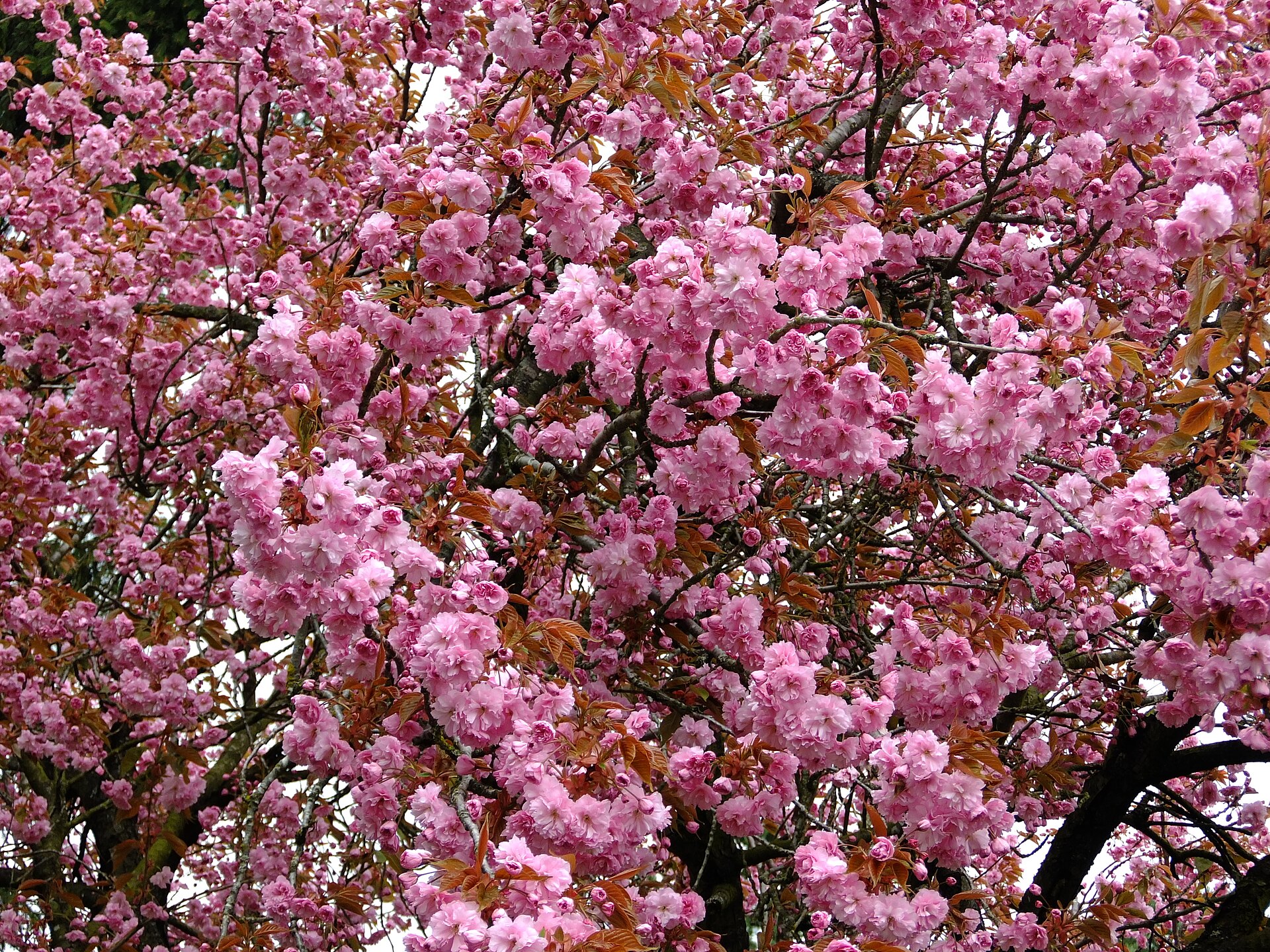
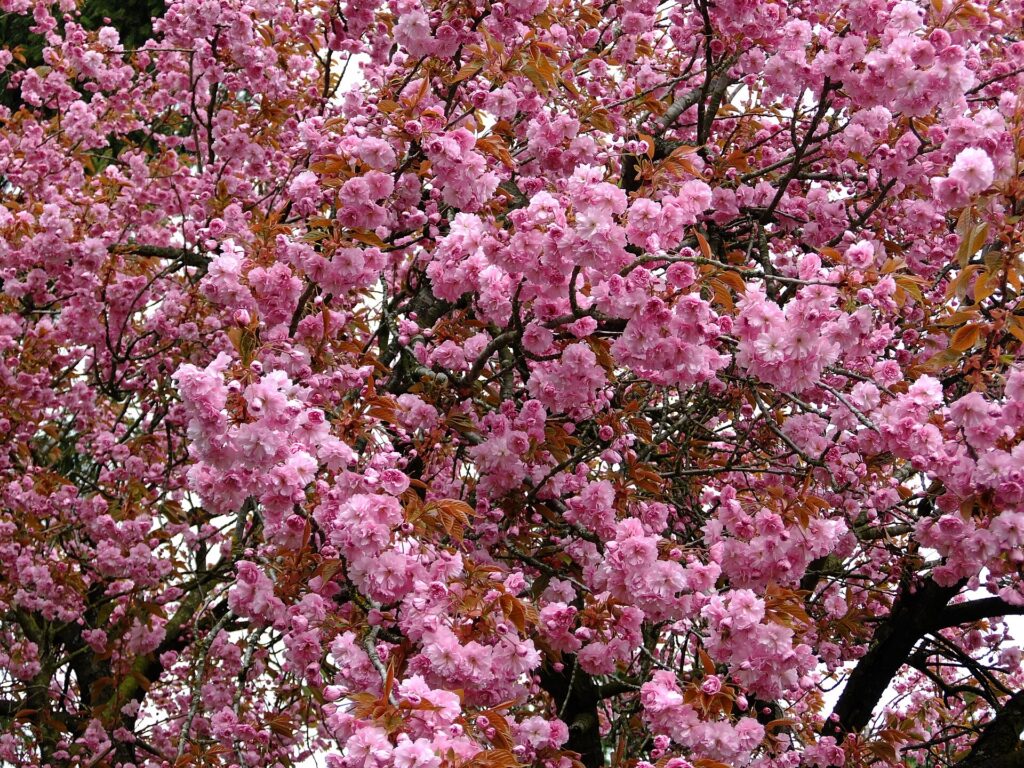
The rain begins to ease and the blossoms take over. Vancouver has tens of thousands of ornamental cherry trees, and from mid-March through April whole streets turn pink; the Vancouver Cherry Blossom Festival celebrates it. The mid-March spring break creates a two-week spike in family travel, especially for the mountains. Book around it and March is a good-value month.
April
Peak blossom season, longer dry spells, and a city that suddenly looks like its postcards. The Vancouver Sun Run, one of the largest 10-kilometre races in the world, fills downtown one Sunday in April. Fares are moderate, hotel rates are still well below summer, and the mountains are usually still skiing. April is an underrated month for a first visit.
May
Spring proper. The Victoria Day long weekend (the Monday before May 25) marks the unofficial start of summer, cruise season begins at Canada Place, and the Vancouver Marathon runs in early May. Fares rise through the month but stay below June; the first half of May is the value window.
June
Long evenings, warm days, and the occasional grey week locals have nicknamed Juneuary. Schools finish at the end of the month and fares step up with them. The Vancouver International Jazz Festival runs around the last week of June into early July, and the Dragon Boat Festival takes over False Creek. If June is your month, travel in the first half.
July
The best weather of the year, and the highest prices. Canada Day on July 1 opens the month with fireworks; the beaches at English Bay, Kitsilano and Jericho fill every evening; and the Celebration of Light fireworks competition brings hundreds of thousands of people to the waterfront on three evenings across late July and early August. Book early and expect downtown hotels to be full on weekends.
August
Still peak, and still dry and warm. The Pride parade fills the West End on the first Sunday of the month, the Pacific National Exhibition (the PNE) runs from the third week of August to Labour Day, and the cruise season is at its busiest. In some years, wildfire smoke from the interior can settle over the city for days at a time; check the air quality forecast if you have respiratory concerns. The last week of August is slightly softer on prices as families head home.
September
Many Vancouverites will tell you this is the best month, and the weather often agrees: dry, clear, warm afternoons and cool evenings, with the mountains sharp on the skyline. Fares and hotel rates fall after Labour Day and the cruise season tails off through the month. The Vancouver Fringe Festival and the start of the Vancouver International Film Festival, which runs from late September into October, are the cultural bookends.
October
Fall colour in Stanley Park and along the Seawall, mild days, and a steady slide toward low-season pricing, apart from the Thanksgiving long weekend on the second Monday. The rains usually return in the second half of the month. Early October is one of the best value-for-weather windows of the year.
November
The wettest month and, with January, the cheapest. The city is grey and the days short, but it is also when the Vancouver Christmas Market opens downtown in the second half of the month, the local ski hills begin to open, and hotel rates are at their annual low. If you are coming for Whistler’s early season or for a food-and-museums weekend, November delivers it for the least money.
December
Two months in one, again. The first half continues November’s pricing with the holiday lights and markets in full swing and the mountains open. From about December 18, fares and hotel rates jump for Christmas and New Year, and Whistler’s holiday weeks drive some of the highest airfares of the whole year into Vancouver. Winter is mild downtown; bring rain gear, not a parka.
Events that move Vancouver flight and hotel prices
Cross-check these against your dates before you book. Exact dates shift each year; Destination Vancouver keeps the current calendar.
- Family Day weekend (third Monday of February) and the surrounding ski weekends.
- Spring break (mid-March, two weeks in most BC districts).
- Victoria Day weekend (Monday before May 25) and the start of cruise season.
- Cruise turnaround weekends (May to October): tens of thousands of passengers pass through downtown hotels on the busiest Saturdays and Sundays.
- Canada Day (July 1).
- Celebration of Light (late July into early August).
- Vancouver Pride (first weekend of August) and the PNE (late August to Labour Day).
- Vancouver International Film Festival (late September into October).
- Thanksgiving weekend (second Monday of October).
- Christmas to New Year, including Whistler’s holiday weeks.
- Major games and concerts at Rogers Arena and BC Place: Canucks playoff runs in spring, Whitecaps and BC Lions home dates, and stadium tours. Our Vancouver events page shows what is on sale for your dates.
Which airport should you fly into?
Vancouver International (YVR)
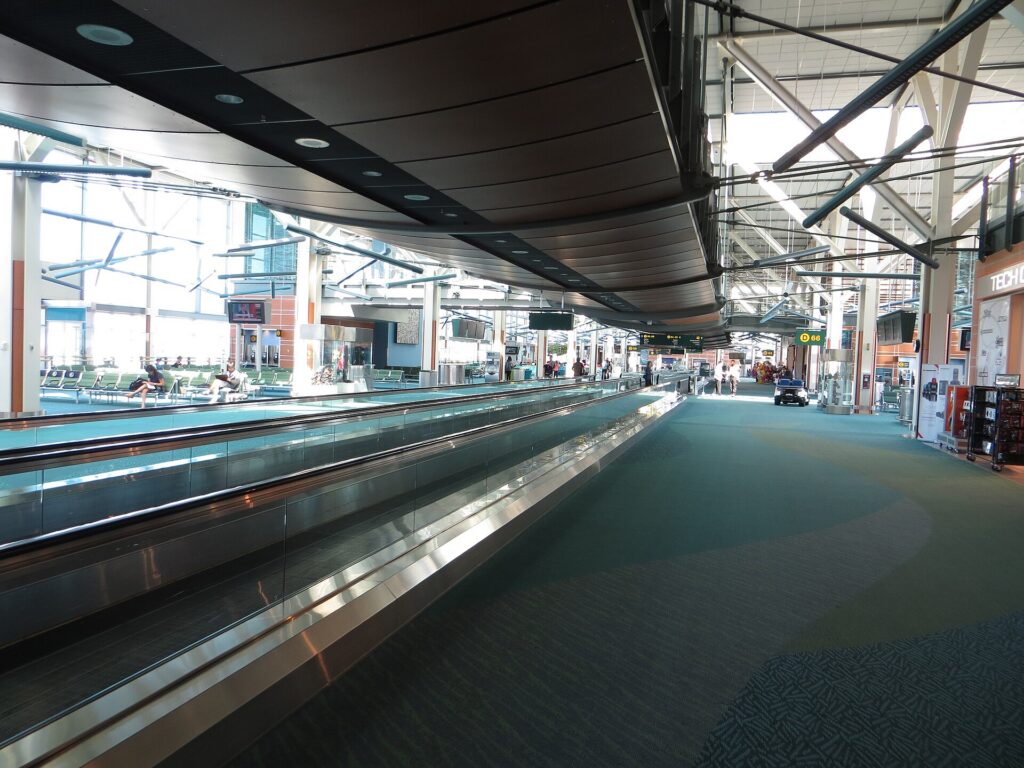
YVR sits on Sea Island in Richmond, about 12 kilometres from downtown, and handles nearly every flight into the region, including the trans-Pacific routes that make Vancouver Canada’s gateway to Asia. Getting downtown is as easy as it gets in North America: the Canada Line SkyTrain runs from a station inside the terminal to Waterfront Station in about 25 minutes, with a modest airport surcharge added to the fare when you board at YVR. Taxis and ride-hail pick up outside arrivals, and the rental counters are in the parkade across from the terminal. TransLink has the transit details; our YVR airport guide covers the layout, and our Vancouver car-versus-transit guide will help you decide whether to book a car at all.
Abbotsford (YXX)
About 70 kilometres east of the city in the Fraser Valley, Abbotsford has periodically hosted low-cost carriers on domestic and sun routes. A very low fare can be worth it with a rental car or if you are heading to the Okanagan or the eastern suburbs; without a car, the trip into downtown is slow. Price the whole journey, not the fare.
Bellingham, Washington (BLI)
Ninety kilometres south, across the border, Bellingham’s airport is a long-standing option for Canadians chasing cheaper U.S. domestic fares. It only makes sense with a car and a passport, and border wait times can erase the savings on a busy day. If you are a visitor rather than a resident, ignore it.
Seaplanes and the ferry
If your trip continues to Victoria or Vancouver Island, Harbour Air flies seaplanes from the downtown waterfront and from YVR’s south terminal, and BC Ferries sails from Tsawwassen, south of the airport. Both are worth factoring into which airport and which side of the city you choose.
Timing tricks that work for Vancouver
- Search the whole month. Vancouver’s fare curve has sharp steps around spring break, the long weekends, and the cruise weekends. A calendar view on TicketScanner shows them instantly.
- Fly mid-week in summer. Saturday and Sunday are cruise turnaround days; Tuesday and Wednesday arrivals avoid both the fare bump and the hotel crush.
- Book the ski weeks early. Christmas, Family Day and spring break fares from Canadian cities rarely fall as the date approaches. November and January fares, by contrast, are stable enough to wait for the right dates.
- Price the hotel first in May through September. A cheap fare into a cruise weekend is not cheap once the room is added. Run a Vancouver hotel search for the same dates before you commit to either.
- Coming from the east? Vancouver is three hours behind Toronto and Montreal. A morning departure eastbound lands mid-afternoon; a red-eye westbound is the classic value flight and worth the tired first day for many travellers. Our note on what to wear on a long flight applies.
- Build a winter buffer. Fog and the occasional Pacific storm can disrupt YVR between November and February; avoid the tightest connections. Our guide to how early to arrive for an international flight covers what to allow.
- Flying out of Vancouver instead? The same seasonality applies in reverse; see cheap flights from Vancouver.
What to pack, by season
Winter (November to February): a waterproof shell with a hood, waterproof shoes, and layers; an umbrella is optional and locals will judge you for it, but it works. A parka is overkill downtown and essential on the mountains. Spring (March to May): a rain shell, a light sweater, and sunglasses; the weather changes by the hour. Summer (June to September): light clothing, a warm layer for the evenings, which cool quickly by the water, and swimwear. Fall (October): the rain shell again, a warmer jacket by late in the month. Year-round, Vancouver is a walking, cycling and hiking city; bring shoes you can cover kilometres in.
The best time to fly to Vancouver for…
Families
The first half of July for guaranteed beach weather with the least peak-price exposure, or the last week of August into Labour Day for the PNE. Spring break works for a ski-and-city split if you book early.
The lowest fares
November, and mid-January to early February outside the Family Day weekend. Pair with Dine Out Vancouver and a day at Whistler or on the local mountains.
Skiing
January and February for snow reliability, March for longer days and softer prices once spring break has passed, with Whistler’s holiday weeks the most expensive of all.
Cherry blossoms and spring
Late March to mid-April. Book a hotel in the West End or Kitsilano and walk.
Food and festivals
Late June to early August for the jazz festival, Celebration of Light and Pride; late January for Dine Out Vancouver at a fraction of the price.
Cruise passengers
Arrive a day or two before the ship, mid-week if you can, and stay downtown; the Canada Place cruise terminal is a short taxi ride or a walk from most central hotels.
Cross-border and international visitors
U.S. citizens need a valid passport; most other visa-exempt travellers arriving by air need an Electronic Travel Authorization. The Government of Canada’s visitor page explains what applies to you, and CATSA lists what you can carry through security.
Frequently asked questions
What is the cheapest month to fly to Vancouver?
November and January are consistently the lowest, followed by early February and early December. The Christmas weeks and the February and March school breaks are the exceptions in winter.
What is the best month to visit Vancouver for weather?
July and August for warmth and dry days, with September a close third and often the clearest. April and May are lovely if you can accept some showers.
Does it really rain all the time in Vancouver?
No. Most of the year’s rain falls from October to March. Summer is dry, and September is often the driest month of all.
Is Vancouver expensive in summer?
Yes: July and August are the most expensive months for flights and especially for downtown hotels, driven by cruise season and the region’s short, perfect summer. Mid-week travel and early booking help.
How far ahead should I book?
Earlier for summer, the holidays and the school breaks, when fares tend only to rise; for November through early February, fares are stable enough that finding the right dates matters more than booking months out.
Should I fly into Vancouver or Seattle?
If Vancouver is the destination, fly into YVR: the Canada Line makes the airport-to-downtown trip trivial, and the border crossing from Seattle can take hours on a busy day. Seattle only makes sense as part of a two-city trip with a car.
When do Vancouver’s cherry blossoms bloom?
From late March into April, depending on the variety and the year, with the peak usually in the first half of April.
Ready to pick your dates? Compare fares across the whole month on our Vancouver flights page, then find a room with our Vancouver hotel search. For what to do when you land, start with our first-timer’s guide to Vancouver.
Keep planning with TicketScanner
- Cheap flights to Vancouver — compare fares across the whole month
- Vancouver hotels — price the room before the flight in cruise season
- Vancouver car rentals — for Whistler and the Sea to Sky
- Events in Vancouver — Canucks, concerts and shows on sale
- Things to do in Vancouver: a first-timer's guide
- Vancouver: rent a car or use transit?
- Vancouver International (YVR) airport guide
- Where to stay: Yaletown
- Best times to book flights and hotels
Leave a Reply