
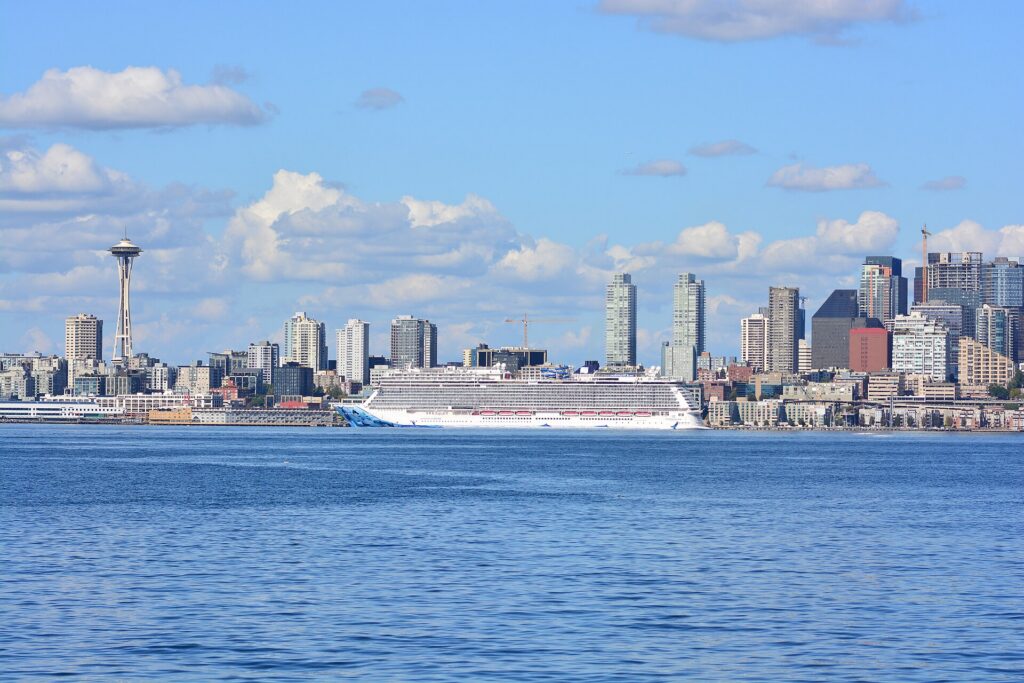
Seattle’s reputation for rain is the first thing most people think of when they plan a trip, and it is the least useful. The city gets less rain in a year than New York, Boston or Miami; what it has instead is a long, soft, gray season from October to May, when drizzle falls on more days than not, and a short, brilliant summer from July to September that is among the driest and most comfortable of any big American city. Airfares follow that summer closely, and they are pushed higher by something most visitors do not see coming: Seattle is the main U.S. home port for Alaska cruises, and from spring to fall, tens of thousands of passengers fly in and out on the weekends to board ships at the downtown piers. Add a large tech-industry business market, a convention calendar, a busy sports schedule, and a steady flow of Canadians coming south from Vancouver, and the “best time” question has a clear answer and a few important exceptions. This guide walks through the weather month by month, the fare seasons, the events and cruise weekends that move prices, and how to handle the airport.
The short answer
For weather, the best time to visit Seattle is July to mid-September, when the rain almost stops, the mountains are out and the evenings are long. For value, the sweet spots are late May and June, when the city is green and the summer rush has not peaked, and the second half of September, often warm and dry with the cruise and family crowds thinning. The cheapest fares usually come from January to early March and in November outside Thanksgiving week, when the city is gray, mild and quiet. The most expensive stretches are July and August, especially Friday to Sunday on cruise-ship weekends, the big summer event weekends like Seafair and Labor Day, and the Thanksgiving and Christmas holidays. Whatever you choose, run a flexible-date search on our Seattle flights page; moving a trip from a Saturday to a Tuesday in summer can change the fare and the hotel rate more than moving it by a month.
Seattle’s weather, season by season
Seattle sits on Puget Sound between the Olympic Mountains to the west and the Cascades to the east, and the Pacific keeps it mild: winters rarely freeze for long, summers rarely get hot, and the city’s rain, about 990 mm (39 inches) a year at the airport, falls mostly as light, persistent drizzle between October and May. The figures below are approximate seasonal patterns at Sea-Tac, based on the long-term climate normals published by NOAA and the National Weather Service’s Seattle office; check the current forecast before you pack, and remember that the mountains an hour away can be twenty degrees colder than the city.
| Month | Typical daytime high | Typical overnight low | What it feels like | Fare pressure |
|---|---|---|---|---|
| January | around 9 °C (48 °F) | around 3 °C (37 °F) | Gray, damp and dark by late afternoon; snow in the city is rare but possible | Low, except the New Year week |
| February | around 10 °C (50 °F) | around 3 °C (37 °F) | Much the same, with a little more light and the odd bright, cold day | Low; rises for Presidents’ Day weekend |
| March | around 12 °C (54 °F) | around 4 °C (39 °F) | Showers and sun breaks; cherry blossoms by the end of the month | Low to moderate |
| April | around 15 °C (59 °F) | around 6 °C (43 °F) | Changeable; tulips in the Skagit Valley; the first cruise ships arrive | Moderate; spring break spike |
| May | around 19 °C (66 °F) | around 9 °C (48 °F) | Greener and drier; long evenings begin | Moderate; cruise weekends start to bite |
| June | around 22 °C (71 °F) | around 12 °C (53 °F) | Pleasant, but often gray until July; locals call it “June gloom” | High, rising through the month |
| July | around 26 °C (79 °F) | around 14 °C (57 °F) | Dry, sunny and long; the driest month of the year | Peak |
| August | around 26 °C (79 °F) | around 14 °C (57 °F) | Warm and dry; heat waves and wildfire smoke are possible in some years | Peak |
| September | around 22 °C (72 °F) | around 12 °C (53 °F) | Often the best month: warm, dry, clear, with cooler nights | High early, easing after Labor Day |
| October | around 16 °C (60 °F) | around 8 °C (46 °F) | Crisp and colorful, with the rain returning by mid-month | Moderate, falling |
| November | around 11 °C (51 °F) | around 4 °C (40 °F) | The wettest month; windstorms are possible | Low, except Thanksgiving week |
| December | around 8 °C (46 °F) | around 2 °C (36 °F) | Dark, damp and festive; snow in the mountains, rain in the city | Low until mid-month, then peak |
Three things the table cannot show. First, the gray: it is the number of cloudy days, not the amount of rain, that defines Seattle’s winter. In midwinter the sun sets around half past four in the afternoon, and whole weeks can pass under low cloud, which some visitors find cozy and others find oppressive; if you are coming for views of Mount Rainier and the Olympics, winter is the season you are least likely to see them. Second, the summer is genuinely dry: July and August together average only a small fraction of the annual rain, humidity is low, and a typical summer day is clear, 25 °C and bright until after nine in the evening. Many homes and older hotels have no air conditioning, so the occasional heat wave, when the temperature can climb well past 32 °C (90 °F), is felt more than the numbers suggest. Third, wildfire smoke: in some recent summers, fires in Washington, Oregon or British Columbia have blown smoke over the city for days at a time, usually in August or September, turning the sky orange and hiding the mountains. It is not every year, and it is unpredictable, but it is worth checking air quality before a late-summer trip built around hiking.
How Seattle’s fare seasons work
Four calendars drive seats into Seattle. The first is the weather, which concentrates leisure travel into the dry months. The second is the Alaska cruise season, roughly late April to October, when ships leave from the downtown piers and from Smith Cove near Magnolia, turning over thousands of passengers every weekend; cruise travelers typically fly in on Friday or Saturday, sail, and fly home a week later, which fills flights and downtown and airport hotels on exactly the days leisure visitors want. The third is business travel: the region’s big tech, aerospace and health employers keep weekday flights busy year-round, and the Seattle Convention Center fills downtown hotels whenever a large conference is in town. The fourth is sports and events, from Seahawks home games in the fall and winter to Seafair, Bumbershoot and the summer stadium concerts. The result is a high, long summer, a winter that is genuinely cheap outside the holidays, and two shoulders where the weather and the prices both cooperate.
Peak season
Late June to early September, plus Thanksgiving week and roughly December 18 to January 2. July and August are the most expensive months for both flights and hotels, and within them, Friday-to-Sunday cruise turnaround days are the sharpest spikes; downtown hotel rates on a summer Saturday can be a multiple of a midweek night in February. If you must travel in peak, book early, fly midweek, and consider arriving on a Tuesday or Wednesday, when the cruise crowds are at sea.
Shoulder season
May to late June and mid-September to October. May and June give you green hillsides, long evenings and blooming gardens, with the risk of cool gray days into early July; September gives you the most reliable weather of the year with thinning crowds after Labor Day. Early October is crisp and colorful, and fares drop steadily through the month. Watch Memorial Day, Labor Day and any weekend with a big convention.
Low season
Early November to mid-December, and January to early March, apart from the holidays and Presidents’ Day weekend. Fares and hotel rates are at their lowest, the museums, restaurants and markets are uncrowded, and the ski areas at Snoqualmie Pass and Stevens Pass, an hour or two east, are open. The trade-off is short days, frequent drizzle and a low chance of seeing the mountains. Pack a waterproof layer and plan an indoor day for every outdoor one.
As elsewhere, midweek departures and early or late flights usually price below Friday and Sunday afternoons on the same route, and a search across a whole month reveals cheaper pairs of dates close to your first choice. Our guide to the best times to book explains how to read those patterns.
Seattle month by month
January
Gray, mild and, after New Year, one of the two cheapest months to fly. Highs hover around 9 °C (48 °F), the rain is usually a drizzle rather than a downpour, and snow in the city is unusual but brings everything to a halt when it comes, because Seattle’s hills and its limited fleet of plows do not mix. The museums, Pike Place Market and the restaurants are at their least crowded, the Kraken are in season, and the Seahawks may be at home in the playoffs. A good month for a food-and-culture trip at low prices.
February
Similar weather with a little more daylight, and low fares outside Presidents’ Day weekend (the third Monday of February), when school breaks send families to the mountains. The Chinese New Year celebrations in the Chinatown-International District fall in late January or February, and the ski areas are at their deepest. Strong value for a city break.
March
Showers, sun breaks and the first real sense of spring. The cherry trees on the University of Washington quad bloom in the second half of the month and draw big weekend crowds; Emerald City Comic Con, one of the larger fan conventions on the West Coast, has taken place in spring in recent years and can fill downtown hotels. Otherwise fares are still low, and March is one of the better value months.
April
Changeable, with warm sunny days, cold showers and everything in between. The Skagit Valley Tulip Festival, about an hour north, runs through the month and packs the fields on weekends; the Mariners’ season is under way; and the first Alaska cruise ships of the year arrive toward the end of the month. Washington’s school spring break, usually in early April, is a small spike. Otherwise a moderate, good-value month.
May
Drier, greener and noticeably longer days. Opening Day of boating season, on the first Saturday of May, fills the Montlake Cut with decorated boats and a rowing regatta; the Seattle International Film Festival starts in the second half of the month; and Northwest Folklife fills Seattle Center over Memorial Day weekend. Cruise weekends start to push up hotel rates. Early May is the value window.
June
Pleasant but often gray until the Fourth of July, which locals call “June gloom”. The Fremont Solstice Parade and festival fall near the solstice, and Pride, one of the largest on the West Coast, fills the last weekend of the month with a parade downtown and events on Capitol Hill. Fares climb from mid-month as schools let out; the first half of June is the last shoulder bargain before summer.
July
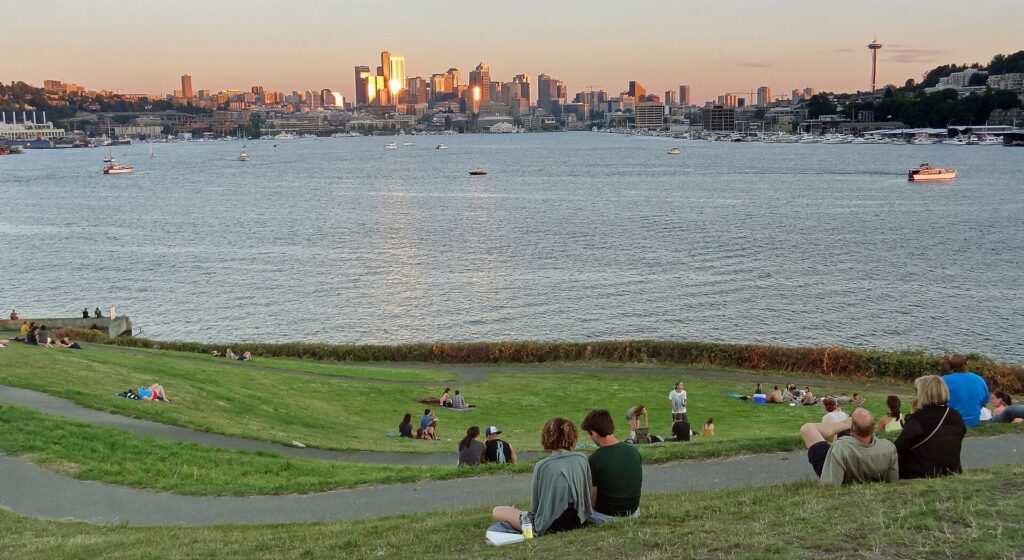
The start of Seattle’s real summer: dry, sunny, and light until well after nine at night. The Fourth of July fireworks over Lake Union draw big crowds to Gas Works Park, Seafair’s neighborhood festivals and parades run through the month, and Mount Rainier’s wildflower season starts late in the month. Every cruise weekend is busy, and fares and hotels are at their annual peak.
August
Warm, dry and busy. Seafair Weekend, usually the first weekend of August, brings hydroplane races and an air show over Lake Washington; the Mariners are chasing the playoffs; and Rainier’s meadows are at their best. Heat waves and wildfire smoke are possible, and the last week, once schools start elsewhere, can be slightly softer on price.
September
The month many Seattleites would send you to. Labor Day weekend brings Bumbershoot to Seattle Center and PAX West, a large gaming convention, to downtown, and hotels are tight; after that, the weather is often the most settled of the year, the summer crowds leave, and fares ease week by week. The Seahawks’ home season and the University of Washington’s football Saturdays begin. The second half of the month is the best value-and-weather combination of the year.
October
Crisp, colorful and increasingly wet, with the rain usually returning for good by the middle of the month. Fall color in the Arboretum and along the Cascades highways, salmon runs in the local creeks, and the Kraken’s season opener fill the calendar, and fares keep falling. The Alaska cruise season winds down over the course of the month.
November
The wettest month, with the occasional windstorm and some of the cheapest fares of the year outside Thanksgiving week, one of the busiest travel periods in the country. The holiday lights go up downtown and at Pike Place late in the month, and the ski areas usually open by Thanksgiving if the snow cooperates.
December
Two months in one. The first half continues November’s low prices, with holiday markets, the lights, the Christmas ships that sail the lakes and the Sound with choirs aboard, and the mountains in early winter. From about December 18, fares jump for the Christmas and New Year holidays, and the Space Needle’s New Year’s Eve fireworks draw crowds to Seattle Center.
Events that move Seattle flight and hotel prices
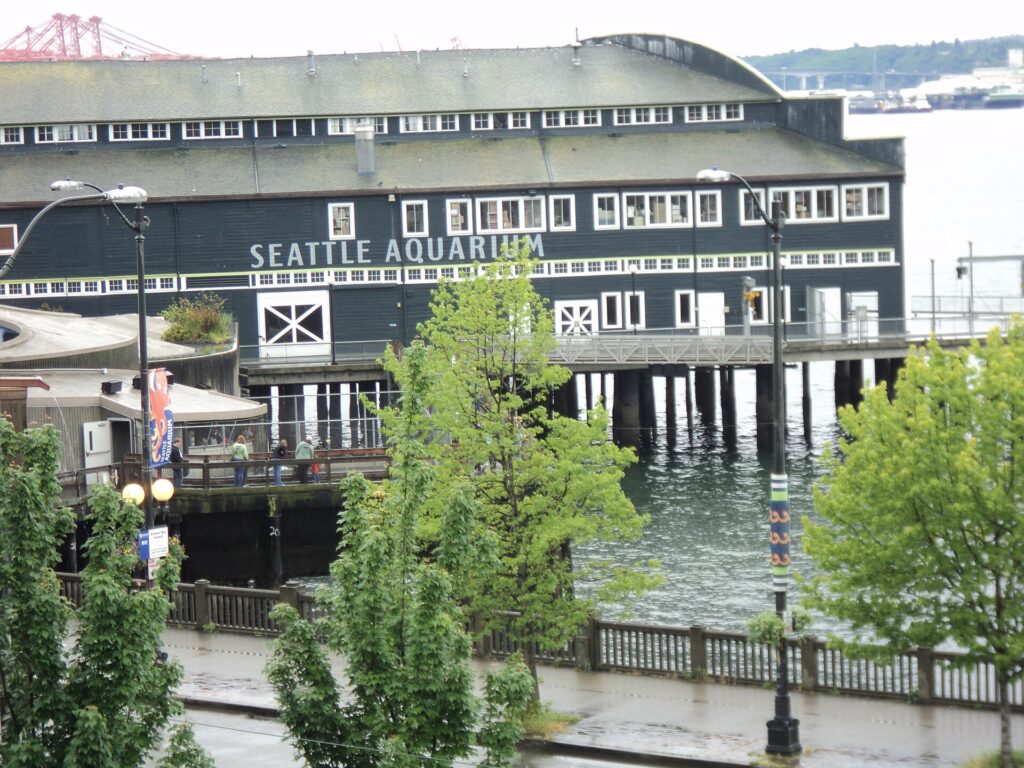
Cross-check these against your dates before you book. Exact dates shift each year; Visit Seattle keeps the current calendar.
- Alaska cruise turnaround weekends (late April to October): the steadiest weekend pressure on flights and downtown hotels all summer.
- Memorial Day weekend and Northwest Folklife at Seattle Center.
- Pride (last weekend of June).
- Fourth of July and Seafair Weekend (usually the first weekend of August).
- Labor Day weekend, with Bumbershoot and PAX West at the same time.
- Large conventions at the Seattle Convention Center, which can fill downtown on weeknights; if midweek rates look strangely high, that is usually why.
- Seahawks home games (September to January) and Mariners, Sounders and Kraken home stands, plus stadium concerts. Our Seattle events page shows what is on sale for your dates.
- Thanksgiving week and Christmas to New Year.
- Canadian long weekends, such as Victoria Day in May, BC Day in early August and Canadian Thanksgiving in October, which bring Vancouver-area visitors south and lengthen the border queues on I-5.
Getting in from the airport
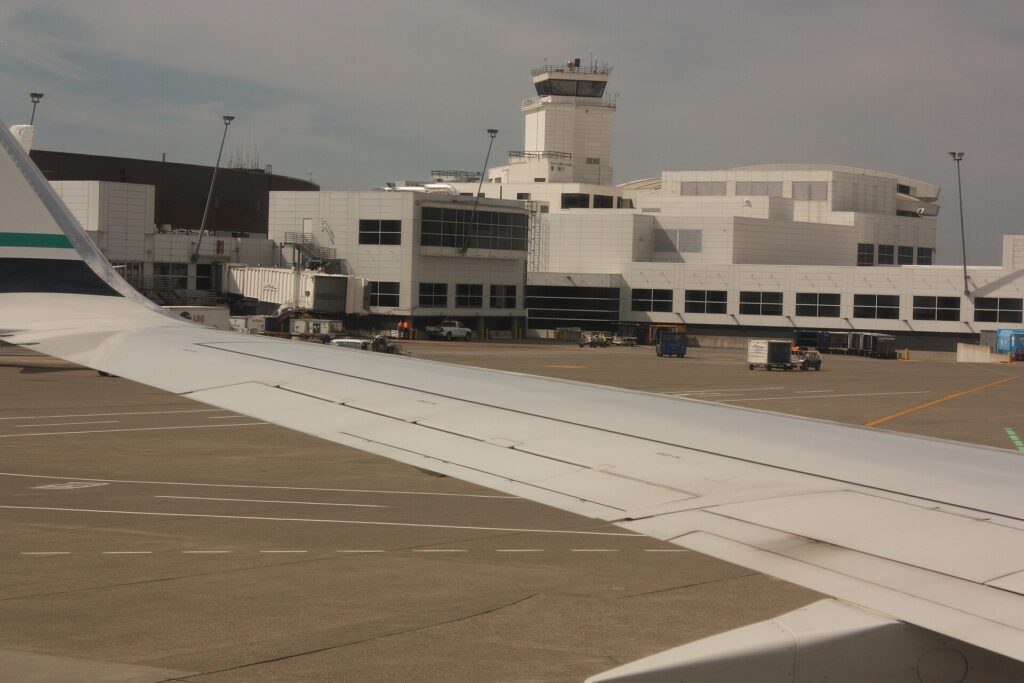
Seattle’s main airport is Seattle-Tacoma International (SEA), run by the Port of Seattle and universally called Sea-Tac, about 20 kilometers (13 miles) south of downtown. It is the main hub for Alaska Airlines and a major hub for Delta, with nonstop flights to most large U.S. and Canadian cities and to Europe and Asia, and it is busy enough that you should allow real time for security at peak hours. Getting downtown: the Link light rail station is a walk across the parking garage from the terminal, and trains reach downtown in roughly 40 minutes; taxis and ride-hail pick up on a floor of the garage; and the rental car facility is a shuttle ride away from the terminal. If you are on a cruise, most lines run transfers from the airport to the piers, and taxis and ride-hail make the trip in 25 minutes to an hour depending on I-5 traffic. For combined trips with Vancouver, it is worth pricing an open-jaw ticket, into Seattle and out of Vancouver International (YVR) or the reverse; Bellingham, near the border, has a small airport with limited service. Our Seattle car-versus-transit guide works through the ground options, and our SEA airport guide covers the layout.
Timing tricks that work for Seattle
- Avoid cruise turnaround days. In summer, Friday to Sunday flights and downtown hotel nights carry the cruise premium. Arrive Tuesday or Wednesday and the same trip can cost noticeably less.
- Book the hotel first in summer. A cheap fare into a Seafair or Labor Day weekend is not cheap once the room is added. Run a Seattle hotel search for the same dates before you commit to either.
- Aim for September. The second half of the month has summer weather at shoulder prices, and it is the local favorite for a reason.
- Consider an open jaw with Vancouver. Seattle and Vancouver are about three hours apart by road or four by train, and flying into one and out of the other can save a long backtrack; our best time to fly to Vancouver guide covers the other end.
- Use winter for a city break. From January to early March, fares and hotel rates are at their lowest and the city’s food, coffee and museums are at their least crowded.
- Allow time at Sea-Tac. Security lines at peak summer and holiday hours can be long; our guide to how early to arrive covers what to allow.
- Flying out of Seattle instead? The same seasonality applies in reverse; see cheap flights from Seattle.
What to pack, by season
Winter (November to February): a warm waterproof jacket with a hood, layers, and shoes that can handle wet sidewalks; do as locals do and skip the umbrella, which the wind turns inside out. Spring (March to May): layers and the same waterproof jacket, because showers and sun breaks alternate hourly. Summer (June to September): light clothing for the days, a sweater or light jacket for the evenings and the ferry decks, sunglasses and sunscreen for the long, bright days, and hiking shoes if you are heading to Rainier or the Olympics. Fall (October): layers again, and the waterproof jacket back in the bag by mid-month. For the mountains in any season, pack warmer than the city requires; the Paradise area of Mount Rainier can have snow on the ground into July.
The best time to fly to Seattle for…
Summer weather and views of the mountains
Mid-July to mid-September, when rain is rare and Mount Rainier and the Olympics are visible most days.
Mount Rainier and the national parks
Late July to early September for wildflowers at Paradise and open high roads; the park has used timed-entry reservations for its busiest areas in peak summer. Mount Rainier National Park has current conditions and requirements.
An Alaska cruise
May, June and September usually offer lower cruise and hotel prices than July and August. Fly in at least a day before sailing, and avoid booking the tightest flight home on disembarkation morning.
The lowest fares
January to early March and November outside Thanksgiving. Pair them with a museum-and-food itinerary and a waterproof jacket.
Families
Late June or late August, when the weather is reliable and the city’s parks, beaches and ferries are at their best; book early, and avoid cruise weekends if you can.
Cross-border and international visitors
Canadians need a valid passport to fly in; travelers from Visa Waiver Program countries need an approved ESTA before boarding, and everyone else needs a visa. U.S. Customs and Border Protection explains what applies to you, and the TSA lists what you can carry through security. If your trip includes Vancouver or Victoria, check the Canada Border Services Agency for what you need to enter Canada, and remember that the rules differ depending on whether you cross by land, sea or air.
Frequently asked questions
What is the cheapest month to fly to Seattle?
January and February are consistently the lowest, followed by early March and November outside Thanksgiving week.
What is the best month to visit Seattle for weather?
August and September, with July close behind. All three are dry and sunny, and September is usually less crowded and cheaper.
Does it really rain all the time in Seattle?
No. The city’s annual rainfall is lower than New York’s or Boston’s; it just falls as frequent light drizzle from October to May. Summers are among the driest of any big American city.
How do Alaska cruises affect Seattle prices?
From late April to October, cruise passengers fill flights and hotels from Friday to Sunday. Midweek arrivals avoid most of that premium.
Should I fly into Seattle or Vancouver for a Pacific Northwest trip?
Price both. Seattle usually has more nonstop options from U.S. cities, but an open-jaw ticket, into one and out of the other, often works best if you plan to visit both.
How far ahead should I book?
Early for July, August, Labor Day and the holidays, when fares tend only to rise; for November through early March, fares are stable enough that finding the right dates matters more than booking months ahead.
When can you see Mount Rainier from Seattle?
On clear days in any season, but most reliably from July to September. Locals say “the mountain is out” when it appears, and in winter it can stay hidden for weeks.
Ready to pick your dates? Compare fares across the whole month on our Seattle flights page, then find a room with our Seattle hotel search. For what to do when you land, start with our first-timer’s guide to Seattle.
Keep planning with TicketScanner
- Cheap flights to Seattle — compare fares across the whole month
- Seattle hotels — book early for cruise weekends
- Seattle car rentals — for Mount Rainier, the Olympics and Vancouver
- Events in Seattle — Seahawks, Mariners, Sounders, Kraken, concerts and shows on sale
- Things to do in Seattle: a first-timer's guide
- Seattle: rent a car or use public transit?
- Seattle-Tacoma International (SEA) airport guide
- Where to stay: Pike Place Market
- Best time to fly to Vancouver
- Best times to book flights and hotels
Leave a Reply