Tag: Travel Essentials

  • Travel Pants for Men: 10 Best Picks for Comfort, Style & Adventure in 2026

    Travel Pants for Men: 10 Best Picks for Comfort, Style & Adventure in 2026

    A good pair of travel pants does more work than almost anything else in your bag. It sits through a long-haul flight without digging in, walks all day through a city, survives being rolled into a backpack, looks presentable at dinner, and dries overnight after a sink wash in the hotel bathroom. A bad pair wrinkles into a mess by the time you land, stays damp for two days after a rain shower, and has one shallow pocket that drops your phone every time you sit down. This guide explains how to choose travel pants for men: which fabrics do what, how stretch, gussets and pockets make a difference, how to get the fit right, which style suits flights, business trips, city breaks, hiking and hot or cold climates, how many pairs to pack and how to care for them on the road. It also covers the pants from our original list, grouped by the kind of traveler each one suits.

    The short answer

    For most trips, pack one pair of stretch travel chinos in a synthetic or synthetic-blend fabric that resists wrinkles and dries quickly, plus one second pair chosen for the trip: technical hiking pants for trails, a smarter pair for business, or lighter pants for heat. Look for stretch, a comfortable waistband, at least one zippered or deep pocket and a fabric that still looks tidy after a day in a bag. Try them on and sit down in them, because the real test of travel pants is hour six of a flight, not a quick look in a store mirror. Wear the heavier pair on the plane, and keep jeans for trips where you will not need to wash or dry anything fast.

    A stack of folded chino pants in different colors on a chair
    Neutral travel chinos in navy, olive or khaki go with every top in your bag (Photo: Menswear Market via Wikimedia Commons, CC BY 2.0)

    What makes pants good for travel

    Fabric

    Fabric decides almost everything: how the pants feel after hours of sitting, how they look after being packed, how fast they dry and how warm they are. The main options are:

    • Nylon and polyester. Synthetic fabrics are the backbone of most travel and hiking pants. They are light, strong, resist wrinkles and dry quickly. Some feel a little technical or shiny, though many modern versions look like regular chinos.
    • Cotton and cotton blends. Cotton is soft, breathable and looks classic, but it wrinkles, holds water and dries slowly. Cotton blended with a synthetic and some stretch fiber is a common middle ground for everyday pants.
    • Wool and merino blends. Wool resists odor, regulates temperature well and drapes nicely, which is why some premium travel trousers use it. It needs gentler care and costs more.
    • Stretch fibers. A small amount of elastane or spandex, blended into almost any fabric, makes pants far more comfortable for flights, stairs and long walks.

    Wrinkle resistance

    Pants that come out of a bag looking tidy save you ironing on every trip. Synthetics and wool blends resist creasing best; pure cotton creases most. Rolling rather than folding helps any fabric.

    Quick drying

    Quick-drying fabric matters more than most people expect. It means a pair you wash in a sink can be dry by morning, you are not stuck in damp pants after a sudden downpour, and you can pack fewer pairs overall.

    Stretch and a gusseted crotch

    Stretch fabric and a gusset, an extra diamond-shaped panel of fabric in the crotch found in many outdoor and travel pants, give you freedom to climb stairs, step up onto trains and sit cross-legged without seams pulling. They also make a big difference to comfort in economy seats.

    Pockets

    Travel pants often add a zippered pocket, deeper front pockets or a hidden pocket for a passport or phone. Zippered pockets stop things falling out when you sit and make a pickpocket’s job harder. Too many bulky pockets, though, make pants look like workwear and feel heavy when loaded.

    Waistband

    A waistband with a little stretch or an adjustable tab stays comfortable after a big meal and through hours of sitting, and some travelers like a slim built-in belt that avoids metal detectors. If you wear a belt, choose one with minimal metal.

    Weight and packability

    Light fabrics pack small and are comfortable in heat but may feel thin in cold wind. Heavier fabrics are warmer and more durable. Think about the climate you are traveling to.

    Fabrics compared

    FabricBest forStrengthsWatch out for
    Nylon or polyester with stretchMost travel, hiking, humid climatesLight, tough, quick-drying, resists wrinklesCan look technical; may hold odors
    Cotton-synthetic blend with stretchCity trips, everyday wearSoft, classic look, some wrinkle resistanceDries slower than full synthetics
    100 percent cotton chinoDry, mild climates, short tripsComfortable and breathable, classic lookWrinkles, holds water, slow to dry
    Stretch denimCasual trips, cool weatherDurable, familiar, hides dirtHeavy, slow to dry, bulky to pack
    Wool or merino blendBusiness travel, cool climatesResists odor and wrinkles, smart drapeCosts more, needs gentle care
    CanvasOutdoor work, road trips, rugged useVery durable, good for cargo stylesStiffer and heavier; slow to dry

    Styles and who they suit

    Travel chinos

    Chino-style travel pants look like ordinary smart-casual trousers but use stretch and faster-drying fabrics. They are the most versatile single pair: fine on a flight, in a museum, at a restaurant and in a casual office.

    Technical hiking pants

    Hiking pants use tough synthetic fabric, often with a gusset, articulated knees and zippered pockets. They are the best choice for trails, wet climates and active trips, and many look acceptable around town.

    Convertible zip-off pants

    Zip-off legs turn pants into shorts. They are practical on hot hikes and safaris where mornings are cool and afternoons hot, though the look is very outdoorsy and the zippers can rub.

    Commuter and five-pocket pants

    These look like jeans or casual trousers but are often made with stretch fabric. They are easy everyday travel pants for city trips.

    Cargo pants

    Cargo pockets give you room for a phone, a map and snacks without a bag. They suit road trips, outdoor travel and casual destinations. Keep valuables out of outer cargo pockets in crowded places.

    Joggers

    Soft joggers are comfortable on long flights and overnight trains. They are less versatile at your destination, so many travelers change on arrival.

    Jeans

    Jeans are familiar and hard-wearing, but they are heavy, bulky, slow to dry and tight when you sit for hours. If you love them, wear them on the plane and pack lighter pants.
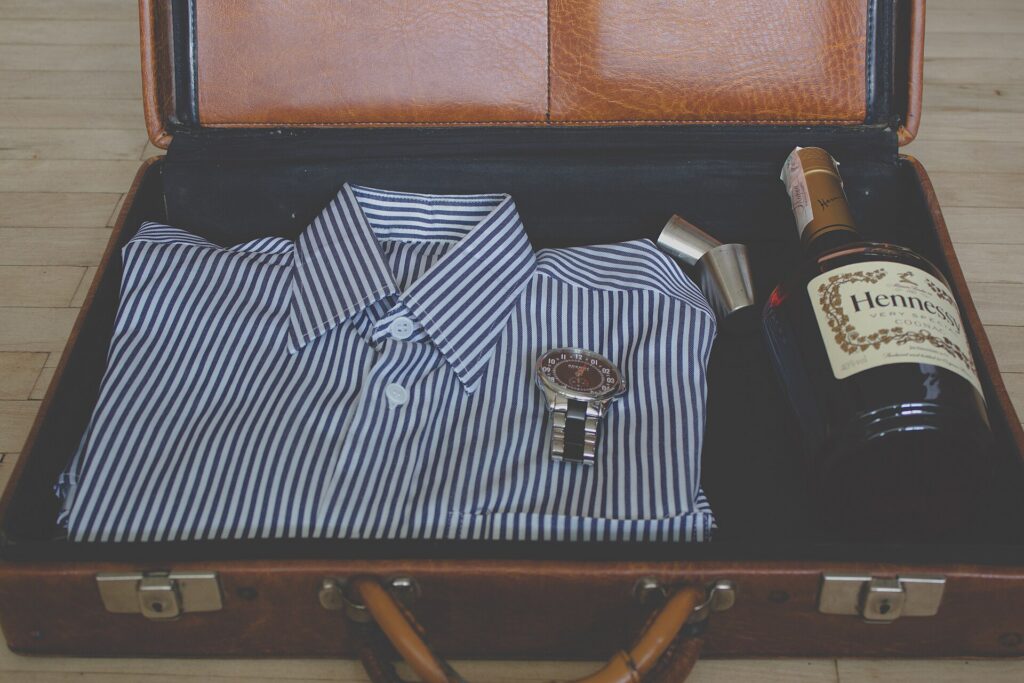
    Clothes and travel essentials being packed into an open suitcase
    Two quick-drying pairs and a sink wash cover most trips of any length (Photo: Angelina Litvin linalitvina via Wikimedia Commons, CC0)

    How to get the fit right

    • Sit down. Sit in the pants for a few minutes, cross your legs and lean forward. If the waist digs in or the seat pulls, they will be worse on a flight.
    • Squat and step. A deep squat and a high step test the gusset and stretch. You should not feel seams pulling.
    • Check the rise. A mid rise tends to be most comfortable for long sitting; a very low rise can feel insecure and a very high rise can press on your stomach.
    • Get the leg and hem right. A slim, tapered leg looks tidy and stays out of the way on stairs. The hem should sit on top of your walking shoes without bunching or dragging on the ground.
    • Allow for a loaded pocket. Put your phone and wallet in the pockets you will use. Some slim cuts become uncomfortable once pockets are full.
    • Check the maker’s size chart. Sizes and cuts vary a lot between brands, and fits such as straight, relaxed, slim and athletic mean different things to different makers.

    Match the pants to the trip

    Long-haul flights

    Comfort is everything. Stretch, a soft or stretchy waistband and a fabric that does not crush into deep creases all help. Loose enough at the ankle is useful too, especially if you wear compression socks on long flights. A zippered pocket keeps your phone from sliding into the seat gap.

    Business trips

    Choose a travel chino or wool-blend trouser in a neutral color that works with a blazer and dress shoes. A wrinkle-resistant fabric means you can wear them from the airport straight into a meeting.

    City breaks

    Smart-casual travel chinos or five-pocket stretch pants look at home in cafés and restaurants and handle long walking days. Pair them with the kind of shoes in our guide to comfortable walking shoes for traveling. In many places of worship, covering your knees is expected, which is another reason to pack at least one pair of long pants even in summer. Canada’s travel advice pages include a laws and culture section for each country, which often mentions dress norms.

    Hiking and outdoor trips

    Technical hiking pants in a durable, quick-drying synthetic with a gusset are the right tool. Avoid cotton on long hikes, since it stays wet and cold. If you are carrying a pack, our guide to hiking backpacks covers fit and loads.

    Hot and humid destinations

    Choose light, breathable, quick-drying fabrics in lighter colors. In places with mosquitoes or ticks, long pants help protect your legs, especially at dawn and dusk. The CDC explains how permethrin-treated clothing and gear can be used to prevent bites; follow the product instructions and never apply clothing treatments to skin.

    Cold weather

    Heavier fabrics, wool blends or lined pants help, but the most flexible approach is a thin thermal base layer under your regular travel pants. That keeps you warm outdoors and comfortable indoors without packing a second heavy pair.

    Pants from our original list

    The pants below were featured in the original version of this guide. They are grouped by the kind of traveler they suit rather than ranked, and the descriptions reflect each product’s style and name rather than test results. Fabrics, fits and features change between versions, so check the maker’s current product page and size chart before you buy.

    Smart and business-friendly

    Haggar Sport Men’s Travel Performance Pant. Haggar is a long-established American trouser brand, and its Travel Performance line is positioned as a smart pant for travelers who want to go from the airport to a meeting or dinner. A pant like this suits business travelers and anyone who wants a classic look with stretch and easy care.

    prAna Men’s Brion Pant. prAna is an outdoor and lifestyle brand, and the Brion is its well-known everyday pant with a clean, chino-like look and stretch. It suits travelers who want one pair that works on a trail in the morning and a restaurant in the evening, and it sits at the premium end of this list.

    Everyday travel chinos

    Unionbay Men’s Rainier Travel Tech Chino. Unionbay‘s Rainier is a lightweight travel chino aimed at comfort and versatility. It suits city breaks, airport days and casual trips where you want a chino look with more give than traditional cotton.

    Amazon Essentials Men’s Commuter Pants. A budget commuter pant with a clean, modern look and stretch fabric. It suits travelers who want an affordable everyday pair for flights, city walking and casual dinners.

    Amazon Essentials Men’s 5-Pocket Stretch Twill Pants. A jeans-style five-pocket pant in stretch twill. It suits travelers who like the look and pockets of jeans but want something lighter and more comfortable for sitting.

    Outdoor and hiking

    ATG by Wrangler Men’s Cliffside Utility Pant. A synthetic utility pant from Wrangler’s outdoor-oriented ATG range. Synthetic outdoor pants like this suit hiking, camping and adventure travel where you need freedom of movement and fabric that dries quickly.

    Pudolla Men’s Lightweight Hiking Pants. A budget hiking pant that its seller describes as lightweight and quick-drying with zippered pockets. Pants of this type suit active trips, casual hikes and warm-weather travel. Build quality varies more with budget outdoor brands, so check the fabric details and return policy.

    Columbia Men’s Flex ROC Pant. Columbia is one of the best-known outdoor clothing brands, and the Flex ROC is a casual, outdoor-style pant with stretch. It suits road trips, park visits and travelers who want a rugged look that still works in town. Check the fabric content for the version you buy, since cotton-rich pants dry more slowly than synthetics.

    Cargo and rugged

    Lee Men’s Extreme Motion Canvas Cargo Pant. Lee’s Extreme Motion range is built around stretch and ease of movement, and this canvas cargo version adds cargo pockets. It suits road trips and outdoor travel where you want storage without a bag. Canvas is durable but heavier and slower to dry than synthetic travel fabrics.

    Wrangler Authentics Men’s Relaxed Fit Stretch Cargo Pant. Wrangler’s relaxed stretch cargo pant offers a roomy fit and plenty of pockets at a budget price. It suits casual trips, camping and travelers who prefer a looser cut.

    A marked hiking trail crossing a colorful volcanic mountainside
    On trails and in wet weather, synthetic hiking pants dry fast where cotton stays cold and heavy (Photo: Jakub Hałun via Wikimedia Commons, CC BY 4.0)

    How many pairs to pack

    With quick-drying fabrics, two pairs of pants cover most trips of any length: one to wear and one to wash or keep clean for evenings. For trips over a week, add laundry rather than more pants. A simple formula that works for many travelers:

    • One versatile travel chino in a neutral color, worn on travel days.
    • One second pair for the trip: hiking pants, a smarter trouser, lightweight pants for heat or a pair of shorts.
    • Optional joggers or sleep pants for flights, trains and hotel rooms if you have room.

    Choose colors that work with every top you pack. Navy, charcoal, olive and khaki hide dirt and match most things. Our main guide to choosing travel luggage covers how to build a light carry-on kit around a few versatile pieces, and a travel pack like the one in our Peak Design Travel Backpack 45L guide makes it easy to carry.

    Packing pants so they arrive wearable

    • Roll synthetics and casual pants. Rolling saves space and reduces sharp creases.
    • Fold smart trousers along the crease. Lay them flat on top of other clothes or use a garment folder.
    • Use packing cubes. Cubes keep pants compressed and stop them getting crushed under shoes.
    • Hang them on arrival. Hanging pants in a steamy bathroom while you shower relaxes many wrinkles.

    Washing and drying on the road

    Quick-drying pants are only useful if you wash them the right way. Wash in a sink with a little travel detergent or shampoo, rinse well, then roll the pants tightly in a towel and press or stand on the roll to squeeze out water. Hang them overnight somewhere with airflow, away from direct heat. Most synthetic travel pants will be dry or nearly dry by morning; cotton blends take longer. Check the care label, and avoid high heat for technical fabrics and stretch fibers.

    Airport security and your pants

    Metal belt buckles, rivets and some zippers can set off metal detectors. Screening procedures vary by airport and country and change over time, so check the rules for your departure airport. In the United States, the TSA explains the process on its security screening pages; in Canada, see CATSA’s guidance. Empty your pockets into your bag before you reach the checkpoint, and choose a belt with minimal metal or put it in the tray to speed things up.

    Pockets, valuables and pickpockets

    Pants pockets are where many travelers lose phones and wallets, especially back pockets in crowds. A zippered pocket helps, but for passports, spare cards and larger amounts of cash, a money belt worn under your waistband is safer. Keep only a day’s cash and one card in your front pocket, and use a secure bag such as one of the anti-theft backpacks we cover for everything else. Our guide to passport holders covers the rest of your document kit.
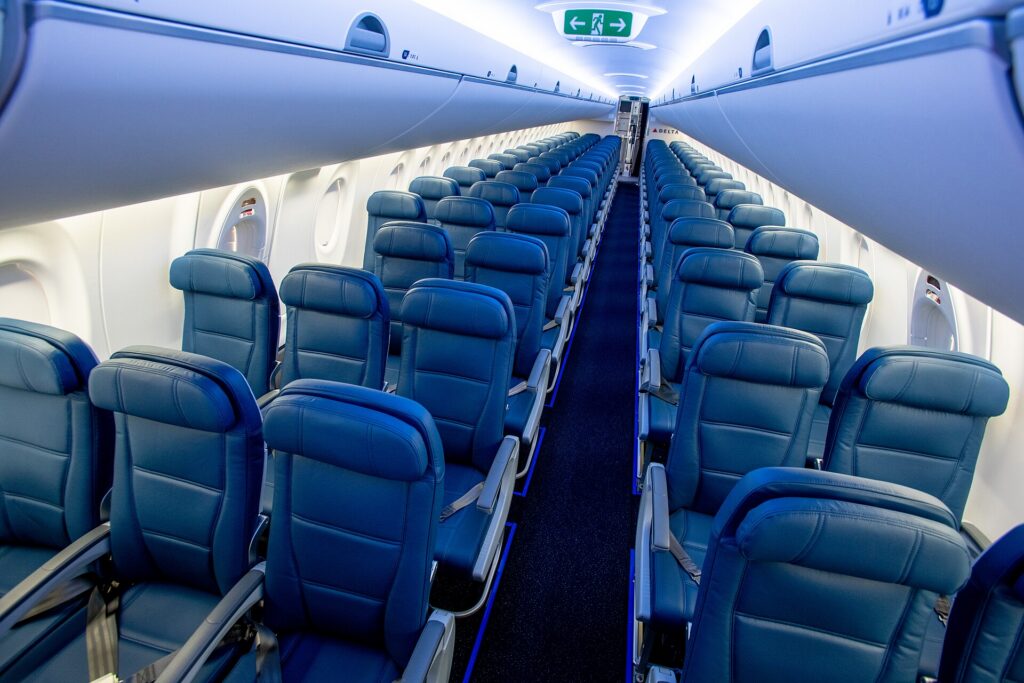
    Rows of economy seats in the main cabin of a narrowbody airliner
    The real test of travel pants is hour six in an economy seat, so sit down in them before you buy (Photo: Delta News Hub via Wikimedia Commons, CC BY 2.0)

    Care that makes travel pants last

    • Follow the care label. Many technical fabrics dislike high heat, fabric softener and bleach.
    • Wash less, air more. Hanging pants to air out between wears reduces washing, which extends their life.
    • Close zippers before washing. Open zippers snag other clothes and wear out faster.
    • Repair small damage early. A loose button or a small tear is easy to fix before it spreads.
    • Retire them honestly. Thin seat fabric and worn-out stretch are signs a pair is near the end of its travel life; demote it to home use.

    Common mistakes

    • Flying in stiff jeans. Heavy denim is uncomfortable after hours of sitting and slow to dry if you need to wash it.
    • Buying without sitting down. The seat and waist only reveal themselves when you sit.
    • Packing too many pairs. Two quick-drying pairs and a sink wash beat four slow-drying ones.
    • Choosing cotton for hiking or humid trips. It stays wet and heavy.
    • Keeping valuables in back pockets. Use zippered front pockets or a money belt.
    • Forgetting local dress norms. Long pants are expected in many religious sites and some restaurants.
    • Picking a color that matches nothing. Neutral colors work with every top in your bag.

    Frequently asked questions

    What are the best pants to wear on a long flight?

    Pants with stretch, a comfortable waistband and a fabric that resists wrinkles. Travel chinos and soft joggers are popular choices. Avoid stiff denim and tight waistbands.

    What fabric is best for travel pants?

    For most travelers, a nylon or polyester fabric with some stretch, because it is light, tough, wrinkle-resistant and quick-drying. Cotton blends look more classic but dry slower, and wool blends are good for business and cool climates.

    How many pairs of pants should I pack for two weeks?

    Two or three pairs of quick-drying pants are enough for most people if you can do a sink wash or use a laundry once. Add shorts or joggers if the climate or trip calls for them.

    Are hiking pants acceptable for city travel?

    Many modern hiking pants look close to casual chinos and work well in cities. Very technical styles with lots of pockets or zip-off legs look outdoorsy, which may matter in smarter restaurants.

    Can I wear jeans for travel?

    Yes, especially in cool weather and on trips where you will not wash clothes. They are heavy and slow to dry, so wear them on the plane rather than packing them, and bring a lighter second pair.

    Do travel pants with hidden pockets stop pickpockets?

    Zippered and hidden pockets make theft harder, but they are not a guarantee. Keep only a day’s cash and one card in your pants, and carry passports and backups in a money belt or a secure bag.

    Should I buy pants with insect protection?

    If you are heading somewhere with mosquitoes or ticks, long pants help, and the CDC explains how permethrin-treated clothing can reduce bites. Follow product instructions and your destination’s health advice.

    With your travel wardrobe sorted, plan the trip that will put it to work. Compare fares on our flight search, including flexible dates, find a hotel that suits your plans on our hotel search, and pick up a car for road trips and trailheads on our car rental search. For a city break that rewards comfortable, smart-casual pants, start with flights to London and our guide to things to do in London, and for the rest of your kit, see our main guide to travel luggage.

  • Must-Have Travel Essentials for Indian Travelers (and Visitors to India)

    Must-Have Travel Essentials for Indian Travelers (and Visitors to India)

    Travel between India and the rest of the world is a constant flow in both directions: students heading to Canada, the UK and Australia, families visiting relatives in Toronto or New Jersey, professionals flying to conferences in Europe and Singapore, and millions of visitors arriving in India for weddings, business, festivals and some of the most varied travel on earth. Whichever direction you are going, the essentials are surprisingly similar. You need the right documents and a visa or electronic authorization where required, a way to charge your devices in a country with different plugs, a carry-on that gets you through a long-haul flight comfortably, and a few small items that make daily life easier when things work differently from home. This guide covers both journeys: packing and planning for Indian travelers going abroad, and practical preparation for travelers visiting India. We point to official government sources for every rule, because visa and entry requirements change and only the official source is authoritative.

    The short answer

    For any trip into or out of India, start with documents: a passport with plenty of validity, the visa or electronic authorization your destination requires (checked on that government’s official website) and printed or offline copies of bookings. Then sort power: India uses plug types C, D and M at 230 volts, so check the plug type and voltage at your destination and pack a suitable adapter. Carry a power bank in your carry-on, never in checked baggage. Build a long-haul comfort kit: neck pillow, eye mask, earplugs or headphones, a warm layer and a refillable bottle. Keep medicines in original packaging with a copy of any prescription. And add the small items that make you comfortable, whether that is a handheld bidet bottle, familiar snacks you have declared at customs or a light scarf for visiting places of worship.

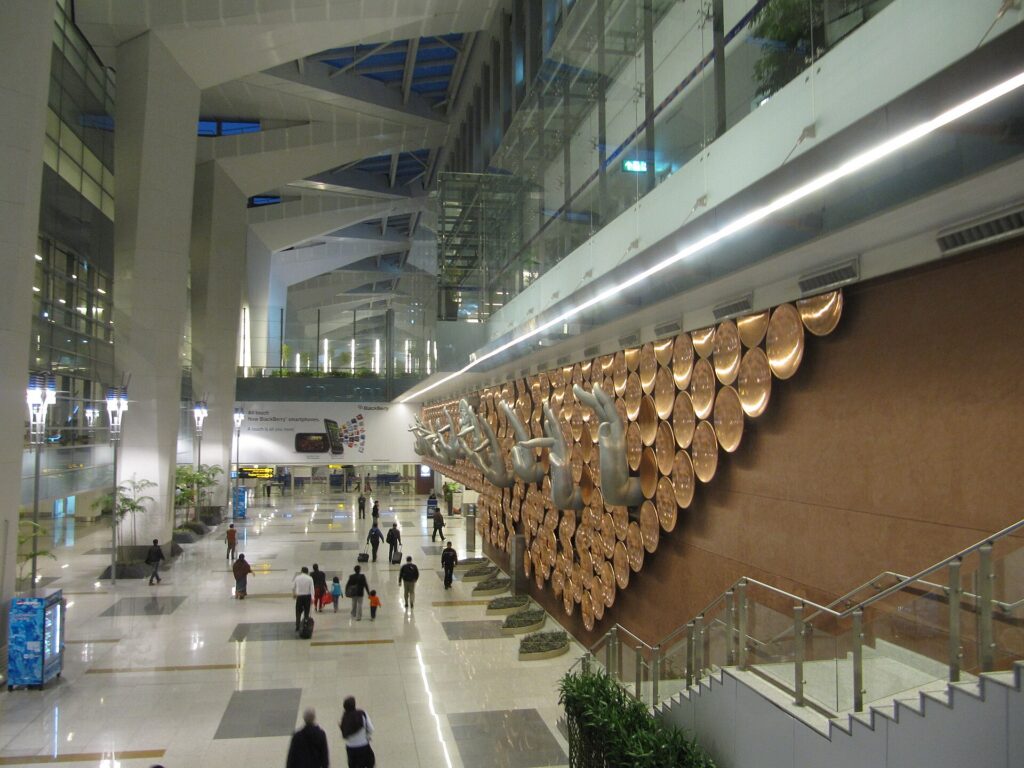
    The departures hall inside Terminal 3 at Indira Gandhi International Airport in New Delhi
    Delhi's Terminal 3 handles many of the long-haul flights between India and North America, Europe and the Gulf (Photo: PDXDUS via Wikimedia Commons, CC0)

    Documents and visas: the principles

    Entry rules are the one area where a mistake can end a trip before it starts, and they change often. We will not list country-by-country requirements here. Instead, here is how to check them properly.

    1. Your passport

    Many countries expect your passport to be valid for a period beyond your planned stay, and some require blank pages for stamps. Check your destination’s rule well before you book. Indian citizens apply for and renew passports through the Ministry of External Affairs’ Passport Seva portal; start early, since you may need an appointment at a Passport Seva Kendra.

    2. Visas and electronic travel authorizations

    Always use the destination government’s own website. For the most common routes from India:

    • Canada: Immigration, Refugees and Citizenship Canada’s tool to check if you need a visa or eTA asks about your citizenship, how you are traveling and why.
    • United States: the US State Department’s US visas section explains the types of US visas and how to apply.
    • Other destinations: go to the official immigration or foreign affairs website of the country you are visiting, not a third-party site.

    Two warnings. Unofficial sites that look like government portals often charge high “service fees” for applications you can make directly. And transit rules matter: some countries require a transit visa even if you never leave the airport, depending on your nationality and route.

    3. What your airline checks: IATA Timatic

    At check-in, airlines verify that you have the documents to enter your destination and any transit country. Most use IATA’s Timatic database for this. IATA describes its IATA Travel Centre as a source of passport, visa and health requirement information drawn from the same database used by virtually every airline. It is a useful cross-check, but the destination government’s own site is the final word, and the airline can deny boarding if your documents do not meet the requirements.

    4. Copies and backups

    Keep a photo of your passport data page, visa and bookings in your phone and in cloud storage, and a printed copy in a separate bag. If your passport is lost abroad, contact the nearest Indian embassy or consulate (or your own country’s embassy if you are visiting India) as soon as possible.

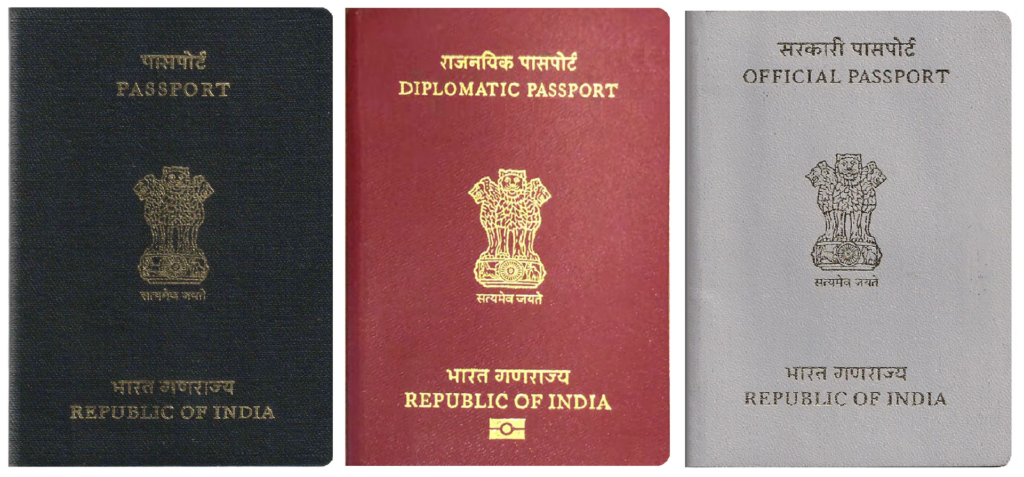
    Ordinary, official and diplomatic Indian passports side by side
    Check your passport's validity well before you book; many countries require it to extend beyond your stay (Photo: Vikassinghhhh via Wikimedia Commons, CC BY-SA 4.0)

    Visiting India: eVisa and arrival basics

    If you are traveling to India from abroad, the Government of India’s official portal is Indian Visa Online (eVisa). Here is what the portal itself sets out:

    • eVisa categories include e-Tourist, e-Business, e-Medical, e-Medical Attendant, e-Student, e-Transit and others. The e-Tourist visa comes in several durations; check the current options and conditions on the portal.
    • The process is to apply online and upload a photo and passport page, pay the fee online, receive an Electronic Travel Authorization (ETA) by email, then present the ETA at the immigration check post, where the eVisa is stamped in your passport.
    • Eligibility and entry points: the portal lists which nationalities can use the eVisa and the authorized airports and seaports through which eVisa holders can enter. Check both before you book, especially if you plan to arrive by land or sea.
    • No express fees: the portal advises that the Government of India makes no provision for charging emergency or express fees for an eVisa. Treat any site that charges one with suspicion.
    • e-Arrival card: the portal notes that foreigners and OCI cardholders can complete the e-Arrival card online within 72 hours before arrival, and that this is for arrival information, not a visa.

    The portal also advises travelers to read the instructions on the Bureau of Immigration website. Canadians should also read the Government of Canada’s travel advice for India, which covers entry requirements, safety, health and local laws from a Canadian perspective.

    Power: plugs, voltage and adapters

    India uses plug types C, D and M, at 230 volts and 50 hertz. Type D (three round pins in a triangle) is the most common for everyday sockets, type M is a larger three-pin version used for heavier appliances, and type C is the familiar two-pin plug. Many Indian hotels and homes have universal or multi-standard sockets, but you cannot count on it. The International Electrotechnical Commission’s World Plugs page shows the plug type and voltage for every country; check your destination before you pack.

    RegionPlug typesVoltageWhat an Indian traveler needs
    IndiaC, D, M230 VVisitors from North America need a C or D adapter and dual-voltage devices
    Canada and the United StatesA, B120 VA/B adapter; check that each device accepts 120 V
    United KingdomG230 VG adapter
    Most of continental EuropeC, F (plus E in some countries)230 VA two-pin C plug often fits; an adapter covers the rest
    AustraliaI230 VI adapter
    SingaporeG230 VG adapter

    Confirm the details for your exact destination on the IEC World Plugs page, since some countries use more than one type.

    Adapter or converter?

    An adapter only changes the shape of the plug. A converter changes the voltage. Most phone, tablet and laptop chargers are designed to accept a wide range of voltages; look for an input rating such as “100-240V” printed on the charger. If you see that, an adapter is all you need. High-power heating appliances such as hair dryers, straighteners and kettles are often single-voltage; a 230-volt Indian appliance should not be plugged into a 120-volt North American outlet through an adapter alone, and vice versa. Many travelers simply buy a dual-voltage appliance or leave it at home.

    What to pack

    • A universal travel adapter with USB ports, or two simple adapters for your destination.
    • A compact multi-port charger to charge several devices from one socket. Our guide to 3-in-1 chargers covers compact options for phone, watch and earbuds.
    • A short extension or travel power strip with the right plug, useful in hotel rooms with a single socket.
    • Cables for every device, plus one spare.
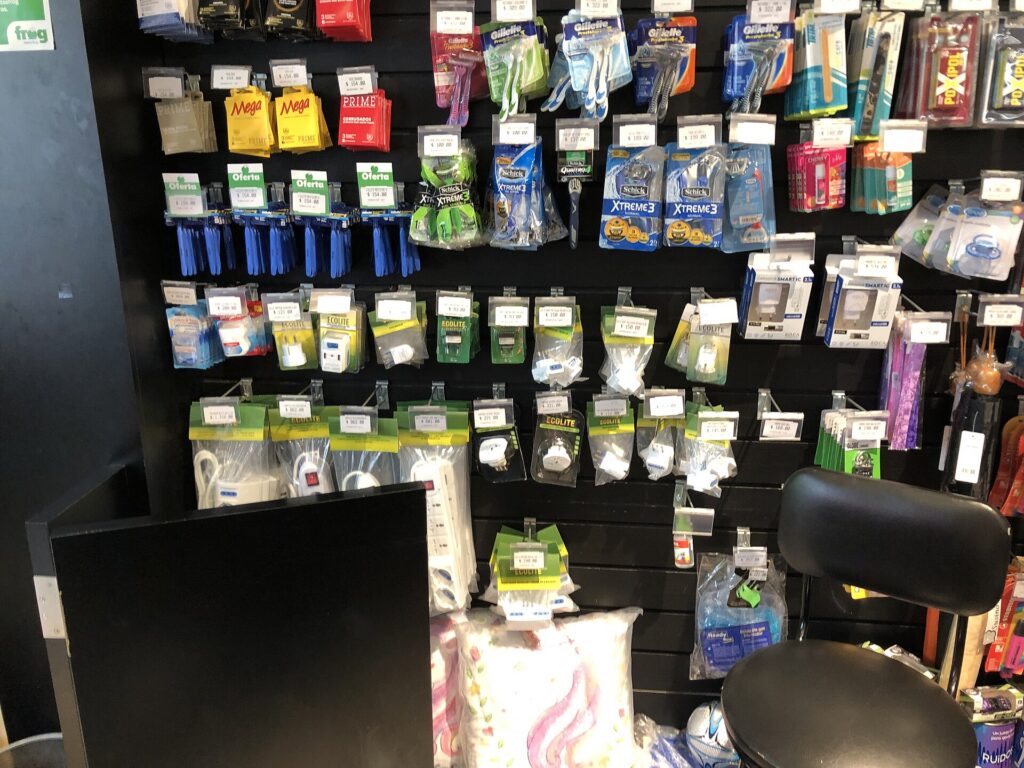
    Travel plug adapters and power strips hanging on a store display
    An adapter changes the plug shape, not the voltage; check each device's input rating before you plug in (Photo: Grandmaster Huon via Wikimedia Commons, CC0)

    Power banks and batteries

    A power bank is essential for long travel days, but it has to go in your carry-on. The US Federal Aviation Administration states that spare lithium batteries, including power banks and battery charging cases, must be carried in carry-on baggage only, and that many airlines have stricter limits on how many you can bring. Rules in India and other countries follow similar principles, and individual airlines may restrict using or charging power banks on board. Check your airline’s current policy before you fly, and if your cabin bag is checked at the gate, take the power bank out first.

    Essentials for Indian travelers going abroad

    A long-haul comfort kit

    Flights from India to North America are among the longest in the world, and even flights to Europe or with a Gulf connection make for a long day. A small kit makes a real difference:

    • A neck pillow that suits how you sleep; see our guide to airplane pillows
    • An eye mask and earplugs, or noise-cancelling headphones; see our guide to noise-cancelling headphones
    • A warm layer or shawl, since cabins get cold
    • Comfortable socks and slip-on shoes
    • A refillable water bottle, empty through security
    • A phone holder that clips to the seatback, if you like watching your own downloads
    • Toothbrush, lip balm and small toiletries within liquid limits

    Our guide to sleeping on flights covers seat choice, jet lag and drug-free ways to rest on a long-haul flight.

    Packing cubes and smart luggage

    Packing cubes keep clothes, gifts and electronics separate, make security checks faster and help you repack after a stopover. They are especially helpful for family trips and for students moving abroad with a lot of luggage. Check your airline’s baggage allowance carefully: some fares allow a number of pieces with a weight limit per bag, others a total weight, and allowances often differ between the international and domestic legs of a trip. A luggage scale saves arguments at the check-in counter. Our main guide to travel luggage explains carry-on vs checked bags, hardside vs softside and how airline size rules work.

    Documents wallet and security

    A passport holder or travel wallet keeps your passport, visa printouts, boarding passes and cards together. For busy cities and transit, a money belt or hidden pocket keeps backup cash and cards safe. See our guides to passport holders, money belts and anti-theft backpacks.

    Handheld bidet or peri bottle

    Washing with water after using the toilet is the everyday norm in India and in many other countries, while bathrooms in North America, the UK and much of Europe often provide only toilet paper. A collapsible peri bottle or a compact portable bidet sprayer solves this simply and discreetly. Pack it empty; it takes very little space. Travelers visiting India from abroad will often find a hand shower or tap next to the toilet and may want to carry some tissue as well.

    Clothing for a different climate

    If you are heading to Canada, the northern United States or northern Europe between late autumn and spring, a proper winter coat, gloves, a hat and waterproof shoes are essential, and they are often easier to buy after you arrive, where the range suits local conditions. Pack layers rather than one heavy item, and wear your bulkiest shoes and jacket on the plane to save space. For long walking days, see our guide to comfortable walking shoes.

    Food from home and customs

    Many travelers carry snacks, spices or sweets from home, and it is a lovely part of visiting family. But customs rules on food are strict in many countries, particularly for meat, dairy, fresh fruit, vegetables and seeds. The safe principle is to declare all food on your customs form or to the officer when you arrive; undeclared food can lead to fines, while declared food is either allowed or simply taken away. Check the destination’s customs agency website before you pack, and keep homemade items well sealed and labeled.

    Medicines

    Carry prescription medicines in their original labeled packaging in your carry-on, with a copy of the prescription and a letter from your doctor for anything unusual. Some medicines that are sold over the counter in one country are controlled in another, so check the destination’s rules. A small travel first aid kit covers minor needs on the road.

    Money and connectivity

    Tell your bank you are traveling, carry at least two cards from different networks and keep some local currency for your arrival. A forex card or a card without foreign transaction fees can reduce costs. For your phone, compare an international roaming pack with a local SIM or eSIM at your destination, and make sure your phone is unlocked if you plan to use a local SIM. Download offline maps and your airline’s app before you leave.

    Essentials for travelers visiting India

    Health preparation

    The CDC’s India travel health page recommends seeing your doctor at least a month before your trip for any vaccines or medicines you may need (source: CDC). It also advises choosing safe food and drinks and practicing good hand hygiene, and recommends protecting yourself from mosquito bites with insect repellent, long sleeves and pants, and air-conditioned or screened rooms, noting that several mosquito-borne diseases cannot be prevented by vaccines alone (source: CDC). Pack hand sanitizer, a refillable bottle for filtered or bottled water and insect repellent, and see a travel health clinic for advice specific to your itinerary.

    Clothing and respect for local customs

    India is vast and diverse, and dress norms range from very relaxed in big cities and beach areas to more conservative in rural areas and at religious sites. Light, breathable cotton and linen suit most of the country for much of the year. Bring a light scarf or shawl: it is useful for covering your head where that is expected, for example in gurdwaras, and for covering shoulders at temples and mosques. Shoes are removed at many places of worship, so slip-ons are practical, and a pair of socks helps on hot stone floors. When in doubt, watch what others do or ask; people are generally happy to explain.

    Weather and seasons

    Much of India has a hot season, a monsoon season roughly from early summer into early autumn, and a cooler dry season in winter, but the pattern varies widely between the south, the plains and the Himalayas. The mountains can be cold at any time of year. Check the forecast for each region on your itinerary and pack layers, a compact umbrella or rain jacket in the monsoon, and sun protection year-round.

    Power and devices

    Bring a type C or D adapter (or a universal adapter), and check that your devices accept 230 volts. Power cuts happen in some areas, so a power bank is useful, and a small flashlight or your phone light helps at night.

    Getting around

    India has an extensive domestic flight network and one of the world’s largest rail systems. Ride-hailing apps work in most big cities. Keep digital and printed copies of your ETA and hotel bookings, since you may be asked for them on arrival and at hotel check-in.

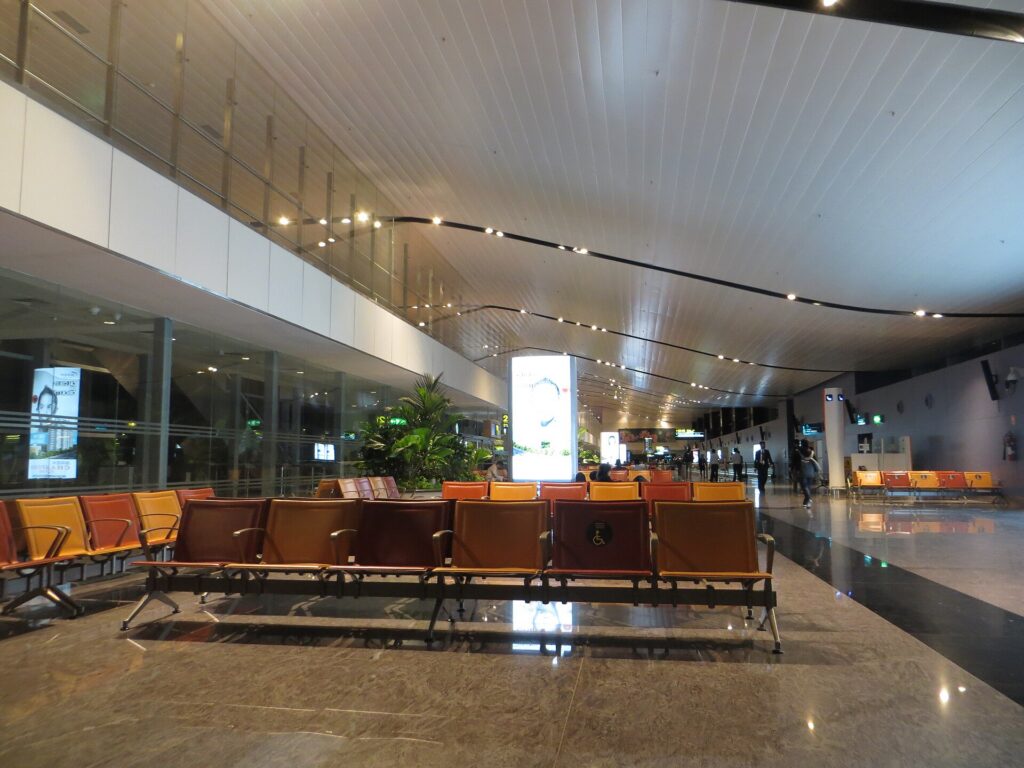
    The international departures area of Kempegowda International Airport in Bengaluru
    Airlines check your visa or travel authorization at check-in, so have documents ready before you reach the counter (Photo: Sunnya343 via Wikimedia Commons, CC BY-SA 4.0)

    Carry-on checklist for a long-haul flight to or from India

    • Passport, visa or ETA printout, boarding pass and a copy of your hotel or host address
    • Pen for arrival forms
    • Phone, charger, universal adapter and power bank
    • Medicines in original packaging, plus a copy of prescriptions
    • Neck pillow, eye mask, earplugs or headphones
    • Warm layer or shawl, socks
    • Empty refillable bottle
    • Toothbrush and toiletries within liquid limits
    • A change of clothes, in case your checked bag is delayed
    • Peri bottle or small pack of tissues and wipes
    • Some snacks, declared if you are crossing a border

    For women travelers, our guide to travel-friendly feminine hygiene products covers what to carry and how liquid rules apply. For laptop users, our list of laptop travel accessories helps keep work gear organized.

    Common mistakes

    • Using an unofficial visa website. Apply through the destination government’s official portal, such as India’s eVisa portal for visitors to India.
    • Forgetting transit requirements. A connection in a third country can need its own visa or authorization depending on your nationality.
    • Packing power banks in checked bags. They belong in your carry-on.
    • Plugging a single-voltage appliance into the wrong voltage. An adapter does not convert voltage.
    • Not declaring food. Declaring is almost always the safer choice.
    • Letting a passport get too close to expiry. Renew early if you have trips planned.
    • Relying on one card or one copy of documents. Keep backups in separate places.

    Frequently asked questions

    What plug type does India use?

    India uses types C, D and M at 230 volts and 50 hertz. Type D is the most common for everyday sockets. Check your destination on the IEC World Plugs page.

    Do I need a voltage converter for India or for travel abroad?

    For most phone and laptop chargers, no: check for an input rating like “100-240V”. High-power heating appliances are often single-voltage and need a dual-voltage model or a proper converter.

    Where do foreigners apply for an Indian eVisa?

    On the Government of India’s official Indian Visa Online portal, which lists eligible nationalities, visa categories, required documents and authorized entry points.

    What is the e-Arrival card for India?

    According to the official portal, foreigners and OCI cardholders can submit an e-Arrival card online within 72 hours before arriving in India. It provides arrival information and is not a visa.

    How do I check visa rules for my destination?

    Use the destination government’s official website, such as Canada’s visa and eTA checker, and cross-check with the IATA Travel Centre, which draws on the database airlines use at check-in.

    Can I carry a power bank on international flights?

    Yes, in your carry-on only, according to the FAA. Airlines may limit the number and capacity and may restrict use on board, so check your airline’s rules.

    Can I bring Indian snacks and spices abroad?

    Often yes, but rules vary by country and by type of food. Declare all food on arrival and check the destination’s customs website before you pack.

    What should visitors to India pack for health?

    See a doctor at least a month before your trip, as the CDC recommends, and pack insect repellent, hand sanitizer and a refillable bottle for safe water.

    Once your documents and bags are ready, compare fares across flexible dates on our flight search, including routes to Toronto and London, two of the busiest destinations for travelers from India. Our guide to international flight booking tips helps you choose connections and fares, and our guide to airport arrival times for international flights helps you plan the day of travel. If you are visiting family or studying in Canada, our guide to things to do in Toronto and our hotel search will help you plan the rest of the trip.

  • How Early Should You Arrive at the Airport Before Your International Flight

    How Early Should You Arrive at the Airport Before Your International Flight

    “Get there three hours early” is the standard advice for international flights, and for many trips it is about right. But it is a rule of thumb, not a law. The time you actually need depends on the airport, the season, the time of day, whether you are checking bags, which border controls you pass through before boarding and who you are traveling with. Arrive too late and you can miss a check-in deadline you did not know existed, even with the plane still at the gate. Arrive far too early and you spend hours in a terminal you did not need to be in. This guide explains what the three hours is actually for, the deadlines that matter, the factors that add or remove time, how U.S. preclearance at Canadian airports changes the math, what happens when you land, and how to build a timeline for your own flight.

    The short answer

    For most international flights, plan to arrive about three hours before departure, which is what many airlines and large airports recommend. Allow more at peak holiday periods, at very large or unfamiliar airports, when you are checking bags, traveling with children or needing assistance, and when you clear U.S. customs and immigration before boarding at a Canadian airport. You can cut it closer at a smaller airport, off-peak, with no checked bags and a trusted traveler membership, but never plan to arrive after the airline’s check-in and bag drop deadlines. The three numbers to look up for every flight are the check-in cutoff, the bag drop cutoff and the boarding gate closing time. Your airline’s website lists them, and your airport’s website usually lists its own recommended arrival times.

    Travelers lined up for security screening at Toronto Pearson International Airport
    A security line at Toronto Pearson: the least predictable step in any airport timeline (Photo: Mike from Vancouver, Canada via Wikimedia Commons, CC BY-SA 2.0)

    What the three hours is actually for

    The recommendation is built from a sequence of steps, each of which can take a few minutes or a long time depending on the day. Here is a typical international departure, working backward from the departure time.

    StepTypical time neededWhat can slow it down
    Getting to the airport and into the terminalVaries; add a buffer to your normal travel timeTraffic, parking shuttles, rental car returns, weather
    Check-in and bag dropA few minutes to more than an hourPeak times, document checks, oversize items, overweight bags
    Security screeningA few minutes to more than an hourTime of day, holidays, bags pulled for extra screening
    Exit controls or U.S. preclearance (some airports)A few minutes to an hour or moreSeveral departures at once, secondary inspection
    Walking or taking a train to the gate5 to 30 minutes at large airportsRemote gates, terminal transfers
    BoardingOften begins 30 to 60 minutes before departure on long-haul flightsDocument checks at the gate on international flights

    On a quiet day, all of this can take well under an hour. On a busy day, each step can stack. The three-hour guideline gives you enough margin for a bad day at most large airports, and on a good day, time for a meal before you board.

    The deadlines that actually matter

    Airlines set hard cutoffs, and missing them can cost you your seat even if the aircraft has not left. These vary by airline, airport and route, so check the details for your flight; the principles are the same everywhere.

    Check-in cutoff

    This is the latest time you can check in for your flight, online or at the airport. For international flights, it is commonly around 60 minutes before departure and can be earlier at some airports and on some routes. After the cutoff, the system may close and the airline can give your seat away. Checking in online, often from 24 hours before departure, protects you from missing this one, but international passengers sometimes must still have documents verified at the counter before a boarding pass is issued.

    Bag drop cutoff

    If you are checking a bag, there is usually a separate, and sometimes earlier, deadline for dropping it off. Bags need time to be screened and loaded. Arrive after the bag drop closes and you may be told you can fly without the bag or not at all.

    Boarding gate closing time

    Gates typically close somewhere from 10 to 30 minutes before departure, often earlier on international and wide-body flights, so the airline can finalize the passenger list and close the doors on time. “Departure time” means the time the aircraft door closes and it pushes back, not the time you need to reach the gate.

    Put all three times in your calendar the day before, and plan to be at the gate well before boarding begins. Our flight details guide explains where to find these times on your booking and boarding pass.

    What adds time, and what saves it

    FactorEffectWhat to do
    Peak holidays and school breaksLonger lines at every stepAdd an hour to your usual buffer
    Early morning departure bankMany flights leave at once; security can be busy right after openingCheck when security opens and arrive with margin
    Checked bagsAdds the bag drop step and its cutoffUse online check-in and bag tags where offered
    Children, strollers, car seatsSlower at security and check-inAdd 30 minutes or more; see family lanes where available
    Wheelchair or mobility assistanceAssistance must be arranged and can take timeRequest assistance in advance through the airline and arrive early
    Pets, sports equipment, oversized itemsSpecial handling counters and documentsConfirm airline procedures and add time
    U.S. preclearance or exit passport controlAn extra border control before the gateAdd time; use trusted traveler programs if eligible
    Returning a rental carReturn, inspection and shuttle to the terminalAdd 30 minutes or more; see our car rental return timing guide
    Trusted traveler membershipFaster security or border lanesCan cut time significantly, but lanes are not always open
    Carry-on only, checked in onlineSkips the counter entirely at many airportsGo straight to security if no document check is required

    Trusted traveler programs

    If you fly internationally more than once or twice a year, a trusted traveler program is the most effective way to shorten your airport time.

    • NEXUS is a joint Canada and U.S. program for pre-approved travelers. It provides expedited border processing when entering Canada and the United States, and members can use dedicated security lines at many Canadian airports.
    • Global Entry is the U.S. program for expedited entry into the United States for pre-approved travelers.
    • TSA PreCheck provides expedited security screening at participating U.S. airports, on participating airlines.

    Applications take time and include an interview or in-person step, so apply well before a trip. Eligibility and benefits change, so check the official page before relying on a program for a specific flight.

    Rows of airline check-in counters in an international departure hall
    Check-in and bag drop close well before departure, even when the plane is still at the gate (Photo: Cheng-en Cheng via Wikimedia Commons, CC BY-SA 2.0)

    Flying from Canada to the U.S.: preclearance

    Several large Canadian airports, including Toronto Pearson, Vancouver, Montreal, Calgary, Edmonton, Ottawa, Winnipeg and Halifax, have U.S. preclearance. That means you go through U.S. customs and immigration in Canada, before you board, and arrive in the United States as if on a domestic flight.

    Preclearance makes arrival easy, but it moves a border control to the start of your trip. After check-in and security, you queue for U.S. Customs and Border Protection, and the time this takes varies with how many U.S.-bound flights are leaving at once. For that reason, transborder flights often need as much time as long-haul international flights. Many airports and airlines recommend arriving around the same time as for international departures. Checked bags travel through the preclearance process too, so bag drop deadlines can be earlier.

    If you are traveling between Canada and the U.S., our guide to cheap flights between New York and Toronto covers the route, and our Toronto Pearson airport guide explains the terminals.

    Departing from the U.S., the UK and Europe

    From the United States

    The U.S. does not have exit passport control in the way many countries do. After check-in, you go through TSA screening, and your airline checks your passport and any required visa or authorization for your destination at check-in or the gate. The liquids rule for carry-on bags is explained on the TSA liquids page, and the full list of what you can bring is on TSA’s What Can I Bring page.

    From Canada

    Canada does not have exit immigration either. Screening is carried out by CATSA, whose site lists what you can pack. For flights to the United States from a preclearance airport, add the U.S. border step described above.

    From the UK and the Schengen area

    Leaving the Schengen area involves exit passport control after security, and the EU’s digital Entry/Exit System, which records non-EU travelers’ biometrics, can add time, particularly during rollout and at busy times. Large hubs such as London Heathrow and Paris Charles de Gaulle also have long walks and transit trains between areas, so allow extra time when returning home too.

    Security rules that slow people down

    Most delays at screening come from avoidable items in carry-on bags. The main principles are similar at most airports, though details differ and change, so check before you fly.

    • Liquids: in Canada and the U.S., carry-on liquids, gels and aerosols generally must be in containers of 100 ml (3.4 oz) or less, together in one clear, resealable bag of about one liter. Some airports with newer scanners have relaxed these rules, but assume the limit applies unless your departure airport says otherwise, and remember the return airport may have different rules.
    • Electronics: have laptops and larger electronics easy to reach in case you are asked to remove them.
    • Sharp items and tools: check the rules for knives, scissors, tools and sporting goods before packing.
    • Batteries: spare lithium batteries and power banks typically must be in carry-on, not checked bags.
    • Clothing: belts with big buckles, heavy jewelry and complicated footwear slow things down. Our guide to what not to wear on a flight covers what makes screening easier.
    • Bag size: an oversized carry-on can be sent back to check-in at the gate. Check your airline’s limits; our carry-on size guide explains how.

    Getting to the airport

    Your airport timeline starts at home. Build a buffer into the journey itself, especially at rush hour and in winter.

    • Public transit and airport trains: often the most predictable option at rush hour. Toronto has the UP Express from Union Station to Pearson, and Vancouver’s Canada Line runs to YVR. Check the first and last trains for early or late flights.
    • Driving and parking: allow time to park and take a shuttle from long-term lots, which can add 20 to 30 minutes. Reserve airport parking ahead at busy times.
    • Rental car returns: returning a car, having it inspected and taking a shuttle to the terminal can take longer than expected.
    • Staying near the airport: for very early departures, a hotel near the airport can remove the biggest source of uncertainty. Our hotel search can show properties near major airports.
    The gate areas along the concourse of Terminal 1 at Toronto Pearson
    At large airports the walk to the gate can take 20 minutes or more; gates close 10 to 30 minutes before departure (Photo: Daniel Case via Wikimedia Commons, CC BY-SA 3.0)

    How to build your own timeline

    Instead of guessing, work backward from your flight.

    • Start with departure time and look up the gate closing time for your airline. Aim to be at the gate at least 15 minutes before boarding begins.
    • Add the walk to the gate, which can be 20 minutes or more at large airports.
    • Add security and any border control. Many airports show estimated wait times online. At busy times, allow at least 30 to 60 minutes for each.
    • Add check-in and bag drop if you need them, and make sure the result is well before the cutoffs.
    • Add your journey to the airport plus a buffer for traffic or transit delays.

    For most international trips, this works out close to the three-hour guideline. At a small airport off-peak, with no bags and a trusted traveler card, it may be less. At a major hub during the holidays, it may be more.

    Examples

    ScenarioSuggested arrivalWhy
    Long-haul flight from a major hub, checked bags, summer3 hours or a little moreBusy counters, security and long walks
    Transborder flight from a Canadian preclearance airportAbout 3 hours, especially at peak timesSecurity plus U.S. customs and immigration before boarding
    International flight from a small regional airport, carry-on onlyAbout 2 hoursShorter lines, but deadlines still apply
    Family with young children and a stroller, holiday period3.5 hours or moreEvery step takes longer, and you want time for a break
    Traveler needing wheelchair assistanceAt least the airline’s recommended time, plus a bufferAssistance is coordinated across check-in, security and the gate

    These are planning examples, not guarantees. Always check your airline’s and airport’s current recommendations for your flight.

    Notes on some major airports

    Every airport publishes its own advice, and it is worth reading before you go. A few patterns at airports our readers use most:

    • Toronto Pearson (YYZ): Canada’s busiest airport, with two terminals connected by a free automated train. Know which terminal your airline uses before you set out, and allow time for U.S. preclearance on transborder flights. The Toronto Pearson website shows current guidance and security wait estimates.
    • Vancouver (YVR): the main gateway to Asia and a preclearance airport for U.S. flights. Domestic, U.S. and international departures use different areas of the terminal, so follow signs for your flight type.
    • Montreal-Trudeau (YUL): handles domestic, transborder and international flights in one terminal building with separate zones, and has U.S. preclearance.
    • Calgary (YYC): has U.S. preclearance and a busy international area in summer and during the ski season.
    • New York JFK: several separate terminals linked by the AirTrain. Road traffic to the airport can be slow, so many travelers use rail connections to the AirTrain instead of a taxi at rush hour.
    • London Heathrow (LHR): multiple terminals that are not all walkable from each other; check your terminal, and allow for long walks and transit to remote gates.
    • Paris Charles de Gaulle (CDG): a very large airport where terminals can be far apart. Leave time for exit passport control on flights leaving the Schengen area.

    Whatever the airport, check your terminal the day before. Going to the wrong one is among the most common ways people lose half an hour they did not have.

    Using the extra time well

    Arriving early is less painful if you plan to use the time. International terminals often have better food and more seating than domestic ones. If you have lounge access through your ticket, status or a card, check its hours and location beforehand. If you are flying in a premium cabin, our guides to business class upgrade strategies and the difference between first and business class explain the lounge and priority lane benefits that come with them. Otherwise, a refillable water bottle, a snack and a charged phone make the wait easier.

    Passport control desks in an airport arrivals hall
    On arrival, immigration queues depend on how many flights land at once (Photo: Vasyatka1 via Wikimedia Commons, CC BY-SA 4.0)

    When you land: immigration and customs

    The other half of the airport experience is arriving. Plan for it when you book connections and ground transport.

    • Immigration: present your passport and any visa or authorization. Many airports use automated kiosks or e-gates for eligible passengers. Queues vary widely with how many flights arrive together.
    • Baggage claim: if you checked bags, collect them before customs.
    • Customs: declare goods as required. Entering Canada, the Canada Border Services Agency explains what to declare; entering the U.S., U.S. Customs and Border Protection does the same.
    • Connections: if you connect after arriving in a new country, you may need to clear immigration, collect and recheck bags and go through security again. This is why international connections need more time; our international flights booking tips cover how much to allow.

    If you are running late

    • Check in online as soon as you can, so you are inside the check-in deadline.
    • Contact your airline through its app or phone line; it may be able to rebook you before you miss the flight.
    • Tell staff in line if your flight is close to closing; many airports have procedures to help passengers on imminent flights.
    • Do not abandon a checked bag plan at the last minute without asking; a bag that misses the cutoff may need to travel on a later flight.
    • Know the rules if you miss it: policies vary by airline and fare. Some airlines have a same-day rebooking policy for passengers who arrive shortly after departure; others treat a missed flight as a no-show, which can cancel the rest of your itinerary.

    The day before your flight

    • Check in online when it opens and download or print boarding passes.
    • Check the flight status and the terminal.
    • Look up check-in, bag drop and gate closing times.
    • Confirm your passport, visa or electronic authorization.
    • Pack liquids and electronics where you can reach them.
    • Weigh checked bags.
    • Plan your journey to the airport, including a backup.
    • Set two alarms for early departures.

    Frequently asked questions

    Is three hours really necessary for an international flight?

    Often, yes, at large airports and busy times. At a smaller airport off-peak, with no checked bags, two hours may be enough. Always stay well ahead of the check-in, bag drop and gate closing deadlines.

    How early should I arrive for a flight from Canada to the U.S.?

    At airports with U.S. preclearance, plan for roughly the same time as an international flight, because you clear U.S. customs and immigration before boarding. Check your airport’s current guidance.

    What happens if I arrive after check-in closes?

    The airline can refuse to check you in, and you may need to rebook. Policies vary; contact the airline immediately.

    Does online check-in mean I can arrive later?

    It helps, especially with carry-on only. International passengers may still need a document check at the counter, and security and border lines take the same time either way.

    How long does security usually take?

    From a few minutes to an hour or more depending on the airport, time of day and season. Many airports publish live wait times on their websites.

    Should I arrive earlier during holidays?

    Yes. Add at least an hour around major holidays, school breaks and long weekends.

    Can I arrive too early?

    Yes. Check-in counters for a specific flight often open only a few hours before departure, so arriving much earlier with bags may mean waiting landside. If you have a very early arrival, check when your airline’s counter opens and whether the airport offers bag storage.

    How long does it take to clear immigration when I land?

    It varies widely by airport and time of arrival. Trusted traveler programs and automated kiosks can shorten it considerably.

    Ready to book? Compare departure times as well as fares on our flight search, since an early-morning flight changes your airport timeline, and read our guide to the best time to book cheap flights and hotels before you choose dates. If you need a room near the airport for an early start, check our hotel search.