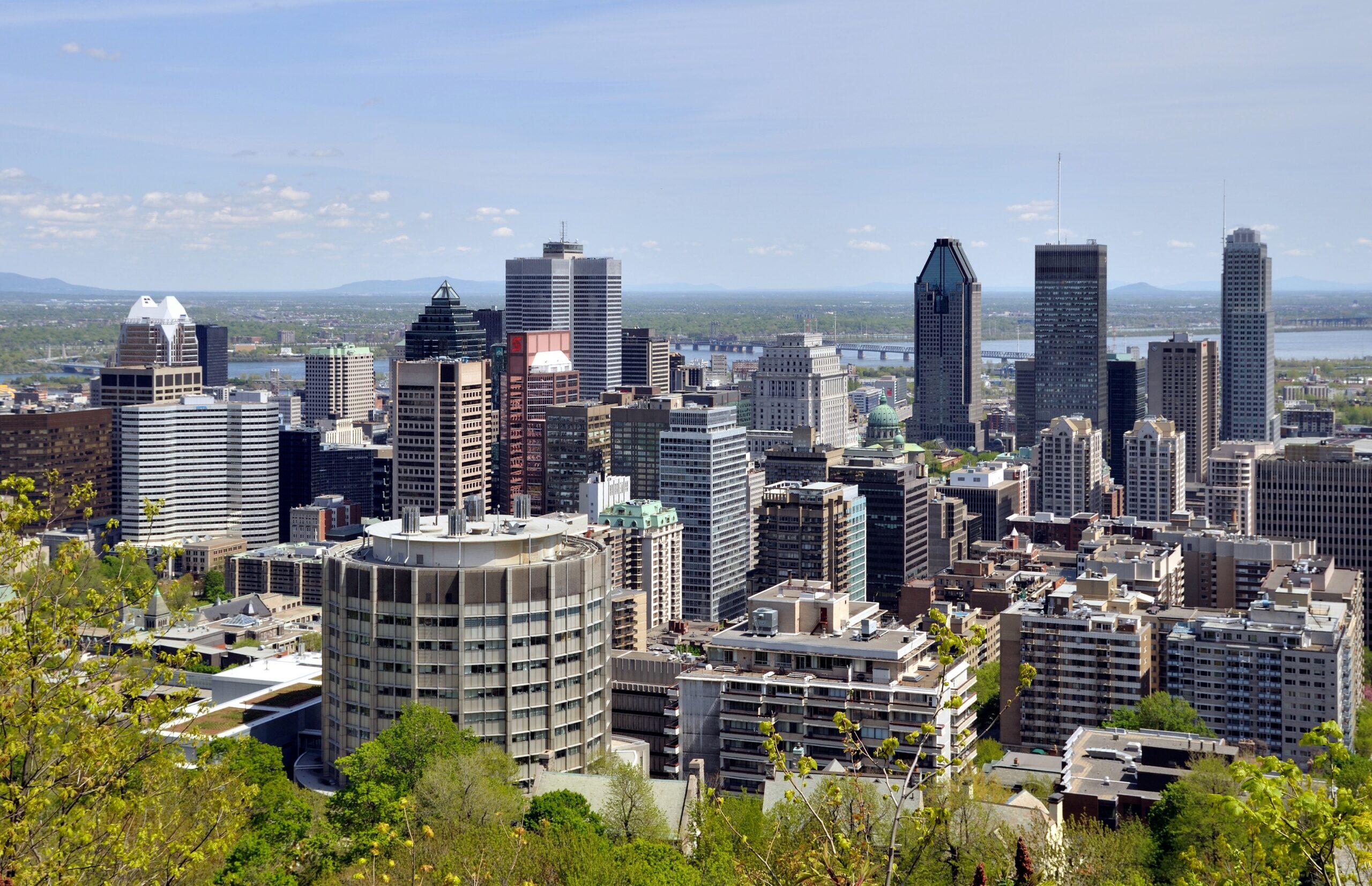
Montreal has two personalities and prices them differently. From late June to early September the city is a festival: terraces on every street, the Quartier des Spectacles closed to traffic for the jazz festival and the comedy festival, the Grand Prix roaring through Parc Jean-Drapeau, and hotel rates to match. From December to March it is one of the snowiest major cities on earth, with a culture built around embracing that, and airfares that drop to their lowest of the year. In between are two short, lovely shoulders. This guide walks through the weather month by month, the fare seasons, the specific festival weeks that move prices more than the calendar suggests, and how to choose between Trudeau airport and the alternatives.
The short answer
For weather and value together, the windows are mid-May to mid-June and early September to mid-October. Spring brings the terraces back out before the festival crowds arrive; early fall keeps most of the summer’s warmth, adds the colour, and drops the prices. The cheapest fares of the year come from mid-January to early March and again in November, when Montreal is cold or grey and the planes are filled by business travel. The most expensive stretches are the Grand Prix weekend in mid-June, which is the single biggest hotel spike of the year, the festival heart of summer from late June through early August, and the Christmas and New Year period. Whichever window you choose, run a flexible-date search on our Montreal flights page; a few days either side of a festival weekend can change the fare band entirely.
Montreal’s weather, season by season
Montreal sits on an island in the St. Lawrence River, far enough inland to have a fully continental climate: real winters, humid summers, and short transitions. The figures below are approximate seasonal patterns based on the long-term climate normals from Environment and Climate Change Canada; check the current forecast before you pack, because the city can swing from a thaw to a blizzard inside a week in March or November.
| Month | Typical daytime high | Typical overnight low | What it feels like | Fare pressure |
|---|---|---|---|---|
| January | around -5 °C | around -13 °C | Cold, bright, snow-packed; the coldest snaps drop well below -20 °C | Low, except the first week |
| February | around -3 °C | around -12 °C | Still deep winter, with the most reliable snow cover of the year | Low; rises for Igloofest and Nuit Blanche weekends |
| March | around 3 °C | around -5 °C | Thaw and refreeze; slush, then the first mild afternoons; maple season begins | Low, apart from the early-March school break |
| April | around 12 °C | around 2 °C | Unpredictable; the snow finally goes, the city is grey and then suddenly green | Moderate |
| May | around 19 °C | around 9 °C | Spring proper; the terraces reopen, the mountain turns green | Moderate; rises around the late-May long weekend |
| June | around 24 °C | around 14 °C | Warm and lively; the Grand Prix and the jazz festival open the summer | High, with a Grand Prix spike |
| July | around 27 °C | around 17 °C | Hot and humid; heat waves push the humidex into the high 30s | High |
| August | around 25 °C | around 16 °C | Hot, humid, thundery; cooling in the last week | High, with an Osheaga spike |
| September | around 20 °C | around 11 °C | Warm days, cool nights; the best-kept-secret month | Moderate, falling after Labour Day |
| October | around 13 °C | around 5 °C | Peak fall colour on the mountain; jacket weather; first frosts | Moderate to low |
| November | around 5 °C | around -1 °C | Grey and damp; the first lasting snow usually arrives late in the month | Low |
| December | around -2 °C | around -9 °C | Winter arrives properly; holiday lights, markets and the first skating | Low until mid-month, then peak |
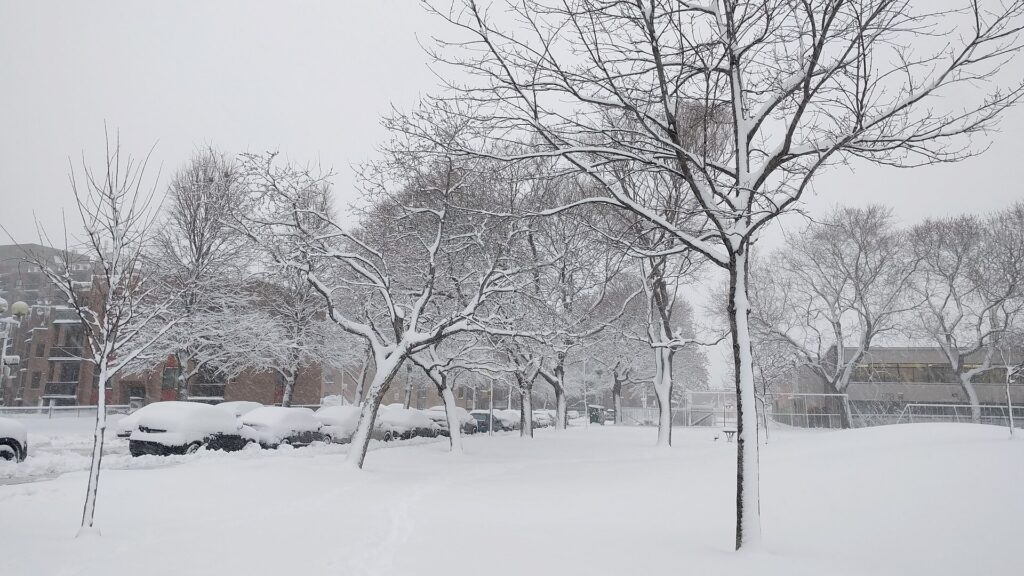
Two things the table does not capture. Snow: Montreal averages roughly two metres of it a season, and the city is built for it, with an underground pedestrian network, heated stations and a snow-clearing operation that is a spectacle in its own right. Winter here is not a reason to stay away; it is a reason to pack properly. Humidity: July and August afternoons routinely feel several degrees hotter than the thermometer, and the summer festivals are outdoor events; plan for shade, water and an air-conditioned hotel.
How Montreal’s fare seasons work
Montreal’s demand is driven by three overlapping calendars: the Quebec and Ontario school years, the corporate and university year, and a festival programme so dense from June to August that the city markets itself as a festival capital. The result is a summer plateau with sharp spikes on specific weekends, a real but shorter winter bump around the holidays and the February events, and two shoulder windows where the weather is often excellent and the prices are not.
Peak season
Mid-June to mid-August, plus roughly December 18 to January 3. The Canadian Grand Prix weekend, usually the second or third weekend of June, is in a class of its own: hotel rates across the city can double or more, and flights from the U.S. Northeast and Europe fill early. The jazz festival, the comedy festival, the fireworks competition and Osheaga keep demand high through July and into August. If you must travel in peak, book the hotel first, fly mid-week, and consider staying just outside the festival core.
Shoulder season
Mid-April to mid-June, avoiding the Grand Prix, and September to October. May and September are the months locals would send you to: terrace weather, manageable crowds, and hotel rates well below summer. Watch the Victoria Day weekend in late May, which Quebec marks as the National Patriots’ Day holiday, and Canadian Thanksgiving in early October.
Low season
Mid-January to early March and most of November. Fares are at their lowest, and Montreal’s winter has a genuine programme: Igloofest, the outdoor electronic music festival on the Old Port waterfront on weekends from mid-January to early February; Montréal en Lumière, the winter festival in late February with an all-night Nuit Blanche; skating in the parks; and the city’s restaurant scene at full strength with no waits. The trade-off is weather risk; build a buffer into connections and check the forecast before you fly.
Fares also move with the day of the week and the hour: early-morning and late-evening departures and mid-week days usually sit below Friday and Sunday afternoons on the same route. Our guide to the best times to book flights and hotels goes deeper on reading those patterns.
Montreal month by month
January
Cold, bright and, after the first week, the cheapest month of the year to fly in. Highs sit below freezing and the coldest days bring wind chills well past -25 °C. What January does well: Igloofest in the Old Port on weekends from mid-month, the Canadiens at the Bell Centre, the underground city for getting between downtown hotels, shops and the metro without a coat, cross-country skiing and tobogganing on Mount Royal, and a restaurant scene that is a large part of why people visit Montreal at all. Pack a real coat and boots with grip.
February
Deep winter, reliable snow, and still low fares outside two things: Montréal en Lumière, the winter festival that fills the Quartier des Spectacles in the second half of the month and ends with the all-night Nuit Blanche, and the Quebec school break, which usually falls in the first week of March but can begin in late February. Igloofest continues into early February. Valentine’s weekend lifts hotel rates briefly.
March
A transition month, and honest about it: slush, sudden thaws, and a late blizzard most years. The school break, known as la relâche, in the first week of March, brings family travel and higher fares for a week; outside it, March is a low-season month. It is also maple syrup season, when the sugar shacks in the countryside outside the city open for the traditional cabane à sucre meals; a car or a tour makes that easy.
April
The snow finally goes and the city is briefly grey and muddy before turning green almost overnight in the last week. Fares are moderate and hotel rates are noticeably lower than they will be in eight weeks. The Canadiens’ season ends, or, in a good year, the playoffs begin, which can tighten hotels on game nights.
May
The terraces reopen, the mountain greens up, the cyclists and the BIXI bikes reappear, and the city is at its most cheerful. The Victoria Day long weekend in late May, National Patriots’ Day in Quebec, is the one date to book around; otherwise May offers spring weather at prices well below June. If you can travel in the second half of May, it is one of the best value-for-weather windows of the year.
June
Summer arrives, and so does the Grand Prix, usually on a mid-June weekend, when the city’s hotels are fuller and pricier than at any other time. The Fringe festival runs in mid-June, Saint-Jean-Baptiste Day on June 24 is Quebec’s national holiday, and the jazz festival opens in the last days of the month. Early June, before the race, is the value play; the week after the race is a small pocket of relief before July.
July
Peak season, and Montreal at full volume. The jazz festival runs into the first week of the month, the Just for Laughs comedy festival takes over in the second half, the international fireworks competition lights up the river on weekends, Canada Day on July 1 opens the month, and the humidity settles in. Fares and hotel rates are at their annual high; book early and fly mid-week. Note that July 1 is also Quebec’s traditional moving day, which affects locals far more than visitors but does mean the city is busy that week.
August
Still peak, with Osheaga, the big outdoor music festival at Parc Jean-Drapeau, on the first weekend of the month, Montreal Pride in the second week, and the film festival at the end. The last week of August, once families have flown home and before the universities return, is a small pocket of softer pricing.
September
Many Montrealers will tell you this is the best month, and the weather agrees: warm days, cool nights, and the first hint of colour on Mount Royal. Fares and hotel rates fall after Labour Day and stay moderate through the month. The universities are back, the restaurants are full of locals rather than visitors, and the terraces stay open.
October
Fall colour peaks on the mountain and in the Laurentians in the first half of the month, and the Thanksgiving long weekend on the second Monday is the one demand spike. Late October is one of the best value-for-weather windows of the whole year, with jacket-weather days, quiet hotels and the city’s food at its seasonal best.
November
Grey, damp and quiet, and with January the cheapest month to fly. The first lasting snow usually arrives late in the month, the holiday lights and markets switch on in the second half, and the Canadiens are well into their season. If you want Montreal’s festive atmosphere without festive prices, the last ten days of November are the target.
December
Two months in one. The first half continues November’s value pricing with the holiday markets, the lights in the Old Port and the first skating of the season. From about December 18, fares and hotel rates jump for Christmas and New Year and stay high into the first days of January. Winter is fully here: expect snow, short days, and the occasional weather delay at Trudeau.
Events that move Montreal flight and hotel prices
Cross-check these against your dates before you book. Exact dates shift each year; Tourisme Montréal keeps the current calendar.
- Igloofest (weekends, mid-January to early February).
- Montréal en Lumière and Nuit Blanche (late February).
- Quebec school break, la relâche (usually the first week of March).
- Victoria Day / National Patriots’ Day weekend (late May).
- Canadian Grand Prix (a mid-June weekend): the biggest hotel spike of the year by a wide margin.
- Saint-Jean-Baptiste Day (June 24) and Canada Day (July 1).
- Montreal International Jazz Festival (late June to early July).
- Just for Laughs (second half of July) and the international fireworks competition (summer weekends).
- Osheaga (first weekend of August) and Montreal Pride (mid-August).
- Thanksgiving weekend (second Monday of October).
- Christmas to New Year.
- Canadiens playoff runs (April to June in a good year) and stadium concerts. Our Montreal events page shows what is on sale for your dates.
Which airport should you fly into?
Montréal-Trudeau International (YUL)
Montreal’s only commercial airport for scheduled passenger flights, in Dorval about 20 kilometres west of downtown, handles everything from the transborder shuttle flights to the Air Canada and Air Transat routes to Europe, North Africa and the Caribbean. Getting downtown is straightforward: the STM’s 747 bus runs around the clock between the terminal and downtown, stopping along René-Lévesque Boulevard and at the Berri-UQAM metro hub, in about 45 to 70 minutes depending on traffic, for a fare that includes 24 hours of unlimited transit. A flat-rate taxi fare applies from the airport to downtown; ride-hail services also pick up at the terminal. A station for the REM light-rail network is being built at the airport; check the airport’s site for its status and current ground-transport options. Our Trudeau airport guide covers the layout, and our Montreal car-versus-transit guide will help you decide whether to book a car at all.

Plattsburgh and Burlington (United States)
For Montrealers and for visitors with a car, two small airports across the U.S. border, Plattsburgh (about an hour south) and Burlington, Vermont (about two hours), have long offered cheaper U.S. domestic and sun fares than Trudeau. They only make sense with a vehicle and a passport, and border wait times can erase the savings on a busy day. If you are a visitor rather than a resident, ignore them.
Ottawa (YOW) and Quebec City (YQB)
Ottawa’s airport is two hours away by road or VIA Rail and occasionally has better fares on specific routes; Quebec City’s is three hours. Neither is a practical substitute for a Montreal trip unless you are visiting both cities anyway. See our Ottawa flights and Quebec City flights pages if you are.
Timing tricks that work for Montreal
- Search the whole month. Montreal’s fare curve has sharper edges than most cities because of the festival weekends. A calendar search on TicketScanner shows the Grand Prix and Osheaga spikes instantly.
- Book the hotel before the flight in June and July. A cheap fare into Grand Prix weekend is not cheap once the room is added; hotel rates move more than airfares that week. Run a Montreal hotel search for the same dates before you commit to either.
- Fly mid-week in summer. Tuesday and Wednesday departures on the same route often sit in a lower band than the Friday.
- Book the event weeks early and the low-season weeks late. Grand Prix, jazz festival and Christmas fares rarely fall as the date approaches; January and November fares are stable enough that waiting for the right dates costs little.
- Coming from the U.S. Northeast? Montreal is a short flight from New York, Boston and Washington, and the shuttle-style frequency means the fare spread across a single day can be large.
- Consider the train for a two-city trip. VIA Rail links Montreal with Toronto, Ottawa and Quebec City through the downtown Central Station; flying into one and out of the other can be cheaper than a return to the same city.
- Build a winter buffer. Snow can disrupt Trudeau between December and March; avoid the tightest connections. Our guide to how early to arrive for an international flight covers what to allow.
- Flying out of Montreal instead? The same seasonality applies in reverse; see cheap flights from Montreal.
What to pack, by season
Winter (December to March): an insulated, wind-resistant coat, a hat that covers your ears, a scarf, waterproof boots with real grip, and layers for overheated interiors; Montreal winter is colder than Toronto’s and it shows in what locals wear. Spring (April to May): a rain shell, a mid-weight jacket and shoes that can get wet. Summer (June to August): light, breathable clothing, sun protection, and something for aggressively air-conditioned restaurants and metro cars. Fall (September to November): layers, a warm jacket by mid-October, and an umbrella in November. Year-round, comfortable shoes: Montreal is a walking city with hills and cobblestones.
The best time to fly to Montreal for…
Families
Late May or the last week of August for warm weather without peak prices, or the school break in early March for a snow-and-city trip if you book early.
The lowest fares
Mid-January to early March outside the relâche week, and November. Pair with a downtown hotel and lean into the indoor and winter city.
Festivals
Late June to early August, booked months ahead, with the hotel first. Or February, for Montréal en Lumière at a fraction of the price.
Food
Any month; Montreal’s restaurants are its most reliable attraction. September and October are the sweet spot for terraces, harvest menus and quiet tables.
Skiing
January to March, with the Laurentians and Mont-Tremblant ninety minutes north; see our Montreal car rental page, and note that Quebec requires winter tires on all vehicles from December 1 to March 15.
Cross-border and international visitors
U.S. citizens need a valid passport; most other visa-exempt travellers arriving by air need an Electronic Travel Authorization. The Government of Canada’s visitor page explains what applies to you, and CATSA lists what you can carry through security.
Frequently asked questions
What is the cheapest month to fly to Montreal?
January and February, followed by November and early March outside the school break. The first week of January is the exception, as it is still priced with the holidays.
What is the best month to visit Montreal for weather?
September, with June a close second if you can avoid Grand Prix weekend. Both are far more comfortable than the humid heart of July.
Is Montreal expensive in summer?
The festival weeks are, and the Grand Prix weekend is the most expensive time of the year for hotels by a wide margin. Mid-week travel and early booking help; May and September give you most of the summer at a fraction of the price.
How cold is Montreal in winter?
Colder than Toronto and most U.S. cities: daytime highs below freezing from December to February and cold snaps well below -20 °C. The city is built for it, and a proper coat and boots make it entirely enjoyable.
Which airport does Montreal use?
Montréal-Trudeau (YUL), about 20 kilometres west of downtown, reached by the 747 bus, taxi or ride-hail. There is no other scheduled passenger airport in the city.
How far ahead should I book a flight to Montreal?
Earlier for the festival weeks and the holidays, when fares tend only to rise; for low-season dates, fares are stable enough that finding the right pair of days matters more than booking months out.
Do I need to speak French in Montreal?
No. French is the official language and you will hear it everywhere, but English is widely spoken in hotels, restaurants and shops in the areas visitors frequent, and a few words of French are appreciated.
Ready to pick your dates? Compare fares across the whole month on our Montreal flights page, then find a room with our Montreal hotel search. For what to do when you land, start with our first-timer’s guide to Montreal.
Keep planning with TicketScanner
- Cheap flights to Montreal — compare fares across the whole month
- Montreal hotels — price the room before the flight in festival season
- Montreal car rentals — for Tremblant, the Townships and Quebec City
- Events in Montreal — Canadiens, concerts and festivals on sale
- Things to do in Montreal: a first-timer's guide
- Montreal: rent a car or use transit?
- Montreal-Trudeau (YUL) airport guide
- Where to stay: Old Montreal
- Best times to book flights and hotels
Leave a Reply