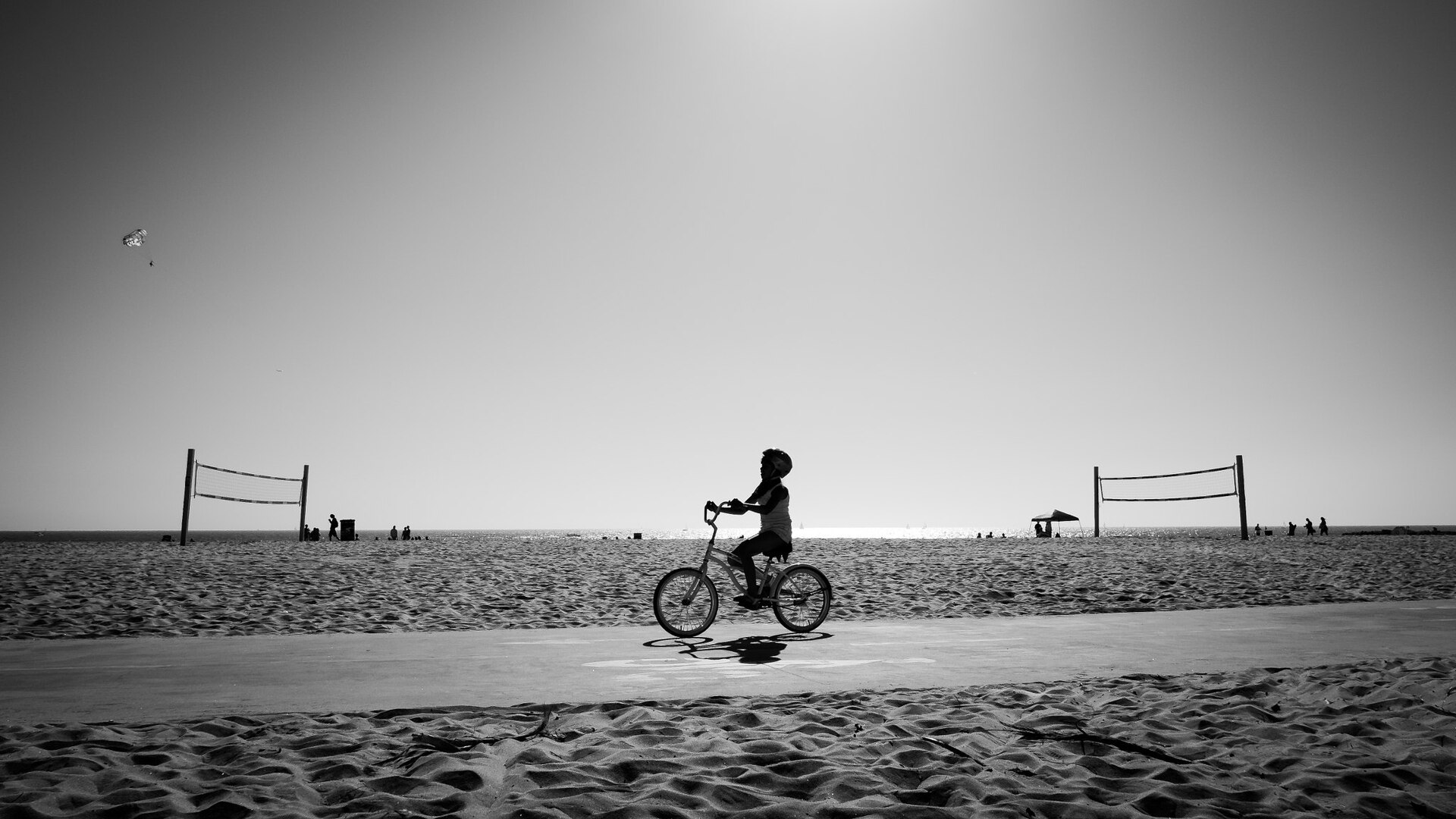
Los Angeles has the kind of climate that makes “best time to visit” sound like a trick question. It is mild and mostly dry in every month, and there is no season when the city shuts down. But the airfares and hotel rates tell a different story. Los Angeles International is one of the busiest airports in the world, and demand for its seats follows the school calendar, the holidays, the award shows, the theme parks, the festivals in the desert and the conventions downtown far more than it follows the weather. Add a coastal climate where June can be gray at the beach while the Valley bakes, and timing matters more than the postcard suggests. This guide walks through the weather month by month, the fare seasons, the events that move prices, the airports, and the timing tricks that work for Los Angeles.
The short answer
For weather and value together, the best windows are mid-September to early November, when the ocean is at its warmest, the summer crowds have gone home and the skies are often the clearest of the year, and late April to mid-May, before the coastal gray and the summer fares set in. The cheapest fares usually come in late January and February, outside the Presidents’ Day weekend, and in the first two weeks of December. The most expensive stretches are mid-June to mid-August, when families fill the theme parks and the beaches, Thanksgiving week, the Christmas and New Year holidays, and the spring break weeks of March and early April. Competition among the many airlines serving Los Angeles keeps fares lower than demand alone would suggest, but the gap between a good week and a bad one is large. Whatever you choose, run a flexible-date search on our Los Angeles flights page; moving a trip by three or four days around a holiday weekend often changes the price band entirely.
Los Angeles weather, season by season
Los Angeles has a Mediterranean climate: warm, dry summers, mild winters with a short rainy season, and sunshine for most of the year. What complicates it is geography. The city runs from the Pacific to the mountains, and the temperature can differ by 10 °C (20 °F) between Santa Monica and the San Fernando Valley on the same summer afternoon. The figures below are approximate seasonal patterns for downtown, based on the long-term climate normals published by NOAA and the National Weather Service’s Los Angeles office; the beach cities run cooler in summer and the Valley and inland areas run hotter, so check the forecast for the part of the city where you will be staying.
| Month | Typical daytime high | Typical overnight low | What it feels like | Fare pressure |
|---|---|---|---|---|
| January | around 20 °C (68 °F) | around 9 °C (49 °F) | Mild, clear days between storms; snow on the mountains behind the city | High for New Year, then low |
| February | around 20 °C (68 °F) | around 10 °C (50 °F) | The wettest month on average, though most days are dry and bright | Low, except Presidents’ Day weekend |
| March | around 21 °C (70 °F) | around 11 °C (52 °F) | Green hills, the last rain of the season, wildflowers inland | Moderate to high; spring break |
| April | around 23 °C (73 °F) | around 13 °C (55 °F) | Pleasant and settled; cool evenings | Moderate; Easter and festival weekends busy |
| May | around 24 °C (75 °F) | around 14 °C (58 °F) | “May Gray”: overcast mornings at the coast, sun inland by noon | Moderate; rises for Memorial Day |
| June | around 26 °C (79 °F) | around 17 °C (62 °F) | “June Gloom” at the beach, warm inland, long evenings | High from mid-month |
| July | around 29 °C (84 °F) | around 18 °C (65 °F) | Sunny and warm; hot in the Valley and the desert | Peak |
| August | around 29 °C (85 °F) | around 19 °C (66 °F) | The warmest month on average; heat waves inland | Peak until the last week |
| September | around 29 °C (84 °F) | around 18 °C (65 °F) | Hot spells, warm ocean, empty beaches after Labor Day | Moderate, falling after Labor Day |
| October | around 26 °C (79 °F) | around 16 °C (60 °F) | Clear and dry; Santa Ana winds can bring heat and fire weather | Low to moderate |
| November | around 23 °C (73 °F) | around 12 °C (53 °F) | Warm days, cool nights, the first rain in some years | Low, except Thanksgiving week |
| December | around 19 °C (67 °F) | around 9 °C (48 °F) | Mild and often sunny; storms possible | Low until mid-month, then peak |
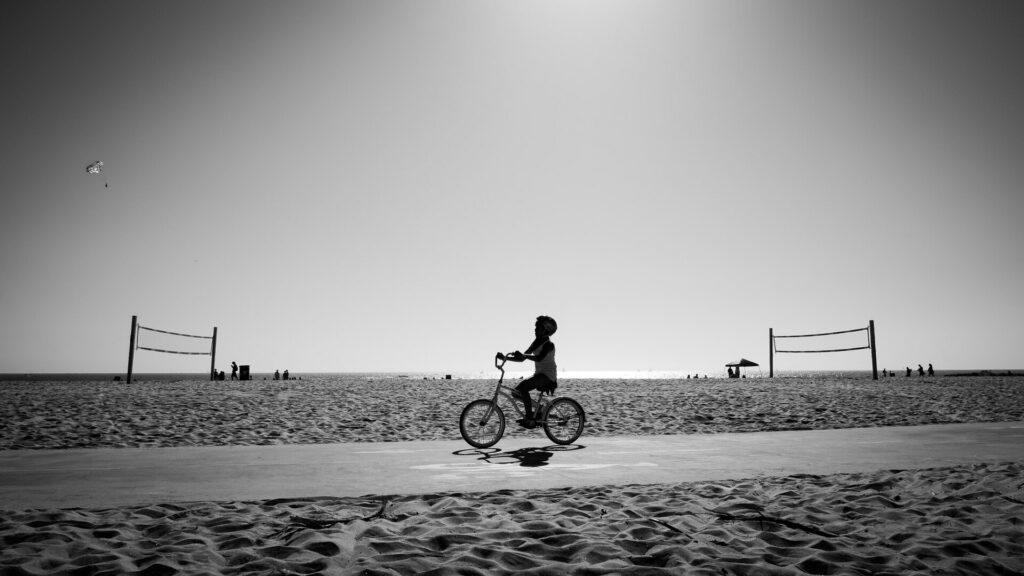
Three things the table cannot show. First, the marine layer: in late spring and early summer, a bank of low cloud forms over the cool Pacific overnight and sits over the coast until late morning or, on some days, all day. Locals call it May Gray and June Gloom, and it means that a June beach day in Santa Monica can be 20 °C (68 °F) and overcast while Burbank, fifteen miles inland, is sunny and ten degrees warmer. Second, the ocean: the water off Los Angeles is cold by subtropical standards, around 14 to 16 °C (the upper 50s to about 60 °F) in winter and spring, and only reaching the upper teens to around 21 °C (the upper 60s to around 70 °F) in August and September, which is why the best swimming comes late in the summer. Third, the Santa Ana winds: hot, dry winds from the desert that blow toward the coast mostly between October and early spring, bringing the clearest air and the highest temperatures of the year to the beach and, with them, the serious wildfire risk that the region lives with.
How Los Angeles fare seasons work
Three forces drive seats into Los Angeles. The first is leisure travel, which follows the American school calendar: summer, spring break, Thanksgiving and the winter holidays are when families fly in for Disneyland, Universal and the beach. The second is the entertainment and business calendar, with the award season from January to March, the big conventions downtown, and the film, music and tech industries keeping weekday flights busy year-round. The third is the airport itself. LAX is a hub for several major airlines and a gateway to Asia, Australia and Latin America, and with Burbank, Long Beach, Orange County and Ontario also in the region, few cities in the world have more competition on more routes. The result is a strong summer peak, sharp holiday spikes, and long stretches of the year when fares into Los Angeles are among the best value in the country for the distance flown.
Peak season
Mid-June to mid-August, the week of Thanksgiving, roughly December 18 to January 2, and the spring break weeks in March and early April. Summer is the longest and most expensive: school is out across the country, the theme parks run extended hours, and international visitors from Europe and Asia add to the domestic crowds. If you must travel in summer, book early, fly mid-week, and consider staying downtown or inland rather than on the coast, where rates climb fastest.
Shoulder season
Late April to early June and mid-September to early November. Late spring gives you green hills, settled weather and moderate prices, with May Gray the main drawback for a beach trip. Early fall is the local favorite: the ocean is warm, the days are long enough and the kids are back in school. Watch the long weekends, Memorial Day, Labor Day and Columbus Day or Indigenous Peoples’ Day, and the weekends of big festivals and conventions.
Low season
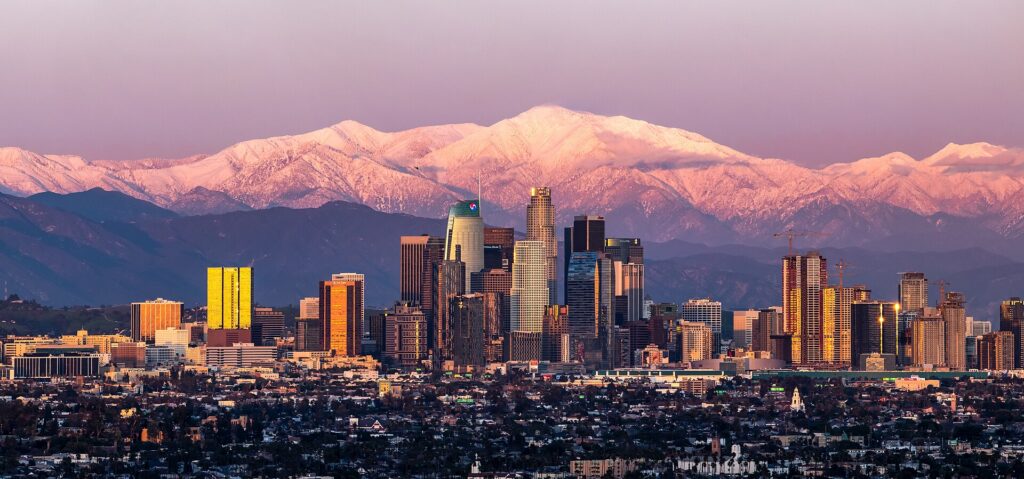
Early to mid-January after the holidays, February outside Presidents’ Day weekend, and the first half of December. Fares and hotel rates are at their lowest, the air is at its clearest after the winter rains, and the snow on the San Gabriel Mountains makes the skyline views the best of the year. The trade-off is a chance of a few days of heavy rain and cooler evenings.
As elsewhere, mid-week departures and early morning or late evening flights usually price below Friday and Sunday afternoons on the same route, and a search across a whole month reveals cheaper pairs of dates close to your first choice. Our guide to the best times to book explains how to read those patterns.
Los Angeles month by month
January
The year opens with the Rose Parade and the Rose Bowl game in Pasadena on New Year’s Day, which fills hotels across the San Gabriel Valley and keeps fares high through the first weekend. After that, January is one of the best-value months of the year. Days are mild and often brilliantly clear after a storm, the mountains are white, and museums and the Getty are at their least crowded. Award season begins with the Golden Globes in Beverly Hills.
February
Statistically the wettest month, but rain comes in a handful of storms rather than every day, and the rest of the month is bright and green. The Grammys are held downtown, Lunar New Year brings the Golden Dragon Parade to Chinatown and celebrations to the San Gabriel Valley, and the Presidents’ Day weekend (the third Monday) is a busy family travel weekend. Outside it, February has some of the lowest fares of the year.
March
The hills are at their greenest, wildflowers bloom in the deserts and the Antelope Valley, and the gray whale migration passes Palos Verdes. The Oscars are held at the Dolby Theatre in Hollywood in late winter or early spring, closing streets around Hollywood and Highland for days. The LA Marathon runs from Dodger Stadium to Santa Monica. Spring break starts mid-month for many schools, and fares climb through the second half.
April
Settled, pleasant weather, and a busy month for the region because of the Coachella and Stagecoach festivals, held on consecutive weekends in Indio in the desert east of the city. Most festival-goers fly into Los Angeles or Palm Springs, which lifts fares into LAX on those Thursdays and Fridays. Easter and the tail of spring break add to the demand.
May
One of the most comfortable months for sightseeing, with warm afternoons and cool evenings, and one of the better value windows before summer. The catch is May Gray at the coast: beach mornings are often overcast, although the sun usually breaks through inland. Memorial Day weekend (the last Monday) is the unofficial start of summer and the one date to book around.
June
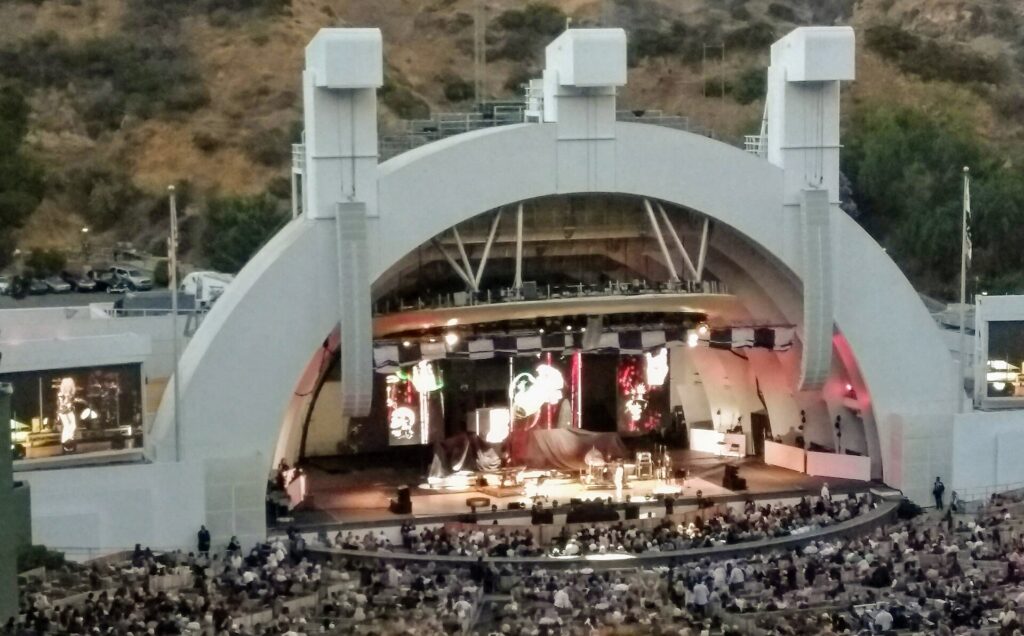
Summer arrives in stages. The marine layer, now called June Gloom, keeps the beaches cool and cloudy on many mornings, while the Valley and Pasadena warm up quickly. Schools finish across the country in the first half of the month, and fares rise steadily from about the third week. LA Pride fills West Hollywood, and the Hollywood Bowl season begins.
July
Peak season. The marine layer burns off earlier, the beaches are at their busiest, the theme parks are packed, and the Dodgers are in full swing. The Fourth of July brings fireworks at the Rose Bowl, the beaches and across the county, and Anime Expo fills the convention center downtown around the holiday. Comic-Con, in San Diego later in the month, pulls visitors through Los Angeles too. Hotel rates are at their annual high, especially at the beach and in Anaheim.
August
The warmest month on average, and often the most humid, with heat waves in the Valley and inland. Demand stays high until the last week, when schools in California and much of the country go back and prices soften noticeably.
September
The local secret. After Labor Day (the first Monday), the crowds disappear, fares fall and the beaches empty on weekdays, but the weather stays summery, and heat waves in September are common; some of the hottest days of the year arrive now. The Emmys are held in Los Angeles, NFL season starts at SoFi Stadium, and the ocean is at its warmest.
October
Clear, dry and warm, with low fares outside the long weekend in the middle of the month. The Santa Ana winds can arrive now, bringing heat, very dry air and a red-flag fire risk; check the forecast and any warnings before you plan a hike. Halloween is huge, with the West Hollywood carnival, haunted attractions at the theme parks, and Día de los Muertos celebrations running into early November.
November
Warm days, cool evenings and, in some years, the first rain of the season. Fares are low until Thanksgiving week (the fourth Thursday), one of the busiest travel periods of the year in the United States. The LA Auto Show opens downtown late in the month, and the theme parks switch to their holiday decorations.
December
Two months in one. The first half is quiet and cheap, with holiday lights, the Hollywood Christmas Parade and festive seasons at Disneyland and the Grove. From about December 18, fares and hotel rates jump for the Christmas and New Year holidays, when Los Angeles fills with domestic and international visitors and the theme parks hit capacity.
Events that move Los Angeles flight and hotel prices
Cross-check these against your dates before you book. Exact dates shift each year; Discover Los Angeles, the official tourism board, keeps the current calendar.
- The Rose Parade and Rose Bowl (New Year’s Day, or January 2 when the first falls on a Sunday): Pasadena’s hotels sell out; the Tournament of Roses publishes the details.
- Award season (January to March): the Golden Globes, the Grammys and the Oscars tighten hotels in Hollywood, Beverly Hills and downtown around their dates.
- Presidents’ Day weekend (third Monday of February) and spring break (mid-March to mid-April, varying by school district).
- Coachella and Stagecoach (consecutive weekends in April): fares into LAX and Palm Springs rise for each festival weekend.
- Memorial Day (last Monday of May), the Fourth of July and Labor Day (first Monday of September): the three biggest summer travel weekends.
- Anime Expo (around the Fourth of July) and other large conventions at the LA Convention Center, which fill downtown hotels; check the convention calendar if downtown rates look unusually high.
- Thanksgiving week and Christmas to New Year: the busiest holiday travel of the year.
- Home games, playoffs and stadium concerts: Dodgers postseason runs, Rams and Chargers games at SoFi, and stadium tours can fill hotels near the venues. Our Los Angeles events page shows what is on sale for your dates.
- The 2028 Olympic and Paralympic Games, which Los Angeles hosts in the summer of 2028, will make that July and August the most in-demand weeks the city has seen in decades; book very early if you plan to be there.
Getting in from the airport
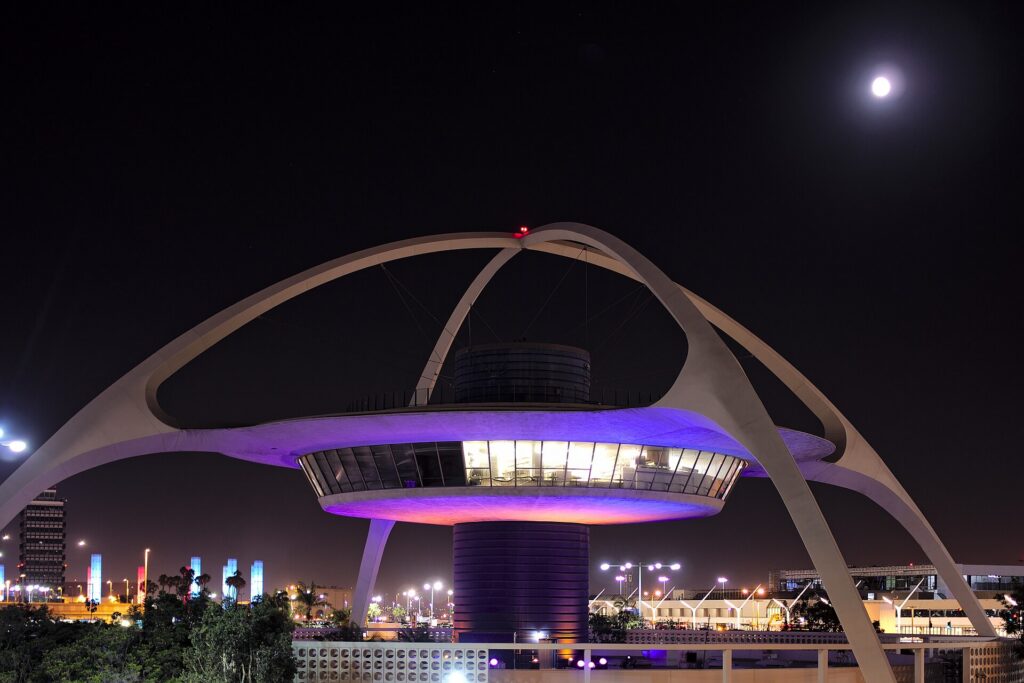
Most visitors arrive at Los Angeles International (LAX), on the coast in Westchester, about 30 kilometers (18 miles) southwest of downtown. It is a horseshoe of terminals around a single loop road, with the Tom Bradley International Terminal at the far end. The loop is notoriously congested, and the airport has been in the middle of a long modernization program: taxis and ride-hail pickups operate from the LAX-it lot, reached by a free shuttle or a short walk from the terminals; the FlyAway bus runs to Union Station downtown and to Van Nuys in the Valley; and the LAX/Metro Transit Center station, linked to the terminals by shuttle and, when complete, by the new automated people mover train, connects the airport to the Metro rail network. Rental companies are reached by shuttle from the terminals. Check the airport’s site for the current state of the people mover and the rental car center before you land.
Los Angeles also has four other commercial airports, and they are often worth checking. Hollywood Burbank (BUR) is small, quick and closest to Hollywood, Universal and the Valley. Long Beach (LGB) is convenient for the South Bay, Long Beach and the cruise terminals. John Wayne (SNA) in Orange County is the closest to Disneyland, and Ontario (ONT), in the Inland Empire, sometimes has the lowest fares for travelers heading east toward Palm Springs or Joshua Tree. A search that includes all five can turn up a better fare or a shorter drive; our Los Angeles car-versus-transit guide covers the ground transport from each, and our LAX airport guide covers the layout.
Timing tricks that work for Los Angeles
- Search the whole month. Holiday weekends, festivals and school breaks create sharp edges in the fare calendar; a calendar search on TicketScanner shows them instantly.
- Check all five airports. Burbank, Long Beach, Orange County and Ontario compete with LAX on many routes; the cheapest fare is not always into the biggest airport, and the shortest drive rarely is.
- Price the hotel before the flight in summer. A cheap fare into July is not cheap once a beach hotel is added. Run a Los Angeles hotel search for the same dates, and compare the beach with Hollywood and downtown.
- Fly mid-week and avoid the loop at rush hour. Tuesday, Wednesday and Saturday flights are often the cheapest, and an arrival outside the weekday afternoon peak saves an hour on the freeway.
- Go in September for summer without the summer prices. The weather is as warm as August, the ocean warmer, and fares and hotel rates drop the day after Labor Day.
- Pair Los Angeles with a road trip. San Diego, Las Vegas and San Francisco are all classic drives, and an open-jaw ticket, flying into one city and out of another, can cost little more than a return; see our Los Angeles to San Diego and Los Angeles to Las Vegas route guides.
- Allow time at LAX. Security lines and the loop road are unpredictable; our guide to how early to arrive covers what to allow, and if you are flying out of Los Angeles instead, see cheap flights from Los Angeles.
What to pack, by season
Winter (December to February): layers for mild days and chilly evenings, a light jacket or sweater for nights that can drop below 10 °C (50 °F), and a rain jacket and shoes that can handle a downpour. Spring (March to May): layers again, a light jacket for the gray coastal mornings, and sunscreen for the afternoons. Summer (June to August): light clothing, a hat and serious sun protection, swimwear, and a sweater for the beach in the evening, when the ocean breeze makes it cooler than you expect. Fall (September to November): summer clothing into October, with a layer for the evenings, and plenty of water on hot, dry Santa Ana days. In any season, bring comfortable walking shoes.
The best time to fly to Los Angeles for…
The beach
Late July to early October, when the marine layer has cleared and the ocean is at its warmest; September after Labor Day is the sweet spot.
Theme parks
Mid-week in January, February, early May, September and early December, avoiding school holidays; lines are shortest and tickets are often cheaper outside the peak dates.
Sightseeing and museums
Late winter and spring, from late January to May, for clear air, comfortable temperatures and the lowest crowds at the Getty and Griffith Observatory.
The lowest fares
Late January and February, outside Presidents’ Day weekend, and the first half of December.
Families
The last two weeks of August, once many schools are back, or the week after spring break in April, when the weather is good and the parks are calmer.
International visitors
Canadians need a valid passport; travelers from Visa Waiver Program countries need an approved ESTA before boarding, and everyone else needs a visa. U.S. Customs and Border Protection explains what applies to you, and the TSA lists what you can carry through security. For desert day trips, Joshua Tree National Park is best visited from October to April, when the heat is bearable.
Frequently asked questions
What is the cheapest month to fly to Los Angeles?
February is usually the cheapest, followed by January after the New Year holiday and the first half of December. September and October, outside long weekends, are the best-value months for good weather.
What is the best month to visit Los Angeles for weather?
September and October, for warm days, a warm ocean and clear skies. April and May are also excellent, apart from gray mornings at the coast.
Does it rain much in Los Angeles?
Not much. Downtown averages around 14 inches (355 mm) a year, almost all of it between November and March, usually in a few heavy storms. Summer is almost completely dry.
What are May Gray and June Gloom?
A layer of low cloud that forms over the cool Pacific and covers the coast in late spring and early summer, often burning off by midday. The beaches are cooler and grayer than inland neighborhoods during those weeks.
Should I fly into LAX or Burbank?
LAX has far more flights and is closer to the beaches and the Westside; Burbank is quicker to get through and closer to Hollywood, Universal and the Valley. Compare both, along with Long Beach and Orange County, for your dates.
How far ahead should I book?
Earlier for summer, spring break, Thanksgiving and the winter holidays, when fares tend only to rise. For January, February, the fall and early December, finding the right dates matters more than booking months ahead.
When are the Santa Ana winds?
Mostly between October and March, with the strongest events often in the fall. They bring hot, very dry weather and high fire danger; the National Weather Service issues warnings when they are expected.
Ready to pick your dates? Compare fares across the whole month on our Los Angeles flights page, then find a room with our Los Angeles hotel search. For what to do when you land, start with our first-timer’s guide to Los Angeles.
Keep planning with TicketScanner
- Cheap flights to Los Angeles — compare fares across the whole month
- Los Angeles hotels — book early for summer and the holidays
- Los Angeles car rentals — for the coast, the desert and the theme parks
- Events in Los Angeles — Dodgers, Lakers, concerts and shows on sale
- Things to do in Los Angeles: a first-timer's guide
- Los Angeles: car rental or public transit?
- Los Angeles International (LAX) airport guide
- Where to stay: Hollywood
- Best times to book flights and hotels
Leave a Reply