
New York has a reputation as one of the most expensive cities in the world, and some of that reputation is earned. Hotel rooms in Manhattan can cost more per night than a week of groceries, a cocktail in a rooftop bar can cost as much as a meal elsewhere, and a careless week of taxis and tourist-trap restaurants adds up fast. But New York is also full of things that cost very little or nothing at all: a free ferry past the Statue of Liberty, the best people-watching on the planet, some of the world’s great parks, a walk across the Brooklyn Bridge, and a subway that takes you almost anywhere for a single fare. The difference between an expensive New York trip and an affordable one is rarely luck. It comes down to when you go, where you sleep, how you get around and what you choose to pay for. This guide covers all four, from cheap flights to New York and cheap hotels to the free sights, the neighborhoods where food is good value, and the car question (the short answer is do not rent one).
The short answer
To do New York on a budget, travel in January or February after the New Year week, or in the shoulder weeks of late April to early June and early November, when rooms are cheaper than in the fall and holiday peaks. Compare all three airports: JFK, LaGuardia and Newark often price very differently. Stay a subway ride from Midtown, in places like Long Island City, Downtown Brooklyn or across the river in Jersey City, rather than steps from Times Square. Never rent a car for a city stay. Build the trip around free experiences, and spend on the one or two things that matter most to you, whether that is a Broadway show, a great restaurant or the view from an observation deck. Start by comparing a whole month of fares on our New York flights page, then compare neighborhoods on New York hotels.

Why New York is worth it, even on a budget
There are cheaper cities, but very few give you as much for free. The Statue of Liberty from the water, the skyline from Brooklyn, the architecture of Midtown, the parks, the street life in dozens of distinct neighborhoods, the food of every culture on earth: most of what makes New York special costs nothing to experience. The expensive parts are optional, and with a little planning you can decide which ones are worth it. For a full list of sights and neighborhoods, see our guide to things to do in New York.
When to go for the lowest prices
In New York, the hotel is almost always the biggest part of the bill, and hotel prices follow the city’s calendar more than the weather. Timing your trip is the single biggest saving you can make.
| Period | Hotel prices | Weather | Budget verdict |
|---|---|---|---|
| January to February (after New Year) | Lowest of the year | Cold, sometimes snowy | Best value; Restaurant Week and Broadway Week discounts often run in this period |
| March | Low to moderate | Cool, changeable | Good value, especially midweek |
| Late April to early June | Moderate | Mild, parks at their best | Best balance of weather and price |
| Late June to August | Moderate to high | Hot and humid | Busy with international visitors; many free outdoor events |
| September to October | Highest outside the holidays | The best weather of the year | Expensive, especially during the UN General Assembly in late September |
| Early November | Moderate | Cool, crisp | A good-value window before the holidays |
| Thanksgiving to New Year | Very high, peaking in mid-December | Cold | Magical but pricey; go early in December for the best rates |
Our guide to the best time to fly to New York covers each month in more detail, including the events that push prices up. If you want the holiday experience anyway, our guide to the best cities for Christmas in the USA explains how to time it.
How to find cheap flights to New York
Compare all three airports
New York has three major airports, and fares can differ significantly between them for the same dates:
- John F. Kennedy International (JFK) in Queens handles most long-haul and many domestic flights. The AirTrain connects to the subway and the Long Island Rail Road. See our JFK airport guide.
- LaGuardia (LGA), also in Queens, is the closest to Midtown and mostly domestic, with many flights from Canada. It has no rail link, but public buses connect it to the subway.
- Newark Liberty (EWR), in New Jersey, is often competitive on price. The AirTrain connects to New Jersey Transit and Amtrak trains into Penn Station in Midtown.
Search “New York” as a city rather than a single airport so you see all three at once, then compare the total cost including getting into the city. A cheaper fare into an airport with a long, expensive ride can end up costing more.
Be flexible on dates
Fares can change noticeably between neighboring days. Midweek flights are often cheaper than Friday and Sunday departures, and moving a trip by a day or two can make a real difference. Our guide to the best time to book cheap flights and hotels explains how far ahead to look.
Watch the extras
Low-cost fares often exclude a carry-on bag, a checked bag or seat selection. Add those up before choosing the cheapest headline fare. Our guide to booking cheap domestic flights in the US covers the common traps.
Flying from Canada
New York is one of the easiest international trips from Canada, with frequent flights from Toronto, Montreal and Ottawa. Our pages for flights from Toronto and from Montreal show the routes, and our guide to flights between New York and Toronto covers that corridor in detail. Remember that US border preclearance at several major Canadian airports means you clear US immigration before departure, so allow extra time at the airport.
Consider the train or bus
From Boston, Philadelphia and Washington, DC, trains and intercity buses can be cheaper and more convenient than flying, since they arrive in the middle of Manhattan. Compare them with the total cost of a flight plus airport transfers.
How to find a cheap hotel in New York
Accommodation is where most New York budgets break. These strategies help.
Stay one subway stop outside the obvious
Midtown and Times Square are convenient for first-timers, but you pay a premium for the location. The subway runs around the clock, so a hotel a few stops away can be just as practical at a lower price.
| Area | Why it can save money | Trade-offs |
|---|---|---|
| Long Island City, Queens | One or two subway stops from Midtown, with newer hotels and skyline views | Quieter at night; fewer sights on the doorstep |
| Downtown Brooklyn | Many subway lines, easy access to Lower Manhattan and Brooklyn’s best neighborhoods | Longer ride to the Upper West Side and Upper East Side |
| Jersey City and Hoboken | Across the Hudson, with PATH trains to Manhattan and views of the skyline | PATH is a separate system; check late-night service |
| Upper Manhattan | Often lower rates than Midtown; close to Central Park and museums | Longer ride downtown |
| Midtown (Times Square area) | Walk to theaters and many sights; saves on transit | Usually the most expensive; busy and noisy |
If you do want to be in the middle of it, our guide to hotels around Times Square covers the trade-offs of staying there.
Compare the full price
New York hotels add sizable taxes to the nightly rate, and some add “destination” or “facility” fees. Compare the final total each provider shows at checkout, not the headline rate. Our hotel booking tips explain what to look for.
Accept a small room
New York hotel rooms are small by North American standards. If you will only be sleeping there, a compact room in a good location is often the smartest choice.
Book refundable, then keep watching
Reserve a refundable rate once your dates are fixed, then keep checking. Rates move with demand, and if a lower price appears, you can switch. If your plans are last minute, our guide to last-minute hotel booking helps.
Be careful with short-term rentals
New York strictly limits short-term apartment rentals, so options are much narrower than in many other cities. Check that a listing is legal and properly registered before you book.
Getting around cheaply: skip the car
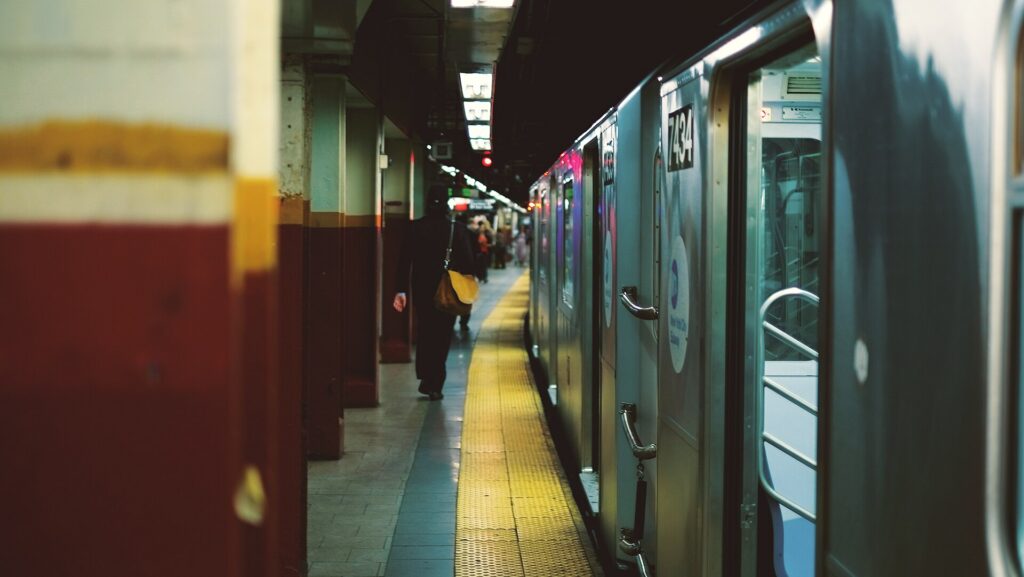
New York is the one American city where a car is a liability for a visitor. Driving is slow, parking is scarce and expensive, and most of Manhattan south of Central Park sits inside a congestion toll zone. The subway, buses, ferries and your own feet are cheaper and usually faster.
- Subway and buses: tap a contactless card or phone at the turnstile using the OMNY system. OMNY’s fare cap works in your favor: according to the official OMNY site, once you tap the same card or device for 12 trips within seven days, the rest of the week’s rides are free. Use one card or phone for all your rides to benefit.
- Staten Island Ferry: the City of New York runs the Staten Island Ferry as a free service between Lower Manhattan and Staten Island, passing close to the Statue of Liberty with a superb view of the skyline.
- Walking: Manhattan is a grid north of about 14th Street, and neighborhoods like the Village, SoHo and Chinatown are best explored on foot.
- Bike share: Citi Bike can be convenient for short trips in good weather, particularly along the waterfront greenways.
Our guide to car rental versus public transit in New York covers the whole system in detail, including when a car does make sense, such as for a day trip to the Hudson Valley or the beaches of Long Island. If you need one for a day or two, compare options on our car rental search and pick it up the morning you leave the city.
The best free and cheap things to do
Some of New York’s greatest experiences cost nothing. Build your days around these and save your money for a couple of splurges.
Free
- Ride the Staten Island Ferry for the classic harbor view of the Statue of Liberty and the skyline.
- Walk the Brooklyn Bridge, ideally from Brooklyn toward Manhattan so the skyline is in front of you, then explore DUMBO and Brooklyn Bridge Park.
- Explore Central Park: Bethesda Terrace, Bow Bridge, the Mall, Strawberry Fields and the Reservoir.
- Walk the High Line, a public park built on an old elevated rail line on the West Side; the official High Line site lists hours and free events.
- Visit the 9/11 Memorial: the memorial plaza and its reflecting pools are free to visit; the museum requires a ticket. See the official 9/11 Memorial site.
- See Grand Central Terminal, the New York Public Library’s main branch on Fifth Avenue, and St. Patrick’s Cathedral.
- People-watch in Times Square after dark, then walk down to Bryant Park.
- Wander the neighborhoods: Greenwich Village, SoHo, Chinatown, the Lower East Side, Harlem and Williamsburg each feel like a different city.
Cheap or worth paying for
- Museums: several major museums offer free or pay-what-you-wish admission at certain times or for certain visitors, and the rules differ by museum and change occasionally. Check each museum’s official site before you go, and pick the one or two museums you care about most rather than trying to see them all.
- Broadway on a budget: the TKTS booths run by the nonprofit Theatre Development Fund sell same-day discounted tickets for many shows; see TKTS by TDF. Many shows also run digital lotteries and rush tickets. Browse upcoming shows, games and concerts on events in New York.
- The Statue of Liberty and Ellis Island: if you want to set foot on Liberty Island, book through the official concessionaire linked from the National Park Service’s Statue of Liberty page, and be wary of street sellers.
- Observation decks: they are expensive, so choose one. Alternatively, get a free skyline view from the Brooklyn waterfront or the Staten Island Ferry.
- Governors Island: a short ferry ride from Lower Manhattan, with lawns, hammocks and harbor views; check the season and ferry schedule on the official Governors Island site.

Eating well for less
New York is one of the best cities in the world for cheap food, as long as you avoid the tourist traps around the major sights.
- Go classic: a slice of pizza, a bagel, a hot dog from a cart and a halal platter from a street vendor are New York institutions that cost little.
- Head to the neighborhoods: Chinatown, Flushing in Queens, Jackson Heights and Sunset Park in Brooklyn have outstanding food at neighborhood prices.
- Use food halls and delis: good for quick meals, variety and groups with different tastes.
- Make lunch your big meal: many restaurants offer lunch menus that cost less than dinner.
- Watch for Restaurant Week: the city’s Restaurant Week promotions offer set menus at participating restaurants, typically in winter and summer.
- Tip and tax: sales tax is added at the register, and tipping around 18 to 20 percent is expected in sit-down restaurants. Budget for both.
A sample three-day budget itinerary
Day 1: Lower Manhattan and Brooklyn
Start with the Staten Island Ferry for the harbor view, then walk through the Financial District to the 9/11 Memorial. After lunch in Chinatown, walk across the Brooklyn Bridge to DUMBO and spend the late afternoon in Brooklyn Bridge Park as the skyline lights up.
Day 2: Midtown and Central Park
See Grand Central Terminal, the New York Public Library and Bryant Park, then walk up Fifth Avenue to Central Park. Spend the afternoon in the park or at one museum. In the evening, try the TKTS booth for a same-day show, or see Times Square lit up after dark.

Day 3: The West Side and the neighborhoods
Walk the High Line from the Meatpacking District, explore Chelsea Market, then wander through Greenwich Village and SoHo. In the evening, take the subway to Queens or Brooklyn for dinner in a neighborhood known for its food.
For a longer stay, add a day trip. The things to do in New York guide lists day trips that are easy by train.
Getting from the airport for less
The ride into the city is where many visitors overspend on day one. From JFK, the AirTrain connects to the subway at Jamaica and Howard Beach, and to the Long Island Rail Road at Jamaica for a faster ride to Penn Station or Grand Central Madison. From Newark, the AirTrain links to New Jersey Transit and Amtrak trains into Penn Station. From LaGuardia, public buses run to subway stations in Queens and Upper Manhattan. Official options and current details are on each airport’s site, including the JFK airport site. A taxi or ride-hail can make sense for a family with luggage arriving late at night, but for a solo traveler or couple, transit is far cheaper and often just as quick in rush-hour traffic.
Your New York budget checklist
- Pick dates in a low or shoulder period, and check for big events or conventions before you book.
- Search all three airports and compare the total cost, including bags and the ride into the city.
- Book a refundable room a subway ride from Midtown, comparing the final price with taxes and fees.
- Use one contactless card or phone for every subway and bus ride so the weekly fare cap works for you.
- Plan each day around free sights, and choose one or two paid experiences that matter most.
- Eat your big meal at lunch, and head to neighborhoods like Chinatown or Flushing for dinner.
- Buy show, ferry and statue tickets only from official sources.
Budget traps to avoid
- Renting a car for a city stay. Parking, tolls and traffic make it far more expensive than transit.
- Eating right next to the big sights. Walk a few blocks away for better food at lower prices.
- Buying “discount” tickets from street sellers. Buy ferry, statue and show tickets from official sources.
- Taking taxis from the airport by default. Public transit from JFK and Newark is much cheaper, and buses link LaGuardia with the subway.
- Visiting in peak weeks without checking prices. A trip in mid-December or late September can cost far more than the same trip in January or early November.
- Ignoring taxes and fees. Hotel taxes and fees, sales tax and tips all add up; budget for them from the start.
- Trying to see everything. Paying for five attractions in three days is expensive and exhausting. Choose one or two, and fill the rest with free experiences.
Frequently asked questions
What is the cheapest month to visit New York?
January and February, after the New Year week, are usually the cheapest months for hotels and often for flights. It is cold, but the city’s museums, theaters and restaurants are all open, and seasonal promotions like Restaurant Week and Broadway Week often run in this period.
Which New York airport is cheapest to fly into?
It depends on your route and dates. JFK, LaGuardia and Newark often price differently, so search all three and compare the total cost including the trip into the city.
Where should I stay in New York on a budget?
Consider Long Island City, Downtown Brooklyn, Jersey City or Upper Manhattan, which are often cheaper than Midtown and have good transit links. Always compare the total price including taxes and fees.
Do I need a car in New York?
No. The subway, buses, ferries and walking cover everything a visitor needs, and driving and parking are expensive. Rent a car only for day trips outside the city.
What can I do in New York for free?
Ride the Staten Island Ferry, walk the Brooklyn Bridge and the High Line, explore Central Park, visit the 9/11 Memorial plaza, see Grand Central Terminal and wander neighborhoods like Greenwich Village, Chinatown and Williamsburg.
How can I see a Broadway show cheaply?
Try the TKTS booths for same-day discounted tickets, enter digital lotteries, or look for rush tickets. Weeknight performances and newer shows are often easier to get.
How many days do I need in New York?
Three full days cover the highlights; four or five let you explore Brooklyn, Queens and a museum or two without rushing. A longer stay also spreads the cost of the flight over more days.
More guides in this series
This article is part of our destinations and planning series. Start with the pillar guide to budget travel destinations for more places where your money goes further, then read our guide on how to save money for a trip, the best cities for Christmas in the USA, seven relaxing vacations for doing absolutely nothing, and our guide to planning and booking a trip on TicketScanner.
Ready to plan an affordable New York trip? Compare fares into JFK, LaGuardia and Newark across a whole month on our New York flights page, then find a well-connected room on New York hotels. For the full list of sights, see our guide to things to do in New York.
Keep planning with TicketScanner
- Budget travel destinations: the best-value picks
- How to save money for a trip
- Best cities for Christmas in the USA
- Seven relaxing vacations for doing absolutely nothing
- How to plan and book a trip on TicketScanner
- Cheap flights to New York — compare JFK, LaGuardia and Newark across the month
- New York hotels
- Things to do in New York
- Best time to fly to New York
- New York: rent a car or use transit?
Leave a Reply