Most travel health problems are small: a blister from new walking shoes, a cut from a broken shell on the beach, a scraped knee, a splinter, an upset stomach or a headache after a long flight. None of them should ruin a trip, but they can take a surprising chunk out of a day when you are hunting for a pharmacy in a city where you do not speak the language, late at night, with a child in tow. A small, well-chosen first aid kit means you can deal with minor problems in minutes and get back to your plans. This guide explains what a travel first aid kit is for and what it is not for, how to choose between a ready-made kit and building your own, which supplies to pack for different kinds of trips, what the official guidance says about medications and airport security, five kits from our original list, and how to find care abroad when something is more than a plaster can fix.
Important: this guide is general travel packing information, not medical advice. It does not recommend specific medicines or doses. Talk to a doctor or pharmacist about prescription and destination-specific needs, about which over-the-counter products are right for you and your family, and about vaccines or preventive medicines for where you are going, ideally several weeks before you leave. In an emergency, call the local emergency number.
The short answer
For most trips, a compact, zippered first aid kit with a clear layout covers the basics: adhesive bandages in several sizes, blister dressings, gauze and tape, antiseptic wipes, tweezers and a pair of gloves. Add your prescriptions in their original labeled containers, any over-the-counter products your pharmacist suggests for your trip, and items specific to where you are going, such as insect repellent or sunscreen. A ready-made kit is a convenient base; most travelers then add a few personal items. Keep medications and the core kit in your carry-on, check expiry dates before each trip, and use the CDC’s Pack Smart list as a checklist.
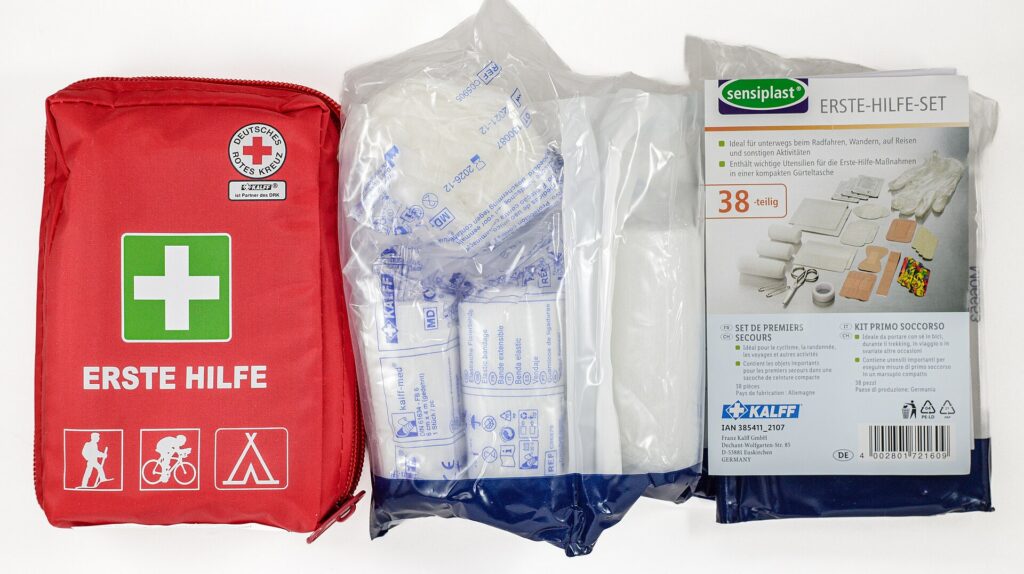
What a travel first aid kit is for
A travel kit is for minor, common problems and for keeping you comfortable until you can get proper care if you need it. It covers:
- Small cuts, scrapes and blisters, which are by far the most common travel injuries for walkers, hikers and beachgoers.
- Everyday discomforts such as a headache, a stuffy nose or an upset stomach, with over-the-counter products you already know work for you.
- Splinters, insect bites and sunburn, with the simple tools and supplies to clean and cover.
- Your own ongoing needs, such as prescriptions, glasses or contact lens supplies and any medical devices.
It is not a substitute for medical care. Deep wounds, burns, head injuries, breathing problems, chest pain, high fevers, signs of an allergic reaction and anything that worries you need a medical professional. Part of preparing is knowing how you would find one at your destination, which we cover below.
Ready-made kit or build your own?
Ready-made kits
A ready-made kit gives you an organized case with a sensible mix of basic supplies in one purchase. It is the easiest place to start, and the case alone is worth having because it keeps everything together and visible. The drawbacks: many kits pad their piece count with dozens of tiny bandages you will never use, some include items you do not need for a city trip, and almost none include the medications or personal items that matter most to you.
Building your own
Building your own kit in a small zippered pouch lets you pack exactly what you need in the sizes you like, and replace items as you use them. It takes a little more time, and it is easy to forget a basic item like tape or gloves if you do not work from a list.
The best of both
Most experienced travelers buy a compact ready-made kit, remove what they will not use, and add their own items: prescriptions, blister dressings in a larger size, a few over-the-counter products their pharmacist has suggested, and trip-specific extras. The result is small, organized and personal.
What to look for in a ready-made kit
- Size. Choose one that fits your daypack or personal item. A kit left in the hotel room does not help on a hike.
- A clear layout. Clear pockets, labeled sections and elastic loops let you find tweezers or a blister dressing in seconds.
- A durable case. Soft zippered cases pack easily; hard or water-resistant cases protect contents on boats, beaches and camping trips.
- A contents list. A printed list lets you check what is inside and restock what you use.
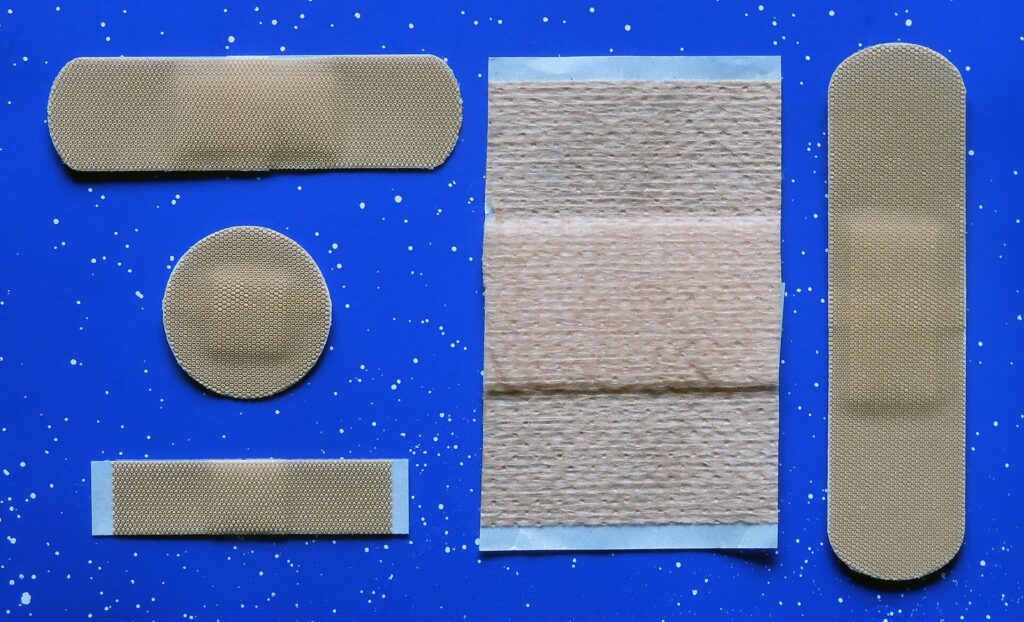
- Useful sizes. A range of bandage sizes, including larger ones, is more useful than a hundred identical small strips.
- Latex-free options if anyone in your group is sensitive to latex.
- Expiry dates. Wipes, ointments and any included medicines expire. Check them when the kit arrives and before each trip.
Be wary of claims that a kit is “approved” by an airport security agency. Security agencies set rules for items, not certifications for kits, so what matters is whether the individual items in your kit meet the rules for your flight.
Core supplies checklist
These non-medication basics cover the most common minor problems for most trips:
- Adhesive bandages in several sizes, including a few large ones
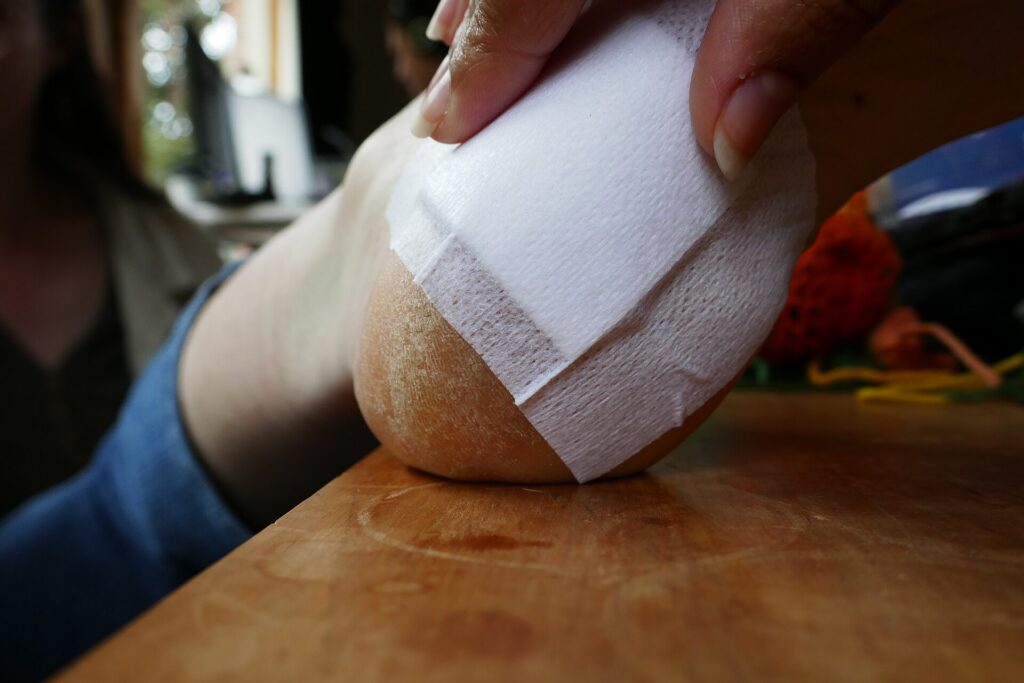
- Blister dressings or moleskin, plus a small roll of tape for hot spots
- Sterile gauze pads and a roll of medical tape
- Antiseptic wipes or single-use packets of cleanser
- Fine-tipped tweezers for splinters
- Small scissors, if allowed for your flight, or pre-cut tape and dressings if not
- Disposable gloves
- An elastic bandage for support
- A digital thermometer
- Hand sanitizer; the CDC’s Pack Smart list suggests one containing at least 60% alcohol
- A few safety pins and zip bags
- A card with emergency contacts, allergies and your insurance details
Medicines: what the official lists suggest
The CDC’s Pack Smart page lists over-the-counter medicines that travelers may want to consider, including pain and fever medicine, an antihistamine, diarrhea medicine, an antacid, a mild laxative, cough and cold remedies and motion sickness medicine, alongside prescriptions in their original containers. It also notes that you may not need every item and that what you pack depends on your destination and your health.
We are not recommending any particular product or dose. Which medicines suit you depends on your age, health, other medications, allergies and pregnancy status, and children need products and doses made for them. Ask a pharmacist or doctor what makes sense for you and your family, buy familiar products before you leave, and always follow the label or your prescriber’s directions. Keep medicines in their original packaging so the name, strength and directions stay with them.
Traveling with prescription medications
- Carry them in your carry-on. Checked bags can be delayed or lost. Canada’s guidance on travelling with medication advises keeping medications and medical supplies in your carry-on.
- Keep original labeled containers, and bring a copy of your prescriptions, ideally showing generic as well as brand names, in case you need a refill abroad.
- Bring a note from your doctor for medications that could draw questions, and for needles, syringes or medical devices.
- Bring enough for the whole trip, plus a little extra in case of delays. Ask your pharmacist about refilling early if your trip overlaps a refill date.
- Check whether your medicines are legal where you are going. Some medicines that are legal at home are restricted or banned elsewhere, or need permission in advance. The CDC’s traveling abroad with medicine page explains how to check, and Canada’s guidance suggests contacting the destination country’s government office.
- Ask about time zones. If you take medication on a strict schedule, ask your doctor or pharmacist how to manage timing when you cross several time zones.
Airport security rules for a first aid kit
First aid supplies generally travel fine in carry-on bags, but a few items need attention. Rules change, so check the official pages before you fly.
Liquids, gels and creams
Ointments, liquid medicines, hand sanitizer and sunscreen count as liquids at security. In the US, the TSA’s liquids rule limits most carry-on liquids to small containers in one quart-sized bag. Medically necessary liquids are treated differently: the TSA’s page on disabilities and medical conditions explains how to declare them to the officer. In Canada, CATSA’s medication and medical items page explains what you can bring and how to present it at screening.
Scissors and tweezers
Tweezers are generally allowed in carry-on bags, and the TSA’s scissors page explains the rules for scissors, which are allowed or not depending on blade length. Check both the TSA and CATSA rules for your flight. If in doubt, pack scissors in checked luggage and carry pre-cut tape and dressings in the cabin.
Screening tips
Pack your kit where you can reach it if officers want a look, and keep medications together in one clear pouch. Final decisions rest with the screening officer.
Five first aid kits from our original list
The kits below were featured in the original version of this guide. Contents, piece counts and cases change between versions, and we have not tested them ourselves, so check the current contents list from the manufacturer or seller before you buy, and plan to add your own personal items to any of them.
1. Band-Aid Travel Ready Portable Emergency First Aid Kit
A compact travel kit from BAND-AID Brand, built around an assortment of adhesive bandages and basic wound-care supplies in a small case. It suits casual travelers, road trips and theme park days, when you mostly need to clean and cover small cuts and scrapes. Check the current contents before you buy, and add blister dressings if you plan to walk a lot.
2. Waterproof hard-shell mini first aid kits
The original list included a compact kit in a waterproof hard-shell case. This style suits active travelers who hike, camp, paddle or spend time on boats, because the case keeps contents dry and protected in a backpack or glove compartment. Check that the contents include what you need, such as blister care and tweezers, and not just a large number of small items.
3. Compact multi-use mini kits
The original list also included a small general-purpose kit with antiseptic towelettes, gauze and safety pins, organized for home, office, car or backpack use. A kit like this makes a good base that you can personalize for travel with prescriptions and trip-specific items.
4. KeepGoing Travel First Aid Kit for Kids
A kit designed for traveling families, with child-friendly bandages and a small case that fits a diaper bag, backpack or glove box. It suits parents who want bumps and scrapes covered quickly. Children’s medicines are not a substitute for this kit and are not something to guess at: ask a pharmacist or your child’s doctor which products and doses are appropriate for your child’s age and weight.
5. PTEROMY Mini First Aid Kit
A compact, organized kit aimed at outdoor and travel use, with a broader range of supplies than a basic bandage kit. It suits road trips, international travel and trekking where a pharmacy may not be close. Check the current contents list and remove anything you would not know how to use.
Kits by trip type
| Trip | Add to the core kit | Notes |
|---|---|---|
| City break | Extra blister dressings, hand sanitizer | Pharmacies are usually close; keep the kit small |
| Beach and resort | Sunscreen, after-sun care, waterproof bandages | Cover cuts from shells and coral promptly and keep them clean |
| Hiking and outdoors | Elastic bandage, larger dressings, emergency blanket | Take a first aid course if you hike far from help |
| Road trip | Larger kit in the car, water, flashlight | Keep the kit out of direct sun in a hot car |
| Traveling with kids | Child-friendly bandages, thermometer, products your pharmacist suggests | Never give adult medicines to children without advice |
| Remote or long-haul | Water purification, insect repellent, items your travel clinic suggests | See a travel health clinic well before departure |
Destination-specific planning
Some destinations call for vaccines, preventive medicines or particular supplies. The CDC’s destination pages list health considerations by country, and the same site has a tool that helps US travelers find travel health clinics. Canadians can check the health section of each country page in the Government of Canada’s travel advice. Book an appointment with a doctor, pharmacist or travel clinic ideally several weeks before you leave, because some vaccines need time or more than one dose. Bring your kit list to the appointment and ask what to add or remove for your destination.
Traveling with children
Kids get more scrapes and bumps, and they are less patient about waiting for a pharmacy to open. Pack child-friendly bandages, a thermometer, a copy of their health card and any prescriptions. Ask your pharmacist or pediatrician which products, if any, to bring for your child, and how to use them; children’s dosing is based on age and weight and should never be guessed. Keep all medicines in child-resistant packaging and out of reach in hotel rooms. To keep little ones busy on the way, see our guide to travel books for kids.
Finding care abroad
- Know the emergency number. It is 911 in the US and Canada and 112 across the European Union; check the number for your destination before you go.
- Pharmacies are a good first stop for minor problems in many countries, and pharmacists can often advise on local products.
- Ask your hotel. Front desks usually know the nearest pharmacy, clinic and hospital, and whether staff speak your language.
- Carry insurance details. Medical care abroad can be expensive. The CDC’s travelers’ health site has a section on travel insurance, and Canada’s medication guidance recommends insurance that covers care abroad.
- Canadians abroad can find consular help through the Government of Canada’s emergency assistance page.
Where to keep your kit
Split your supplies so the right things are always with you. Keep medications and a small core kit in your personal item on the plane. Carry a mini kit in your daypack on sightseeing and hiking days: a few bandages, blister dressings, wipes and any medicine you might need during the day. Leave bulkier items in your suitcase or car. An anti-theft backpack or a hiking backpack with a small outside pocket makes the day kit easy to reach.
Preventing the most common problems
- Blisters. Break in new shoes before the trip and treat hot spots early. Our guide to comfortable walking shoes helps you pick the right pair.
- Long flights. Move around, stay hydrated and ask your doctor whether compression socks make sense for you; see our guide to compression socks for long flights.
- Sleep and jet lag. Light, routines and seat choice help more than most gadgets. Our guide to sleeping better on flights covers the basics, and medication decisions belong with your doctor or pharmacist.
- Food and water. Follow local advice on tap water, wash or sanitize hands before eating, and be cautious with street food if you have a sensitive stomach.
- Sun and heat. Sunscreen, a hat, shade at midday and plenty of water prevent most heat and sun problems.
Keeping your kit ready
After each trip, restock anything you used and check expiry dates on wipes, ointments and medicines. Once a year, empty the kit completely, throw out anything expired or damaged, and replace it. Keep the contents list inside the case, and update it when you add or remove items. A kit that is ready to go means you will actually take it.
Common mistakes
- Buying a huge kit and leaving it behind. A small kit you carry beats a big kit in the hotel.
- Packing medications in checked luggage. Keep them in your carry-on.
- Decanting prescriptions into unlabeled pill boxes. Keep original labeled containers for travel, especially across borders.
- Not checking local rules. Some common medicines are restricted in some countries.
- Guessing children’s doses. Ask a pharmacist.
- Letting everything expire. Check the kit before each trip.
- Relying on the kit for serious problems. Know how to get real care at your destination.
Frequently asked questions
What should be in a travel first aid kit?
Basics include bandages in several sizes, blister dressings, gauze, tape, antiseptic wipes, tweezers, gloves and a thermometer, plus your prescriptions. The CDC’s Pack Smart list is a good checklist; ask a pharmacist which over-the-counter products suit you.
Can I bring a first aid kit on a plane?
Generally yes, in carry-on or checked bags, but individual items must follow security rules. Liquids, gels and some scissors have limits, and medically necessary liquids have their own process. Check TSA or CATSA guidance before you fly.
Should I pack medicine in my carry-on?
Yes. Keep prescriptions and essential medicines in your carry-on, in their original labeled containers, with copies of your prescriptions.
Are my medicines legal in other countries?
Not always. Some medicines that are legal at home are restricted elsewhere. Check with the destination country’s government office and see the CDC and Government of Canada guidance before you go.
How often should I update my travel kit?
Restock after every trip and check expiry dates before each departure. Do a full clear-out at least once a year.
Do I need a different kit for international travel?
Often you need extras, depending on where you are going. Check the CDC destination pages or Government of Canada travel advice, and see a doctor, pharmacist or travel clinic several weeks before departure.
Is a ready-made kit good enough?
It is a good base. Most travelers add prescriptions, larger blister dressings and trip-specific items, and remove things they will not use.
With a small kit in your bag, you can focus on the trip itself. Compare fares across flexible dates on our flight search, find a hotel close to the sights (and a pharmacy) on our hotel search, and pick up a car for the road trip on our car rental search. If you are heading somewhere sunny, our guide to things to do in Cancun is a good start. For the rest of your travel gear, including the bag your kit will ride in, see our main guide to travel luggage bags.
Keep planning with TicketScanner
- Top travel luggage bags: the buying guide — the travel gear guide
- Hiking backpacks: how to choose and fit one
- Comfortable walking shoes for travel
- Compression socks for long flights
- Sleeping better on flights
- Travel-friendly feminine hygiene products
- Passport holders: how to choose
- Anti-theft backpacks for travel and commuting
- Search flights — compare fares across flexible dates
- Things to do in Cancun