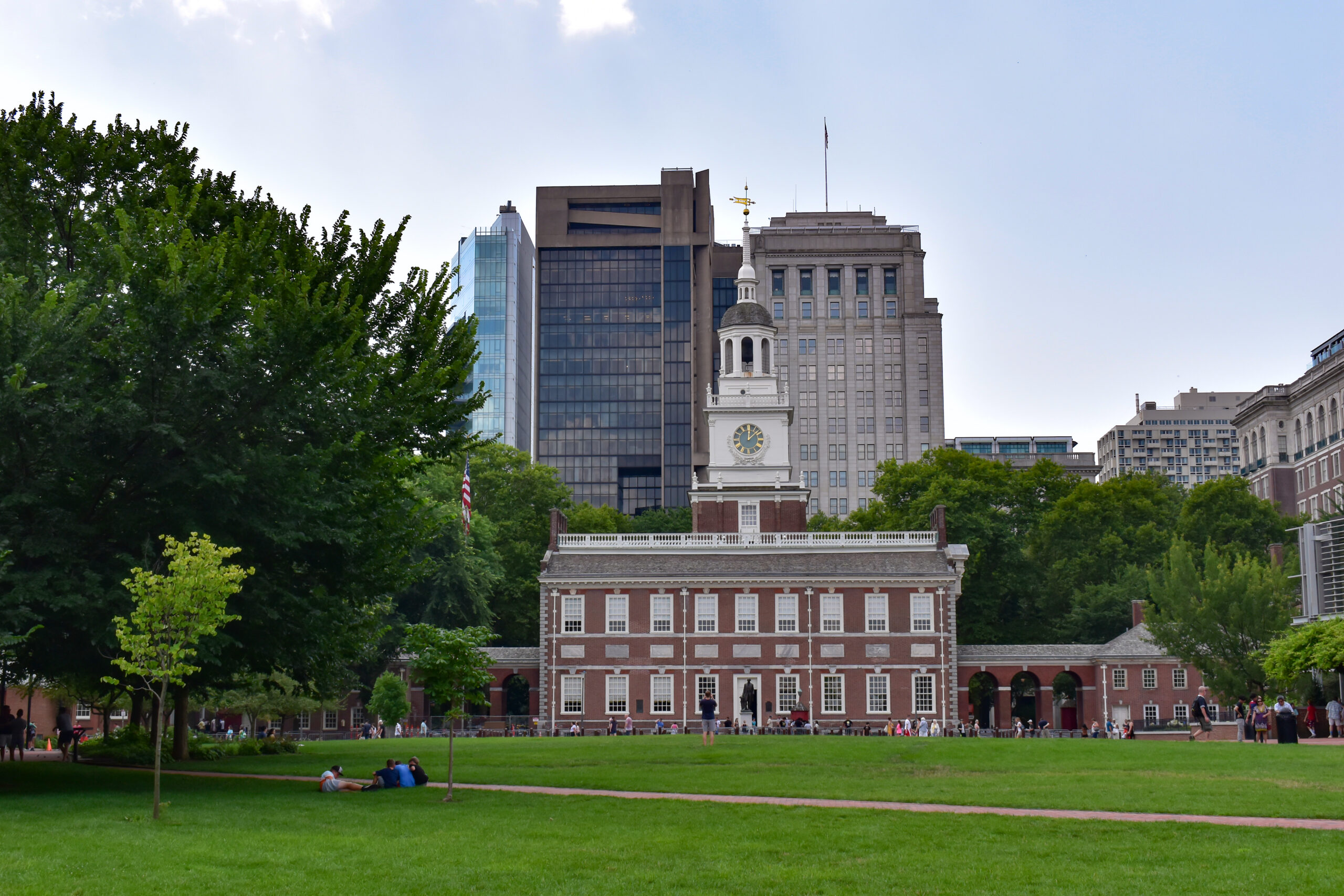
Philadelphia is one of the easiest big cities in the country to time well, because its price calendar is driven by a handful of predictable things rather than by one overwhelming season. There is the tourist calendar, which peaks with the Fourth of July in the city where the Declaration of Independence was signed and stays busy through the summer. There is the university calendar, with dozens of colleges in and around the city sending families into hotels for move-in weekends in late August and graduations in May. There is the convention calendar at the Pennsylvania Convention Center, which can fill Center City hotels on any weeknight of the year. And there is the sports calendar, which in a city this devoted to its teams can tighten rooms on an Eagles weekend in a way that surprises visitors. Philadelphia International is also a major American Airlines hub with nonstop service across the country and to Europe, so fares from most places are competitive in every month. This guide walks through the weather month by month, the fare and hotel seasons, the events that move prices, and how to get into the city from the airport.
The short answer
For the best balance of weather and price, go in late April to mid-May, before the summer heat and outside the graduation weekends, or in late September through October, when the humidity has broken, the evenings are cool and the fall foliage is starting in Fairmount Park and along the Wissahickon. The cheapest time to fly and stay is January and February, outside the long weekends and the Flower Show in early March, with the first three weeks of November close behind. The most expensive stretches are the Fourth of July week, the summer from mid-June to mid-August, the graduation weekends in May, Thanksgiving and the Christmas to New Year period, and any weekend when a big convention, a stadium concert or an Eagles playoff game lands in town. Whatever you choose, run a flexible-date search on our Philadelphia flights page; moving your trip by a few days around a holiday weekend or a graduation can change the fare band entirely.
Philadelphia’s weather, season by season
Philadelphia sits between the Delaware and Schuylkill rivers, about 100 kilometers (60 miles) inland from the Atlantic, with a humid climate that gives it four very distinct seasons. Summers are hot and sticky with afternoon thunderstorms, winters are cold with a few snowfalls most years and the occasional big storm, and spring and fall are the seasons worth planning a trip around. The figures below are approximate seasonal patterns based on the long-term climate normals for Philadelphia International Airport from NOAA’s National Weather Service, whose Mount Holly office covers the city; check the current forecast before you pack, because March and November can each hold a mild afternoon and a hard freeze in the same week.
| Month | Typical daytime high | Typical overnight low | What it feels like | Fare pressure |
|---|---|---|---|---|
| January | around 5 °C (41 °F) | around -3 °C (27 °F) | Cold and often gray; snow in some years, raw wind off the rivers | Low, except New Year’s Day and MLK weekend |
| February | around 7 °C (45 °F) | around -2 °C (28 °F) | Still cold; the likeliest month for a heavy snowstorm | Low; rises for Presidents’ Day weekend |
| March | around 12 °C (54 °F) | around 2 °C (36 °F) | Changeable; mild spells, late snow and plenty of wind | Moderate; the Flower Show and spring break |
| April | around 18 °C (64 °F) | around 7 °C (45 °F) | Spring proper; cherry blossoms, showers, green parks | Moderate; school groups arrive |
| May | around 24 °C (75 °F) | around 13 °C (55 °F) | Warm and pleasant; humidity starts to build late in the month | High on graduation weekends |
| June | around 29 °C (84 °F) | around 18 °C (64 °F) | Hot and humid; long evenings and thunderstorms | High |
| July | around 31 °C (88 °F) | around 22 °C (72 °F) | The hottest month; heat waves push the heat index far higher | Peak around the Fourth, then high |
| August | around 30 °C (86 °F) | around 21 °C (70 °F) | Hot and sticky; locals leave for the Jersey Shore | High, easing after mid-month |
| September | around 26 °C (79 °F) | around 17 °C (63 °F) | Warm and gradually drier; tropical storm remnants possible | Moderate, falling after Labor Day |
| October | around 20 °C (68 °F) | around 10 °C (50 °F) | Crisp, sunny and colorful; many locals’ favorite month | Moderate; high on convention weeks |
| November | around 14 °C (57 °F) | around 4 °C (39 °F) | Cool and increasingly gray; the leaves finish early in the month | Low until Thanksgiving week |
| December | around 8 °C (46 °F) | around 0 °C (32 °F) | Cold and festive; snow is possible but not reliable | Low until mid-month, then peak |
Three things the table cannot show. First, the humidity: a July afternoon at 31 °C (88 °F) in Philadelphia feels much hotter than the same temperature in a dry climate, and the brick and asphalt of Center City hold the heat long after sunset, so plan the historic sites for the morning and the air-conditioned museums for the afternoon. Second, the snow: the city averages a modest amount each winter, but it tends to come in a few storms rather than a steady covering, and one big nor’easter can close schools and snarl flights for a day or two. Third, the rivers and the wind: a January day that looks mild on paper can feel bitter on the open plaza of Independence Mall or along the Delaware waterfront, so pack for the wind chill rather than the thermometer.
How Philadelphia’s fare seasons work
Four calendars drive seats and rooms in Philadelphia. The leisure calendar builds from the spring school-trip season into a summer peak around the Fourth of July. The university calendar puts parents into hotels for move-in in late August, family weekends in the fall and a run of commencement weekends through May, with the University of Pennsylvania’s graduation in mid-May the biggest single squeeze on Center City and University City rooms. The convention calendar at the Pennsylvania Convention Center, one of the largest in the Northeast, fills downtown hotels on weeknights with little regard for the season. And the sports calendar adds pressure on Eagles weekends in the fall and during any playoff run. Airfares are steadier than hotel rates, because PHL is a large American Airlines hub with competition from other carriers on the busiest routes, but the flights that matter to leisure travelers, Friday and Sunday afternoons, fill quickly on the big weekends. The pattern is a summer plateau with a sharp Fourth of July spike, a strong spring and fall, and a genuinely cheap winter.
Peak season
Mid-June to mid-August, the Fourth of July week above all, plus Thanksgiving week and roughly December 20 to January 2. The Fourth is Philadelphia’s own holiday: the Welcome America festival runs for days around it, and the free Parkway concert and fireworks draw huge crowds, so Old City and Center City hotels fill and rates climb well ahead. The rest of the summer is steady family and international travel, with the heat keeping a lid on the very highest prices. Graduation weekends in May behave like peak for hotels even though flights are only moderately busy. If you must travel in peak, book early, fly mid-week, and compare hotels near City Hall and in University City with those in Old City.
Shoulder season
April to early June and September to October. April brings the cherry blossoms and the first Phillies games but also the school groups that crowd Independence Hall into June; May is lovely apart from the graduation weekends. September, after Labor Day, is warm and quieter, and October is often the best month of the year for walking the city, with the foliage turning in Fairmount Park and along the Wissahickon at the end of the month. Watch the convention calendar and Eagles home dates, which can push weekday or weekend rates into peak territory at short notice.
Low season
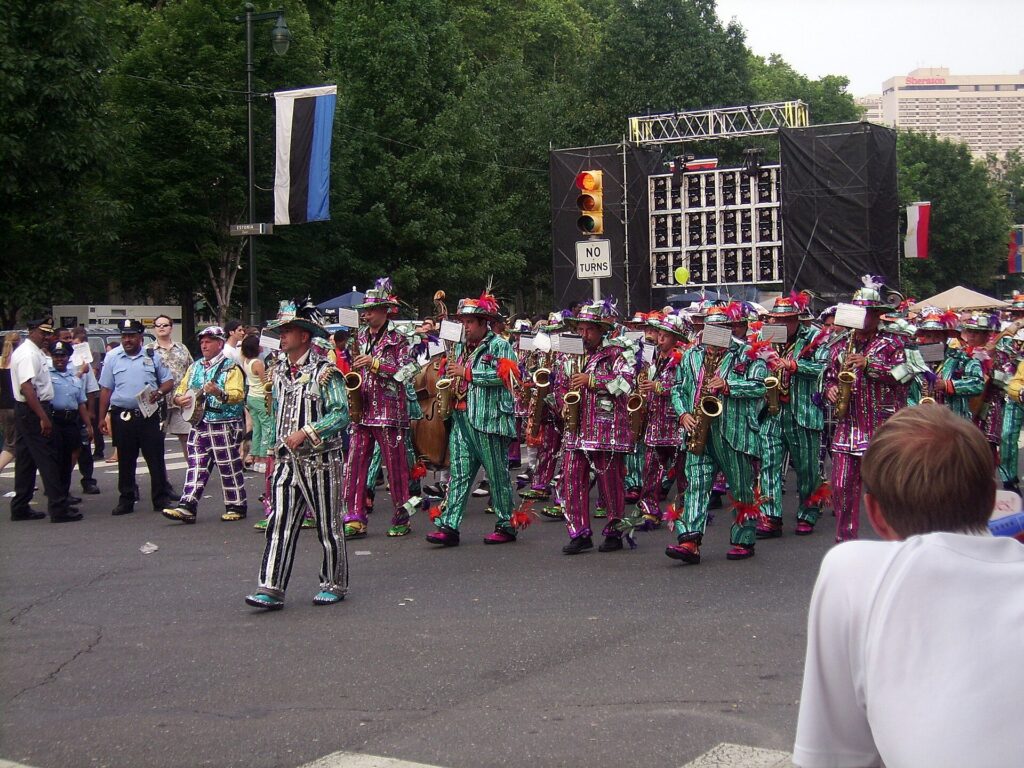
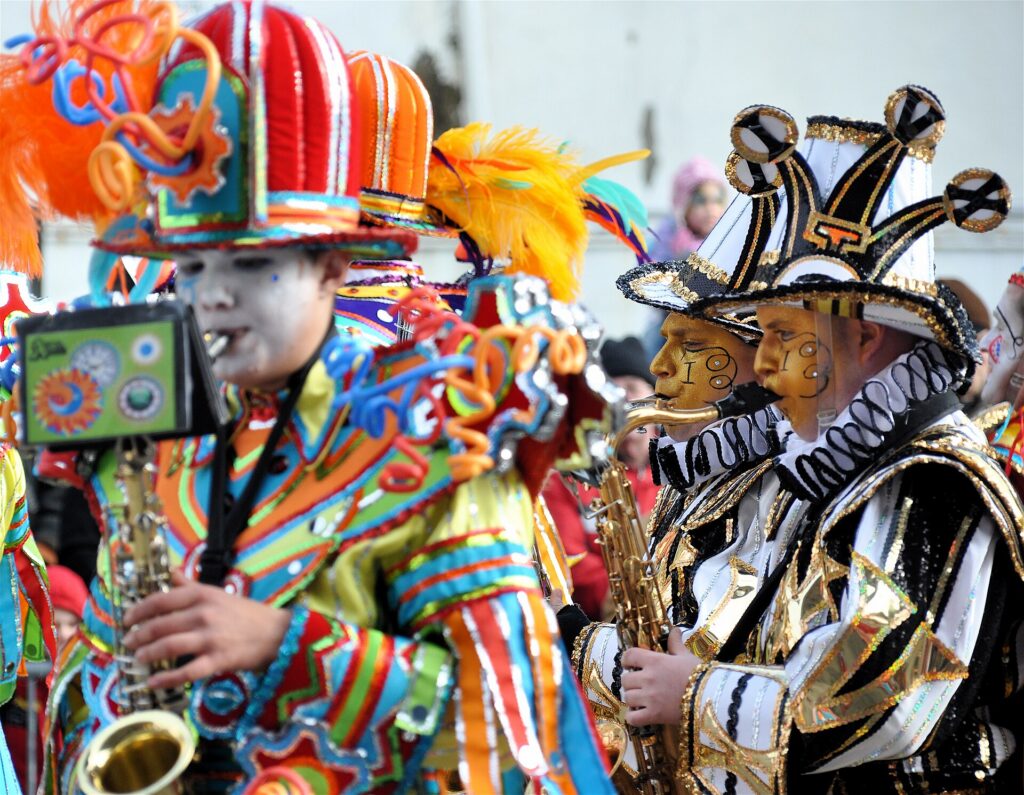
January to early March, and November before Thanksgiving. Fares and hotel rates are at their lowest, the museums are at their emptiest, and the city is still busy enough to feel alive, with the 76ers and Flyers at home, the ice rinks open at Dilworth Park and on the waterfront, and restaurants eager for business. The exceptions are New Year’s Day, when the Mummers Parade fills Broad Street, the MLK and Presidents’ Day long weekends, and the Flower Show in early March. Build a weather buffer into any connection in January and February.
As elsewhere, mid-week departures and early morning or late evening flights usually price below Friday and Sunday afternoons on the same route, and a search across a whole month reveals cheaper pairs of dates close to your first choice. Our guide to the best times to book explains how to read those patterns.
Philadelphia month by month
January
Cold, gray and, after New Year’s Day, one of the cheapest months of the year. The Mummers Parade opens the year with string bands and sequined costumes along Broad Street, and then the city settles into winter. Highs hover a few degrees above freezing, snow falls in some years, and the major museums, from the art museum to the Barnes and the Penn Museum, are at their least crowded. Independence Hall and the Liberty Bell have the shortest lines of the year. Hotel rates in Center City drop sharply outside convention weeks, and a museum-and-restaurant long weekend is exceptional value.
February
Similar weather, with the highest chance of a real snowstorm, and low fares outside the Presidents’ Day weekend. The 76ers and Flyers are deep into their seasons at the arena in South Philadelphia, Philly Restaurant Week often falls in the winter months, and the skating rinks are open. If you are flexible, February is the month to find the lowest combination of flight and hotel prices.
March
Changeable, with mild afternoons, late snow and plenty of wind. The Philadelphia Flower Show, one of the largest and oldest in the world, fills the Convention Center for about a week in early March and brings a noticeable hotel spike to Center City. St. Patrick’s Day brings a parade and packed bars, and college spring breaks nudge fares from other cities up for a couple of weeks. The second half of March, with the first blossoms appearing, is a good value window.
April
Spring proper. The cherry trees bloom in Fairmount Park, around the Horticultural Center and along the river in the first half of the month, and a cherry blossom festival centered on the park’s Japanese House and Horticultural Center marks the season. The Phillies open their season at Citizens Bank Park, the Penn Relays fill Franklin Field in the last week of April, and school groups begin to crowd the historic district. Book Independence Hall tickets ahead from now until June.
May
Warm, green and one of the best months to walk the city, with one caveat: graduation weekends. Penn, Temple, Drexel, Villanova and many other colleges hold commencements across the month, and Penn’s in mid-May in particular fills hotels in University City and Center City. The Broad Street Run, a ten-mile race down the city’s spine, is usually the first Sunday of May, and Memorial Day weekend opens the Shore season. Check your dates against the university calendars before booking.
June
Hot, humid and busy. Spruce Street Harbor Park opens on the Delaware waterfront, the Odunde Festival on South Street is one of the largest African American street festivals in the country, Philly Pride fills the Gayborhood, and the Roots Picnic brings a big hip-hop and soul lineup to the city around the start of the month. Welcome America begins in the last days of June. Fares climb steadily as schools finish; early June is the value play.
July
Peak season, and the Fourth of July is the main event: a week of Welcome America festivities with free museum days, neighborhood block parties, the parade past Independence Hall, and the free concert on the Benjamin Franklin Parkway that ends with fireworks over the art museum. Rooms in Old City and Center City are at their annual maximum and sell out early. The rest of July is hot, with heat waves that make midday sightseeing hard work; the Phillies at home on a summer evening is the classic way to spend it.
August
Hot and sticky, and noticeably quieter as locals head for the Jersey Shore. Hotel rates often ease in the first half of the month, before the college move-in weekends late in August send parents and students into the city’s hotels, and before Labor Day weekend. For a visitor who can handle the heat and plans indoor afternoons, the middle of August can be surprisingly good value.
September
Warm, gradually drier and much calmer after Labor Day. The Philadelphia Fringe Festival fills theaters and odd spaces across the city for most of the month, the Eagles season begins, and the waterfront parks are still open. Remnants of tropical storms occasionally bring a day or two of heavy rain. Fares and hotel rates fall after Labor Day, apart from Eagles home weekends and big conventions.
October
Crisp, sunny and colorful, and for many Philadelphians the best month of the year. The foliage turns in Fairmount Park and along the Wissahickon in the second half of the month, Eastern State Penitentiary runs its famous Halloween nights, and in years when the Phillies reach the postseason the whole city turns red. Rates are moderate but can jump on college family weekends and convention weeks, so compare a few date pairs.
November
Cool and increasingly gray, with the leaves finishing early in the month and some of the lowest prices of the year until Thanksgiving. The Philadelphia Marathon takes over the Parkway and the river drives the weekend before Thanksgiving, and on Thanksgiving morning one of the oldest holiday parades in the country marches through Center City. The Christmas Village opens near City Hall in late November, and the Eagles are in full swing.
December
Two months in one. The first half is festive and reasonably priced, with the Christmas Village, the rinks at Dilworth Park and on the waterfront, and holiday concerts on the Avenue of the Arts. In years when the Army-Navy Game is played in Philadelphia, that December weekend fills hotels. From about December 20, fares climb for the holidays and stay high through New Year’s Day and the Mummers.
Events that move Philadelphia flight and hotel prices
Cross-check these against your dates before you book. Exact dates shift each year; Visit Philadelphia keeps the current calendar.
- New Year’s Day and the Mummers Parade on Broad Street.
- Philadelphia Flower Show (early March) at the Convention Center.
- Penn Relays (last week of April) at Franklin Field.
- Graduation weekends (through May), especially Penn’s in mid-May.
- Welcome America and the Fourth of July (late June to July 4): the single biggest hotel spike of the year in Old City and Center City.
- College move-in (late August) and Labor Day weekend.
- Eagles home games (September to January), and any Eagles, Phillies, 76ers or Flyers playoff run. Our Philadelphia events page shows what is on sale for your dates.
- Philadelphia Marathon (the weekend before Thanksgiving) and Thanksgiving itself.
- Christmas to New Year, plus the Army-Navy Game in the years it is played in the city.
- Large conventions, which can fill Center City hotels on weeknights without warning; if your mid-week rates look strangely high, that is usually why.
Getting in from the airport
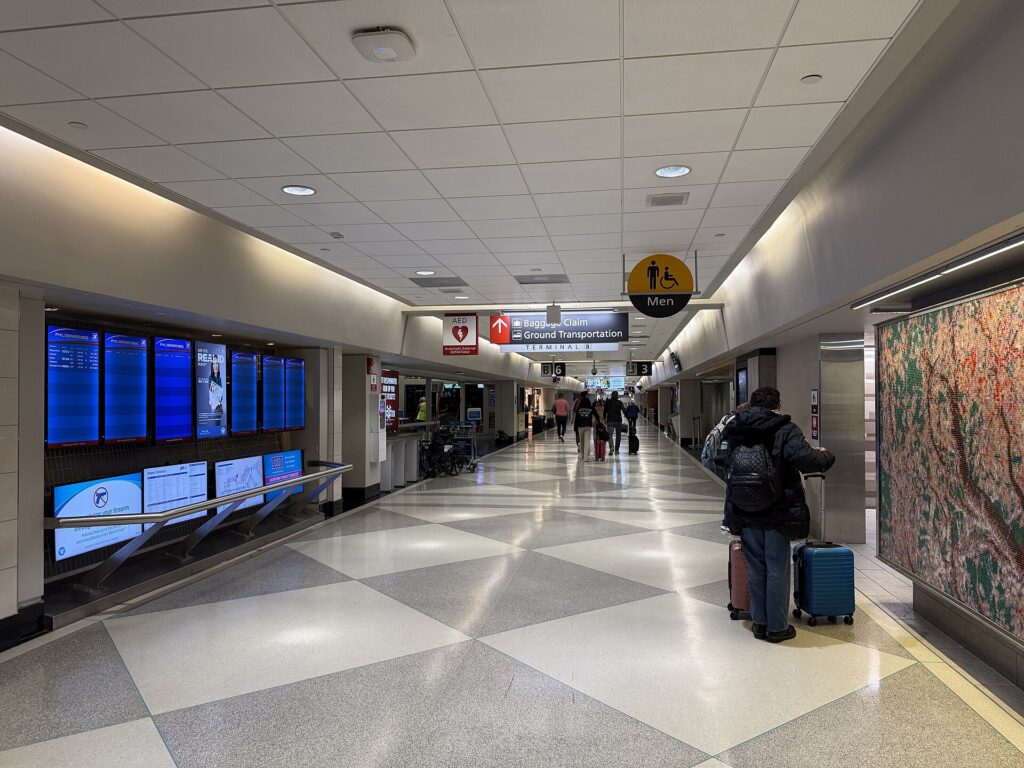
Philadelphia International (PHL) is in the southwest corner of the city beside the Delaware River, about 13 km (8 miles) from Center City, and it is the only major airport most visitors need to consider. It is a large hub for American Airlines, which flies nonstop to most big U.S. cities and to a long list of European destinations, and most other major U.S. carriers serve it too. The terminals are lettered A to F along a single curving building, with international flights mainly at Terminal A. Getting downtown is straightforward: the SEPTA Airport Line regional train stops at every terminal and runs to University City, 30th Street Station, Suburban Station and Jefferson Station in around 25 minutes, typically every half hour; taxis charge a flat fare to Center City; ride-hail pickups are in marked zones; and the rental car companies run shuttles from the terminals to their lots. Traffic on I-95 can stretch the drive from 20 minutes to well over 40 at rush hour, which is when the train earns its keep. Two alternatives are worth knowing about. Newark and Baltimore/Washington airports are each around 90 minutes away by car or train and occasionally have cheaper fares, and for travelers coming from New York, Washington or Boston, Amtrak to 30th Street Station is often faster door to door than flying. Our PHL airport guide covers the layout, and our car-versus-transit guide explains the onward options.
Timing tricks that work for Philadelphia
- Search the whole month. The Fourth of July, graduation weekends and holiday weekends create sharp edges in the fare calendar, and a calendar search on TicketScanner shows them instantly.
- Book the hotel first around the Fourth and in May. A cheap fare into Welcome America week or Penn’s graduation weekend is not cheap once the room is added. Run a Philadelphia hotel search for the same dates before you commit to either.
- Check the convention calendar. If mid-week rates in Center City look high, shift a night or two, or look at University City and the hotels near the airport on the Airport Line.
- Fly mid-week, stay the weekend. Business travel makes Monday morning and Thursday evening flights busy; Tuesday and Wednesday departures and Saturday night stays are usually the value.
- Compare the train. From New York, Washington or Boston, price Amtrak or a drive against the flight; our route guides for Washington, DC to Philadelphia and Philadelphia to Boston cover the road option.
- Build a winter buffer. Snow and nor’easters can disrupt PHL between December and March; avoid the tightest connections. Our guide to how early to arrive covers what to allow.
- Flying out of Philadelphia instead? PHL’s hub status means good nonstop options in every direction; see cheap flights from Philadelphia.
What to pack, by season
Winter (December to February): a warm, windproof coat, a hat, gloves and waterproof shoes, because slush at the curb is more common than snow on the ground. Spring (March to May): layers, a light rain jacket and an umbrella, and a warmer layer for March evenings. Summer (June to August): light, breathable clothing, a refillable water bottle, sun protection and a light layer for air-conditioned museums and restaurants that can feel chilly after the heat outside. Fall (September to November): layers again, a medium jacket by late October, and comfortable walking shoes in every season, because the brick sidewalks and cobblestones of Old City are uneven. If a game is on the plan, add something green for the Eagles or red for the Phillies; you will fit in immediately.
The best time to fly to Philadelphia for…
The Fourth of July
Arrive a few days before the Fourth to catch the Welcome America events, book as early as you can manage, and book the hotel first.
History without the crowds
January, February and November, when the lines at the Liberty Bell are short and timed tickets for Independence Hall are easy to get. Avoid April to June, when school groups fill the historic district.
The best weather
Late April to mid-May and late September to October, with October the most reliable for dry, sunny days.
The lowest fares and hotel rates
January and February outside the long weekends, and the first three weeks of November. Pair them with the museums and restaurants.
Families
Early June, before the peak, or the second half of October; in summer, plan indoor afternoons and use the waterfront parks and the Dilworth Park fountains in the evenings.
International visitors
Visitors from Visa Waiver Program countries need an approved ESTA before boarding; most others need a visa. The State Department’s travel site explains what applies to you, and the TSA lists what you can carry through security. For what to see once you land, start with our first-timer’s guide to Philadelphia, and if you are combining cities, our guides to New York, Washington, DC and Boston cover the rest of the Northeast Corridor.
Frequently asked questions
What is the cheapest month to fly to Philadelphia?
January and February are consistently the lowest for both flights and hotels, followed by November before Thanksgiving and the second half of March outside the Flower Show.
What is the best month to visit Philadelphia for weather?
October, with May and late September close behind. July and August are hot and humid, and January and February are cold.
How busy is Philadelphia around the Fourth of July?
Very. It is the single most expensive week of the year for Old City and Center City hotels, and the Parkway concert and fireworks draw enormous crowds. Book months ahead, or come a week later for summer weather at lower prices.
Is PHL a good airport to fly into?
Yes. It is a large hub with plenty of nonstop options, it is close to the city, and the Airport Line train connects every terminal to Center City in around 25 minutes.
Should I fly or take the train from New York or Washington?
Take the train or drive. Amtrak reaches 30th Street Station from New York in roughly 70 to 90 minutes and from Washington in about two hours, which beats flying once airport time is counted.
How far ahead should I book?
Earlier for the Fourth of July, graduation weekends in May, Thanksgiving and the Christmas holidays, when fares tend only to rise; for January, February and November, fares are stable enough that finding the right dates matters more than booking far ahead.
Does it snow in Philadelphia?
Most winters bring a few snowfalls, usually in a handful of storms between December and March, and some years bring one big nor’easter. Many winter days are simply cold and dry.
Ready to pick your dates? Compare fares across the whole month on our Philadelphia flights page, then find a room with our Philadelphia hotel search. For how to get around once you arrive, read our guide to renting a car or using public transit in Philadelphia.
Keep planning with TicketScanner
- Cheap flights to Philadelphia — compare fares across the whole month
- Philadelphia hotels — book early for the Fourth of July and graduation weekends
- Events in Philadelphia — Eagles, Phillies, Sixers, Flyers, concerts and shows on sale
- Philadelphia car rentals — for Valley Forge, Longwood Gardens and the Shore
- Things to do in Philadelphia: a first-timer's guide
- Philadelphia: rent a car or use public transit?
- Philadelphia International (PHL) airport guide
- Where to stay: Old City
- Best times to book flights and hotels
- Best time to fly to Boston — next stop up the Northeast Corridor
Leave a Reply