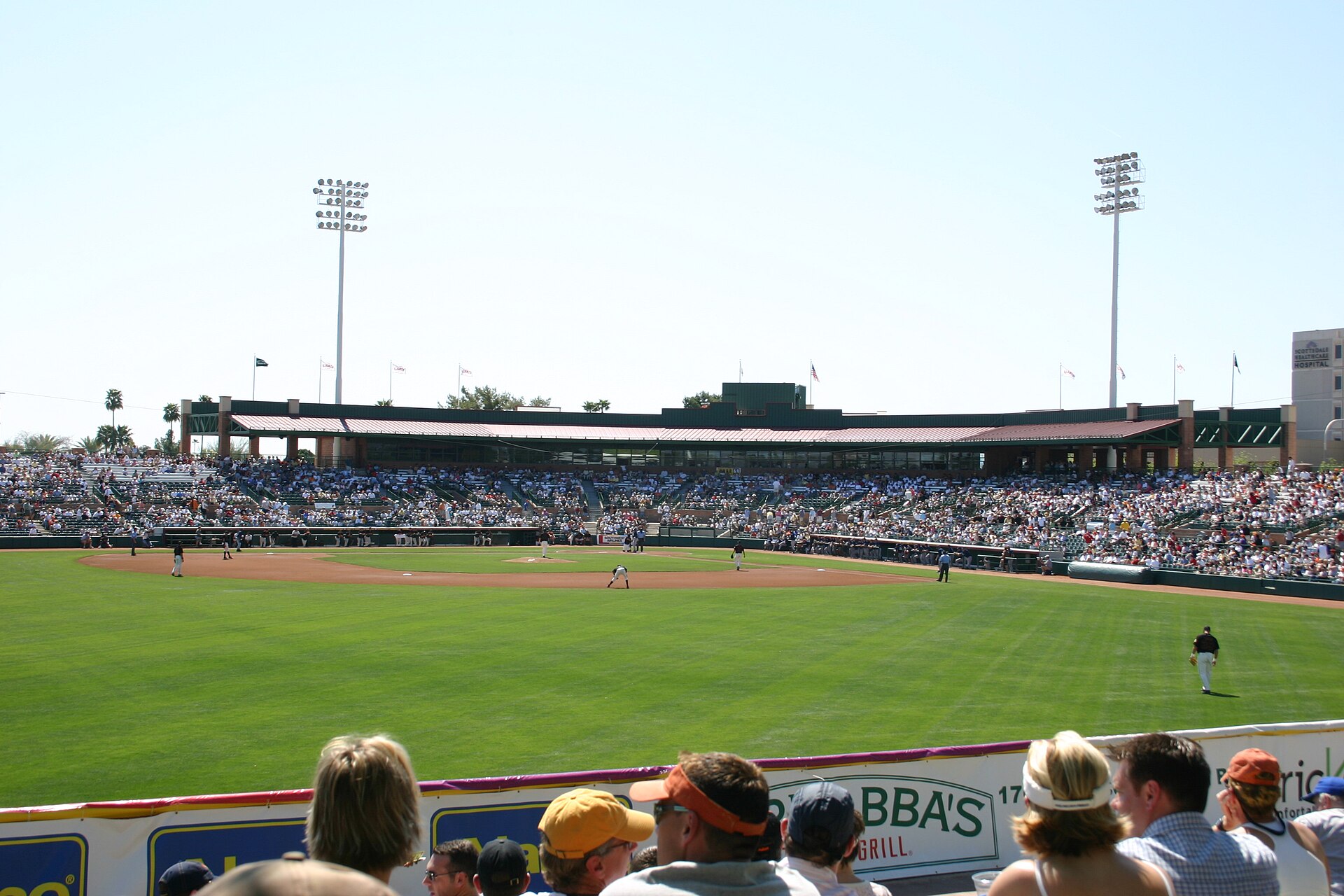
Phoenix turns the usual travel calendar upside down, and its prices follow. It is one of the sunniest large cities in the United States, with winters so mild that it fills with visitors escaping snow from Canada and the Midwest, a spring that brings half of Major League Baseball to town for training camp, and a summer so hot that locals leave and resorts cut their rates to a fraction of the winter price. Sky Harbor is also a major airline hub, which keeps fares competitive year-round, so the real swings are in the hotel rooms and resort rates rather than the seats. Add the monsoon, the season of dust storms and sudden downpours from midsummer, and you have a place where the right time to go depends on whether you want golf and hiking, baseball, a pool, or the lowest possible total price. This guide walks through the weather month by month, the fare seasons, the events that move prices, how to handle the heat, and how to get into the city from the airport.
The short answer
For the best weather, come from late October to early December or from late February to April, when days are warm, nights are cool, and the trails, patios and golf courses are at their best. For the lowest prices, look at June to mid-September, when resort and hotel rates fall steeply because of the heat; if you can handle spending the middle of the day indoors or in a pool, summer is extraordinary value. The most expensive stretches are mid-February to late March, when spring training, spring break and the peak of the winter-visitor season overlap, the week of the WM Phoenix Open in early February, and the Christmas and New Year holidays around the Fiesta Bowl. Whatever you choose, run a flexible-date search on our Phoenix flights page, and price the hotel for the same dates before you commit; in Phoenix, the room usually moves the total more than the fare.
Phoenix weather, season by season
Phoenix sits in a broad desert basin, the Valley of the Sun, a little over 300 meters (about 1,100 feet) above sea level in the Sonoran Desert. It receives only about 180 mm (7 inches) of rain a year, sunshine on the great majority of days, very low humidity for most of the year, mild winters and some of the hottest summers of any large city in the country. The figures below are approximate seasonal patterns at Sky Harbor, based on the long-term climate normals published by NOAA and the National Weather Service’s Phoenix office; check the current forecast before you pack, especially for heat warnings in summer and dust-storm warnings during the monsoon.
| Month | Typical daytime high | Typical overnight low | What it feels like | Fare pressure |
|---|---|---|---|---|
| January | around 19 °C (67 °F) | around 8 °C (46 °F) | Sunny, mild afternoons and chilly nights; occasional winter rain | High; peak for resorts, Barrett-Jackson week |
| February | around 22 °C (71 °F) | around 9 °C (48 °F) | Warm, bright days; wildflowers start in wet years | Peak; Phoenix Open, then spring training |
| March | around 25 °C (77 °F) | around 12 °C (54 °F) | Near perfect; the desert in bloom | Peak; spring training and spring break |
| April | around 29 °C (85 °F) | around 16 °C (61 °F) | Warm to hot afternoons, pleasant evenings; saguaros begin to bloom | High, easing through the month |
| May | around 35 °C (95 °F) | around 21 °C (70 °F) | Hot and very dry; pool season in full swing | Moderate, falling |
| June | around 40 °C (104 °F) | around 26 °C (79 °F) | Extreme dry heat; the hottest days often come now | Low |
| July | around 41 °C (106 °F) | around 29 °C (84 °F) | Extreme heat with rising humidity; monsoon storms and dust storms | Low, except the Fourth of July |
| August | around 41 °C (105 °F) | around 28 °C (83 °F) | Hot, humid by desert standards; flash floods possible | Low |
| September | around 38 °C (100 °F) | around 25 °C (77 °F) | Still very hot; the monsoon fades by the end of the month | Low to moderate, rising after Labor Day |
| October | around 32 °C (89 °F) | around 18 °C (65 °F) | Warm and dry; the first comfortable evenings in months | Moderate |
| November | around 24 °C (76 °F) | around 12 °C (53 °F) | Ideal: warm, sunny afternoons and cool nights | Moderate to high; Thanksgiving spike |
| December | around 19 °C (66 °F) | around 7 °C (45 °F) | Mild days, cold nights, occasional rain | Moderate until mid-month, then peak |
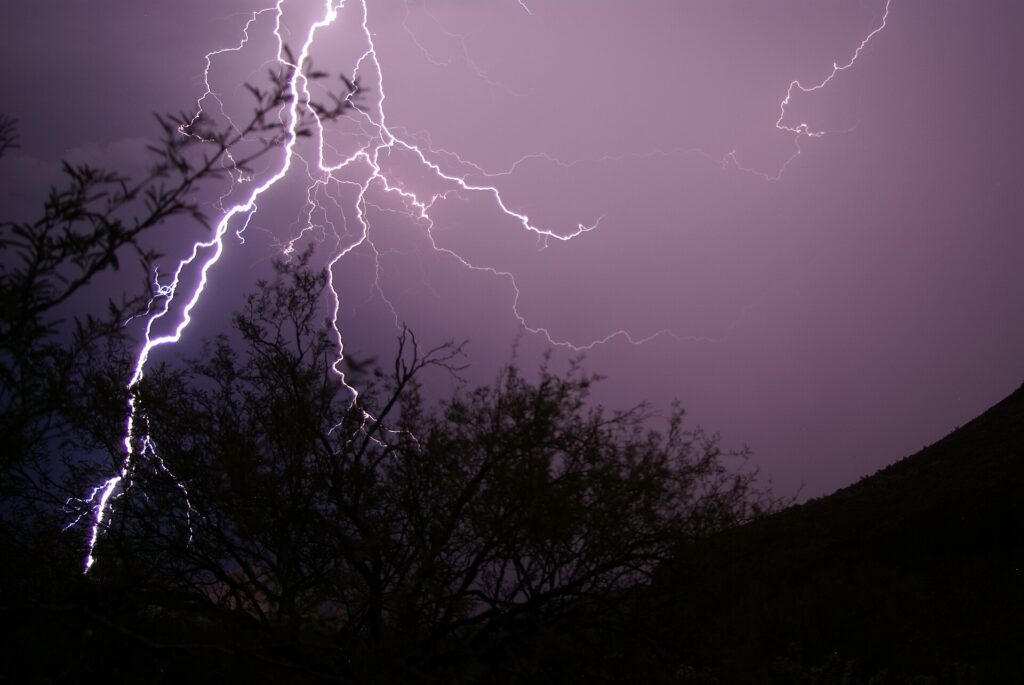
Three things the table cannot show. First, the heat is relentless in summer: an average July high around 41 °C (106 °F) means plenty of afternoons well above that, and in recent summers the city has recorded long runs of days at or above 43 °C (110 °F). The low humidity makes it feel manageable in the shade, but you lose water faster than you notice, and outdoor exertion in the afternoon is dangerous. Second, the nights stay hot: the pavement and buildings of a metro area of several million people hold the day’s heat, so summer lows are often near 29 °C (84 °F) and there is little relief after dark. Third, the monsoon: officially from mid-June to the end of September, and most active in July and August, it brings moisture from the south, sudden thunderstorms, lightning, flash floods in normally dry washes and towering walls of dust known as haboobs that can drop visibility on the freeways to almost nothing in minutes.
How Phoenix fare seasons work
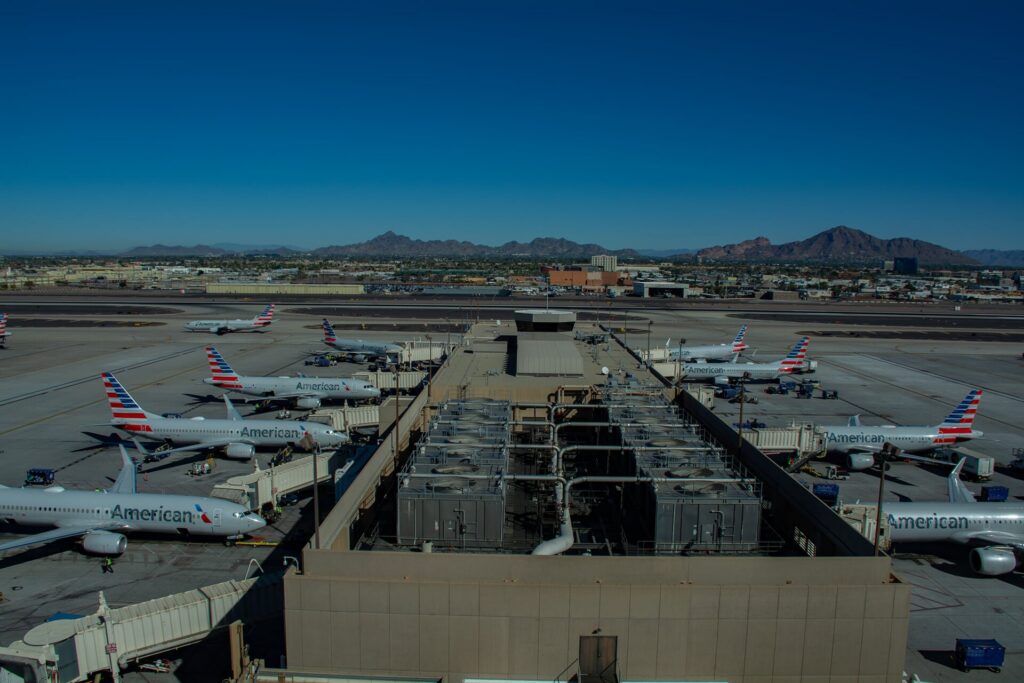
Sky Harbor is one of the busiest airports in the country, a hub for American Airlines and one of Southwest’s largest operations, with other U.S. carriers and several low-cost airlines adding capacity. That competition keeps airfares into Phoenix reasonable in most months, and it means the sharp price swings are usually in the rooms. Three calendars drive them: the winter-visitor season, from roughly January to April, when Canadians and Midwesterners fill the resorts and golf courses; the event calendar, led by spring training, the Phoenix Open and major college and pro sporting events; and the heat, which empties the resorts from June to September. The result is a long, expensive high season in late winter and spring, a deep summer trough, and a pleasant, moderately priced fall.
Peak season
January to mid-April, with the highest prices from the Phoenix Open in early February through the end of spring training in late March, plus the Christmas and New Year holidays. In those weeks the famous resorts in Scottsdale and Paradise Valley can charge several times their summer rates, golf tee times are booked weeks out, and spring break adds families and college students in March. If you must travel in peak, book the hotel as early as possible, fly midweek, and consider Tempe, Mesa or the West Valley near the ballparks rather than Scottsdale for better rates.
Shoulder season
Mid-April to May, and October to mid-December outside Thanksgiving. Late April and early May give you pool weather and lower resort rates before the real heat; October is warm and dry, and November is arguably the best month of the year for weather, with rates that have not yet reached their winter levels. Watch Thanksgiving week, the Arizona State Fair weekends and Cardinals home games.
Low season
June to mid-September. Resort and hotel rates drop to their lowest of the year, many resorts run summer packages aimed at Arizona residents that visitors can often book too, and restaurants offer summer deals. The trade-off is the heat. Airfares into Phoenix are usually good value in summer, though flights out of Phoenix on summer weekends can be busy with locals heading for the California coast and the mountains, which sometimes lifts round-trip prices for the return leg.
As elsewhere, midweek departures and early or late flights usually price below Friday and Sunday afternoons on the same route, and a search across a whole month reveals cheaper pairs of dates close to your first choice. Our guide to the best times to book explains how to read those patterns.
Phoenix month by month
January
Sunny, mild and firmly in high season. Afternoons are pleasant for hiking and golf, nights are cold enough for a jacket, and a winter storm occasionally brings a day of rain and dusts the mountains to the north with snow. The Barrett-Jackson collector car auction fills Scottsdale for a week in the second half of the month, and the resorts are busy with winter visitors. Fares from colder cities rise after the first week of the year.
February
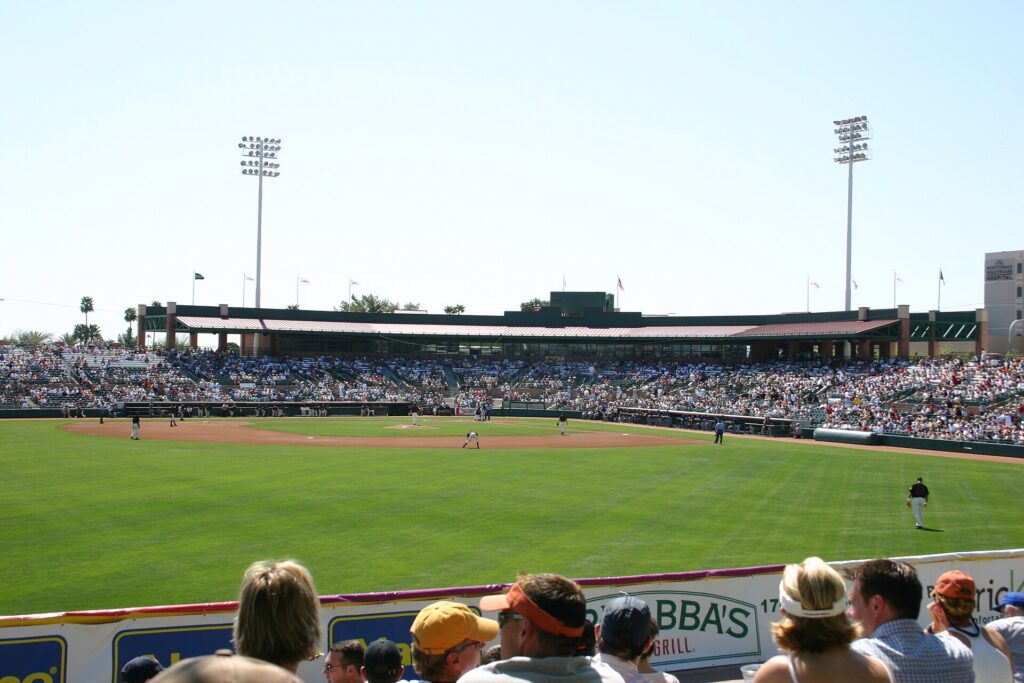
The start of the very top of the season. The WM Phoenix Open at TPC Scottsdale, usually in the first half of the month, is one of the best-attended golf tournaments in the world and sends Scottsdale hotel rates soaring; the Scottsdale Arabian Horse Show follows. Pitchers and catchers report for spring training in mid-February, and the first Cactus League games start in the last week of the month. In a wet winter, the wildflowers begin.
March
The most expensive month for hotels and one of the best for weather. Spring training fills ten ballparks across the Valley, spring break brings families and students, and the Heard Museum’s Guild Indian Fair and Market takes over its grounds in early March. The desert is at its greenest, the trails are busy from dawn, and every patio is full. Book early, and expect the rates to stay high until the last spring training game.
April
Warm to hot, with afternoons that climb toward 30 °C (86 °F) and beyond, and a noticeable drop in hotel rates once spring training ends. The saguaros begin to bloom late in the month, the Diamondbacks open their season at Chase Field, and the pools are open everywhere. It is one of the better value windows for a resort stay with weather that still suits hiking at dawn.
May
Hot and dry, with highs around 35 °C (95 °F) and rising. Resort rates fall steadily through the month, Memorial Day weekend is busy with locals by the pool, and the saguaro blossoms peak. Hike early and treat the afternoons as pool time.
June
The start of the real heat and of the low season, and often the month with the hottest, driest days of the year before the monsoon moisture arrives. Hotel rates are near their annual low. Do everything outdoors at sunrise, and plan air-conditioned afternoons in museums such as the Heard or the Musical Instrument Museum, or at a resort pool.
July
The hottest month on average, with the monsoon adding humidity, evening thunderstorms and dust storms. The Fourth of July weekend brings some demand, but otherwise July is one of the cheapest months of the year. Many locals escape to Flagstaff and the pine country two hours north, which is a good plan for visitors too. Take the heat and the storms seriously; see the safety section below.
August
Much like July, with a little more humidity and the strongest monsoon storms. Schools in Arizona go back early in the month, which empties the resort pools of local families on weekdays. Prices stay low throughout, and the Mercury and the Diamondbacks give you air-conditioned evenings.
September
Still very hot, but the monsoon fades and the heat starts to ease by the end of the month. Labor Day weekend is busy with locals, the Cardinals and ASU football start their seasons, and rates begin to rise slowly as the first winter visitors book. Late September is a good compromise of lower prices and slightly kinder weather.
October
The heat breaks, usually during the first half of the month, and evenings become pleasant for the first time since spring. The Arizona State Fair runs for several weekends in the fall, patio season restarts, and hotel rates climb but stay well below winter levels. A strong month for a city break with some hiking.
November
Many locals’ favorite month: warm afternoons, cool nights, clear skies, and the winter visitors not yet at full strength. Rates are moderate apart from Thanksgiving week, when fares from across the country rise. Golf courses reopen after their fall reseeding, and the holiday light displays begin at the zoo late in the month.
December
Two months in one. The first half is mild and moderately priced, with the Desert Botanical Garden’s luminaria nights and holiday events across the Valley. From the week before Christmas, fares and hotel rates jump for the holidays, and the Fiesta Bowl and its associated events around New Year bring college football fans to town.
Events that move Phoenix flight and hotel prices
Cross-check these against your dates before you book. Exact dates shift each year; Visit Phoenix keeps the current calendar.
- Barrett-Jackson (second half of January, Scottsdale): collectors and car enthusiasts fill the resorts.
- WM Phoenix Open (early February, TPC Scottsdale): the biggest single hotel spike in Scottsdale.
- Cactus League spring training (late February to late March): the peak of the year across the Valley.
- Spring break (March, varying by school district and university).
- Memorial Day, Fourth of July and Labor Day weekends: busy with locals, but rarely expensive for visitors.
- Arizona State Fair (several weekends in the fall).
- Thanksgiving week and the Christmas and New Year holidays, including the Fiesta Bowl.
- Super Bowls, college football championship games and the NCAA Final Four, which the region hosts every few years and which send prices through the roof.
- Big conventions at the Phoenix Convention Center, and Suns, Cardinals and Diamondbacks home games. Our Phoenix events page shows what is on sale for your dates.
Getting in from the airport
Phoenix’s main airport, Phoenix Sky Harbor International (PHX), is only about 5 kilometers (3 miles) east of downtown, and it serves the whole Valley. Its passenger terminals, currently 3 and 4, are connected by the PHX Sky Train, a free automated train that also runs to the 44th Street station on the Valley Metro light rail and to the Rental Car Center. American Airlines and Southwest are the largest operators, and there are nonstop flights from almost every large U.S. city, from several Canadian and Mexican cities, and from London. Getting downtown is easy: ride the Sky Train to 44th Street and take the light rail, which runs through downtown Phoenix, Tempe and Mesa; take a taxi or ride-hail from the curb, about a 10-to-15-minute drive to downtown; or pick up a car from the consolidated Rental Car Center, which every major company uses. Phoenix-Mesa Gateway Airport (AZA), about 50 kilometers (30 miles) southeast, is served mainly by low-cost carriers and can be worth checking if you are staying in the East Valley. Our Phoenix car-versus-transit guide works through whether to rent, and our PHX airport guide covers the layout.
Timing tricks that work for Phoenix
- Price the room first. Airline competition at Sky Harbor keeps fares fairly steady, while resort rates can triple between August and March. Run a Phoenix hotel search for your dates before you commit to the flight.
- Search the whole month. The Phoenix Open, spring training and holiday weekends create sharp edges in the calendar; a calendar search on TicketScanner shows them instantly, and the week after spring training ends is often dramatically cheaper than the week before.
- Fly midweek. Friday and Sunday afternoons are the busiest times at Sky Harbor on most routes; Tuesday to Thursday is usually the value.
- Use the shoulders. Late October to early December offers weather as good as March for a fraction of the price, and late April is pool season before the summer heat.
- Consider a road trip. Las Vegas is about five hours away; compare fares into both cities with our Las Vegas flights page and our guide to the best time to fly to Las Vegas, and see the Las Vegas to Phoenix route guide.
- Build a monsoon buffer. Summer thunderstorms and dust storms can delay flights at Sky Harbor, mostly in the afternoons and evenings of July and August; morning flights are the safer bet, and our guide to how early to arrive covers what to allow.
- Flying out of Phoenix instead? The same seasonality applies in reverse; see cheap flights from Phoenix.
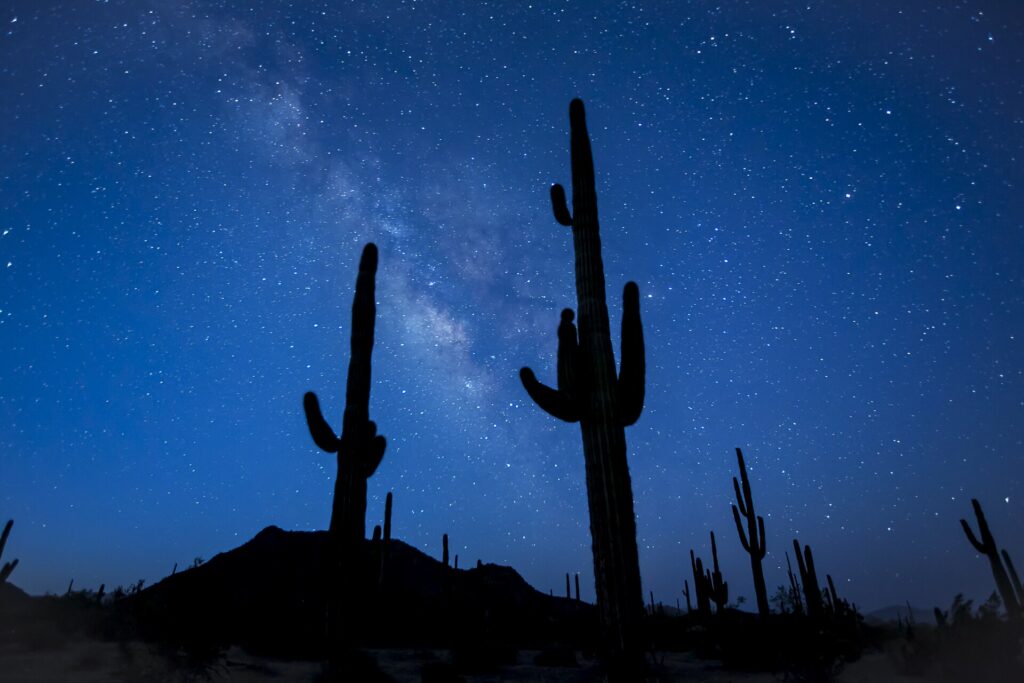
Staying safe in the heat
If you travel between May and September, plan the trip around the heat rather than in spite of it. Schedule outdoor sightseeing and hiking for the first hours after sunrise, and spend the early afternoon indoors, in the water or resting. Drink water steadily through the day rather than waiting until you are thirsty, add electrolytes if you are active, and wear a hat, loose light clothing and sunscreen. On any desert trail, carry more water than you think you need and turn around well before you run low; the City of Phoenix closes some of its most popular summit trails during the hottest hours when a heat warning is in effect. Never leave a child or a pet in a parked car, even for a moment, and be careful with metal seat-belt buckles and dark pavement, which can burn skin. During the monsoon, never drive or walk into a flooded wash, and if a dust storm reaches the freeway, pull off the road as far as you safely can and wait it out. The National Weather Service in Phoenix publishes daily heat and storm forecasts; make checking them part of your morning.
What to pack, by season
Winter (December to February): layers for mild days, a warm jacket for evenings that can drop close to freezing, and sunglasses; add a proper coat if you are heading north to Sedona, Flagstaff or the Grand Canyon, where it snows. Spring (March to May): light clothing, swimwear, a layer for the evenings, and high-factor sunscreen, because the sun is already intense. Summer (June to September): the lightest, loosest clothing you own, a wide-brimmed hat, sunscreen, a large refillable water bottle, and a sweater for the aggressively air-conditioned restaurants and theaters. Fall (October to November): summer clothing into October, with a light jacket for November nights. In every season, bring sturdy shoes with grip for the rocky desert trails, and something smarter for the resort restaurants.
The best time to fly to Phoenix for…
Spring training
The first three weeks of March, booked as early as you can manage, with the hotel first; late February has lower rates and fewer crowds but not every team is playing yet.
Golf and resorts
November and early December for excellent weather at moderate rates, or January to April for the full high-season experience at high-season prices.
Hiking and the desert
November to March, starting early on the trails; late February to April for wildflowers and cactus blooms.
Sedona and the Grand Canyon
April to May and September to October, when Phoenix is warm, and Sedona and the Grand Canyon’s South Rim, which sits at about 2,100 meters (7,000 feet), are comfortable; in winter the rim can be snowy and very cold. See Grand Canyon National Park for conditions.
The lowest prices
June to mid-September, when resort rates are at their lowest of the year, provided you plan around the heat.
Families
Fall break in October or the week after Thanksgiving for comfortable weather and moderate rates; summer is cheap and the resort pools are superb, but outdoor sightseeing with children is limited to the early mornings.
Cross-border and international visitors
Canadians need a valid passport; travelers from Visa Waiver Program countries need an approved ESTA before boarding, and everyone else needs a visa. U.S. Customs and Border Protection explains what applies to you, and the TSA lists what you can carry through security. Remember that Arizona stays on Mountain Standard Time all year.
Frequently asked questions
What is the cheapest month to fly to Phoenix?
For the total trip, July and August, when resort and hotel rates are at their lowest; airfares are usually reasonable too. June and early September are close behind.
What is the best month to visit Phoenix for weather?
November and March, with late October, early December, February and April close behind.
How hot does Phoenix get in summer?
Average highs are around 40 to 41 °C (104 to 106 °F) from June to August, and many days go higher. Nights often stay near 29 °C (84 °F). Plan outdoor time for early morning and check the National Weather Service forecast daily.
When is monsoon season in Phoenix?
Officially from mid-June to the end of September, with the most storms in July and August. Expect afternoon and evening thunderstorms, dust storms and occasional flash flooding.
How expensive is Phoenix during spring training?
It is the most expensive stretch of the year for hotels, especially in Scottsdale. Flights rise less sharply. The week after spring training ends is much cheaper.
How far ahead should I book?
Well ahead for February and March, the Phoenix Open and the holidays; for the summer and fall, rates are stable enough that choosing the right dates matters more than booking early.
Does Phoenix change its clocks?
No. Arizona stays on Mountain Standard Time all year, so it matches Pacific time in summer and Mountain time in winter; check your connection times carefully.
Ready to pick your dates? Compare fares across the whole month on our Phoenix flights page, then find a room with our Phoenix hotel search. For what to do when you land, start with our first-timer’s guide to Phoenix.
Keep planning with TicketScanner
- Cheap flights to Phoenix — compare fares across the whole month
- Phoenix hotels — book early for spring training
- Phoenix car rentals — for Sedona, the Grand Canyon and the ballparks
- Events in Phoenix — Suns, Diamondbacks, Cardinals, concerts and shows on sale
- Things to do in Phoenix: a first-timer's guide
- Phoenix: rent a car or use public transit?
- Phoenix Sky Harbor (PHX) airport guide
- Where to stay: Roosevelt Row
- Best time to fly to Las Vegas
- Best times to book flights and hotels
Leave a Reply