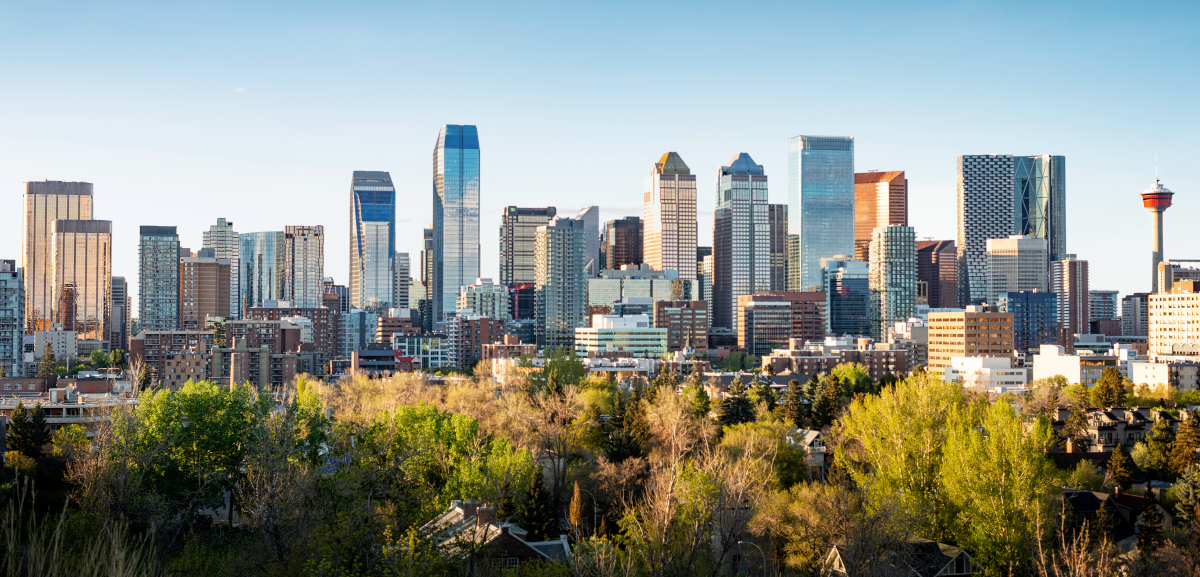
Calgary is two destinations in one, and its airfares reflect both. It is a prairie city with the sunniest climate of any major Canadian city, a ten-day rodeo in July that is the biggest annual event in the country, and a downtown that empties and fills with the energy industry’s calendar. It is also the gateway to Banff, Lake Louise and the Canadian Rockies, an hour and a half west, which means demand for seats into Calgary tracks the mountain seasons as much as the city’s own. Add the chinook, the warm winter wind that can turn a -20 °C morning into a +10 °C afternoon, and you have a place where the “best time” question has more than one right answer. This guide walks through the weather month by month, the fare seasons, the events and mountain windows that move prices, and how to handle the airport.
The short answer
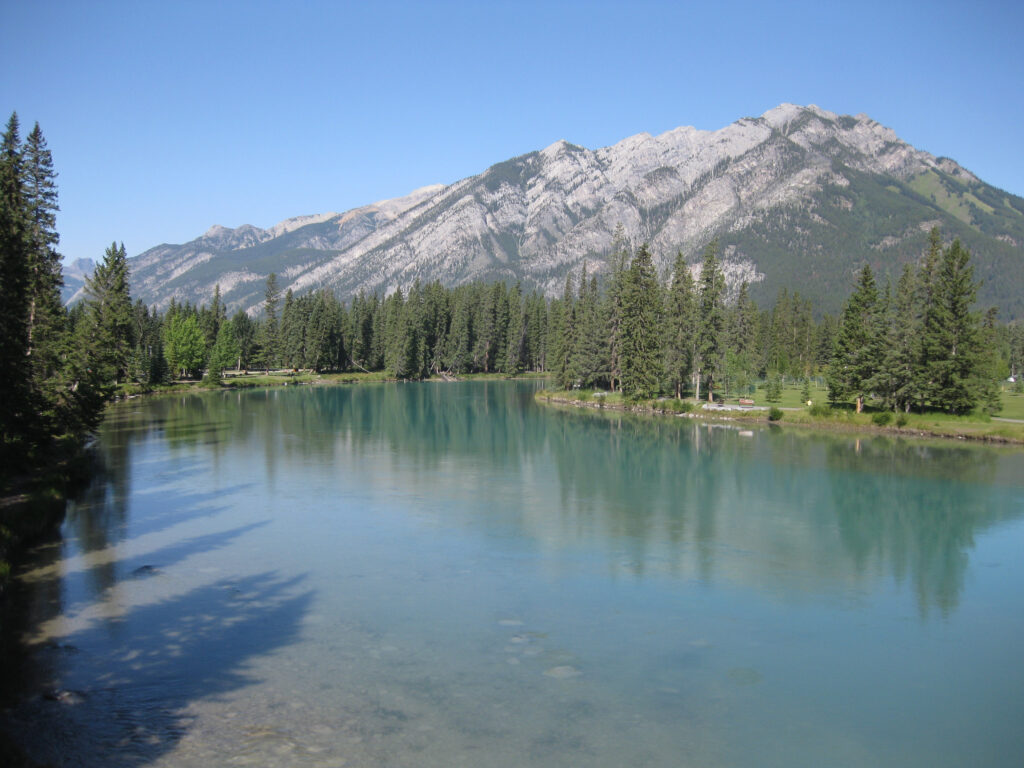
For the city alone, the best value-and-weather windows are late May to late June, before the Stampede and the peak mountain season, and September, when the summer crowds have gone and the weather is often the most settled of the year. For the Rockies, early September to early October is the connoisseur’s choice: warm days, cold nights, larches turning gold in the last week of September, and fewer people on the trails. The cheapest fares come in January and February outside the ski-holiday weeks, and in November. The most expensive stretches are Stampede week in early-to-mid July, when the city’s hotels are as full as they ever get, July and August generally, when Banff drives demand, and the Christmas and New Year ski weeks. Whatever you choose, run a flexible-date search on our Calgary flights page; a shift of a few days around the Stampede or a long weekend can change the fare band entirely.
Calgary’s weather, season by season
Calgary sits a kilometre above sea level on the edge of the prairies, in the rain shadow of the Rockies. That gives it dry air, an enormous amount of sunshine, cold winters interrupted by chinooks, cool nights even in July, and the ability to snow in any month of the year. The figures below are approximate seasonal patterns based on the long-term climate normals from Environment and Climate Change Canada; check the current forecast before you pack, because Calgary’s weather changes faster than almost anywhere else in the country.
| Month | Typical daytime high | Typical overnight low | What it feels like | Fare pressure |
|---|---|---|---|---|
| January | around -1 °C | around -12 °C | Cold and sunny; chinooks bring sudden thaws, cold snaps bring -30 °C | Low, except the first week and ski weekends |
| February | around 1 °C | around -10 °C | Similar; the light returns noticeably | Low; rises for Family Day and school breaks |
| March | around 5 °C | around -6 °C | Thaw and refreeze; late snowstorms are common; the mountains are still deep in ski season | Low to moderate; spring break spike |
| April | around 11 °C | around -2 °C | Unpredictable; sun one day, snow the next; brown before it is green | Moderate |
| May | around 16 °C | around 3 °C | Spring proper, with the risk of a snowfall right up to the end of the month | Moderate; rises for the May long weekend |
| June | around 20 °C | around 8 °C | The wettest month, with afternoon thunderstorms, but long and green | Moderate to high |
| July | around 24 °C | around 10 °C | Warm, dry days and cool nights; hail is possible | Peak, with a Stampede spike |
| August | around 23 °C | around 9 °C | Warm and dry; wildfire smoke from BC or the interior is possible in some years | High |
| September | around 18 °C | around 5 °C | Often the most settled month; warm days, frosty nights, larch season in the mountains | Moderate, falling after Labour Day |
| October | around 12 °C | around -1 °C | Crisp; first snow usually arrives; the mountains are between seasons | Low to moderate |
| November | around 4 °C | around -7 °C | Winter arrives; ski hills open through the month | Low |
| December | around -1 °C | around -11 °C | Cold, bright, festive; the mountains are in full winter | Low until mid-month, then peak |
Three things the table cannot show. First, the chinook: a warm, dry wind off the mountains that can raise the temperature by 15 to 20 degrees in a few hours, melting the snow and giving Calgary winter days that feel like April. It is why winter here is more variable, and often more pleasant, than the averages suggest. Second, the sun: Calgary records more hours of sunshine than any other large Canadian city, and even January is bright. Third, the altitude and the dry air: nights are cool in every month, sunburn comes faster than you expect, and you will drink more water than you planned.
How Calgary’s fare seasons work
Three calendars drive seats into Calgary: the Rockies, which pull visitors from June to September and skiers from December to April; the Stampede, which fills the city for ten days in July; and the energy industry, whose conferences and business travel keep the weekday flights busy year-round and, when the sector is booming, keep hotel rates high on weeknights. The result is a summer plateau with a sharp Stampede spike on top, a winter that is softer than summer but never as cheap as Toronto’s because of the skiing, and two shoulders where the weather is good and the prices are not.
Peak season
Late June to early September, plus roughly December 18 to January 3. Stampede week, which starts on the first Friday of July, is in a class of its own: hotel rates across the city climb steeply, downtown books out months ahead, and flights from across Canada and the U.S. fill with visitors in cowboy hats. The rest of July and August is driven by Banff and Lake Louise, whose summer season is short and intense; the city’s hotels absorb the overflow. If you must travel in peak, book early, fly mid-week, and consider basing yourself in Canmore or the city rather than in Banff itself.
Shoulder season
May to late June and September to mid-October. Late May and June give you spring in the city and early summer in the mountains, with some high lakes still frozen into June; September gives you the most reliable weather of the year and the larch turn in Kananaskis and around Lake Louise, which briefly makes the last week of September as busy in the mountains as August. Watch the May long weekend, Labour Day and Thanksgiving.
Low season
November, and mid-January to early March outside the ski-holiday weeks. Fares are at their lowest, the city is sunny and cold, and the mountains are in full ski season with Banff Sunshine, Lake Louise and Norquay all operating. The exceptions are the Family Day long weekend in February and the mid-to-late March spring break, when family ski travel lifts fares from other Canadian cities. Build a weather buffer into connections and pack for real cold.
As elsewhere, mid-week departures and early or late flights usually price below Friday and Sunday afternoons on the same route, and a search across a whole month reveals cheaper pairs of dates close to your first choice. Our guide to the best times to book explains how to read those patterns.
Calgary month by month
January
Cold, bright and, after the first week, one of the two cheapest months to fly in. Highs hover around freezing, cold snaps drop far below, and a chinook can arrive any day and make it feel like spring. The mountains are in prime ski condition, the Flames are at home at the Saddledome, and the city’s indoor attractions, the Central Library, Studio Bell, TELUS Spark, the +15 skywalk network for getting between downtown buildings without a coat, are at their least crowded. Ski weekends and the return from the holidays keep some flights from Canadian cities busier than the season suggests.
February
Similar weather with more daylight, and low fares outside the Family Day long weekend (the third Monday of February), which is a big ski-travel weekend. The Calgary Snow Show and a winter festival calendar in the city and in Banff fill the month; this is a strong value month for a city-plus-skiing trip if you avoid the long weekend.
March
Thaw and refreeze, with late snowstorms most years and the mountains still deep in ski season, which is often at its best in March for snow depth and longer days. The mid-to-late March spring break is a two-week spike in family ski travel; book around it and March is good value.
April
The most unpredictable month: warm sunny days, then a foot of snow, then brown grass. Ski season winds down in Banff through April and into May at Sunshine; hotel rates in the city are noticeably lower than they will be in eight weeks; and the Flames’ season ends, or the playoffs begin, which can tighten downtown hotels on game nights. Good for a museum-and-food trip; not ideal for hiking.
May
Spring arrives, unevenly. The river pathways and Prince’s Island Park green up, patios open on 17th Avenue and in Kensington, and the mountains are between seasons: lower trails open, high lakes and passes still frozen. The May long weekend (the Monday before May 25) is the one date to book around. Fares are moderate, and the second half of May is one of the better value windows for the city.
June
Long, green and the wettest month of the year, with afternoon thunderstorms that clear quickly. The Sled Island music festival fills the city’s venues in late June, Lake Louise thaws by mid-month, and fares step up from the third week as schools finish and the Stampede approaches. Early June is the value play.
July
Peak season, and the Stampede, ten days from the first Friday, is the city’s defining event: the rodeo and chuckwagon races at Stampede Park, the parade, the free pancake breakfasts across the city, and a downtown that dresses in denim and hats for a week and a half. Hotel rates are at their annual maximum and rooms downtown sell out well in advance; the Stampede’s site has dates. The week after the Stampede is a small pocket of relief before August, and it coincides with the best mountain weather.
August
Warm, dry and busy with Banff traffic. The Calgary Folk Music Festival and Pride fill the calendar, wildfire smoke can settle over the city for days in some years, and the last week, once families head home, is slightly softer on prices. Hail is a genuine August hazard for rental cars; park under cover when a storm is forecast.
September
The month many Calgarians would send you to: settled, sunny, warm afternoons and cold nights, with the summer crowds gone from the city after Labour Day. In the mountains, the larch trees turn gold in the last week of the month, which draws big crowds to Lake Louise and Kananaskis for a fortnight; book those hotels early even though the city is quiet. Fares are moderate and falling.
October
Crisp days, the first lasting snow usually by mid-month, and steadily lower prices apart from the Thanksgiving weekend on the second Monday. The mountains are between seasons, with hiking finishing and skiing not yet started; the city itself is at its quietest and cheapest for a fall visit.
November
Winter arrives, the ski hills open through the month, and fares and hotel rates are at their annual low. The Flames and Stampeders are both in season, the holiday lights switch on in late November, and a city-and-early-ski trip is exceptional value.
December
Two months in one. The first half continues November’s pricing with the festive lights, the Christmas market at Spruce Meadows, and the mountains in full winter. From about December 18, fares and hotel rates jump for the Christmas and New Year ski weeks, which are among the most expensive of the year in Banff and Lake Louise and push demand into Calgary’s hotels too.
Events that move Calgary flight and hotel prices
Cross-check these against your dates before you book. Exact dates shift each year; Tourism Calgary keeps the current calendar.
- Family Day weekend (third Monday of February): the biggest ski-travel weekend of the winter.
- Spring break (mid-to-late March, varies by school board).
- May long weekend (Monday before May 25): the unofficial start of the mountain summer.
- Calgary Stampede (ten days from the first Friday of July): the single largest hotel spike of the year.
- Labour Day weekend and the larch season (last week of September, first week of October) in the mountains.
- Thanksgiving weekend (second Monday of October).
- Christmas to New Year and the ski weeks either side.
- Flames playoff runs (April to June in a good year), Stampeders home games, and stadium concerts. Our Calgary events page shows what is on sale for your dates.
- Energy-industry conferences, which can fill downtown hotels on weeknights without warning; if your dates are mid-week and the rates look strangely high, that is usually why.
Getting in from the airport
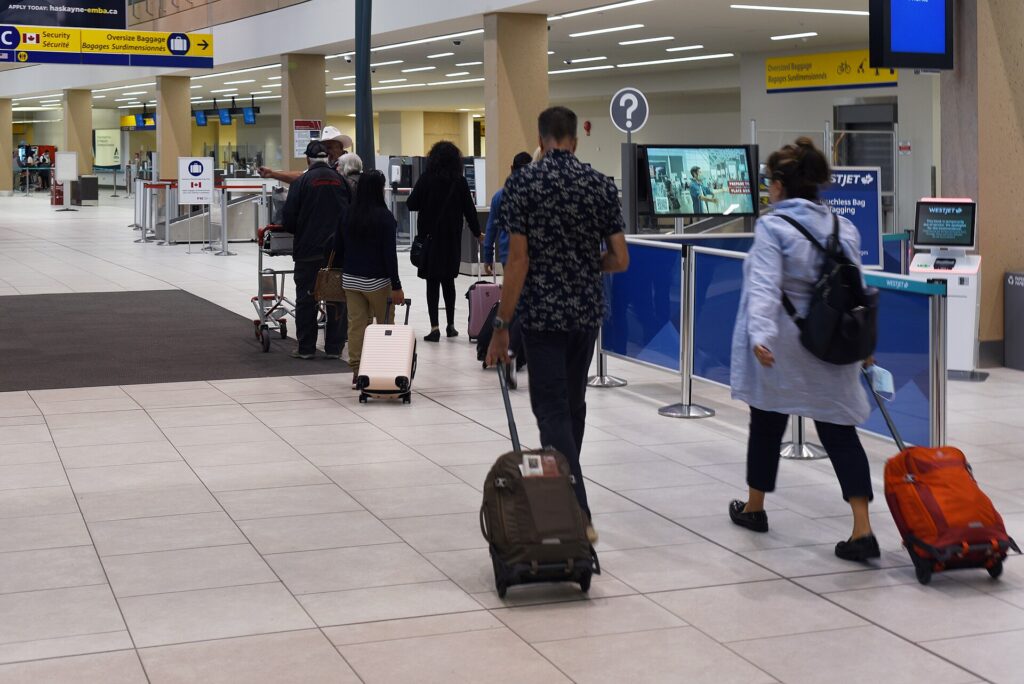
Calgary has one commercial airport, Calgary International (YYC), in the northeast of the city about 17 kilometres from downtown, and it is the gateway for the whole southern Rockies. The domestic and international terminals are connected, WestJet is headquartered here and Air Canada is the other major operator, and there are nonstop flights from most large Canadian and U.S. cities and from London, Frankfurt, Amsterdam, Tokyo and several other international hubs. Getting downtown: Calgary Transit’s Route 300 bus runs a direct service between the airport and downtown, taxis and ride-hail pick up outside arrivals, and the rental counters are in the terminal; the CTrain light rail does not reach the airport, although a bus connects to the Blue Line. For most visitors heading to Banff, the question is not how to get downtown but whether to rent a car at the airport or take one of the scheduled shuttle coaches that run straight to Banff and Lake Louise; our Calgary car-versus-transit guide works through that decision, and our YYC airport guide covers the layout.
Timing tricks that work for Calgary
- Search the whole month. The Stampede and the ski weekends create sharp edges in the fare calendar. A calendar search on TicketScanner shows them instantly, and the week after the Stampede is often a bargain relative to the week of it.
- Book the hotel first in July. A cheap fare into Stampede week is not cheap once the room is added. Run a Calgary hotel search for the same dates before you commit to either.
- Fly mid-week. Calgary’s business traffic makes Monday morning and Friday afternoon the busiest and priciest flights on most routes; Tuesday to Thursday in the middle of the day is usually the value.
- Think of Calgary as the Rockies’ airport. If Banff is the goal, September’s larch season and June’s early summer both offer mountain weather that is nearly as good as August at a fraction of the price.
- Consider Edmonton for a road trip. Three hours north, Edmonton’s airport occasionally has better fares, and a one-way rental between the two cities is a classic Alberta itinerary.
- Build a winter buffer. Snow and, occasionally, extreme cold can disrupt YYC between November and March; avoid the tightest connections. Our guide to how early to arrive covers what to allow.
- Flying out of Calgary instead? The same seasonality applies in reverse; see cheap flights from Calgary.
What to pack, by season
Winter (November to March): a warm, wind-resistant coat, a hat, gloves, boots with grip, and layers, because a chinook can turn a parka day into a fleece day by lunchtime. Spring (April to May): layers and a rain shell, and be ready for snow. Summer (June to August): light clothing for the days, a warm layer for the cool evenings, sun protection for the altitude, and a rain shell for the afternoon storms. Fall (September to October): layers again, a warm jacket by October, and sunglasses year-round. For the mountains in any season, add hiking shoes and a warmer layer than the city needs.
The best time to fly to Calgary for…
The Stampede
Early-to-mid July, booked as early as you can manage, with the hotel first.
Banff and the Rockies in summer
Late June for long days and green valleys, or the first three weeks of September for the best weather and fewer crowds; the larch turn at the end of September is spectacular but busy.
Skiing
January and February for snow and value, March for longer days, with the Christmas weeks and Family Day weekend the most expensive.
The lowest fares
November, and mid-January to early March outside the long weekend. Pair with a city-and-ski itinerary.
Families
The last week of August into Labour Day, or the July week after the Stampede, when the mountains are at their best and the city has calmed down.
Cross-border and international visitors
U.S. citizens need a valid passport; most other visa-exempt travellers arriving by air need an Electronic Travel Authorization. The Government of Canada’s visitor page explains what applies to you, and CATSA lists what you can carry through security. Banff National Park requires a park pass for every vehicle; Parks Canada sells them online and at the gates.
Frequently asked questions
What is the cheapest month to fly to Calgary?
November and January are consistently the lowest, followed by February and early March outside the ski holidays and October outside Thanksgiving.
What is the best month to visit Calgary for weather?
September, with July and August close behind for warmth. June is green but wet; May can still snow.
How expensive is Calgary during the Stampede?
Very: it is the single most expensive week of the year for hotels, and downtown books out months ahead. Flights rise too, though less sharply. The week after is dramatically cheaper.
What is a chinook?
A warm, dry wind that descends from the Rockies and can raise Calgary’s temperature by 15 to 20 degrees in a few hours, melting snow in midwinter. Calgarians love them; visitors find them disorienting.
Should I fly into Calgary or Edmonton for Banff?
Calgary. It is an hour and a half from Banff; Edmonton is four hours. Only consider Edmonton if the fare gap is large and you are planning a road trip anyway.
How far ahead should I book?
Earlier for the Stampede, the Christmas ski weeks and July and August generally, when fares tend only to rise; for November through early March, fares are stable enough that finding the right dates matters more.
Does it snow in Calgary in summer?
Rarely in July, but it has snowed in every month of the year, and a cold, wet day in June or early September is normal. Pack a warm layer whenever you come.
Ready to pick your dates? Compare fares across the whole month on our Calgary flights page, then find a room with our Calgary hotel search. For what to do when you land, start with our first-timer’s guide to Calgary.
Keep planning with TicketScanner
- Cheap flights to Calgary — compare fares across the whole month
- Calgary hotels — book early for Stampede week
- Calgary car rentals — for Banff, Lake Louise and the Rockies
- Events in Calgary — Flames, Stampeders, concerts and shows on sale
- Things to do in Calgary: a first-timer's guide
- Calgary: rent a car or use transit?
- Calgary International (YYC) airport guide
- Where to stay: the Beltline
- Best times to book flights and hotels
Leave a Reply