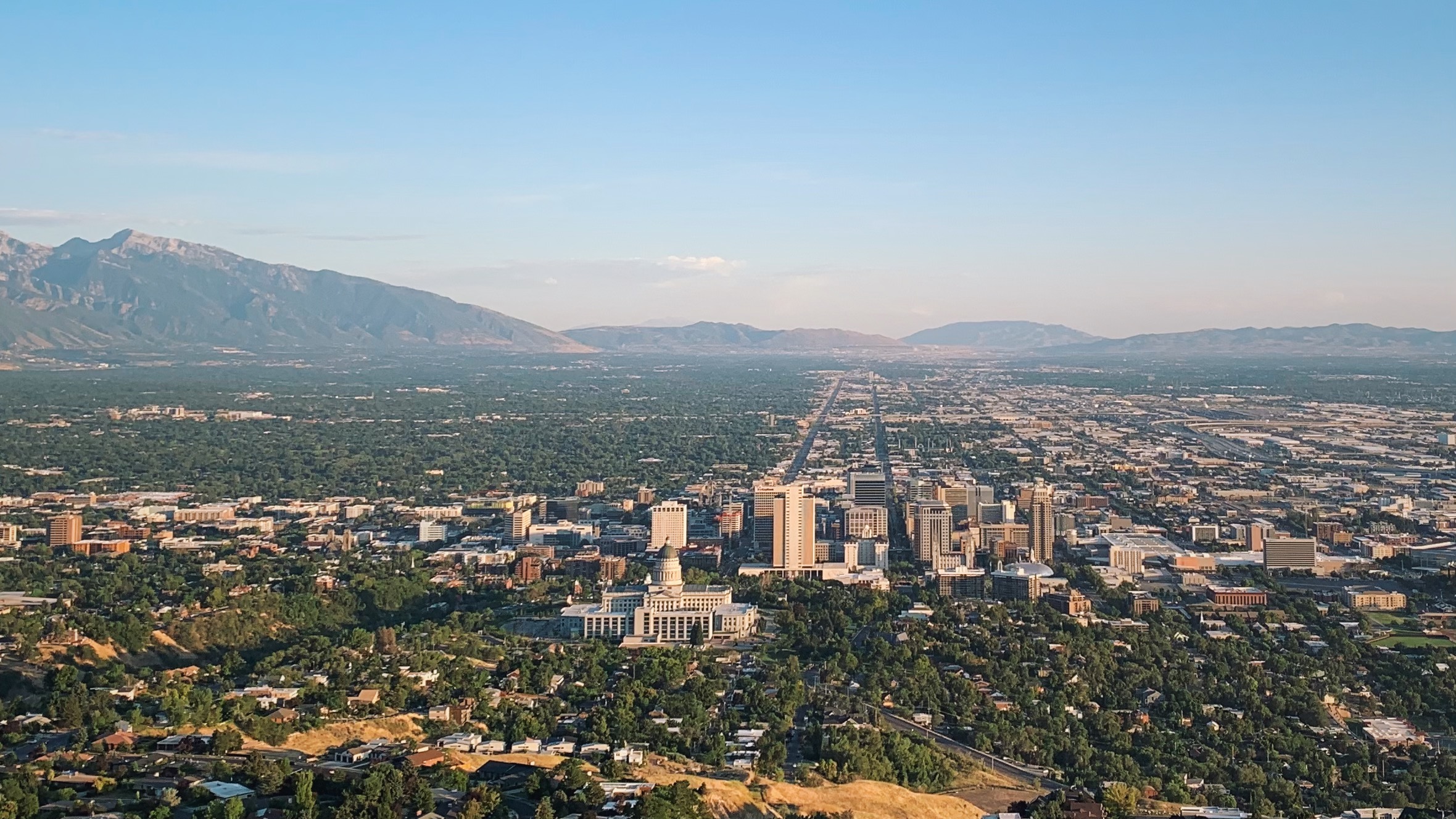
Salt Lake City is a split decision. For the city itself, it has one of the better transit setups in the Mountain West: a light-rail line straight from the airport terminal to downtown, a free-fare zone in the center, trains to the university, the suburbs and the soccer stadium, and a commuter railroad that runs the length of the Wasatch Front. But very few people fly to Salt Lake City just for the city. Most come to ski the Cottonwood Canyons or Park City, to drive south to the national parks, or to see the Great Salt Lake, and for almost all of that, a car is either essential or much easier. And in winter, the car itself comes with a catch: the canyon roads to the ski resorts have traction rules that many rental cars do not meet. This guide explains how the city is laid out, how UTA’s trains and buses work, what driving here is really like in every season, how the ski buses and shuttles compare with a rental, and gives you a straightforward way to decide.
The short answer
Rent a car if the national parks, Antelope Island, the Bonneville Salt Flats or a Utah road trip are on the itinerary, if you are skiing several resorts and want flexibility, if you are staying with family in the suburbs, or if you are traveling with children and gear. Skip the car if you are staying downtown for a city break, a convention, General Conference or a game, and your plans are Temple Square, the Capitol, the museums on the east bench and Sugar House; TRAX, the S-Line streetcar, your feet and the occasional ride-hail will cover that, and you will not pay for parking. And for skiing, there is a real middle path: the ski buses and resort shuttles reach the canyon resorts and Park City without you having to worry about winter traction rules or scarce parking. Compare rental rates for any of these plans on our Salt Lake City car rental page.
How Salt Lake City is laid out
Salt Lake City is built on one of the most logical street grids in the country, and it starts at Temple Square. The corner of Main Street and South Temple is the origin point, and almost every address in the valley counts blocks from there: 400 South is four blocks south of the temple, 700 East is seven blocks east, and an address such as 1300 South 900 East is a pair of coordinates rather than a street name. The pioneers laid out enormous blocks and streets wide enough, as the story goes, for a wagon team to turn around, so the streets are broad and easy to drive but the blocks are long on foot; a walk of “four blocks” is closer to a mile than a stroll. Downtown sits at the north end of the valley, with the State Capitol on the hill above it, the Avenues climbing to the northeast, the University of Utah on the east bench, and Sugar House a few miles to the southeast. The suburbs then fill the valley south for more than twenty miles, with the Cottonwood Canyons opening in the Wasatch on the east side and the airport to the west, beside the lake. The inner city is compact enough for transit; everything beyond it assumes a car.
Hotels cluster downtown around Temple Square, the Salt Palace and the Delta Center, which is the natural base for a car-free visit, with more near the airport and along I-15 in the southern suburbs, and resort lodging up the canyons and in Park City. Our downtown and Temple Square hotel page and wider Salt Lake City hotel search let you compare them.
Getting in from the airport
Salt Lake City International (SLC) is about 6 kilometers (4 miles) west of downtown, closer than almost any other big-city airport in the country. The TRAX Green Line leaves from a station beside the terminal and reaches downtown in about 20 minutes, stopping along North Temple and at several downtown stations, for a standard fare; it is the easiest airport rail connection in the West. Taxis and ride-hail pick up at the terminal, and the drive downtown takes 10 to 20 minutes outside rush hour. The rental counters are in the garage facing the terminal, so there is no shuttle bus to a remote lot, and I-80 and I-215 are minutes from the exit, which means you can be on the road to Park City or the Cottonwood Canyons within half an hour of collecting the keys. Private shuttle companies run shared and private transfers from the airport to Park City and the canyon resorts, and many ski lodges arrange their own. Check the airport’s site for current ground-transport details; our SLC airport guide covers the layout, including the long walk to the far gates.
Salt Lake City’s transit, explained
The Utah Transit Authority, UTA, runs the light rail, the commuter trains, the streetcar and the buses across the Wasatch Front. For a downtown-based visitor it is clean, simple and genuinely useful; its limitation, as in most Western cities, is coverage and frequency once you leave the rail lines, especially in the evenings and on Sundays.
TRAX light rail
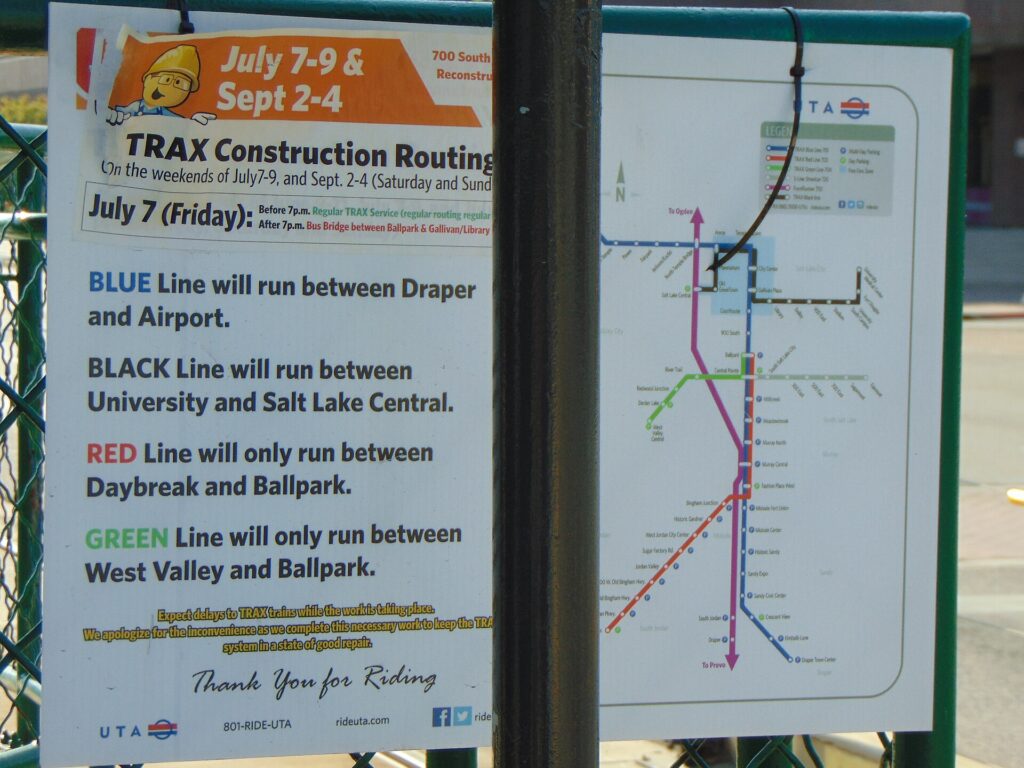
Three lines. The Green Line runs from the airport through downtown and out to West Valley City. The Red Line runs from the University of Utah and its hospital through downtown and south to the Daybreak development in South Jordan, where the Salt Lake Bees now play. The Blue Line runs from Salt Lake Central Station through downtown and south to Sandy, for the soccer stadium, and on to Draper. All three share the downtown tracks, and rides that start and end inside UTA’s downtown Free Fare Zone are free, on TRAX and on local buses, which covers Temple Square, City Creek, the Delta Center, the Salt Palace and most downtown hotels. Trains run from early morning until late evening, with less frequent service on Sundays.
FrontRunner and the S-Line
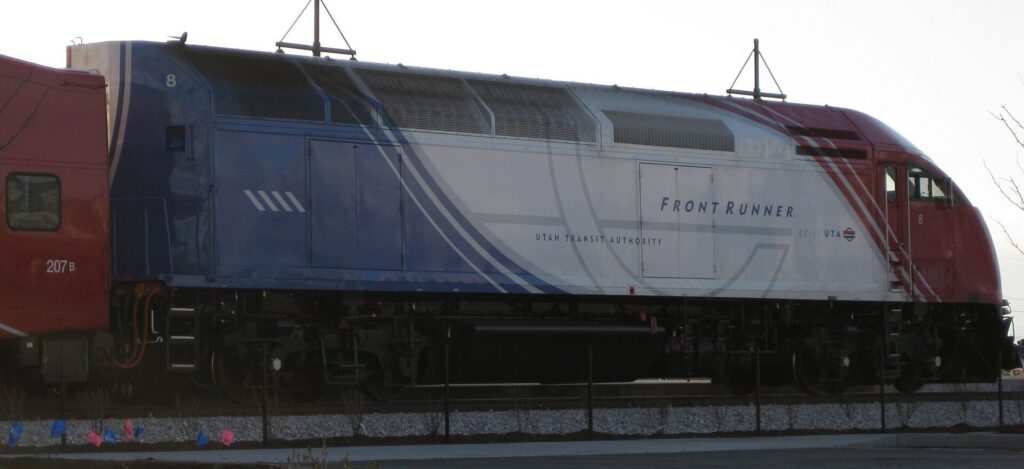
FrontRunner is the commuter railroad that runs north to Ogden and south to Provo from Salt Lake Central Station, useful for a day in Ogden’s historic 25th Street or a visit to Provo; it has historically not run on Sundays, so check the schedule. The S-Line streetcar is a short line from a TRAX connection in South Salt Lake to the heart of Sugar House, and it is the easiest way to reach that neighborhood.
Buses and ski buses
Buses fill in the rest, including the routes up to the Natural History Museum, Red Butte Garden and This Is the Place on the east bench. In winter, UTA has run ski bus service up Big and Little Cottonwood Canyons from park-and-ride lots in the valley to Solitude, Brighton, Snowbird and Alta, and the buses are exempt from the parking scramble at the top. Service levels have been cut back in some recent seasons, so check the current ski schedule on UTA’s site before building a trip around it, and expect full buses on powder mornings.
Fares and tickets
Buy tickets from the machines at TRAX and FrontRunner stations or through UTA’s mobile ticketing, and keep proof of payment for the whole trip; fare inspectors check on the trains. FrontRunner fares rise with distance, while TRAX and local buses charge a flat fare with transfers allowed within a time limit, and young children ride free with a paying adult. Ski buses have their own fares, and some resort passes have included free rides in past seasons. Payment options change, so check UTA’s site for current fares and ticketing before you go.
Accessibility
TRAX platforms offer level boarding, the buses are low-floor with ramps, and FrontRunner has accessible cars; UTA also runs paratransit for eligible riders.
Beyond UTA
- Walking. Downtown, the Avenues, 9th and 9th and Sugar House are pleasant on foot, but allow more time than the map suggests; the blocks are long and the streets wide.
- Bike share and scooters. The city has a bike-share system and shared e-scooters in the warmer months, and protected bike lanes on several downtown streets. The foothill trails and City Creek Canyon are popular rides.
- Taxis and ride-hail. Uber, Lyft and taxis operate across the valley; for a group, a short ride is competitive with transit fares and much quicker to the east bench or the neighborhoods off the rail lines.
- Park City buses. A commuter bus connects downtown Salt Lake City with Park City, and within Park City the town’s own buses are free and reach both ski resorts, Main Street and the lodging areas, so a car-free ski week in Park City is realistic.
- Ski and airport shuttles. Private shuttle companies run between the airport, downtown hotels, Park City and the canyon resorts; they are the easiest way to reach a slopeside lodge without driving.
- Amtrak and intercity buses. The California Zephyr stops at Salt Lake Central Station once a day in each direction, at night, and intercity buses connect the city with other Western cities.
Driving in Salt Lake City and beyond: what it is really like
Salt Lake City is an easy place to drive by big-city standards: wide streets, a grid that tells you where you are, plenty of parking outside downtown, and freeways that are generally quick outside rush hour. The frustrations are specific. I-15, the north-south spine of the valley, backs up every weekday morning and evening, and I-215, the belt route, has its own bottlenecks near the canyon mouths. Some suburban intersections use unusual designs, such as continuous-flow intersections and “ThrU-turns”, that can surprise drivers from elsewhere; follow the signs and lane markings carefully. Construction season runs from spring to fall on the main routes. And the winter weather changes everything above the valley floor: the city might be dry while the canyons are in a full snowstorm.
Parking
Downtown parking is moderately priced by big-city standards. Street meters are paid at kiosks or by app, and meters downtown have traditionally been free on Sundays and holidays; check the signs where you park. Garages at City Creek and around Temple Square are plentiful, and many downtown businesses validate. Hotels charge a nightly fee that is worth adding to the room rate when you compare. Outside the center, parking at the museums, the zoo, the malls and most trailheads is straightforward, although popular canyon trailheads fill early on summer weekends. The hardest parking in the region is at the ski resorts on busy days: several of the canyon resorts now charge for parking or require advance reservations on weekends and holidays, and the lots can fill before the lifts open after a big storm.
Rules and conditions worth knowing
- Canyon traction rules. Big and Little Cottonwood Canyons, the roads to Solitude, Brighton, Snowbird and Alta, have winter traction requirements, roughly from October to April. When UDOT puts restrictions in place, vehicles generally need four-wheel or all-wheel drive with tires rated for mud and snow (look for M+S or the mountain-snowflake symbol on the sidewall), or approved chains or traction devices, and troopers can turn back or fine drivers who do not comply. Many rental cars are front-wheel drive, and rental agreements often prohibit chains, so if you plan to drive the canyons, book an AWD or 4WD vehicle and check the tires at the counter. UDOT Traffic shows current restrictions, closures and canyon cameras.
- Avalanche closures. After heavy snow, Little Cottonwood Canyon in particular closes for avalanche control, sometimes for hours, and guests at Alta and Snowbird can be kept indoors, a practice known locally as “interlodge”. Build slack into your plans on storm days and never stop in a marked avalanche zone.
- The “red snake”. On powder mornings, the line of brake lights up Little Cottonwood can stretch back to the valley. Leave early, carpool, or take the bus.
- Blood alcohol limit. Utah’s legal limit for drivers is 0.05 percent, lower than the rest of the country; the only safe plan after drinks is not to drive.
- Wildlife. Deer are common on canyon roads and suburban edges at dawn and dusk, and moose appear in the higher canyons and around Park City; slow down.
- Speed limits reach 80 mph on some rural interstates, and the long empty stretches toward the parks make it easy to drift above them; the Highway Patrol is active.
- Right turns on red are permitted after a full stop unless signed otherwise.
When renting a car makes sense
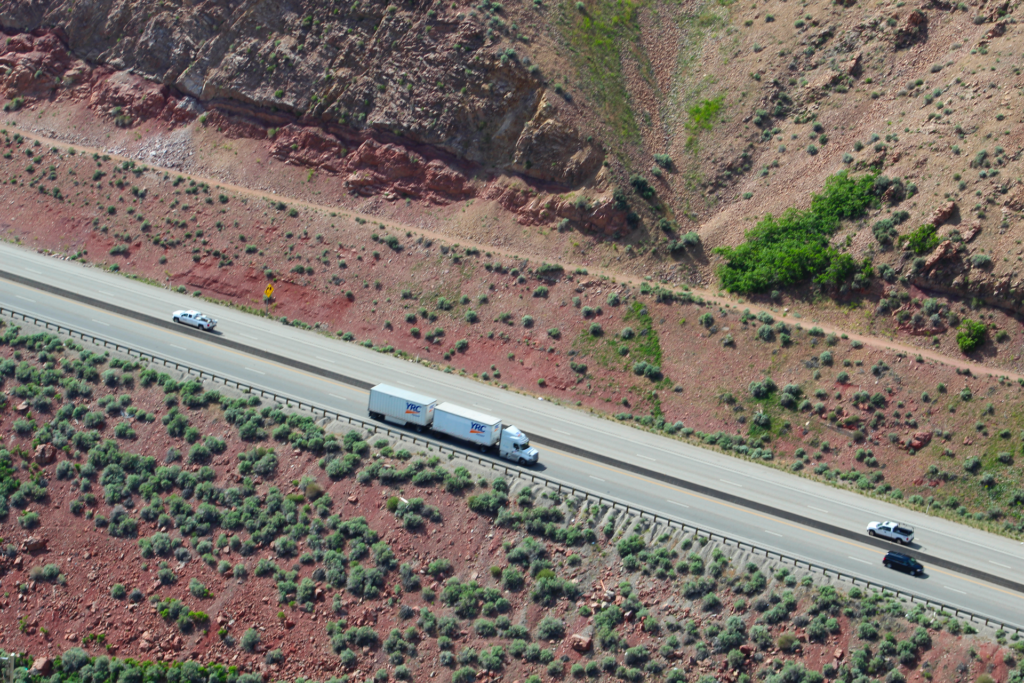
- The national parks. Arches and Canyonlands, Capitol Reef, Bryce Canyon and Zion are all at least three and a half hours away and connected by long, scenic highways; there is no practical way to see them without a car. Check each park’s rules before you go: Zion runs a shuttle on its main canyon road for much of the year, and Arches has used timed-entry reservations in recent peak seasons. International visitors should also check the National Park Service site, as entrance fees for non-US residents at the busiest parks have recently changed.
- Skiing several resorts. A car, preferably AWD with the right tires, lets you chase the snow between the Cottonwood Canyons and Park City.
- Antelope Island, the Bonneville Salt Flats and Golden Spike are all car trips of one to two hours each way.
- Family in the suburbs. The valley is long and spread out; a car earns its keep daily.
- Traveling with children and gear. Skis, car seats and luggage make shuttles and buses awkward.
- Western road trips. Salt Lake City to Las Vegas takes about six hours on I-15, and to Denver about eight via I-80 across southern Wyoming; our Denver to Salt Lake City route guide covers the drive, and our Denver car-versus-transit guide covers the other end.
If any of those apply, our rental car booking tips cover insurance, deposits and the questions to ask at the counter, and our family car rental guide looks at vehicle choice.
When it does not
- You are staying downtown and your plans are Temple Square, the Capitol, the museums and Sugar House.
- You are in town for a convention, General Conference or a game at the Delta Center, when downtown parking is at its busiest and TRAX stops at the door.
- You are skiing one resort or staying in Park City, where the free town buses, the ski buses and a shuttle from the airport cover everything.
- You are traveling solo on a short trip and the rental, parking and fuel add up to more than the train and a few rides.
The hybrid plan for a city-plus-mountains trip
Go car-free for the city days and rent for the canyon or park days, and think carefully about where you pick up. Because the airport is so close to downtown and the rental counters are in the garage at the terminal, an airport pickup is more convenient here than in most cities, and heading straight to Park City or the canyons from the airport keeps you out of downtown traffic entirely. Renting from a downtown location can still make sense if you are spending the first nights in the city, because you avoid paying hotel parking on nights the car would sit unused. A pattern that works well: TRAX from the airport to a downtown hotel, two car-free days, then a rental for the mountain or park days, returned at the airport on the way to the flight home. In winter, reserve an AWD or 4WD vehicle well ahead for the canyon days, because they sell out on holiday weekends. Compare the day rates on our Salt Lake City car rental page against a full-trip rental and the difference is usually obvious.
A worked cost comparison
Numbers change with the season and the booking window, so treat this as a method rather than a quote, and check current rates before deciding. For a four-night city break downtown for two people, the car-free version costs two TRAX fares each way from the airport, a few bus or streetcar rides to the east bench and Sugar House, and perhaps a couple of ride-hail trips in the evening; the rental version adds four days of a compact car, four nights of hotel parking, fuel, and airport fees and taxes, and buys you very little you could not ride to. Transit wins easily. For a five-day ski trip staying in the city, compare an AWD rental for five days, plus fuel and any resort parking fees, against ski bus fares or daily shuttles for two; the bus is cheaper when it runs frequently and your resort is on its route, and the car wins when you want to ski different resorts, leave early on powder days, or travel with children. For a week-long national park loop, a rental is the only practical answer, and it is worth comparing a round trip from Salt Lake City with a one-way rental to Las Vegas, which saves a long drive back but adds a one-way fee. Run the rental rates for your dates on our Salt Lake City car rental page and put them beside the transit and shuttle costs before you choose.
Driving the canyons and the Wasatch in each season
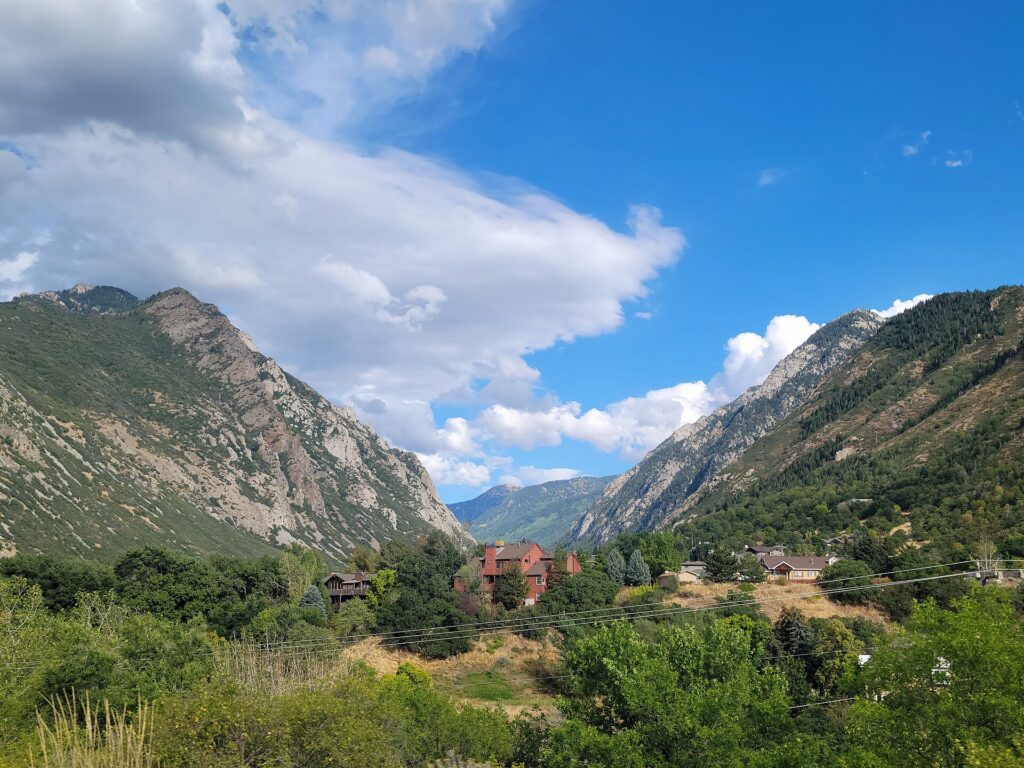
The roads from Salt Lake City into the mountains are short, steep and beautiful, and they are where visitors most often underestimate the conditions. In winter, Big and Little Cottonwood Canyons climb about 900 m (3,000 feet) in less than ten miles on narrow, winding roads, and traction rules apply whenever UDOT declares them; a front-wheel-drive rental on all-season tires can be turned back at the canyon mouth. Little Cottonwood is avalanche terrain and closes for control work after big storms, and on powder mornings the traffic can take an hour or more. I-80 through Parleys Canyon to Park City is a wide interstate and much easier, but it is steep and can ice up in storms, and Guardsman Pass, the summer shortcut between Big Cottonwood and Park City, is closed in winter. In spring, the canyon roads are wet and clear while the resorts are still skiing, rockfall is more common during the thaw, and the high trails stay snowbound into June. In summer, the canyons are the city’s escape from the heat, trailhead lots fill early on weekends, and the Alpine Loop and Mirror Lake Highway into the Uinta Mountains open for scenic drives. Afternoon thunderstorms bring lightning to exposed ridges and flash floods to the southern slot canyons. In fall, the color on the canyon roads draws heavy weekend traffic from late September, and the first snow can close the high roads by late October. In every season, check UDOT Traffic before you set off, and the National Weather Service in Salt Lake City for storm warnings.
Decision table
| Your trip | Recommendation | Why |
|---|---|---|
| City break downtown, couple or solo | No car | TRAX from the airport, a free downtown zone and walkable sights |
| Convention, General Conference or a game | No car | Downtown parking is busiest and TRAX stops at the venues |
| Ski week in Park City | Shuttle from the airport, free town buses | Both resorts and Main Street are on the free system |
| Skiing the Cottonwood Canyons from the city | AWD or 4WD rental, or the ski bus | Traction rules and scarce parking favor the right car or the bus |
| City plus a day at Antelope Island or Park City | Hybrid: rent for the day trip | Car-free city days, a car for the lake and the mountains |
| National parks loop | Rent (consider one-way to Las Vegas) | Long distances with no practical transit |
| Family visit to the suburbs | Rent for the whole stay | The valley is long and spread out |
| Western road trip via Denver | Rent (compare a one-way fee) | Salt Lake City is a stop, not the destination |
Money-saving tips for both options
- On transit: ride free within the downtown Free Fare Zone, take TRAX from the airport instead of a taxi, and check whether your ski pass includes bus rides.
- On a rental: compare airport and downtown pickup, book AWD early for ski holidays, check the tires for canyon driving, decline extras you already have through a credit card or home policy (check first), and fill up before the canyons and the long empty stretches toward the parks.
- On the hotel: if you are renting, add the parking fee to the room rate when you compare, and consider a hotel outside downtown with free parking on the TRAX line.
- On timing: avoid I-15 in the weekday peaks and the Cottonwood Canyons on powder weekend mornings; the best time to fly to Salt Lake City guide lists the busiest weekends.
- On the parks: if you plan to visit several national parks, an annual pass for the vehicle usually costs less than paying at each gate.
Frequently asked questions
Is it worth renting a car in Salt Lake City?
For the national parks, the lake, a road trip or skiing several resorts, yes. For a downtown city break, a convention or General Conference, no; TRAX and your feet are enough.
Is Salt Lake City public transit good for tourists?
Good for the core: TRAX runs from the airport terminal to downtown, the university and the suburbs, and rides within the downtown Free Fare Zone are free. It thins out in the evenings, on Sundays and away from the rail lines.
How do I get from Salt Lake City airport to downtown?
The TRAX Green Line in about 20 minutes for a standard fare, or a taxi or ride-hail in 10 to 20 minutes outside rush hour.
Can I ski in Utah without a car?
Yes. Park City’s free buses and airport shuttles make a car-free week there easy, and UTA’s ski buses serve the Cottonwood Canyon resorts in winter, though schedules vary by season.
Do I need four-wheel drive to drive to the ski resorts?
For Big and Little Cottonwood Canyons, when traction restrictions are in effect you generally need four-wheel or all-wheel drive with suitable tires, or approved chains. Check UDOT’s current rules before you go, and ask for an AWD vehicle when you book.
Is parking expensive in downtown Salt Lake City?
Less than in most big cities. Meters are moderate and have traditionally been free on Sundays and holidays; hotel parking fees are the main cost.
Can I visit the national parks from Salt Lake City without a car?
Only on an organized tour. The parks are three and a half to four and a half hours away with no practical public transport; for independent travel, rent a car.
Whichever way you go, start with the flight. Compare cheap flights to Salt Lake City, choose a neighborhood with our Salt Lake City hotel search, and if the canyons or the parks are on the list, price the rental for those dates on our Salt Lake City car rental page. For what to see once you arrive, start with our first-timer’s guide to Salt Lake City.
Keep planning with TicketScanner
- Salt Lake City car rentals — compare airport and downtown pickup
- Cheap flights to Salt Lake City
- Salt Lake City hotels — factor parking into the rate
- Things to do in Salt Lake City: a first-timer's guide
- Best time to fly to Salt Lake City: month by month
- Salt Lake City International (SLC) airport guide
- Driving Denver to Salt Lake City
- Denver: rent a car or use public transit?
- Rental car booking tips
- Car, transit or taxi in a new city?
Leave a Reply