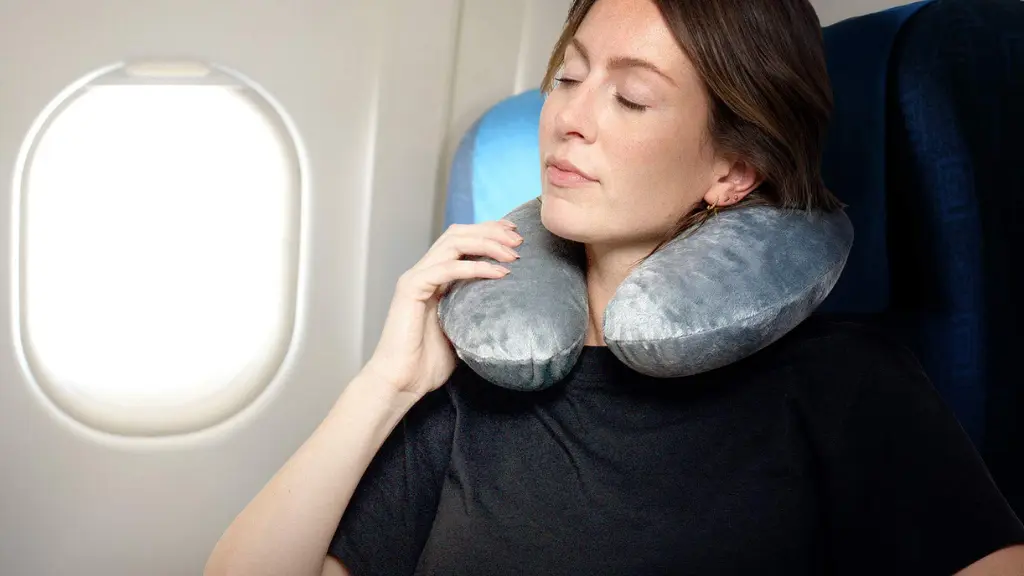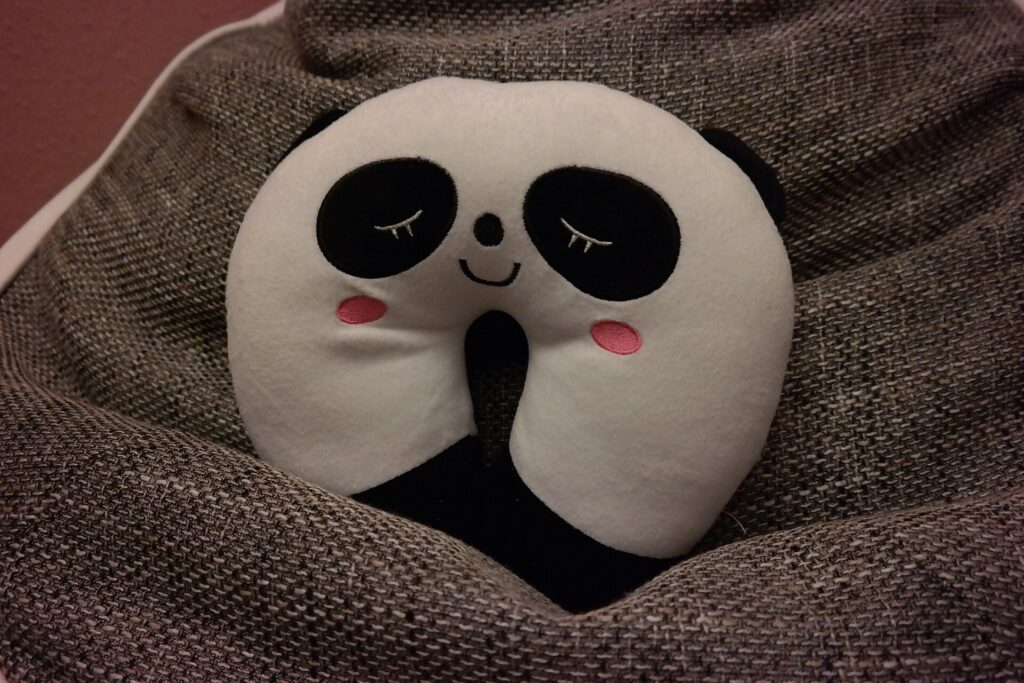
A travel pillow is one of the most useful things you can bring on a long flight and one of the most awkward to carry. It is too bulky to disappear into a backpack, too soft to protect itself, and it spends a surprising amount of time touching things you would rather it did not: airport floors, security trays, seat pockets and the bottom of a crowded overhead bin. A good pillow bag solves that. It shrinks the pillow down, keeps it clean, and lets you clip it to your luggage so your hands and your bag space stay free. This guide covers the kinds of bags and cases that work for travel pillows, from compression cases for memory foam neck pillows to totes for a full-size bed pillow, how to choose one, how pillow bags fit with airline carry-on rules, packing and hygiene tips, and the bags from our original list with who each one suits. It is part of our travel gear series, which starts with our main guide to choosing travel luggage.
The short answer
For a memory foam neck pillow, use a compression case with a clip, ideally the one designed for your pillow, so it squeezes down and hangs from your bag strap or suitcase handle. For an inflatable pillow, a small drawstring pouch is enough. If you travel with a full-size bed pillow for road trips, hotels or family visits, a zippered pillow tote with handles keeps it clean and easy to carry. If you want warmth as well as support, a blanket and pillow combo that packs into its own case is worth a look. Whatever you choose, make sure it is washable or wipeable, the clip is sturdy, and the bag does not push you over a strict airline’s carry-on limit.
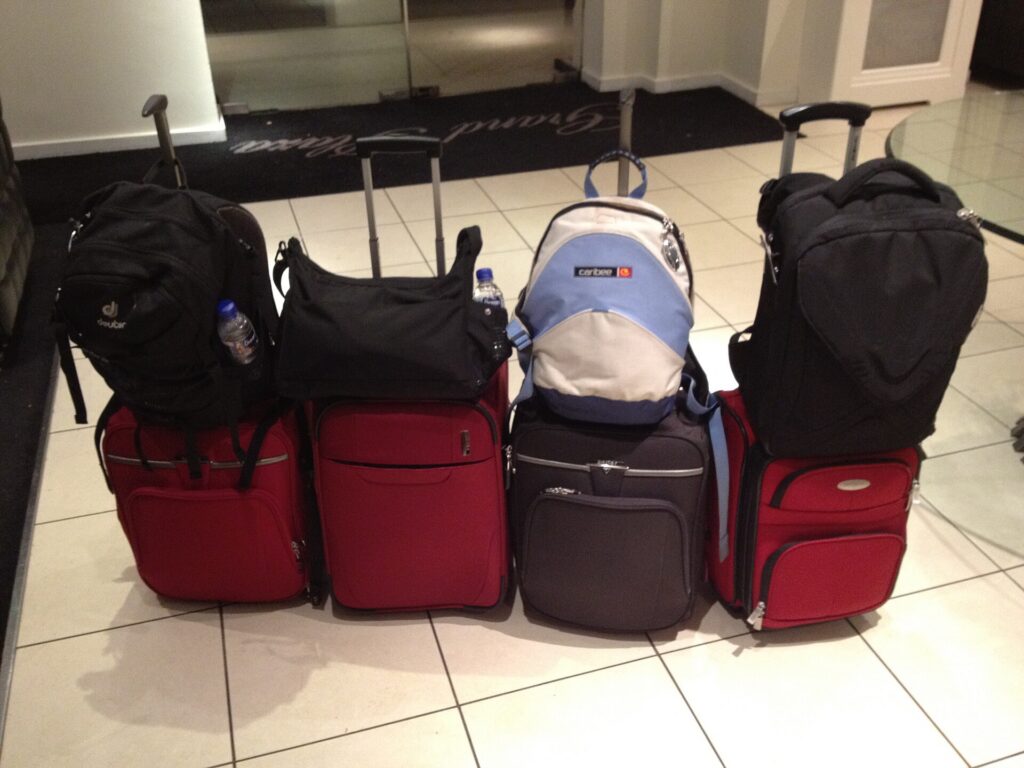
Why use a bag for a travel pillow?
- Hygiene. A pillow sits against your face and hair for hours. Keeping it in a bag between uses keeps it away from floors, trays and seat pockets.
- Space. A compression case can shrink a memory foam pillow to a fraction of its size, which matters when you travel with one bag.
- Free hands. A clip or luggage sleeve lets the pillow ride on your suitcase or backpack instead of being carried or worn around your neck through the terminal.
- Protection. A bag keeps the cover from getting snagged, stained or wet.
- Organization. Some bags have pockets for an eye mask, earplugs and a charging cable, so your whole sleep kit is in one place.
Types of pillow bags and cases
Compression cases for neck pillows
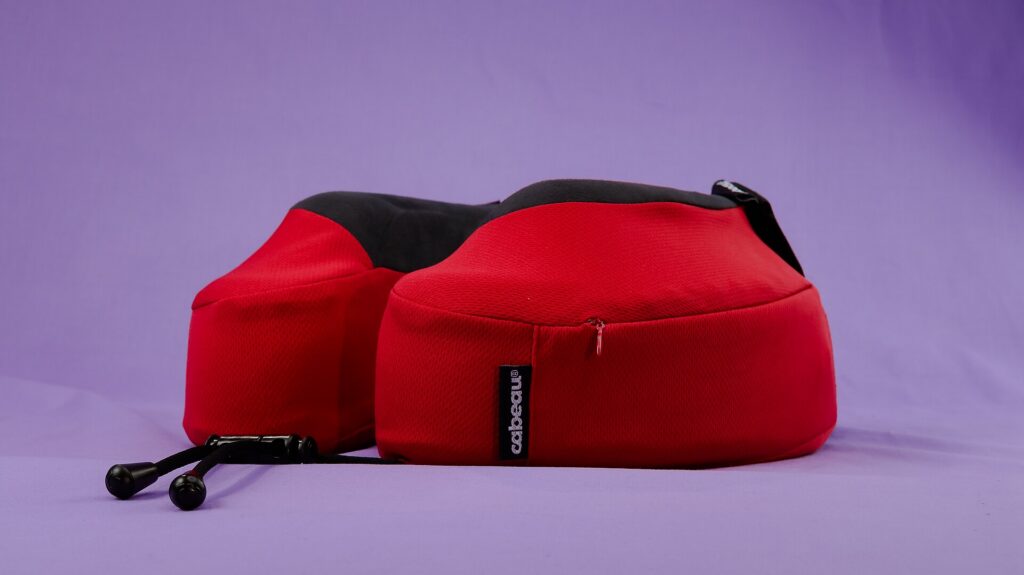
Many memory foam neck pillows come with a case that squeezes the pillow down when you zip or cinch it closed, and has a clip or strap to attach it to a bag. These are the most practical option for neck pillows. Cabeau, for example, says the travel case included with its Evolution S3 pillow compresses the pillow to about a third of its size and has a quick-release clasp for attaching to luggage. If your pillow did not come with a case, or you lost it, check whether the maker sells a replacement before buying a generic one.
Drawstring pouches and stuff sacks
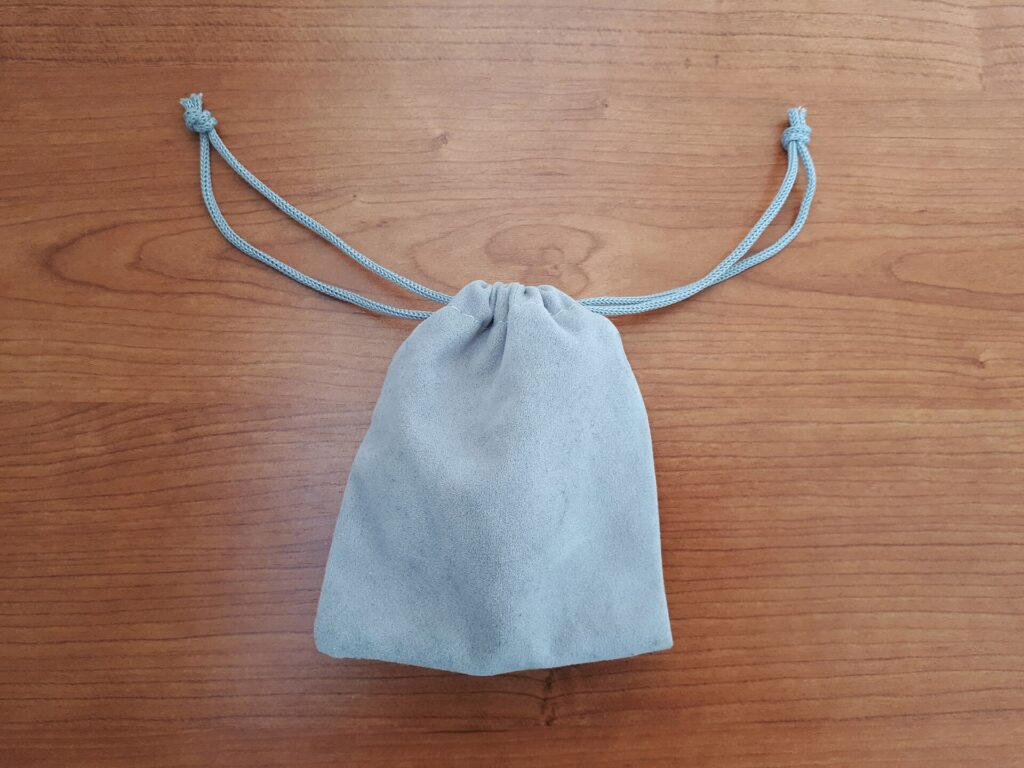
A simple drawstring pouch is all an inflatable pillow needs, because it packs flat once deflated. Stuff sacks, borrowed from camping gear, can also hold fiber or microbead pillows, compressing them a little as you stuff them in. They are light and cheap but offer little protection.
Pillow cases designed for specific pillows
Some bags are made to fit a particular pillow shape, such as wrap-style supports like the trtl Pillow. A shaped bag protects the pillow without crushing its internal support, and often includes a strap or clip.
Pillow totes for full-size pillows
If you bring your own bed pillow on road trips or to hotels, a zippered tote sized for a standard pillow keeps it clean and gives you handles to carry it. Totes are too big for most carry-on allowances, so they suit car travel and checked-bag trips better than tight flights.
Blanket and pillow combos
Some travel blankets fold into their own zippered case, which then works as a pillow. Others come with a separate pillow and a carry bag that has a luggage sleeve and backpack clip. These are useful on cold flights, long layovers, road trips and trains. They take up more room than a neck pillow alone.
Packing cubes and compression bags
Compression packing cubes are not made for pillows, but a larger cube can hold a small neck pillow or a compressible pillow inside your suitcase, keeping it separate from your clothes. Roll-down compression bags squeeze air out of soft items, and some compressible pillows are designed to be packed this way.
Canvas storage bags
Large zippered canvas storage bags, often sold for bedding, can hold several pillows at once for a family move, a long stay or a camping trip. They are too big for a flight, but useful in a car or for storage at home between trips.
| Bag type | Best for | Carry-on friendly? | Strengths | Watch out for |
|---|---|---|---|---|
| Compression case with clip | Memory foam neck pillows | Yes, usually clipped to a bag | Shrinks pillow, frees hands | Clips can snap; foam needs time to re-expand |
| Drawstring pouch | Inflatable pillows | Yes, fits in a pocket | Tiny, light | Little protection |
| Shaped pillow case | Wrap-style or specific pillows | Yes | Fits properly, protects shape | Only fits one pillow |
| Pillow tote | Full-size bed pillows | Rarely | Handles, keeps a big pillow clean | Bulky; best for car trips |
| Blanket and pillow combo | Cold flights, layovers, trains | Often, if clipped or sleeved | Warmth and support in one | Takes more room |
| Packing cube or compression bag | Pillow packed inside a suitcase | Inside your bag | Keeps pillow separate and compact | Not reachable mid-flight if packed deep |
| Canvas storage bag | Several pillows, family trips | No | Holds a lot | Car or storage only |
How to choose a pillow bag
Match the bag to the pillow
Measure your pillow, or better, try it in the bag. A case that is too small will not close without crushing the pillow; one that is too big lets it flop around and wastes space. If your pillow’s maker sells a case, it is the safest fit.
Compression
For memory foam, compression is the main reason to buy a case. Look for a zip or cinch that squeezes the pillow down evenly. Remember that foam needs a few minutes to regain its shape after it comes out, so take it out a little before you want to sleep.
Attachment
A strong clip, carabiner or strap lets you hang the bag from a backpack strap or suitcase handle. A luggage sleeve, which slides over the telescoping handle of a rolling suitcase, is even more secure. Check that the clip is sturdy; cheap plastic clips are the first thing to break. If a clip does break, a small carabiner is an easy fix.
Material
Water-resistant fabrics protect against spills and rain on the walk to the car. Mesh panels let a pillow breathe, which helps if you pack it slightly damp after cleaning the cover, although it is better to let it dry fully. Soft, brushed fabrics feel nicer if the bag doubles as a pillow cover.
Washability
A bag that goes in the washing machine or wipes clean is much easier to keep fresh. Check the care label.
Extra pockets
A small pocket for an eye mask, earplugs, lip balm and a charging cable makes the pillow bag into a sleep kit. Some bags include a pocket sized for a tracking tag, which can help if you are prone to leaving things behind.
Visibility
Pillows are among the items most often left behind on planes, in taxis and in hotel rooms. A bright color or a name tag makes the bag easier to spot, and a small luggage tag with your contact details gives it a chance of coming back.
Bags from our original list
The bags and cases below were featured in the original version of this guide. They cover different needs rather than a strict ranking. Designs, sizes and prices change, so check the current details from the maker or seller before you buy.
EverSnug travel blanket and pillow with carry case
EverSnug was featured for a combination travel blanket and pillow that packs into a carry bag with a luggage sleeve and backpack clip. It suits travelers who get cold on planes and at airports, and who want a blanket, a pillow and a bag in one item. Check the listing for the current size and washing instructions.
Lincove pillow tote bag
The Lincove pillow tote was featured as a zippered tote with handles sized for a standard bed pillow. It suits travelers who bring their own full-size pillow on road trips, family visits and hotel stays. It is too big for most carry-on allowances, so treat it as a car or checked-bag item.
BlueHills travel blanket and pillow sets
Two BlueHills items were on the list: a soft blanket and pillow set that folds into a compact bag with a backpack clip, and a similar set with a luggage belt that slides over a suitcase handle. They suit travelers who want warmth and a pillow in one package that attaches to their bags.
Soft canvas storage bags with zipper
These large zippered canvas bags, with handles and a label window, were featured for storing and carrying several pillows or bedding. They suit families, long stays and camping trips by car, and storage between trips.
Gonex compression packing cubes
Gonex compression packing cubes were featured as a flexible option. They are not made for pillows, but a larger cube can hold a small neck pillow or a foldable pillow inside your suitcase and keep it separate from clothes. They suit travelers who already pack with cubes.
Cabeau pillow carrying case
Cabeau’s carrying case for its neck pillows compresses the pillow and clips to your luggage, as described on the Evolution S3 product page. It suits owners of Cabeau memory foam pillows who want the case designed for them.
Travel bag for trtl pillows
The original list featured a third-party bag made to fit trtl pillows, with a strap and a clip for attaching to a backpack or carry-on. It suits owners of wrap-style trtl pillows who want to keep the pillow clean and attached to their bag. Check the listing for fit with your specific trtl model.
Vera Bradley hanging travel organizer
The Vera Bradley hanging organizer was included as a toiletry and accessory organizer that can also hold a small pillow or sleep accessories. It suits travelers who want one stylish bag for toiletries and a compact sleep kit. It is not a pillow bag as such, so check the size against your pillow.
Compressible memory foam pillow with carry bag
The list also included a compressible memory foam pillow sold with a washable cover and its own carry bag, suitable for camping and long flights. It suits travelers who want a pillow and bag designed together.
Pillow bags and airline carry-on rules
Airlines set their own carry-on rules, and they change. The principles are:
- Most fares allow a carry-on bag and a personal item. Some basic and ultra-low-cost fares allow only the personal item.
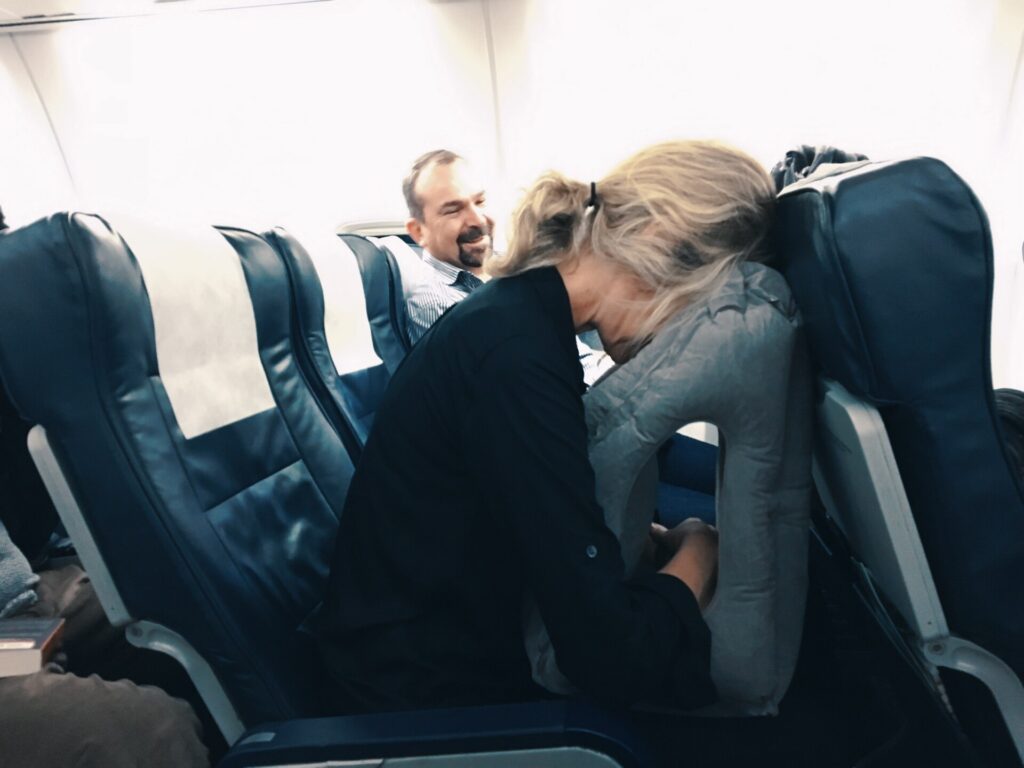
- Whether a pillow counts is up to the airline. Many airlines are relaxed about a neck pillow clipped to your bag or worn around your neck, but on strict fares, a bulky pillow bag or blanket set carried separately can be counted as an extra item.
- Clipped items still add to the size. If your bag is right at the limit, a pillow clipped to the outside may push it over at a sizer.
- When in doubt, pack it inside or wear it. A compressed neck pillow often fits inside a personal item.
Check your airline’s official page before you fly, for example Air Canada carry-on baggage or Delta carry-on baggage. Our guide to Delta carry-on size rules goes through one airline in detail, and our luggage guide explains carry-on and personal-item allowances in general.
At security, pillows and pillow bags are generally allowed. The TSA’s What Can I Bring? tool and CATSA’s What can I bring? page let you check items in the US and Canada. Put the pillow bag in a tray or leave it clipped to your bag, as the officers instruct.
Packing strategies
Carry-on only
Use an inflatable pillow in a pouch, or a compressed memory foam pillow inside your personal item. Clip it outside only if the bag has room to spare under the airline’s limit. A travel backpack with an external strap system, like those in our guide to the Peak Design Travel Backpack 45L, can hold a clipped pillow securely.
Rolling suitcase
A pillow bag with a luggage sleeve slides over the suitcase handle and rides on top of the case. It is easy to grab as you board. On a rolling laptop bag, a small clipped case works the same way.
Road trips
Space is less of a problem in a car, so bring a full-size pillow in a tote for hotel nights and a neck pillow for passengers. Keep the pillow bag where passengers can reach it.
Families
Give each child a pillow bag in a different color, with a name tag, so nobody argues and nothing gets left behind. A canvas storage bag holds the whole family’s pillows in the car.
Bringing your own pillow to a hotel
Hotel pillows are a lottery. Some rooms have a choice of firm and soft pillows, some have a single pile of very soft ones, and people who sleep badly away from home often find that their own pillow is the fix. If that is you, a few habits help:
- Ask first. Many hotels keep extra pillows, and some offer a choice of firmness on request. Ask at check-in before you haul your own across the country.
- Use a bright pillowcase. Housekeeping strips white bedding every day, and a plain white pillow of your own can disappear with the laundry. A colored or patterned case makes yours obvious.
- Pack it last and unpack it first. Keep the pillow in its tote until you are in the room, and put it back in the tote the night before you leave, so you do not forget it on the bed.
- Consider a compressible pillow. Some pillows are designed to squash into a small bag and recover overnight, which is a good compromise for flights.
If sleep quality decides your trip, choose the room carefully too. Our guide to hotel booking tips covers how to find a quieter room.
Keeping pillow and bag clean
- Keep the pillow in the bag whenever it is not in use, especially at security and in seat pockets.
- Wash the pillow cover and the bag regularly, following the care labels, and let both dry fully before packing.
- Air out memory foam after a trip before compressing it again.
- Do not leave a pillow compressed for months. Store memory foam uncompressed at home so it keeps its shape.
- Carry a spare cover on long trips, if one is available for your pillow.
Alternatives if you do not want another bag
- Wear the pillow around your neck through the airport. It is not elegant, but it takes no bag space.
- Use a pillowcase from home as a simple pouch; it is washable and weighs almost nothing.
- Choose an inflatable that folds into a pocket.
- Use a scarf or jacket as a pillow. A rolled fleece gives surprising support against a window.
- Buy a pillow that includes a good case in the first place. Our guide to airplane pillows for neck support covers designs that come with compression cases.
Building a complete sleep kit
A pillow bag with a spare pocket is a natural home for the rest of your sleep kit: an eye mask, earplugs or noise-cancelling headphones, a small bottle of water bought after security, lip balm and a light layer. On long-haul flights, add compression socks if they suit you, and read our guide to sleeping on flights for routines that help. Keep it all in your personal item under the seat, not in the overhead bin, so you can reach it without standing up.
Common mistakes
- Buying a bag that does not fit the pillow. Try it, or buy the maker’s own case.
- Relying on a flimsy clip. Replace a weak plastic clip with a small carabiner.
- Clipping a bulky bag to a carry-on that is already at the limit. It may not fit the sizer.
- Taking a full-size pillow tote on a strict budget flight. It will probably count as an extra item.
- Never washing the bag. It touches the same surfaces the pillow would have.
- Storing memory foam compressed. It can lose its shape over time.
Frequently asked questions
Can I use a regular bag to carry my travel pillow?
Yes. Any clean bag or pouch works. Purpose-made cases compress the pillow and clip to your luggage, which saves space and frees your hands.
Does a pillow bag count as a carry-on item?
It depends on the airline and the fare. A neck pillow clipped to your bag is often fine, but strict fares may count a separate bag as an extra item. Check the airline’s rules before you fly.
How do I clean a travel pillow bag?
Most can be machine washed or wiped clean. Follow the care label and let the bag dry fully before packing.
Will a pillow bag fit any travel pillow?
No. Sizes and shapes vary a lot. Check the bag’s dimensions against your pillow, or buy the case made for your pillow.
Can I bring a full-size pillow on a plane?
Some airlines allow it and some count it toward your allowance. On strict fares, pack it in a checked bag or leave it at home. For road trips, a pillow tote is ideal.
Is it bad to keep a memory foam pillow compressed?
For a trip, it is fine. For long-term storage, keep memory foam uncompressed so it keeps its shape.
How do I stop leaving my pillow behind?
Use a brightly colored bag, add a name tag, and make a habit of checking your seat, the seat pocket and the floor before you leave the plane.
With your pillow packed and clipped, the next step is the trip itself. Compare fares on our flight search, find a hotel on our hotel search, and for road trips where a full-size pillow comes along, book a car on our car rental search. Heading somewhere with a long flight and a scenic drive? Flights to Vancouver and our guide to things to do in Vancouver are a good place to start.
Keep planning with TicketScanner
- Top travel luggage bags: the buying guide — the travel gear guide
- Airplane pillows for neck support
- Noise-cancelling headphones for flying
- Compression socks for long flights
- Peak Design Travel Backpack 45L
- Rolling laptop bags for business travel
- Delta carry-on size rules
- Search rental cars — road trips where the full-size pillow comes along
- Things to do in Vancouver