A good pair of travel pants does more work than almost anything else in your bag. It sits through a long-haul flight without digging in, walks all day through a city, survives being rolled into a backpack, looks presentable at dinner, and dries overnight after a sink wash in the hotel bathroom. A bad pair wrinkles into a mess by the time you land, stays damp for two days after a rain shower, and has one shallow pocket that drops your phone every time you sit down. This guide explains how to choose travel pants for men: which fabrics do what, how stretch, gussets and pockets make a difference, how to get the fit right, which style suits flights, business trips, city breaks, hiking and hot or cold climates, how many pairs to pack and how to care for them on the road. It also covers the pants from our original list, grouped by the kind of traveler each one suits.
The short answer
For most trips, pack one pair of stretch travel chinos in a synthetic or synthetic-blend fabric that resists wrinkles and dries quickly, plus one second pair chosen for the trip: technical hiking pants for trails, a smarter pair for business, or lighter pants for heat. Look for stretch, a comfortable waistband, at least one zippered or deep pocket and a fabric that still looks tidy after a day in a bag. Try them on and sit down in them, because the real test of travel pants is hour six of a flight, not a quick look in a store mirror. Wear the heavier pair on the plane, and keep jeans for trips where you will not need to wash or dry anything fast.
What makes pants good for travel
Fabric
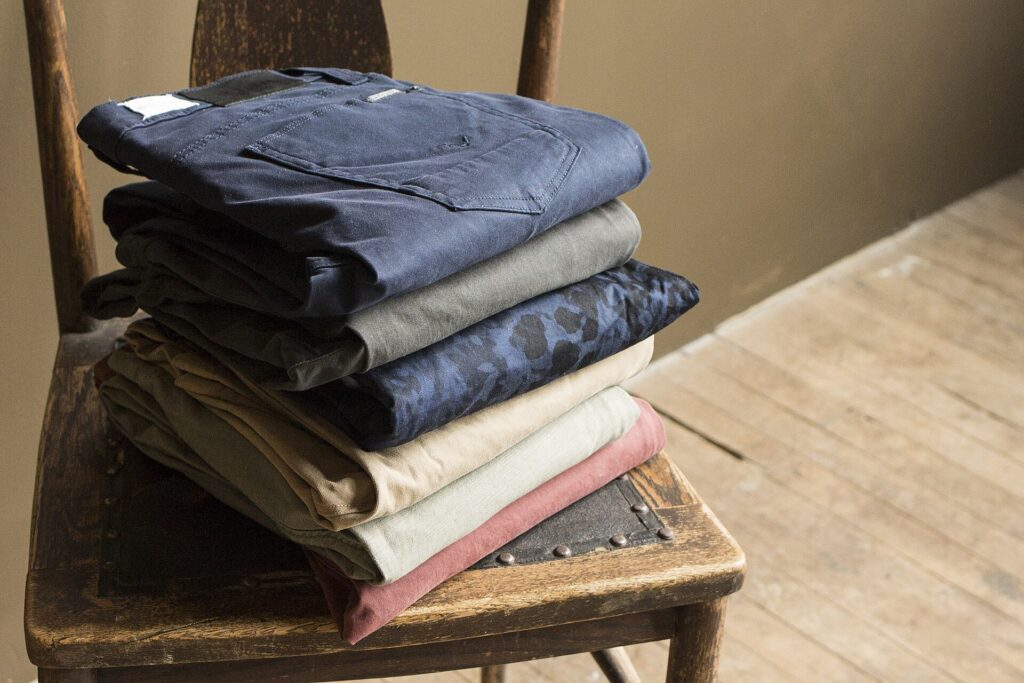
Fabric decides almost everything: how the pants feel after hours of sitting, how they look after being packed, how fast they dry and how warm they are. The main options are:
- Nylon and polyester. Synthetic fabrics are the backbone of most travel and hiking pants. They are light, strong, resist wrinkles and dry quickly. Some feel a little technical or shiny, though many modern versions look like regular chinos.
- Cotton and cotton blends. Cotton is soft, breathable and looks classic, but it wrinkles, holds water and dries slowly. Cotton blended with a synthetic and some stretch fiber is a common middle ground for everyday pants.
- Wool and merino blends. Wool resists odor, regulates temperature well and drapes nicely, which is why some premium travel trousers use it. It needs gentler care and costs more.
- Stretch fibers. A small amount of elastane or spandex, blended into almost any fabric, makes pants far more comfortable for flights, stairs and long walks.
Wrinkle resistance
Pants that come out of a bag looking tidy save you ironing on every trip. Synthetics and wool blends resist creasing best; pure cotton creases most. Rolling rather than folding helps any fabric.
Quick drying
Quick-drying fabric matters more than most people expect. It means a pair you wash in a sink can be dry by morning, you are not stuck in damp pants after a sudden downpour, and you can pack fewer pairs overall.
Stretch and a gusseted crotch
Stretch fabric and a gusset, an extra diamond-shaped panel of fabric in the crotch found in many outdoor and travel pants, give you freedom to climb stairs, step up onto trains and sit cross-legged without seams pulling. They also make a big difference to comfort in economy seats.
Pockets
Travel pants often add a zippered pocket, deeper front pockets or a hidden pocket for a passport or phone. Zippered pockets stop things falling out when you sit and make a pickpocket’s job harder. Too many bulky pockets, though, make pants look like workwear and feel heavy when loaded.
Waistband
A waistband with a little stretch or an adjustable tab stays comfortable after a big meal and through hours of sitting, and some travelers like a slim built-in belt that avoids metal detectors. If you wear a belt, choose one with minimal metal.
Weight and packability
Light fabrics pack small and are comfortable in heat but may feel thin in cold wind. Heavier fabrics are warmer and more durable. Think about the climate you are traveling to.
Fabrics compared
| Fabric | Best for | Strengths | Watch out for |
|---|---|---|---|
| Nylon or polyester with stretch | Most travel, hiking, humid climates | Light, tough, quick-drying, resists wrinkles | Can look technical; may hold odors |
| Cotton-synthetic blend with stretch | City trips, everyday wear | Soft, classic look, some wrinkle resistance | Dries slower than full synthetics |
| 100 percent cotton chino | Dry, mild climates, short trips | Comfortable and breathable, classic look | Wrinkles, holds water, slow to dry |
| Stretch denim | Casual trips, cool weather | Durable, familiar, hides dirt | Heavy, slow to dry, bulky to pack |
| Wool or merino blend | Business travel, cool climates | Resists odor and wrinkles, smart drape | Costs more, needs gentle care |
| Canvas | Outdoor work, road trips, rugged use | Very durable, good for cargo styles | Stiffer and heavier; slow to dry |
Styles and who they suit
Travel chinos
Chino-style travel pants look like ordinary smart-casual trousers but use stretch and faster-drying fabrics. They are the most versatile single pair: fine on a flight, in a museum, at a restaurant and in a casual office.
Technical hiking pants
Hiking pants use tough synthetic fabric, often with a gusset, articulated knees and zippered pockets. They are the best choice for trails, wet climates and active trips, and many look acceptable around town.
Convertible zip-off pants
Zip-off legs turn pants into shorts. They are practical on hot hikes and safaris where mornings are cool and afternoons hot, though the look is very outdoorsy and the zippers can rub.
Commuter and five-pocket pants
These look like jeans or casual trousers but are often made with stretch fabric. They are easy everyday travel pants for city trips.
Cargo pants
Cargo pockets give you room for a phone, a map and snacks without a bag. They suit road trips, outdoor travel and casual destinations. Keep valuables out of outer cargo pockets in crowded places.
Joggers
Soft joggers are comfortable on long flights and overnight trains. They are less versatile at your destination, so many travelers change on arrival.
Jeans
Jeans are familiar and hard-wearing, but they are heavy, bulky, slow to dry and tight when you sit for hours. If you love them, wear them on the plane and pack lighter pants.
How to get the fit right
- Sit down. Sit in the pants for a few minutes, cross your legs and lean forward. If the waist digs in or the seat pulls, they will be worse on a flight.
- Squat and step. A deep squat and a high step test the gusset and stretch. You should not feel seams pulling.
- Check the rise. A mid rise tends to be most comfortable for long sitting; a very low rise can feel insecure and a very high rise can press on your stomach.
- Get the leg and hem right. A slim, tapered leg looks tidy and stays out of the way on stairs. The hem should sit on top of your walking shoes without bunching or dragging on the ground.
- Allow for a loaded pocket. Put your phone and wallet in the pockets you will use. Some slim cuts become uncomfortable once pockets are full.
- Check the maker’s size chart. Sizes and cuts vary a lot between brands, and fits such as straight, relaxed, slim and athletic mean different things to different makers.
Match the pants to the trip
Long-haul flights
Comfort is everything. Stretch, a soft or stretchy waistband and a fabric that does not crush into deep creases all help. Loose enough at the ankle is useful too, especially if you wear compression socks on long flights. A zippered pocket keeps your phone from sliding into the seat gap.
Business trips
Choose a travel chino or wool-blend trouser in a neutral color that works with a blazer and dress shoes. A wrinkle-resistant fabric means you can wear them from the airport straight into a meeting.
City breaks
Smart-casual travel chinos or five-pocket stretch pants look at home in cafés and restaurants and handle long walking days. Pair them with the kind of shoes in our guide to comfortable walking shoes for traveling. In many places of worship, covering your knees is expected, which is another reason to pack at least one pair of long pants even in summer. Canada’s travel advice pages include a laws and culture section for each country, which often mentions dress norms.
Hiking and outdoor trips
Technical hiking pants in a durable, quick-drying synthetic with a gusset are the right tool. Avoid cotton on long hikes, since it stays wet and cold. If you are carrying a pack, our guide to hiking backpacks covers fit and loads.
Hot and humid destinations
Choose light, breathable, quick-drying fabrics in lighter colors. In places with mosquitoes or ticks, long pants help protect your legs, especially at dawn and dusk. The CDC explains how permethrin-treated clothing and gear can be used to prevent bites; follow the product instructions and never apply clothing treatments to skin.
Cold weather
Heavier fabrics, wool blends or lined pants help, but the most flexible approach is a thin thermal base layer under your regular travel pants. That keeps you warm outdoors and comfortable indoors without packing a second heavy pair.
Pants from our original list
The pants below were featured in the original version of this guide. They are grouped by the kind of traveler they suit rather than ranked, and the descriptions reflect each product’s style and name rather than test results. Fabrics, fits and features change between versions, so check the maker’s current product page and size chart before you buy.
Smart and business-friendly
Haggar Sport Men’s Travel Performance Pant. Haggar is a long-established American trouser brand, and its Travel Performance line is positioned as a smart pant for travelers who want to go from the airport to a meeting or dinner. A pant like this suits business travelers and anyone who wants a classic look with stretch and easy care.
prAna Men’s Brion Pant. prAna is an outdoor and lifestyle brand, and the Brion is its well-known everyday pant with a clean, chino-like look and stretch. It suits travelers who want one pair that works on a trail in the morning and a restaurant in the evening, and it sits at the premium end of this list.
Everyday travel chinos
Unionbay Men’s Rainier Travel Tech Chino. Unionbay‘s Rainier is a lightweight travel chino aimed at comfort and versatility. It suits city breaks, airport days and casual trips where you want a chino look with more give than traditional cotton.
Amazon Essentials Men’s Commuter Pants. A budget commuter pant with a clean, modern look and stretch fabric. It suits travelers who want an affordable everyday pair for flights, city walking and casual dinners.
Amazon Essentials Men’s 5-Pocket Stretch Twill Pants. A jeans-style five-pocket pant in stretch twill. It suits travelers who like the look and pockets of jeans but want something lighter and more comfortable for sitting.
Outdoor and hiking
ATG by Wrangler Men’s Cliffside Utility Pant. A synthetic utility pant from Wrangler’s outdoor-oriented ATG range. Synthetic outdoor pants like this suit hiking, camping and adventure travel where you need freedom of movement and fabric that dries quickly.
Pudolla Men’s Lightweight Hiking Pants. A budget hiking pant that its seller describes as lightweight and quick-drying with zippered pockets. Pants of this type suit active trips, casual hikes and warm-weather travel. Build quality varies more with budget outdoor brands, so check the fabric details and return policy.
Columbia Men’s Flex ROC Pant. Columbia is one of the best-known outdoor clothing brands, and the Flex ROC is a casual, outdoor-style pant with stretch. It suits road trips, park visits and travelers who want a rugged look that still works in town. Check the fabric content for the version you buy, since cotton-rich pants dry more slowly than synthetics.
Cargo and rugged
Lee Men’s Extreme Motion Canvas Cargo Pant. Lee’s Extreme Motion range is built around stretch and ease of movement, and this canvas cargo version adds cargo pockets. It suits road trips and outdoor travel where you want storage without a bag. Canvas is durable but heavier and slower to dry than synthetic travel fabrics.
Wrangler Authentics Men’s Relaxed Fit Stretch Cargo Pant. Wrangler’s relaxed stretch cargo pant offers a roomy fit and plenty of pockets at a budget price. It suits casual trips, camping and travelers who prefer a looser cut.
How many pairs to pack
With quick-drying fabrics, two pairs of pants cover most trips of any length: one to wear and one to wash or keep clean for evenings. For trips over a week, add laundry rather than more pants. A simple formula that works for many travelers:
- One versatile travel chino in a neutral color, worn on travel days.
- One second pair for the trip: hiking pants, a smarter trouser, lightweight pants for heat or a pair of shorts.
- Optional joggers or sleep pants for flights, trains and hotel rooms if you have room.
Choose colors that work with every top you pack. Navy, charcoal, olive and khaki hide dirt and match most things. Our main guide to choosing travel luggage covers how to build a light carry-on kit around a few versatile pieces, and a travel pack like the one in our Peak Design Travel Backpack 45L guide makes it easy to carry.
Packing pants so they arrive wearable
- Roll synthetics and casual pants. Rolling saves space and reduces sharp creases.
- Fold smart trousers along the crease. Lay them flat on top of other clothes or use a garment folder.
- Use packing cubes. Cubes keep pants compressed and stop them getting crushed under shoes.
- Hang them on arrival. Hanging pants in a steamy bathroom while you shower relaxes many wrinkles.
Washing and drying on the road
Quick-drying pants are only useful if you wash them the right way. Wash in a sink with a little travel detergent or shampoo, rinse well, then roll the pants tightly in a towel and press or stand on the roll to squeeze out water. Hang them overnight somewhere with airflow, away from direct heat. Most synthetic travel pants will be dry or nearly dry by morning; cotton blends take longer. Check the care label, and avoid high heat for technical fabrics and stretch fibers.
Airport security and your pants
Metal belt buckles, rivets and some zippers can set off metal detectors. Screening procedures vary by airport and country and change over time, so check the rules for your departure airport. In the United States, the TSA explains the process on its security screening pages; in Canada, see CATSA’s guidance. Empty your pockets into your bag before you reach the checkpoint, and choose a belt with minimal metal or put it in the tray to speed things up.
Pockets, valuables and pickpockets
Pants pockets are where many travelers lose phones and wallets, especially back pockets in crowds. A zippered pocket helps, but for passports, spare cards and larger amounts of cash, a money belt worn under your waistband is safer. Keep only a day’s cash and one card in your front pocket, and use a secure bag such as one of the anti-theft backpacks we cover for everything else. Our guide to passport holders covers the rest of your document kit.
Care that makes travel pants last
- Follow the care label. Many technical fabrics dislike high heat, fabric softener and bleach.
- Wash less, air more. Hanging pants to air out between wears reduces washing, which extends their life.
- Close zippers before washing. Open zippers snag other clothes and wear out faster.
- Repair small damage early. A loose button or a small tear is easy to fix before it spreads.
- Retire them honestly. Thin seat fabric and worn-out stretch are signs a pair is near the end of its travel life; demote it to home use.
Common mistakes
- Flying in stiff jeans. Heavy denim is uncomfortable after hours of sitting and slow to dry if you need to wash it.
- Buying without sitting down. The seat and waist only reveal themselves when you sit.
- Packing too many pairs. Two quick-drying pairs and a sink wash beat four slow-drying ones.
- Choosing cotton for hiking or humid trips. It stays wet and heavy.
- Keeping valuables in back pockets. Use zippered front pockets or a money belt.
- Forgetting local dress norms. Long pants are expected in many religious sites and some restaurants.
- Picking a color that matches nothing. Neutral colors work with every top in your bag.
Frequently asked questions
What are the best pants to wear on a long flight?
Pants with stretch, a comfortable waistband and a fabric that resists wrinkles. Travel chinos and soft joggers are popular choices. Avoid stiff denim and tight waistbands.
What fabric is best for travel pants?
For most travelers, a nylon or polyester fabric with some stretch, because it is light, tough, wrinkle-resistant and quick-drying. Cotton blends look more classic but dry slower, and wool blends are good for business and cool climates.
How many pairs of pants should I pack for two weeks?
Two or three pairs of quick-drying pants are enough for most people if you can do a sink wash or use a laundry once. Add shorts or joggers if the climate or trip calls for them.
Are hiking pants acceptable for city travel?
Many modern hiking pants look close to casual chinos and work well in cities. Very technical styles with lots of pockets or zip-off legs look outdoorsy, which may matter in smarter restaurants.
Can I wear jeans for travel?
Yes, especially in cool weather and on trips where you will not wash clothes. They are heavy and slow to dry, so wear them on the plane rather than packing them, and bring a lighter second pair.
Do travel pants with hidden pockets stop pickpockets?
Zippered and hidden pockets make theft harder, but they are not a guarantee. Keep only a day’s cash and one card in your pants, and carry passports and backups in a money belt or a secure bag.
Should I buy pants with insect protection?
If you are heading somewhere with mosquitoes or ticks, long pants help, and the CDC explains how permethrin-treated clothing can reduce bites. Follow product instructions and your destination’s health advice.
With your travel wardrobe sorted, plan the trip that will put it to work. Compare fares on our flight search, including flexible dates, find a hotel that suits your plans on our hotel search, and pick up a car for road trips and trailheads on our car rental search. For a city break that rewards comfortable, smart-casual pants, start with flights to London and our guide to things to do in London, and for the rest of your kit, see our main guide to travel luggage.
Keep planning with TicketScanner
- Top travel luggage bags: the buying guide — the travel gear guide
- Comfortable walking shoes for traveling
- Best money belts for travel
- Eco-friendly travel flip-flops
- Compression socks for long flights
- Peak Design Travel Backpack 45L and carry-on travel packs
- Hiking backpacks: how to choose and fit one
- Search flights — compare fares across flexible dates
- Things to do in London