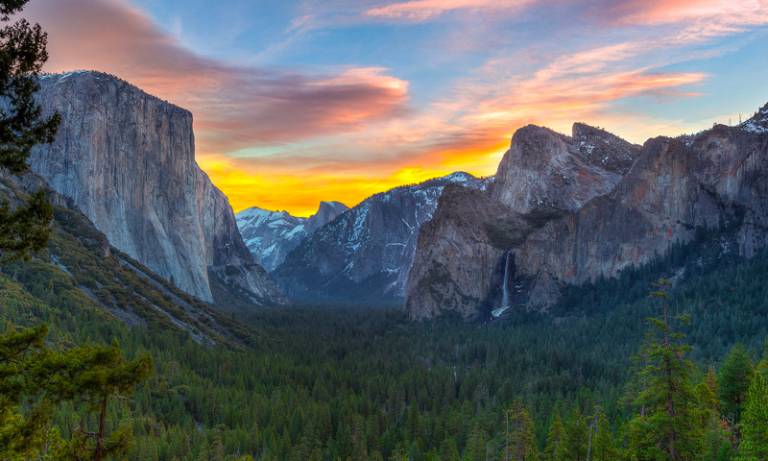
America’s national parks get the headlines, but some of the country’s strangest and most beautiful landscapes are protected as state parks. Red sandstone that seems to burn at sunset, stone spires named after a color film, a cypress swamp draped in Spanish moss, a river gorge with three great waterfalls, a volcanic field where you can dig for diamonds and keep what you find: these places are often less crowded than the big national parks, easier to fit into a long weekend, and close to cities with good flight connections. This guide profiles the state parks that stand out as genuinely unique, from the four in the original version of this article to seven more that deserve a place on the list. For each one, you will find what makes it special, when to go, how to get there and what to know before you set off, followed by advice on fees, reservations, safety and building a fly-and-drive trip around them.
The short answer
If you want desert color, start with Valley of Fire in Nevada, an hour from Las Vegas, and the Utah trio of Kodachrome Basin, Goblin Valley and Dead Horse Point. For water and forest, go to Letchworth in New York for its waterfalls and Caddo Lake in Texas for its cypress bayous. For wildlife, Custer State Park in South Dakota has free-roaming bison. For something completely different, dig for diamonds at Crater of Diamonds in Arkansas. Visit desert parks from fall to spring, not in midsummer; check each park’s official site for closures and reservations before you go; and plan to fly into a nearby city and rent a car, since almost none of these parks can be reached by public transport. Compare fares on our flight search and rental rates on our car rental search.
State parks versus national parks
State parks are run by individual states rather than the federal government, and that affects how you plan a visit.
- Fees and passes are set by each state. A federal national parks pass does not cover state parks. Most charge a day-use fee per vehicle or per person, and some charge more for vehicles registered out of state. If you plan several visits in one state, check whether a state annual pass is available.
- Reservations work differently. Campgrounds and cabins are booked through each state’s own reservation system, and popular parks fill up months ahead for weekends and holidays. Some parks also limit day-use entry at busy times.
- They are often less crowded. Many state parks see far fewer visitors than nearby national parks, especially midweek, although the most famous ones can still be busy on weekends and holidays.
- They pair well with national parks. Several of the parks below sit close to famous national parks, which makes them easy to add to a road trip.
America’s most unique state parks
1. Valley of Fire State Park, Nevada
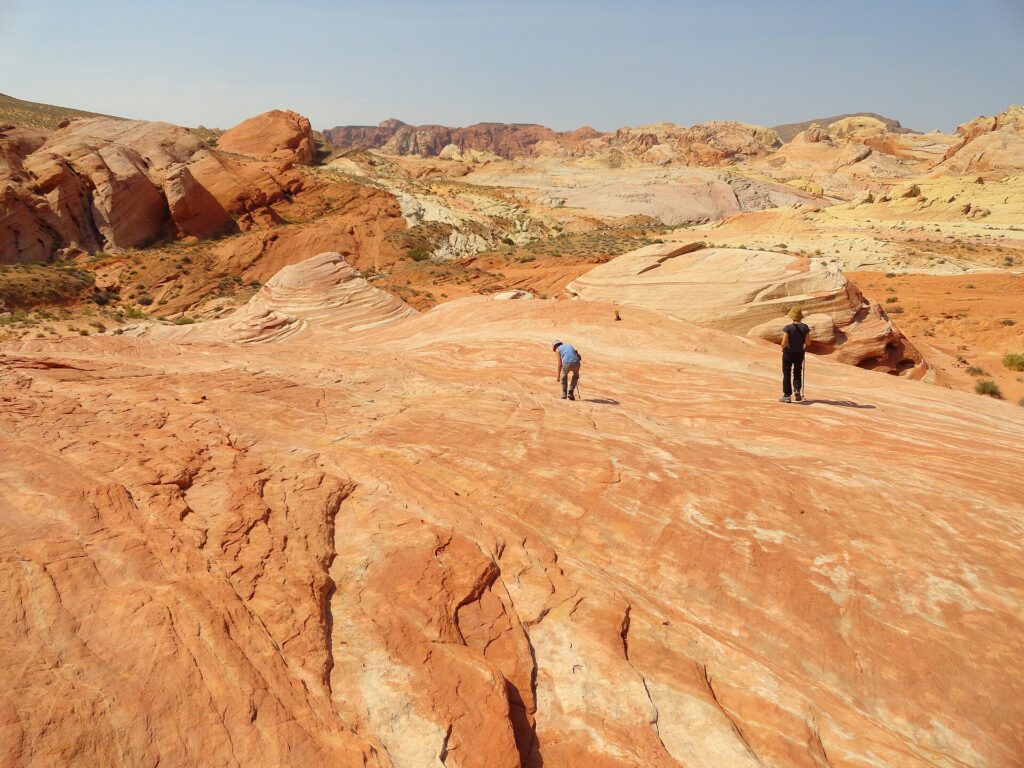
Valley of Fire earned its name from the red sandstone that seems to glow at sunrise and sunset. The park covers some 40,000 acres of bright red Aztec sandstone set among gray and tan limestone, with petrified trees and petroglyphs more than 2,000 years old. It is Nevada’s oldest state park and one of its most visited.
- Don’t miss: the swirling stripes of the Fire Wave, the pastel rocks of the White Domes, the petroglyphs at Atlatl Rock and along the Mouse’s Tank trail, and Elephant Rock near the east entrance.
- When to go: fall through spring. Summer temperatures are extreme, and some trails close during the hottest months for safety. The park also closes completely for maintenance for the first two weeks of December each year.
- Getting there: about an hour’s drive northeast of Las Vegas, which makes it an easy day trip. Fly into Harry Reid International Airport, compare flights to Las Vegas, and pick up a rental car in Las Vegas.
Hours, fees, closures and trail information are on the official Valley of Fire page from Nevada State Parks. Our guides on whether you need a rental car in Las Vegas and things to do in Las Vegas help you build a trip that combines the Strip with the desert.
2. Kodachrome Basin State Park, Utah
The color and beauty of this basin in southern Utah led a National Geographic Society expedition to name it after Kodachrome color film in 1948. Its signature features are 67 monolithic stone spires called sedimentary pipes, rising from multi-hued sandstone layers that reveal around 180 million years of geologic history.
- Don’t miss: the easy nature trail, the Panorama Trail for a longer loop past the spires, and the colors at sunrise and sunset.
- When to go: spring and fall are ideal. Summers are hot, and winters can bring snow and cold nights at this elevation.
- Stay: the park has campgrounds and cabins, which are popular, so reserve early.
- Combine it: it sits a short drive from Bryce Canyon National Park, so many visitors pair the two, and it fits naturally into a southern Utah loop from Las Vegas or Salt Lake City.
See the official Kodachrome Basin page from Utah State Parks for camping and trail details.
3. Goblin Valley State Park, Utah
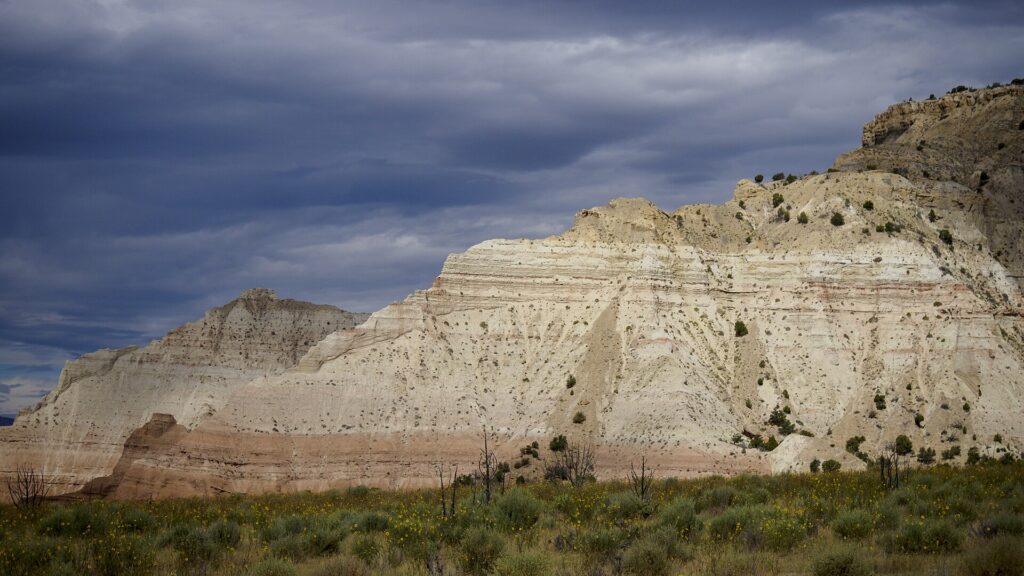
Goblin Valley looks like another planet. Thousands of mushroom-shaped rock formations, known as hoodoos or goblins, crowd a valley in the desert of east-central Utah, and unlike many parks, visitors are free to wander among them off trail. The park is also known for its dark night skies, making it a great place to stargaze.
- When to go: spring and fall. Summer days are very hot, and there is little shade.
- Combine it: it sits between Capitol Reef National Park and the Moab area, so it slots easily into a longer Utah road trip.
4. Dead Horse Point State Park, Utah
Dead Horse Point is famous for one view: a sheer overlook high above a dramatic gooseneck bend in the Colorado River, with the canyons of Canyonlands stretching away beyond. It is close to Moab and to both Arches and Canyonlands national parks, and it is popular for sunrise, sunset and stargazing.
- Tip: stay after dark if you can. The skies around Moab are famously dark, and the park is a popular stargazing spot.
- Getting there: fly into Salt Lake City and drive south, or fly into Las Vegas for a loop that takes in Valley of Fire, Kodachrome Basin and Goblin Valley. Compare flights to Salt Lake City and car rentals in Salt Lake City, and see our guide to things to do in Salt Lake City for the city end of the trip.
5. Caddo Lake State Park, Texas
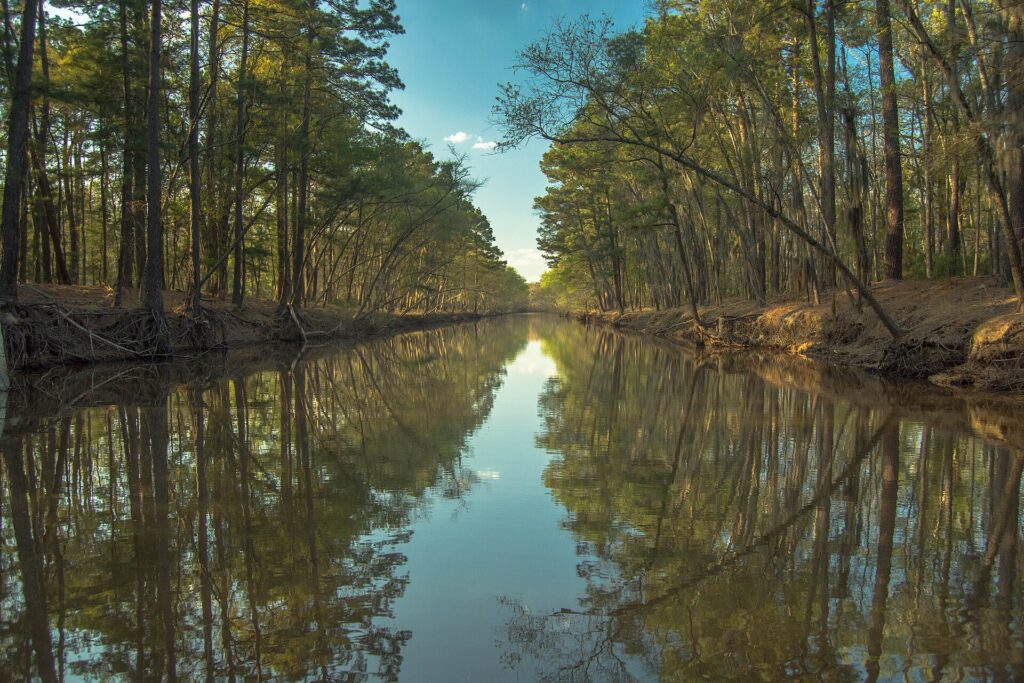
The original list described Caddo Lake as a labyrinth of waterways and swamps, and that still captures it. Towering bald cypress trees draped with Spanish moss rise out of Big Cypress Bayou, and paddling the channels feels closer to the Louisiana bayou country next door than to the Texas of most people’s imagination. The fishing is excellent, with more than 70 species recorded.
- Don’t miss: a canoe or kayak trip along the paddling trails, a guided boat tour from one of the nearby marinas, and a night in one of the historic cabins built by the Civilian Conservation Corps more than 80 years ago.
- When to go: spring and fall are the most comfortable. Summer is hot and humid, and the mosquitoes are out in force.
- Getting there: the park is in East Texas, close to the Louisiana line, a few hours’ drive east of Dallas. Compare flights to Dallas and a rental car in Dallas; our guide on whether to rent a car or use transit in Dallas explains the options.
Reservations, alerts and paddling maps are on the official Caddo Lake State Park page from Texas Parks and Wildlife.
6. Palo Duro Canyon State Park, Texas
Texas Parks and Wildlife describes Palo Duro Canyon as the second largest canyon in the country. It cuts through the flat Texas Panhandle in layers of red, orange and white rock, and it is a surprise to anyone who expects nothing but plains.
- Don’t miss: the hike to the Lighthouse, the canyon’s best-known rock formation; the scenic drive to the canyon floor; and, in summer, the outdoor musical performances held in the canyon amphitheater.
- When to go: spring and fall. Summer is very hot on the canyon floor, so hike early and carry plenty of water.
- Getting there: the park is near Amarillo, which is reached by domestic flights or a long drive from Dallas.
Visit the official Palo Duro Canyon State Park page for trail conditions and reservations.
7. Letchworth State Park, New York
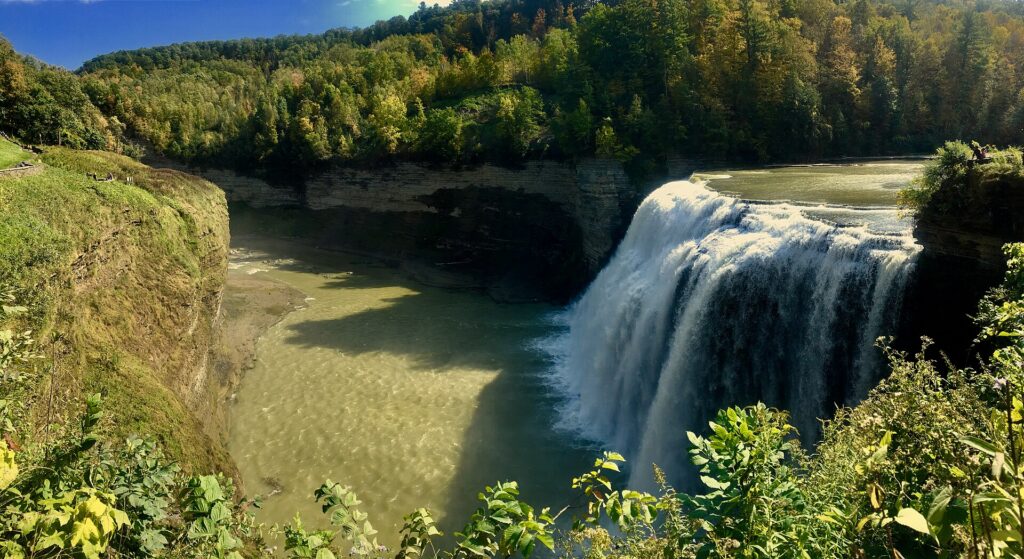
Known as the “Grand Canyon of the East”, Letchworth is one of the most scenic places in the eastern United States. The Genesee River roars through a gorge over three major waterfalls, between cliffs as high as 600 feet in some places, surrounded by forest. There are 66 miles of hiking trails, as well as routes for horseback riding, biking and winter sports.
- Don’t miss: the Upper, Middle and Lower Falls, the Gorge Trail along the rim, and the views from the park’s many overlooks.
- When to go: summer for long days and full facilities; October for spectacular fall color, which makes it one of the park’s busiest times. Campgrounds and cabins operate seasonally and are booked through the state’s reservation system.
- Getting there: the park is in western New York, within easy driving distance of Rochester and Buffalo, and it makes a good road trip from Toronto via one of the Niagara crossings; bring your passport and check border requirements. Compare car rentals in Toronto and confirm that your rental company allows cross-border travel.
Opening dates and camping information are on the official Letchworth State Park page from New York State Parks. If you would rather combine New York’s outdoors with the city, our guide to New York on a budget covers the other end of the state.
8. Custer State Park, South Dakota
Custer State Park, in the Black Hills, is one of the best places in the country to see bison roaming free. Its Wildlife Loop Road passes through grasslands where you may also see pronghorn, elk, deer and the park’s famous begging burros, and its winding scenic roads squeeze between granite spires and through narrow tunnels.
- Safety: the animals are used to cars, but they are wild. Stay in your vehicle or keep at least 100 yards from bison and elk, as the park advises.
- When to go: late spring to early fall. The park’s annual bison roundup in the fall is a major event.
- Combine it: Mount Rushmore, Wind Cave National Park and Badlands National Park are all within reach, making the Black Hills a great road-trip region.
See the official Custer State Park page from South Dakota Game, Fish and Parks for lodging, campgrounds and visitor centers.
9. Anza-Borrego Desert State Park, California
Anza-Borrego is the largest state park in California, a vast desert of badlands, palm oases and canyons with hundreds of miles of dirt roads and twelve wilderness areas. In a good year, spring rains trigger spectacular wildflower displays, and patient visitors may spot bighorn sheep.
- Don’t miss: the visitor center near Borrego Springs, the badlands views from Font’s Point, and the giant metal sculptures scattered around Borrego Springs.
- When to go: late fall through spring. Wildflower season depends entirely on winter rainfall, so check the park’s updates. Summers are dangerously hot.
- Check before you go: some trails can be closed after fire or flood damage; the park’s page lists current closures.
- Getting there: a scenic drive inland from San Diego. Compare flights to San Diego and car rentals in San Diego, and see our guide to things to do in San Diego.
The official Anza-Borrego Desert State Park page from California State Parks has closures, campground information and seasonal updates.
10. Crater of Diamonds State Park, Arkansas
This is the only place in the world where the public can search for natural diamonds in their original volcanic source. Visitors search a 37-acre plowed field on the eroded surface of an ancient volcanic crater, and any rock, mineral or gem you find is yours to keep. The largest diamond ever unearthed in the United States, the 40.23-carat Uncle Sam, was found here before it became a state park.
- How it works: bring your own hand tools or rent them at the park. Battery-operated and motorized tools are not allowed.
- Tips: searching after rain can make diamonds easier to spot on the surface, and the park staff can help identify finds.
- When to go: spring and fall are most comfortable; summer in the open field is hot.
The official Crater of Diamonds page from Arkansas State Parks explains the rules and has tips for first-time searchers.
11. Starved Rock State Park, Illinois
Starved Rock surprises visitors who think of Illinois as flat. Sandstone canyons carved by glacial meltwater cut into the bluffs along the Illinois River, and after spring rains or snowmelt, waterfalls pour into many of them. In winter, eagles gather along the river.
- When to go: spring for waterfalls, fall for color, winter for eagles and frozen falls. Summer weekends are busy.
- Getting there: a comfortable day trip from Chicago by car. Compare flights to Chicago and car rentals in Chicago, and see our guide to things to do in Chicago.
At a glance
| Park | State | Why it is unique | Best season | Nearest major airport |
|---|---|---|---|---|
| Valley of Fire | Nevada | Red sandstone, petroglyphs | October to April | Las Vegas |
| Kodachrome Basin | Utah | Sedimentary pipes, color | Spring and fall | Las Vegas or Salt Lake City |
| Goblin Valley | Utah | Thousands of hoodoos, dark skies | Spring and fall | Salt Lake City |
| Dead Horse Point | Utah | Colorado River gooseneck overlook | Spring and fall | Salt Lake City |
| Caddo Lake | Texas | Cypress bayou paddling | Spring and fall | Dallas |
| Palo Duro Canyon | Texas | Second largest canyon in the country | Spring and fall | Amarillo or Dallas |
| Letchworth | New York | Gorge with three major waterfalls | Summer and October | Buffalo, Rochester or Toronto |
| Custer | South Dakota | Free-roaming bison | Late spring to early fall | Rapid City |
| Anza-Borrego | California | Desert wilderness, wildflowers | Late fall to spring | San Diego |
| Crater of Diamonds | Arkansas | Dig for diamonds and keep them | Spring and fall | Little Rock |
| Starved Rock | Illinois | Canyons and seasonal waterfalls | Spring, fall and winter | Chicago |
Road trips that link several parks
The Southwest loop
Fly into Las Vegas and spend a day at Valley of Fire. Continue into southern Utah for Kodachrome Basin and Bryce Canyon, then head north and east through Capitol Reef to Goblin Valley and on to Moab for Dead Horse Point, Arches and Canyonlands. Finish in Salt Lake City and fly home from there. A one-way rental usually costs more than a round trip, so compare it with looping back to Las Vegas; our guide to car rental return timing explains how pickup and drop-off times affect the price.
Texas two ways
From Dallas, Caddo Lake makes a relaxed weekend of paddling and cabin life in East Texas. Palo Duro Canyon is a separate trip to the Panhandle, best combined with a stay in Amarillo.
Great Lakes and New York
Letchworth pairs naturally with Niagara Falls and the Finger Lakes wine region, and it is an easy drive from Toronto, Buffalo or Rochester. Starved Rock is a separate day trip from Chicago.
The Black Hills
Fly into Rapid City and spend three or four days combining Custer State Park with Mount Rushmore, Wind Cave and the Badlands.
Planning your trip
Flights
These parks are spread across the country, so start by finding the nearest major airport with good fares from your home city. Our guide to cheap domestic flights in the USA explains how to find them, and our guide to the best time to book cheap flights and hotels covers timing. Canadian travelers should compare flights from Toronto and other gateways into Las Vegas, Salt Lake City, Dallas, San Diego or Chicago.
Rental cars
A car is essential for almost every park on this list. Reserve early for peak seasons, check mileage limits for long road trips, and choose a vehicle suited to the roads; most park roads are paved, but some scenic drives and backcountry routes are gravel or dirt and may be off limits under your rental agreement. Our rental car booking tips cover insurance and fees, and our guide to car rentals for family vacations helps if you are traveling with children.
Where to stay
State park campgrounds and cabins are the most atmospheric option and often the best value, but they book up quickly. Reserve through each state’s official system as soon as your dates are set. Otherwise, stay in the nearest gateway town or city; in Las Vegas, for example, rooms on the Strip are often much cheaper midweek than at weekends, which suits a desert day trip. Compare options on our hotel search.
Fees, reservations and passes
Every state sets its own fees, and some charge more for out-of-state vehicles. Check the official park page for current day-use fees, hours and any timed-entry or reservation system before you drive out, and consider a state annual pass if you plan several visits. Parks are one of the best-value trips there is, and our guide on how to save money for a trip shows how to fund the flights and car.
Safety and park etiquette
- Respect the heat. Desert parks can be dangerously hot from late spring to early fall. Hike early, carry more water than you think you need, and turn back if you feel unwell. Some parks close trails in summer for this reason.
- Keep your distance from wildlife. Bison, elk and other large animals can injure people who get too close. Follow each park’s distance guidance.
- Stay on marked trails where required and leave rocks, plants and artifacts where you find them, except at Crater of Diamonds, where keeping your finds is the point.
- Never touch petroglyphs. Oils from skin damage them, and defacing them is illegal.
- Check conditions before you go. Flash floods, fire damage, maintenance closures and seasonal road closures all happen. The official park page is the most reliable source.
- Leave no trace. Pack out all trash, respect quiet hours in campgrounds and keep pets leashed where they are allowed.
What to pack
Bring sturdy walking shoes or hiking boots, a sun hat, sunscreen and sunglasses, layers for cool desert mornings and evenings, a refillable water bottle or hydration pack, snacks, a headlamp for stargazing, and a paper map, since cell coverage is patchy in many parks. A comfortable daypack makes a big difference on longer hikes; our guide to the best hiking backpacks can help you choose one. For paddling at Caddo Lake, add insect repellent and quick-drying clothes; for Crater of Diamonds, a bucket, a small trowel and a change of shoes.
Common mistakes to avoid
- Visiting desert parks in midsummer without planning for extreme heat.
- Assuming a national parks pass covers state parks. It does not.
- Arriving without a reservation for popular campgrounds and cabins on holiday weekends.
- Underestimating distances. Parks that look close on a map can be hours apart, especially in Utah and Texas.
- Not checking closures. Valley of Fire, for example, closes for two weeks every December, and trails anywhere can close after storms or fires.
- Relying on your phone for navigation. Download offline maps before you lose signal.
Frequently asked questions
What is the most unique state park in the US?
It depends on what you are looking for, but Crater of Diamonds stands out because it is the only place in the world where the public can dig for diamonds in their original volcanic source. For scenery, Valley of Fire, Kodachrome Basin and Goblin Valley are hard to beat.
Do I need a reservation to visit a state park?
For day visits, usually not, though some popular parks limit entry at busy times. Campgrounds and cabins almost always need reservations, often months ahead for weekends and holidays. Check the official park page before you go.
Does the America the Beautiful pass work at state parks?
No. That pass covers federal lands such as national parks. State parks set their own fees, and many states sell their own annual passes.
When is the best time to visit desert state parks?
Fall through spring. Summer temperatures in parks like Valley of Fire, Anza-Borrego and Goblin Valley can be dangerous, and some trails close in the hottest months.
Can I visit these parks without a car?
Generally not. A few offer guided tours from nearby cities, such as Valley of Fire from Las Vegas, but a rental car gives you far more flexibility.
Which state park is best for families?
Crater of Diamonds is a hit with children, Custer State Park’s wildlife is thrilling for all ages, and Starved Rock and Letchworth have plenty of shorter trails and overlooks.
Can Canadians easily visit these parks?
Yes. Letchworth and Starved Rock are within reach of the Great Lakes region, and the western parks are an easy fly-and-drive trip via Las Vegas, Salt Lake City or San Diego. Carry your passport and check US entry requirements before you travel.
Ready to explore? Find flights to the nearest gateway city on our flight search, book a rental car for the drive, and compare rooms near the park on our hotel search. For more ways to travel well without overspending, read our guide to budget travel destinations, and for a very different kind of escape, see our relaxing vacations for doing absolutely nothing or our guide to the best cities for Christmas in the USA.
Keep planning with TicketScanner
- Budget travel destinations: the best-value picks
- How to save money for a trip
- Seven relaxing vacations for doing absolutely nothing
- Best cities for Christmas in the USA
- New York on a budget
- Plan a honeymoon in the Cayman Islands
- Compare rental cars — almost every park on this list needs a car
- Cheap flights to Las Vegas
- Las Vegas: do you need a rental car?
- Things to do in Salt Lake City