A rental car can be the best money you spend on a trip or the most frustrating line item on your credit card statement, and the difference is rarely luck. It comes down to a handful of decisions made before you ever reach the counter: whether you need a car at all, which class to book, when and where to pick it up, how the insurance and fuel rules work, and what you agree to when you sign. This guide walks through every one of those decisions in the order you will face them, explains what the jargon on the rental agreement actually means, and flags the mistakes that cost travelers the most. It is written for North American travelers renting at home or abroad, whether you are picking up a compact for a weekend in Chicago, a minivan in Orlando or a manual hatchback in Rome.
If you already know you need a car, you can compare rates from the major companies side by side on our car rental search. If you are still deciding, start with the first section.
The short version
If you read nothing else, these are the habits that save the most money and trouble:
- Decide whether you need a car for the whole trip. Many city trips need a car for one or two days, not seven.
- Book early on a free-cancellation rate, then keep checking. If the price drops, rebook and cancel the original.
- Compare the total price, not the daily rate. Taxes, airport fees and add-ons can change the ranking completely.
- Know your insurance before you arrive. Call your auto insurer and your card issuer, and write down exactly what each covers.
- Choose full-to-full fuel and refill close to the return location.
- Photograph and video the car at pickup and at return, including the fuel gauge and odometer.
- Return on time. Rental days are usually counted in 24-hour blocks from pickup, and a short delay can cost a full day.
Step 1: Decide whether you need a car, and for how long
The cheapest rental is the one you do not take. In dense cities with good transit, such as New York, London, Paris, Toronto or Montreal, a car is often a liability: parking is scarce and expensive, hotels charge nightly for it, and traffic eats the time you saved. In spread-out places such as Los Angeles, Phoenix, Orlando, Dallas or Calgary, or anywhere your plans include national parks, small towns or a coastline, a car is often the only practical way to get around.
The smartest answer is frequently a split: go without a car for the city days, then rent for the day trips or the road-trip leg. Neighborhood branches often open later and close earlier than airport counters, but their rates can be lower and they save you paying for a car that sits in a hotel garage. Our guide to renting a car versus public transport versus taxis works through the decision in detail, and our city guides answer it for specific places, for example New York, Los Angeles and Las Vegas.
Step 2: Choose the right car class
Rental companies sell car classes, not specific models. The listing will show one model with the words “or similar”, and you are guaranteed the class, not the car in the picture. Book the smallest class that genuinely fits your people and your luggage; bigger cars cost more per day, burn more fuel and are harder to park in old city centers. But do not squeeze four adults and four suitcases into a compact to save a little, because you will pay for it in comfort on every drive.
| Class | Realistic fit | Best for | Watch out for |
|---|---|---|---|
| Economy / compact | Two adults, two carry-ons and one checked bag | City driving, tight parking, short trips | Small trunk; can feel underpowered on mountain roads or highways |
| Intermediate / standard sedan | Two to four adults, two large bags | Most couples and small families | Rear seats get tight for three adults on long drives |
| Full-size sedan | Four adults, three or four bags | Long highway drives, business travel | Parking in older European and downtown garages |
| Compact or midsize SUV | Four people, luggage plus a stroller | Families, winter trips, gravel roads | Higher fuel use; “SUV” does not always mean all-wheel drive |
| Full-size or three-row SUV | Five to seven people with limited luggage when all rows are up | Larger families, ski trips | Luggage space disappears with the third row in use |
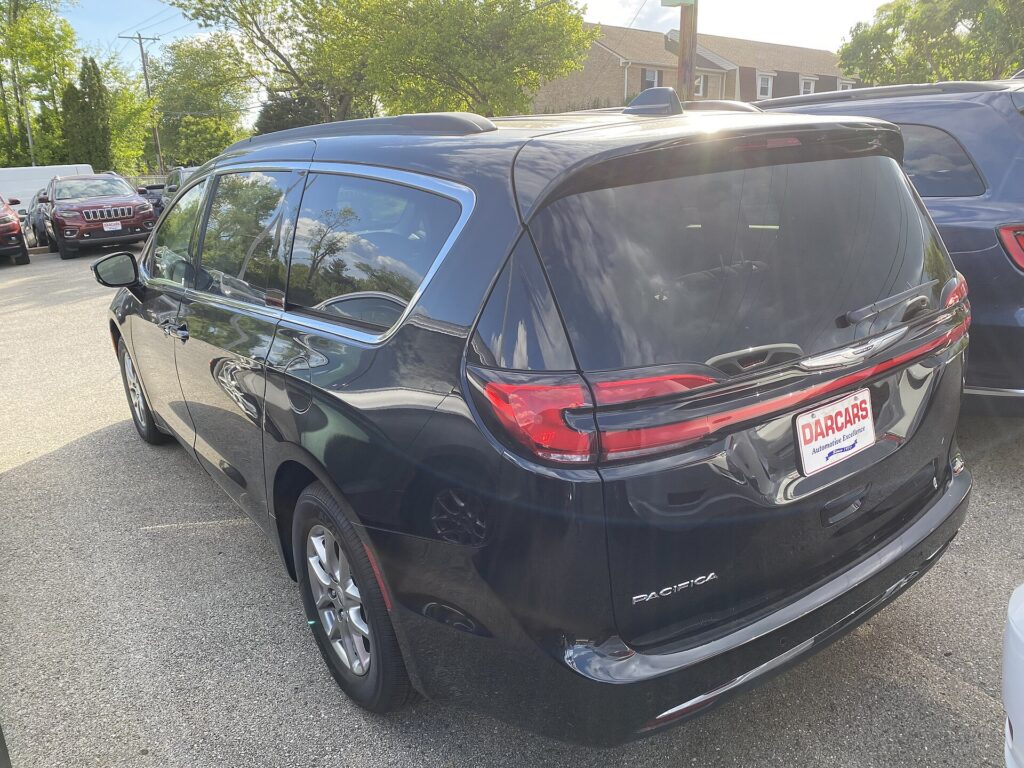
| Minivan | Seven or eight people, or five with plenty of luggage | Families with car seats, groups | Limited supply at peak times; book early |
| Premium / luxury | As a sedan, with more comfort and features | Business travel, special occasions | Often excluded from credit card rental coverage |
Two class details trip travelers up regularly. First, if you need all-wheel or four-wheel drive, for a ski trip or a mountain road in winter, check whether the class guarantees it; many listings do not. Second, if you are renting in Europe, Latin America or much of Asia, the default is often a manual transmission. If you cannot drive stick confidently, filter for automatic and book early, because automatics are the smaller part of many fleets outside North America.

Step 3: When to book
Car rental prices move with supply and demand, and unlike airline seats, the fleet at a given location is fixed in the short term. When every car on the lot is spoken for, prices climb sharply and the minivans and SUVs go first. The periods that reliably tighten supply are summer, the Christmas and New Year weeks, spring break and school holidays, long weekends, and big local events such as a major conference, a championship game or a festival.
The practical strategy is simple:
- Book as soon as your dates are firm, on a “pay later” or free-cancellation rate. For peak periods and larger vehicles, that means weeks or months ahead.
- Check the price again a few weeks out and a few days out. Rental rates do fall as well as rise, especially when a location has more cars than expected.
- If it drops, book the cheaper rate first, then cancel the original. Never cancel first; the lower price may disappear.
Prepaid rates can be cheaper, but they usually carry cancellation fees or no refund at all, and some companies do not refund unused days if you return early. Use them only when your plans cannot change. It also pays to test slightly different pickup and return times: because rentals are priced in 24-hour periods, and weekly rates sometimes undercut five or six daily rates, a small shift can change the price noticeably.
Step 4: Airport or neighborhood pickup?
Airport locations are the most convenient and usually the most expensive. Many airports allow rental companies to pass on concession fees and facility charges, which appear on your bill as separate line items, and some add a customer facility charge that pays for a consolidated rental car center. Off-airport and neighborhood branches avoid some of those charges, but they add a shuttle ride or a taxi, and their opening hours are shorter; an office that closes at 6 pm on Saturday and reopens Monday is not much use for a Sunday afternoon return.
A few rules of thumb:
- Arriving late at night, with kids or with lots of luggage: pay for the airport location.
- Spending the first days in a transit-friendly city: take the train or a taxi to your hotel and rent from a neighborhood branch on the day you leave town.
- Flying in with a flight that might be delayed: add your flight number to the reservation, so the counter knows to hold the car rather than marking you a no-show.
Our airport guides, such as Toronto Pearson, LAX and Denver International, explain where the rental counters are and how to reach them.

Step 5: Read the whole price
The daily rate in large type is the start of the price, not the end. Before you compare two offers, open the full breakdown and look for:
- Taxes and airport fees, which vary widely by city and state or province.
- Young driver surcharges, typically for drivers under 25.
- Additional driver fees, charged per day at many companies.
- One-way or drop fees if you return to a different location.
- Equipment: child seats, GPS, ski racks, snow chains, each usually charged per day, often with a cap per rental.
- Mileage limits, rare on North American leisure rentals but common on some specialty vehicles and international rentals.
- Toll programs and their daily service fees.
- Coverage products you may or may not need, covered in the next step.
A rate that looks cheaper per day can end up costing more once these are added. Compare like for like: the same class, the same pickup and return times, the same drivers, the same coverage.
Step 6: Understand rental car insurance
Insurance is where most counter arguments happen and where most travelers either overpay or leave themselves exposed. There are four products you are likely to be offered, under slightly different names depending on the company and country.
Collision damage waiver (CDW) or loss damage waiver (LDW)
Strictly speaking, not insurance but a waiver: if you buy it, the company agrees not to charge you for damage to, or theft of, its car, subject to exclusions. Without it, you are responsible for the car’s damage, and sometimes also for “loss of use” while it is being repaired and for administrative fees. In Europe and many other regions a basic waiver is often included in the price but comes with a high deductible (called an “excess”), and the counter will offer a second product to reduce that deductible.
Liability coverage
Liability covers damage you cause to other people and their property. Rules differ sharply by country, state and province: some rentals include a legal minimum, some include very little, and in some countries, Mexico being the best-known example for North Americans, locally issued liability insurance is mandatory and your home policy is not accepted. Rental companies sell supplemental liability to top up the minimum.
Personal accident and personal effects coverage
These cover medical costs for you and your passengers and theft of belongings from the car. Many travelers already have this through health insurance, travel insurance or a home or renter’s policy.
Where you may already be covered
- Your own auto policy. In the US and Canada, many personal policies extend some coverage to rental cars for personal use, but often only within your home country, and not always collision.
- Your credit card. Many cards include a rental collision benefit if you pay for the whole rental with that card and decline the company’s waiver. Some are primary, some are secondary to your own policy, and most have exclusions: certain countries, luxury and exotic cars, large vans and trucks, and rentals longer than a set number of days. Liability is almost never included.
- Travel insurance. Some policies include rental car damage coverage as an option.
Do this before the trip, not at the counter: call your insurer and your card issuer, ask exactly what is covered, in which countries, for which vehicle types and for how long, and ask them to send the benefit terms in writing. Then decide which of the counter products you actually need. Declining coverage you do not have is the expensive mistake; buying coverage you already have is the common one.
Step 7: Drivers, age, license and payment
- Minimum age. At most major companies in the US and Canada, the minimum is 21 (sometimes 20), with a daily surcharge for drivers under 25 and restrictions on premium classes. A few US states require companies to rent to younger drivers, with fees. Outside North America the rules vary, and some countries also have upper age limits or extra requirements for older drivers.
- Additional drivers. Anyone who will drive must be on the agreement, present at pickup with a valid license. Some companies, and some jurisdictions, waive the fee for a spouse or domestic partner; ask. An unlisted driver in an accident can void your coverage.
- Credit versus debit. Nearly every company prefers a credit card in the main driver’s name and places a hold for the estimated total plus a deposit. Debit cards are accepted at some locations with extra conditions, such as proof of a return flight or a credit check, and the hold ties up real money in your account for days after the return.
- Your license. Bring the physical card. A digital license is not accepted everywhere, and an expired or temporary paper license can be refused.
- International Driving Permit. An IDP is a translation of your license recognized under international conventions. Some countries require it, others recommend it, and rental companies sometimes ask for it even where the law does not. Canadians get one from CAA, as explained on the Government of Canada’s IDP page; Americans get one from the issuers listed by the US State Department. Get it before you leave; it cannot be issued abroad.
Step 8: Fuel policies and electric cars
| Policy | How it works | When it makes sense |
|---|---|---|
| Full-to-full | Pick up full, return full; you pay only for fuel you use, at pump prices | Almost always the best value |
| Prepaid fuel (full-to-empty) | Pay for a full tank at pickup, return at any level, no refund for fuel left | Only if you will genuinely return near empty and have no time to refuel |
| Refuel on return | Return below full and the company refills it at its own per-unit rate plus a service fee | Rarely; this is usually the most expensive way to buy fuel |
| Same-to-same | Return at the level you received it | Fine, but photograph the gauge at pickup |
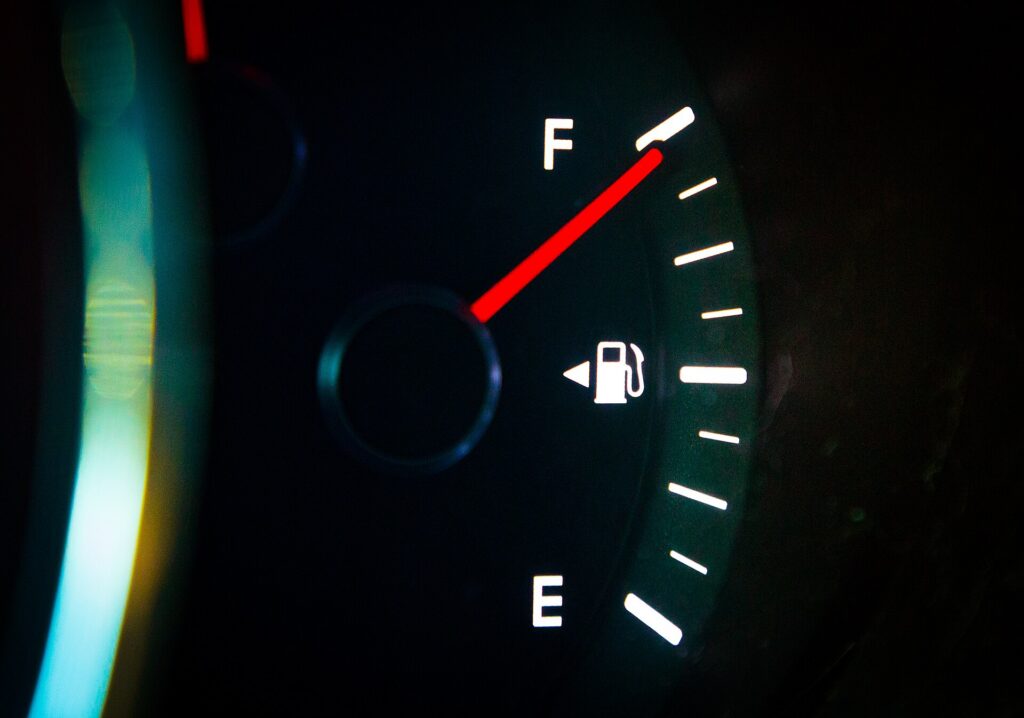
Fill up within a few miles of the return location and keep the receipt; some companies ask for it if the gauge reads just below full. If you rent an electric vehicle, ask about the return charge requirement (many companies set a minimum percentage), where the nearest fast chargers are, which charging networks work with the car, and whether charging cables are included. EVs are excellent in cities with good charging and less relaxing on long rural drives where chargers are sparse. The US Department of Energy’s Alternative Fuels Data Center has a station locator that is useful for planning.
Step 9: Mileage, one-way trips and borders
Most leisure rentals in the US and Canada include unlimited mileage, but check, especially for specialty vehicles, local-renter rates and some international rentals. If you plan to drop the car somewhere else, price the one-way fee early; it can be large, but some popular routes are cheap in one direction when companies need to rebalance fleets. Our drive guides, such as Toronto to Montreal and Los Angeles to Las Vegas, are a good place to compare.
Crossing a border needs to be declared at booking. Driving between the US and Canada is routine with the major companies, though some restrict certain vehicle classes; taking a US rental into Mexico, or driving between some European countries, can be restricted or require extra coverage and fees. Ask at booking and make sure the permission is written on the agreement.
Step 10: Tolls
Toll roads have increasingly gone cashless, charging by transponder or by photographing the license plate. Rental companies handle this through their own toll programs, which typically add a daily service fee on top of the tolls, sometimes for every day of the rental rather than only the days you use a toll road. Your options are to accept the program, use your own transponder where it is compatible and allowed, pay the toll operator directly online where that is possible, or plan routes that avoid tolls. Highway 407 ETR north of Toronto, for example, is fully electronic, and its operator’s site explains how unregistered vehicles are billed. Ask at the counter how tolls will be charged and read the program terms before you drive off.
At the counter: handling the upsell
Counter staff are often paid partly on what they sell, so expect offers of an upgrade, prepaid fuel, coverage and a toll package. None of that is a scam; some of it is useful. But decide in advance. A calm “no thank you, I have coverage through my card and my policy” is enough. Before you sign, check that the agreement matches your reservation: the class, the total estimate, the return date and time, the fuel policy, the drivers, and that nothing you declined has been added. If the class you booked is not available, the usual practice is a free upgrade to a larger class, not a paid one; ask for it.
Loyalty programs are free to join at most companies and are worth it even if you rent once a year: members at many large airports skip the counter and go straight to the car, which saves time and removes the sales pitch entirely.
Inspect the car before you leave the lot
- Walk around the car with your phone recording video. Get every panel, the bumpers, the wheels and the windshield, then close-ups of anything scratched, dented or chipped.
- Photograph the dashboard showing the fuel level, the odometer and any warning lights.
- Check the interior for stains, burns, damage and smells, and confirm the spare tire or inflation kit is present.
- Test the basics: lights, wipers, air conditioning, mirrors, seat adjustment and any child seat you rented.
- Get damage noted. Make sure anything you find is recorded on the checkout sheet or in the app, and ask an agent to initial it if possible.
It is also worth entering the license plate or VIN into the recall lookup on the NHTSA recalls page if you are renting in the US; it takes a minute.
While you have the car
- Breakdowns: the roadside assistance number is usually on the key tag, the windshield sticker or the agreement. Call it before you call a tow truck yourself, or you may not be reimbursed.
- Accidents: make sure everyone is safe, call the police if required locally, photograph everything, exchange details, and notify the rental company as soon as you can. Do not sign anything admitting fault.
- Parking tickets and traffic cameras: fines follow the car. The company pays the authority, bills your card and usually adds an administrative fee, sometimes months later.
- Changing plans: if you need the car longer, call and extend before your return time rather than just keeping it; the rate can be very different.
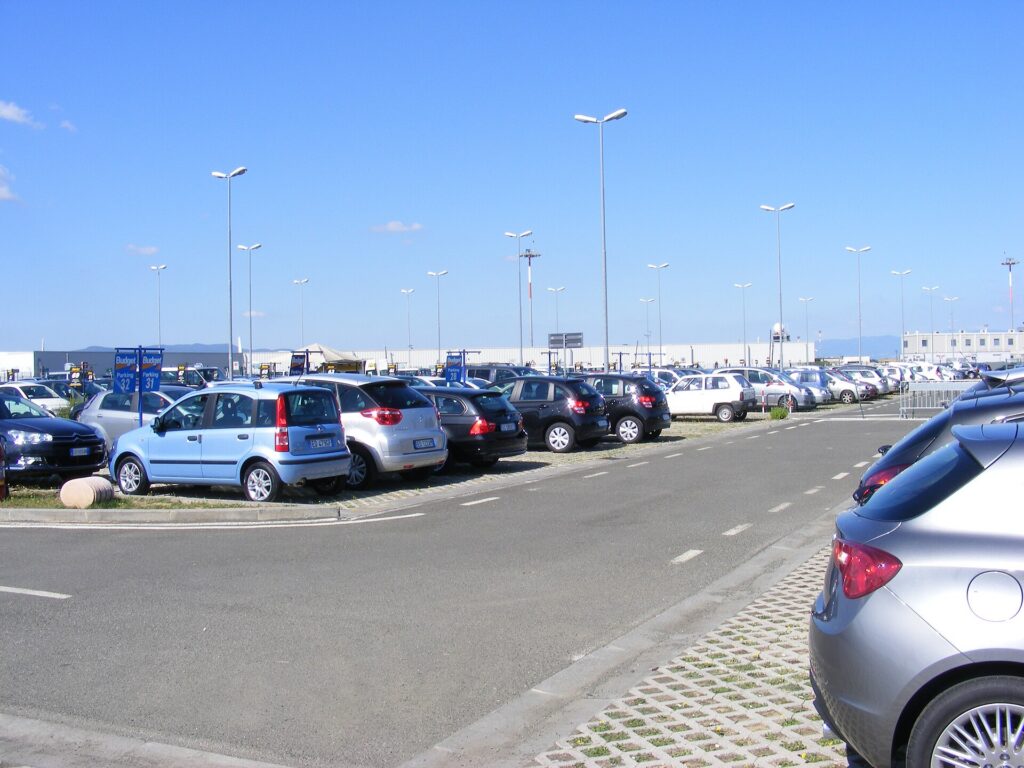
Returning the car
Return timing matters more than most travelers expect. Rental days are usually counted in 24-hour blocks from pickup, grace periods are short, and being a few hours late can add a full day at a higher rate. Returning early is not always cheaper either, because rates may be recalculated. Allow extra time at airports, where the return garage can be a shuttle ride from the terminal, refill nearby, and do another video walkaround and dashboard photo. If you drop after hours, you normally remain responsible for the car until staff check it in, so your photos matter even more. Our guide to car rental return timing covers grace periods, late fees, early returns and after-hours drop-offs in detail. Check your final receipt before you leave and your card statement for the following weeks.
Renting with kids
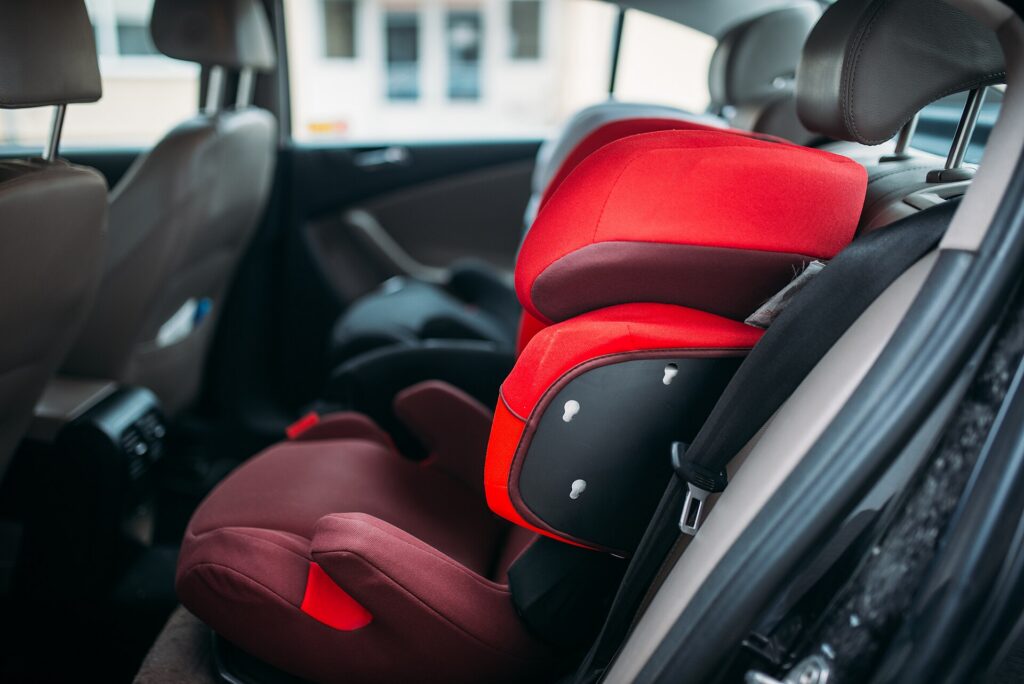
Families have extra choices to make: vehicle size once car seats go in, whether to rent seats or bring your own, and which companies make pickup easiest with tired children. Child seats rented at the counter are charged per day, availability is not guaranteed unless reserved, and staff are generally not permitted to install them for you. Car seat laws vary by state, province and country; Transport Canada’s child car seat safety page is a good starting point for the principles. Our guide to the best car rental services for family vacations covers all of this, including seat math for three-across rows.
Renting abroad
- Check the license rules for each country, including whether you need an IDP.
- Learn the road basics: which side of the road, how roundabouts work, speed units, and local rules such as low-emission zones and restricted historic centers, which are enforced by camera in many European cities and generate fines that reach you long after the trip.
- Confirm what “included” means. Quoted rates abroad may or may not include basic collision cover, theft protection and liability, and deductibles can be large.
- Expect smaller cars and manual gearboxes, and narrow streets and parking spaces to match.
- Keep your passport with your license; many counters ask for both.
Our city guides for Rome, London, Paris and Cancun go into local specifics.
The mistakes that cost the most
- Booking late for peak dates and paying whatever is left, often for a car that is too big or too small.
- Comparing daily rates instead of totals, then discovering the fees at the counter.
- Assuming a credit card covers everything, including liability, luxury cars or a country it excludes.
- Letting an unlisted friend drive.
- Skipping the pickup video, then having no proof about a scratch that was already there.
- Accepting prepaid fuel and returning with half a tank.
- Keeping the car an extra few hours without calling, and paying for an extra day at a walk-up rate.
- Renting for the entire trip when you only needed a car for two days of it.
Book the trip, not just the car
A rental works best when it fits the rest of the itinerary. Match pickup to your flight’s arrival time, leaving a buffer for delays; choose a hotel with parking if you will keep the car overnight, and factor the parking fee into the room rate; and time the return so you are not racing for a flight. Our guide to the best time to book flights and hotels covers timing for the other two pieces, and our hotel booking tips explain how to read the fees on a room rate the same way you now read a rental agreement.
Frequently asked questions
How far in advance should I book a rental car?
As soon as your dates are firm, on a free-cancellation rate. For summer, holidays, spring break and large vehicles, that means weeks to months ahead. Then keep checking and rebook if the price drops.
Is it cheaper to rent a car at the airport or in town?
Often in town, because airport locations pass on concession and facility fees. But neighborhood branches have shorter hours and require getting there, so the saving is only worth it when the timing works.
Do I need the rental company’s insurance?
It depends on what you already have. Check your own auto policy and your credit card’s rental benefit before the trip, get the terms in writing, and buy only what fills a real gap, especially liability and any coverage abroad.
Can I rent a car with a debit card?
At some locations, with conditions such as proof of travel or a credit check, and a hold on your funds. A credit card in the main driver’s name is far simpler.
What happens if I return the car late?
After a short grace period, most companies charge hourly and then a full extra day once you pass a threshold of a few hours. Call before your return time if you know you will be late.
Which fuel option is best?
Full-to-full in almost every case. Prepaid fuel only makes sense if you will return nearly empty.
Do I need an International Driving Permit?
For some countries, yes, and rental counters may ask for one even where it is only recommended. Check the official government guidance for your destination and get the permit before you leave home.
Can I add a second driver?
Yes, at pickup, with their license present. There is often a daily fee, sometimes waived for a spouse or partner. Never let an unlisted person drive.
Ready to price it out? Compare rates from the major companies on our car rental search, or go straight to a destination such as Orlando, Calgary or Phoenix, and line up the rest of the trip with cheap flights and hotels.
Keep planning with TicketScanner
- Rental car booking tips: the complete guide
- Rent a car, take transit or use taxis?
- Car rental return timing: early, late and after hours
- Best car rental services for family vacations
- Compare car rentals — side-by-side rates from the major companies
- Calgary: rent a car or use transit?
- Los Angeles: car rental or public transit?
- Orlando car rentals