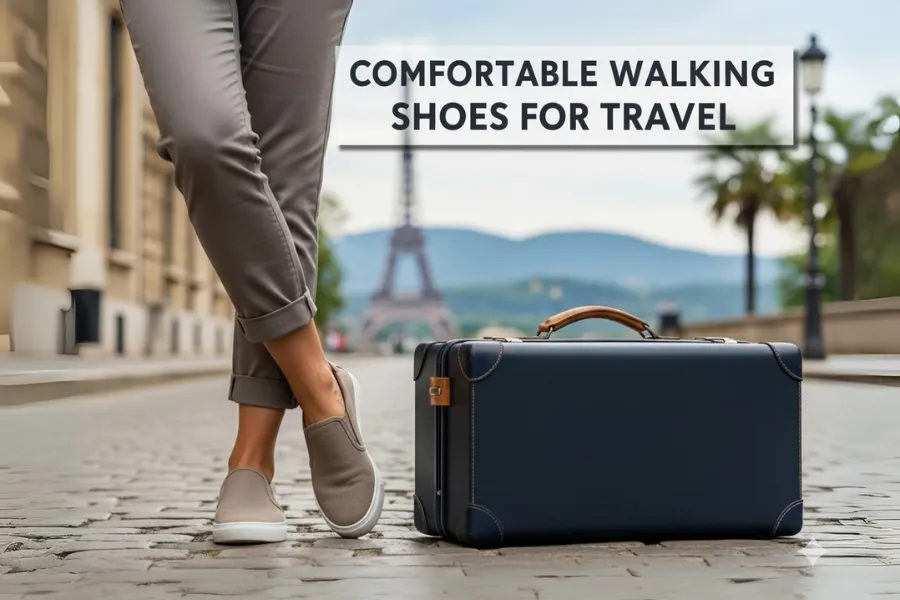
Travel is mostly walking. Even a trip built around beaches or business meetings adds up to long airport concourses, station transfers, museum floors, hilly old towns and evenings on your feet. The right pair of shoes is the difference between a day that ends with dinner and a day that ends with you icing your arches in the hotel room. The wrong pair shows up in the first afternoon as a hot spot on your heel, and by day three it is shaping where you go and how long you stay. This guide explains how to choose comfortable walking shoes for traveling: what actually makes a shoe comfortable over many hours, how to get the fit right, which style suits which kind of trip, how many pairs to pack, how to break them in and care for them on the road, and a set of well-known shoes from our original list that cover different needs and budgets.
The short answer
For most trips, pack one pair of cushioned, supportive walking shoes that you have already worn for at least a week, plus one lighter second pair that suits the destination: sandals or flip-flops for heat and beaches, a smarter leather sneaker for restaurants and meetings, or a trail shoe if you plan to hike. Choose your main pair for fit first, then cushioning, support and grip, and only then for looks and weight. Buy late in the day when your feet are at their largest, leave about a thumb’s width of room at the toe, and never start a trip in shoes straight out of the box. If you have ongoing foot pain, a foot condition or diabetes, talk to a doctor or podiatrist before a walking-heavy trip rather than relying on a new pair of shoes to fix it.
Why travel is harder on your feet than daily life
Many people who never think about their shoes at home find their feet are the weak link on a trip. There are good reasons for that:
- You walk much more. Sightseeing days routinely involve several times the walking of a normal workday, often with a backpack.
- The surfaces are harder and less even. Stone plazas, cobbled lanes, marble museum floors and station platforms give back far less than a carpeted office or a park path.
- You stand still a lot. Queues, galleries and viewpoints mean long periods of standing, which many people find more tiring than steady walking.
- Your feet swell. Long flights, heat and hours on your feet all make feet swell, so shoes that fit perfectly at home can pinch on day two.
- You cannot easily change. At home you can swap shoes at lunchtime. On a day out in a new city, what you put on in the morning is what you wear until night.
That is why the best travel shoe is rarely the most stylish or the lightest on the shelf. It is the one that stays comfortable from the first hour to the tenth.
What makes a walking shoe comfortable
Fit comes first
No amount of cushioning fixes a shoe that is the wrong shape for your foot. The heel should sit snugly without slipping when you walk, the midfoot should feel held but not squeezed, and the toe box should give your toes room to spread and wiggle. A thumb’s width between your longest toe and the end of the shoe is a common rule of thumb, because feet slide forward on downhill streets and stairs. If your toes touch the front in the store, they will bruise on a long descent.
Cushioning
The midsole, the foam layer between the insole and the outsole, absorbs impact on hard ground. More cushioning generally means more comfort on pavement for long hours, though very soft, thick foam can feel unstable on uneven streets. Most travelers do well with a moderate to generous amount of cushioning that still lets them feel the ground.
Support and stability
Support is how well the shoe controls the way your foot rolls as you walk. Some people need more of it, especially if their feet roll inward or they have flat arches; others prefer a neutral shoe. A firm heel counter (the cup around the back of your heel) and a midsole that does not twist easily when you wring the shoe like a towel are signs of a stable shoe. If you wear orthotics, take them shopping and make sure they fit inside the shoe with the original insole removed.
Flexibility in the right place
A good walking shoe bends at the ball of the foot, where your foot bends, and stays fairly firm through the middle. A shoe that folds in half anywhere offers little support over a long day.
Grip
Smooth, worn stone gets slippery, especially when wet. A rubber outsole with some tread pattern grips far better than a flat, hard sole. If you are heading somewhere rainy or hilly, grip moves up the list.
Breathability and weather
Mesh and knit uppers keep feet cooler in heat and dry quickly, but let in rain. Leather and waterproof membranes keep feet drier in wet weather but run warmer. Think about the climate you are traveling to, not the one you are leaving.
Weight and packability
Lighter shoes are easier to wear all day and easier to pack, but the lightest designs often trade away cushioning and durability. Weight matters most for your second pair, which lives in your bag most of the time.
Travel shoe styles compared
There is no single best travel shoe. The right one depends on where you are going and what you will do there.
| Style | Best for | Strengths | Watch out for |
|---|---|---|---|
| Cushioned walking or running-style sneaker | City sightseeing, long walking days | Most comfort over many hours, good cushioning and support | Sporty look; mesh versions get wet in rain |
| Slip-on knit walking shoe | Casual trips, flights, warm climates | Light, easy on and off, packs small | Often less support and grip; less secure on hills |
| Leather sneaker | Cities, restaurants, business trips | Smarter look, wears well, sheds light rain | Heavier, needs breaking in, runs warmer |
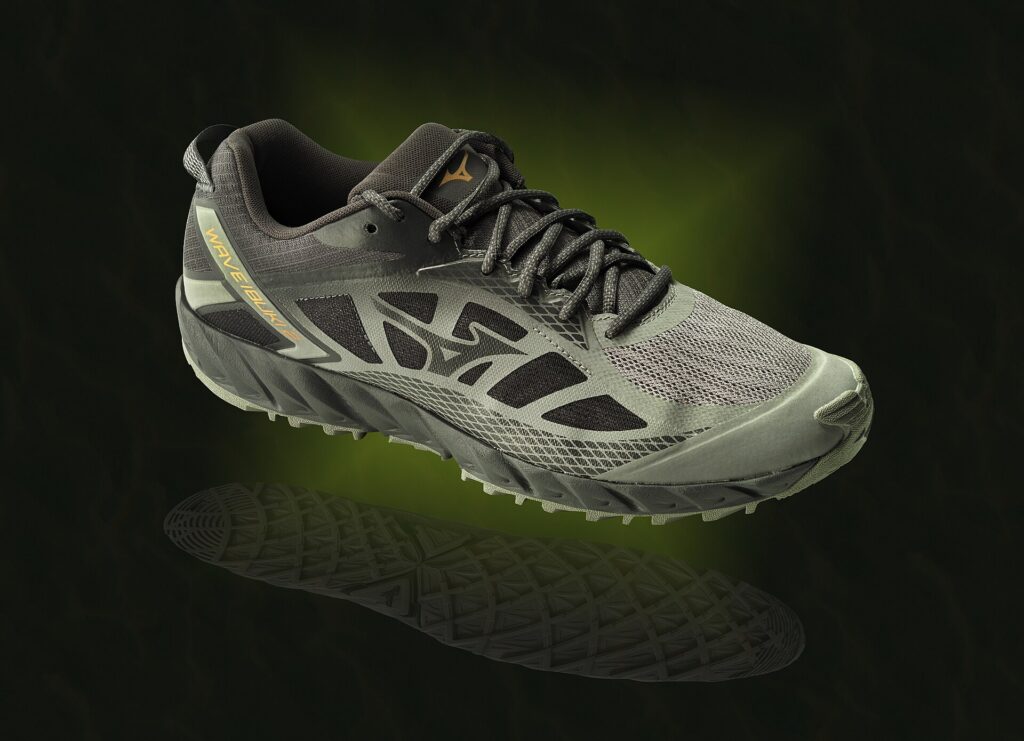
| Trail shoe or light hiker | Mixed city and trail trips, national parks | Grippy outsole, protective toe, handles dirt and gravel | Heavier and stiffer on pavement; chunky look |
| Walking sandal | Hot destinations, beach towns | Airy, dries fast, works in water | Less protection; blisters where straps rub if not broken in |
| Flip-flops | Beach, pool, hostel showers | Very light, cheap, quick-drying | Not for long walks; little support or grip |
How to get the fit right
- Shop late in the day. Feet swell over the day, so trying shoes in the afternoon or evening gives a truer sense of how they will feel after hours of walking.
- Wear your travel socks. Try shoes with the socks you plan to wear on the trip. A thick hiking sock and a thin dress sock can change the fit by half a size.
- Measure both feet. Most people have one foot slightly larger than the other. Fit the larger one.
- Walk, do not just stand. Walk around the store for several minutes, including on any slope or stairs available. Notice any pressure points, rubbing or heel slip.
- Check width, not just length. If the sides of your foot press against the shoe, look for a wide version rather than going up a size, which only adds length.
- Trust comfort over a “breaking in” promise. Leather softens with wear, but a shoe that hurts in the store rarely becomes a favorite.
- Buy online with a return plan. If you order online, order early, wear the shoes indoors first and keep the packaging until you are sure.
Sizes vary between brands and even between models from the same brand, so do not assume your usual size. Each maker publishes its own size charts and fit notes on its site.
Match the shoe to the trip
European city breaks
Old European centers mean cobblestones, stairs, hills and a lot of standing in museums and churches. A cushioned sneaker with a firm heel and a grippy rubber sole is the best main shoe. If you want to look a little smarter for dinner, a leather sneaker in a neutral color works in most restaurants. Our guide to traveling Europe on a multi-city trip and our things to do in Rome guide give a good idea of how much walking a typical day involves.
Beach and warm-weather trips
In heat, breathable mesh sneakers or a supportive walking sandal will serve you better than heavy leather. Add a pair of flip-flops for the beach, pool deck and shared showers; our guide to eco-friendly travel flip-flops covers what to look for. Do not try to walk a whole city in flip-flops; your arches will let you know.
Cold, wet and winter trips
For rain and snow, choose leather or a waterproof membrane, a thicker outsole that insulates you from cold ground and a deeper tread. Pair them with wool or synthetic socks that stay warm when damp. If you expect slush or ice, a light winter boot with a lugged sole is safer than any sneaker.
Hiking and national parks
If your trip mixes cities with real trails, a trail shoe gives you grip on dirt and gravel while staying comfortable enough for town. For long hikes on rough ground with a loaded pack, a proper hiking shoe or boot gives more protection and stability. Our guide to hiking backpacks covers the other half of a trail setup.
Business trips
A clean leather sneaker or a cushioned dress shoe can carry you from the airport to a client meeting and a dinner without packing a second pair. If your role requires formal shoes, add a cushioned insole and pack a pair of comfortable sneakers for walking between meetings.

Shoes from our original list
The shoes below were featured in the original version of this guide. They are not a ranked test; they cover different styles and budgets. Models are updated, colors and materials change between versions, and several of these listings are women’s styles, so check the maker’s current product page and size chart for the exact version you are buying.
Skechers Women’s Go Walk Joy
Skechers‘ Go Walk line is built around lightweight slip-on walking shoes, and the Go Walk Joy is a casual women’s slip-on in that family. A shoe like this suits travelers who want something light and easy to pull on and off, for flights, casual sightseeing in flat cities and warm weather. As with most slip-ons, it offers less adjustability than a laced shoe, so make sure your heel stays put when you walk.
Adidas Women’s Cloudfoam Pure
The Cloudfoam Pure is a women’s lifestyle and running-inspired sneaker with a soft, sock-like feel. It suits travelers who want a light, sporty shoe that works with casual outfits for airports and city days. Choose a more structured shoe instead if you need firm arch support.
New Balance Women’s 608
New Balance’s 608 is a long-running leather cross-trainer with a classic, chunky look. Shoes of this type tend to feel stable and supportive and hold up well to heavy use, which makes them a practical choice for travelers who put comfort and support ahead of weight. They are bulkier than knit sneakers, so they are best worn on the plane rather than packed.
Dr. Scholl’s Women’s Madison slip-on sneaker
The Madison is a casual slip-on sneaker from Dr. Scholl’s Shoes, a style that looks tidy enough for dinner and slips off easily. It suits city trips where you want one shoe that works for daytime walking and evenings out. If you plan very long walking days, compare its support with a laced sneaker before choosing it as your only pair.
ASICS Women’s Gel-Venture
ASICS’ Gel-Venture is a trail-running shoe with a grippier outsole than a road shoe. That makes it a good fit for trips that mix city walking with park paths, dirt trails and gravel. On smooth pavement it feels a little firmer and heavier than a city sneaker, which is the trade-off for its grip.
ECCO Women’s Soft 7 Sneaker
ECCO’s Soft 7 is a leather sneaker with a clean, minimal look. A premium leather sneaker like this suits travelers who want one pair that looks smart in museums, restaurants and on business trips while still being comfortable for a day of walking. Leather needs a short break-in period and a little care, and it costs more than a mesh sneaker, but it tends to wear well.
TIOSEBON Women’s slip-on walking shoes
TIOSEBON sells low-cost knit slip-on walking shoes. Shoes of this kind are light, breathable and pack flat, which makes them a sensible backup pair, a flight shoe or a warm-weather shoe for casual days. They usually offer less support and durability than the more structured shoes above, so treat them as a second pair rather than your main walking shoe on a big sightseeing trip.
How many pairs to pack
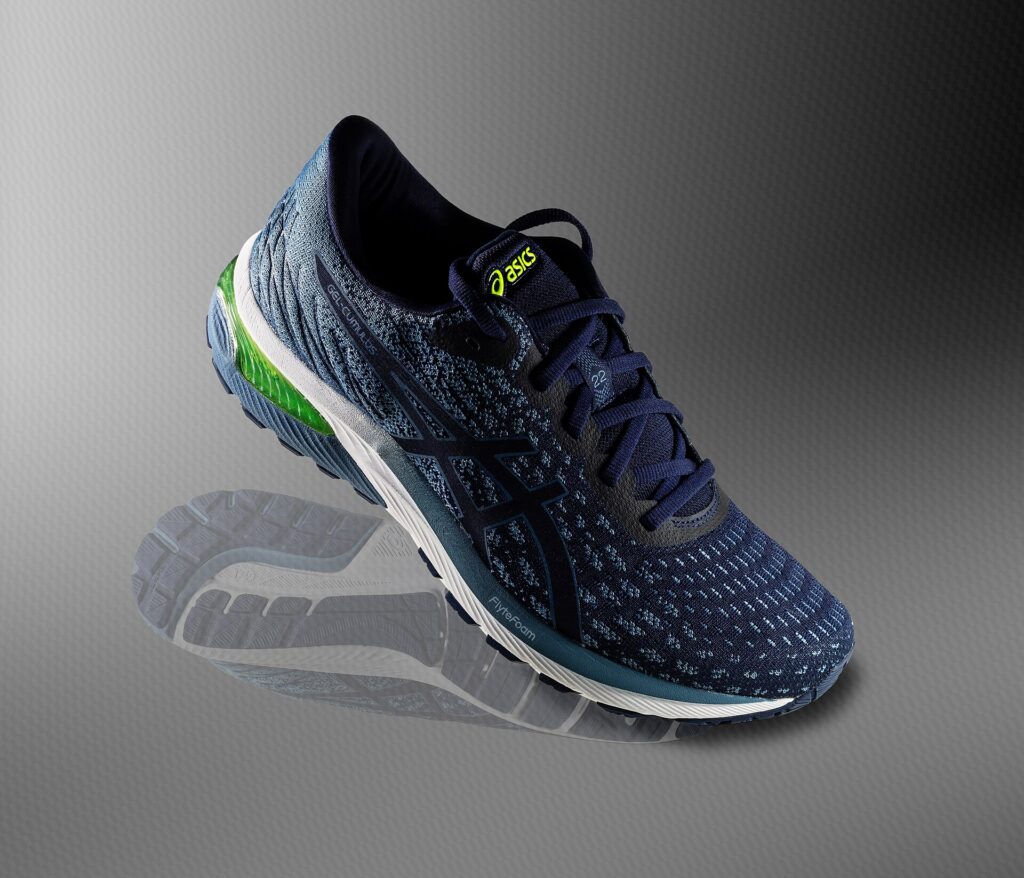
Shoes are the heaviest, bulkiest thing most people pack, so the number of pairs has a big effect on whether you can travel carry-on only. For most trips, two pairs is the sweet spot:
- Your main walking shoe, worn on travel days so it does not take up space in your bag.
- A second pair chosen for the destination: flip-flops or sandals for heat, a smarter shoe for dinners and meetings, or a trail shoe for hiking.
Two pairs also let you rotate, which gives each pair time to dry out and changes the pressure points on your feet. Add a third pair only if an activity truly needs it, such as formal shoes for a wedding, water shoes for rocky beaches or boots for snow. Our main guide to choosing travel luggage covers how to fit everything, shoes included, into a carry-on.
Break in shoes before you go
The single most common travel shoe mistake is starting a trip in brand-new shoes. Even a shoe that feels perfect in the store can rub in unexpected places after hours of walking. Wear new shoes around the house and on short walks for at least a week or two before the trip, then do at least one long walk of several hours. If they rub or pinch, you still have time to exchange them. Leather shoes in particular need time to soften and mold to your feet.
Socks, insoles and blister prevention
Socks matter as much as shoes
Cotton socks hold sweat against your skin, which softens it and makes blisters more likely. Merino wool or synthetic blend socks move moisture away from your skin and dry faster, which is why many hikers and frequent walkers prefer them. Make sure socks fit without wrinkles, and pack enough that you can put on a dry pair each day.
Insoles
Many shoes come with thin insoles. A supportive aftermarket insole can add arch support and cushioning, and some people find it makes a good shoe excellent. If you have a medical foot condition or wear prescribed orthotics, follow the advice of your doctor or podiatrist rather than guessing.
Dealing with hot spots and blisters
A hot spot is the warning before a blister. Stop and deal with it as soon as you feel it: adjust your laces, change into dry socks or cover the spot with a blister plaster or tape. Most small blisters heal on their own if you protect them and keep them clean; the NHS has clear advice on treating and preventing blisters, including when to see a professional. A small travel first aid kit with blister plasters is worth its weight on any walking trip.
Shoes, flights and airport security
Your travel shoes do a lot of work before you reach your destination. On a long flight, feet swell, so a shoe with laces or some stretch is more comfortable than a tight one. Some people loosen their laces in flight or bring light slippers or socks for the cabin. If you are prone to swelling, our guide to compression socks for long flights explains how they work and why it is wise to check with a doctor if you have circulation concerns.
At security, rules on removing shoes differ by country and airport and have changed over time. In the United States, the Department of Homeland Security announced in 2025 that travelers at domestic checkpoints would no longer have to remove their shoes as a general rule, though officers can still ask you to. Other countries set their own rules; in Canada, check CATSA’s guidance before you fly. Either way, shoes that slip on and off quickly make screening easier, and it is sensible to avoid shoes with a lot of metal hardware.
Weather, terrain and care on the road
- Dry them properly. If shoes get soaked, remove the insoles, stuff the shoes with newspaper or a towel and let them dry at room temperature. Direct heat from a radiator or hair dryer can damage glues and leather.
- Rotate. Wearing a different pair every other day lets foam recover and shoes dry fully, which also helps with odor.
- Clean as you go. Brush off dirt and wipe shoes with a damp cloth and mild soap. Treat leather with a suitable conditioner before a trip if you expect rain.
- Keep odor in check. Air shoes out overnight, change socks daily and use a breathable shoe bag rather than sealing damp shoes in plastic.
- Know when to retire them. Cushioning foam breaks down over time even when the upper looks fine. If a favorite pair feels flat or your feet ache sooner than they used to, it may be time for a new pair, ideally a few weeks before your next trip.
When foot pain is more than a shoe problem
Good shoes prevent a lot of discomfort, but they are not a treatment. If you have persistent heel or arch pain, numbness, swelling that does not go down, or a condition such as diabetes that affects your feet, see a doctor or podiatrist before a walking-heavy trip. The NHS page on foot pain is a useful overview of common causes and when to get help. Plan rest into your days as well: a café stop or a tram ride between sights does as much for tired feet as any shoe.
Build a walking-friendly travel kit
Comfortable shoes work best as part of a kit designed for long days on foot:
- A light daypack that sits close to your back. For busy cities, an anti-theft backpack adds locking zippers and hidden pockets.
- Comfortable trousers that move with you and handle a change of weather; see our guide to travel pants for men.
- A secure place for cash and cards, such as a money belt worn under your clothes, so you are not reaching into a back pocket in a crowd.
- A carry-on travel pack if you move between cities often; our guide to the Peak Design Travel Backpack 45L covers how to choose one.
- Water, a snack and a light layer, because tired and hungry feet hurt more.
Common mistakes
- Wearing new shoes on day one. Break them in at home first.
- Choosing style over comfort for the main pair. Pick a comfortable main shoe and a stylish second pair for evenings.
- Buying too small. Feet swell in heat and after flights; leave room at the toe.
- Relying on flip-flops for long walks. They are for beaches and showers, not ten-hour city days.
- Cotton socks on hot days. Choose moisture-wicking socks and change them daily.
- Ignoring hot spots. Stop and deal with them before they become blisters.
- Packing too many pairs. Two well-chosen pairs cover most trips and keep your bag light.
Frequently asked questions
What type of shoe is best for walking all day while traveling?
For most people, a cushioned, supportive laced sneaker that fits well and has already been broken in. Leather sneakers work if you want a smarter look, and trail shoes suit trips with hiking.
Are running shoes good for travel?
Often, yes. Running shoes are designed for cushioning and comfort over many steps, which is exactly what a sightseeing day demands. Very soft, high-stack running shoes can feel wobbly on uneven cobblestones, so a moderately cushioned, stable model is usually a better choice.
How many pairs of shoes should I pack?
Two for most trips: a main walking shoe worn on travel days and a second pair suited to the destination. Add a third only for a specific need such as formal events, snow or water activities.
How long should I break in new walking shoes?
Aim for at least a week or two of regular wear, including at least one long walk, before you travel. Leather shoes may need a little longer.
Are slip-on shoes good for travel?
They are convenient for flights and casual days, and easy at security. They usually offer less support and adjustability than laced shoes, so they work best as a second pair or for trips with lighter walking.
Do I have to take my shoes off at airport security?
It depends on the country and airport. The United States ended its general shoes-off requirement at domestic checkpoints in 2025, but officers can still ask you to remove them, and other countries set their own rules. Check the security agency’s site for your departure airport before you fly.
What socks are best for long walking days?
Merino wool or synthetic blend socks that wick moisture and fit without wrinkles. They reduce the damp, soft skin that leads to blisters. Pack enough to change daily.
Should I buy walking shoes online?
You can, as long as you know your size in that brand and order early enough to exchange them. Wear them indoors first and check the return policy before you walk outside in them.
With your feet sorted, plan the walking-heavy trip you have been thinking about. Compare fares on our flight search, including flexible dates, find a well-located hotel on our hotel search so you start each day close to the sights, and if the trip includes a road trip or national park, compare vehicles on our car rental search. For a city made for walking, start with a trip to Paris and our guide to things to do in Paris, and for the rest of your kit, see our main guide to travel luggage.
Keep planning with TicketScanner
- Top travel luggage bags: the buying guide — the travel gear guide
- Eco-friendly travel flip-flops
- Compression socks for long flights
- Travel pants for men
- Hiking backpacks: how to choose and fit one
- Anti-theft backpacks for travel and commuting
- Travel first aid kits
- Search flights — compare fares across flexible dates
- Things to do in Rome