Archives: Flight Destinations

  • Houston

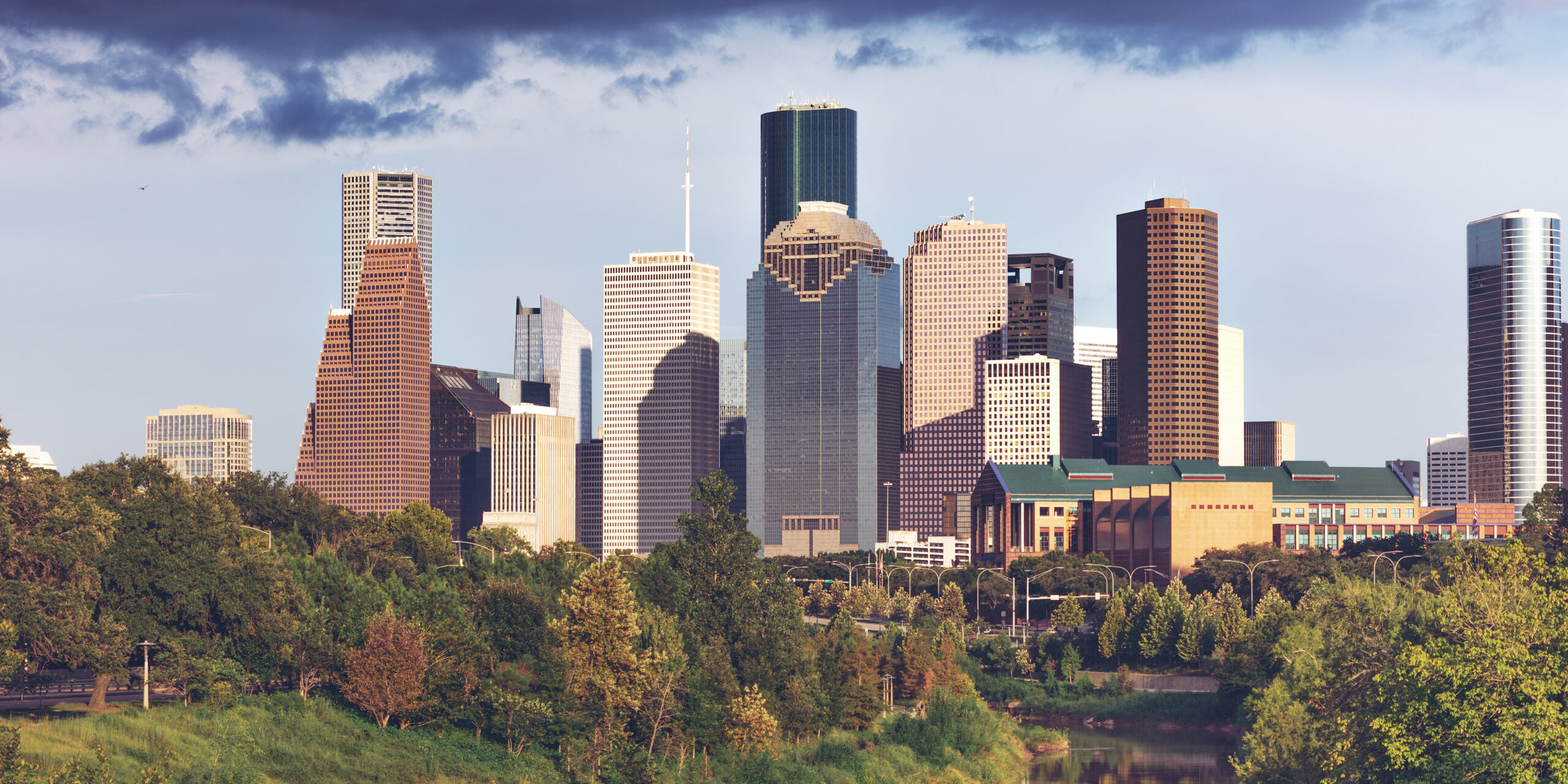
    Houston

    Houston is served by two airports: George Bush Intercontinental (IAH), United’s largest hub and about 23 miles north of downtown, and William P. Hobby (HOU), a Southwest Airlines stronghold roughly 11 miles southeast of downtown and often the faster, cheaper option for domestic-only trips.

    Hurricane Season Can Affect Travel Plans

    June through November is Gulf Coast hurricane season, and while most trips are unaffected, tropical storms occasionally disrupt flights with little notice. Travel insurance or flexible fare rules are worth a look if you’re booking during these months.

    A Global Energy and Medical Hub

    Houston’s concentration of energy companies and the Texas Medical Center, the largest medical complex in the world, keep weekday business travel steady year-round, which can push midweek fares and hotel rates higher independent of the tourist calendar.

    Getting Around Once You Land

    Houston is one of the most spread-out major US cities, and METRORail’s light rail lines cover only a few corridors, so most visitors plan on a rental car or rideshare for anything beyond a single neighborhood.

    Search live fares to Houston above and check which airport, IAH or HOU, gets you the better fare and the shorter drive to where you’re staying.
  • San Francisco

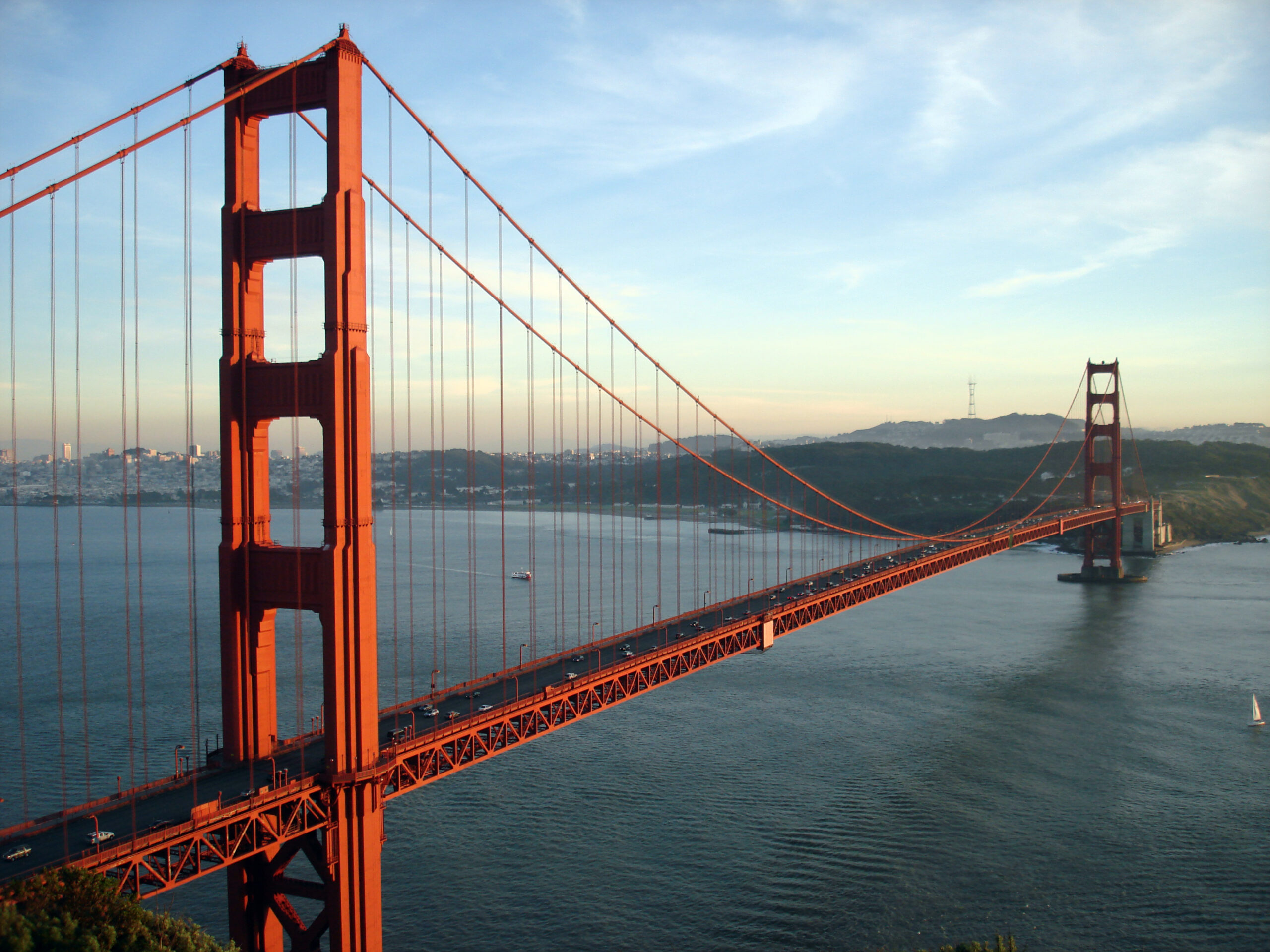
    San Francisco

    San Francisco International Airport (SFO) sits about 13 miles south of downtown, and BART’s Yellow Line runs directly from the airport to the Financial District and Mission in around 30 minutes, well below what a taxi or rideshare costs at peak times.

    The Fog Keeps Summer Cooler Than You’d Expect

    San Francisco’s summer is known for a different reason than most coastal cities: thick afternoon fog, nicknamed “Karl” by locals, regularly rolls in through the Golden Gate and keeps July and August afternoons in the 60s Fahrenheit even as inland California bakes. The genuinely warmest, sunniest stretch of the year is September and October, once the fog retreats.

    A Global Tech and Finance Hub

    Salesforce’s headquarters and a dense concentration of tech and venture capital firms downtown and in SoMA keep weekday business travel steady year-round, which can push midweek fares and hotel rates higher independent of the tourist calendar.

    Getting Around Once You Land

    BART and Muni Metro cover most of the city, and cable cars still climb Powell and California Streets, though San Francisco’s hills mean walking distances that look short on a map can be a real workout. The compact core spanning downtown, Union Square, and the waterfront is easy to cover on foot once you’re there.

    Search live fares to San Francisco above and weigh a September or October trip if clear skies matter more to you than summer dates.

  • Washington DC

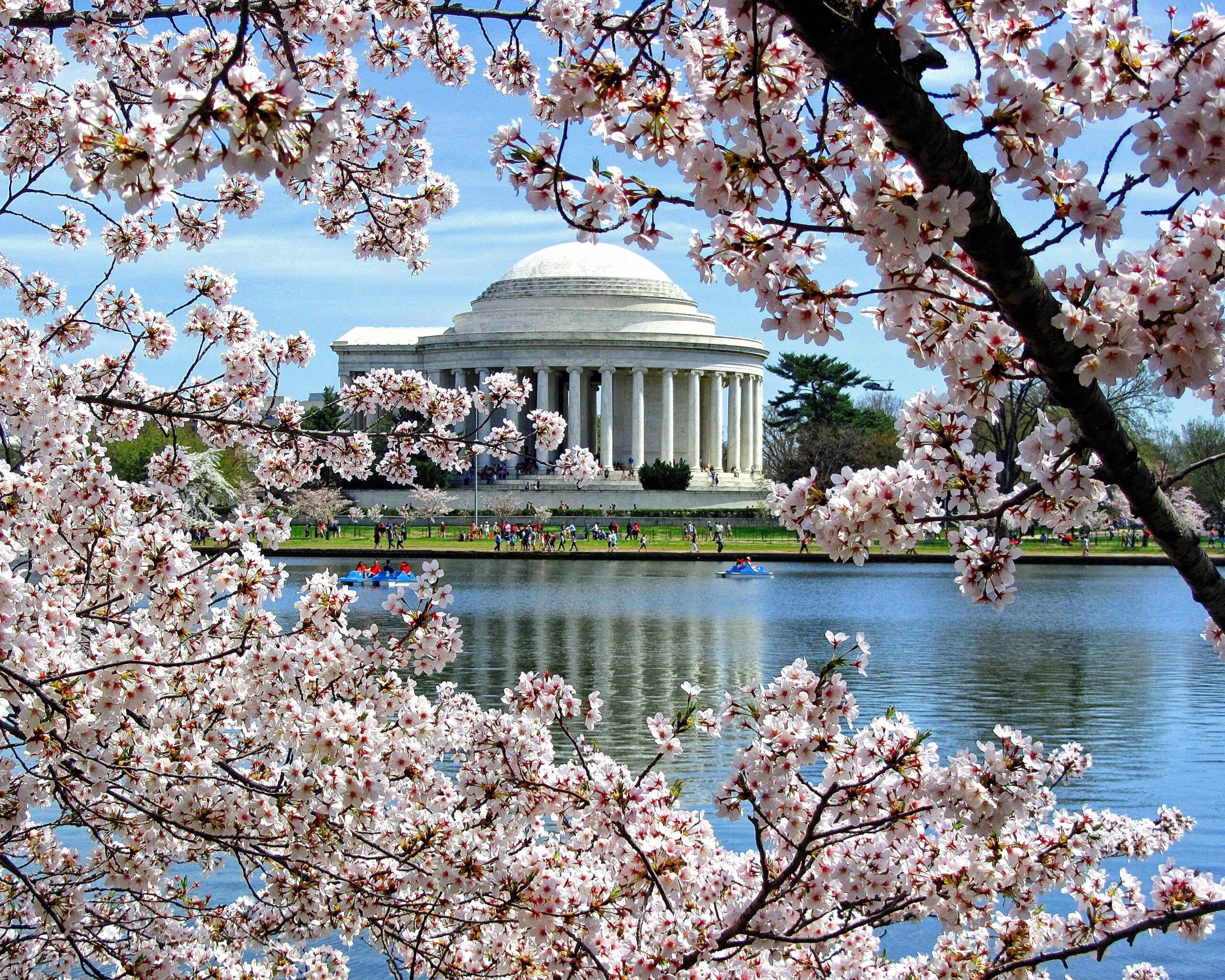
    Washington DC

    Washington, DC is unusual among U.S. capitals in offering three airports: Reagan National (DCA), just across the Potomac and reachable by Metro in minutes; Dulles (IAD), the larger international gateway about 25 miles out; and Baltimore-Washington (BWI), roughly 30 miles northeast and often the cheapest of the three.

    Comparing All Three Airports Pays Off

    Because DCA, IAD, and BWI compete for the same city, checking fares across all three on the same dates can turn up a meaningfully better deal than sticking to just one. DCA is the only one directly on the Metro system, while IAD and BWI both require a bus or rail connection to reach downtown.

    Cherry Blossom Season Drives Its Own Demand

    The National Cherry Blossom Festival, typically late March into early April depending on peak bloom, is one of the single biggest price and crowd drivers of the year, on par with or exceeding summer tourist season. Congress’s own session calendar also adds government and lobbying travel that keeps midweek demand steady much of the year, independent of tourist season.

    Humid Summers, Mild Winters

    Summer brings heat and real humidity; winter is generally mild with occasional snow and typically the cheapest fares of the year outside of holiday weeks.

    Search live fares to DC above and compare all three area airports before booking.

  • Boston

    Boston

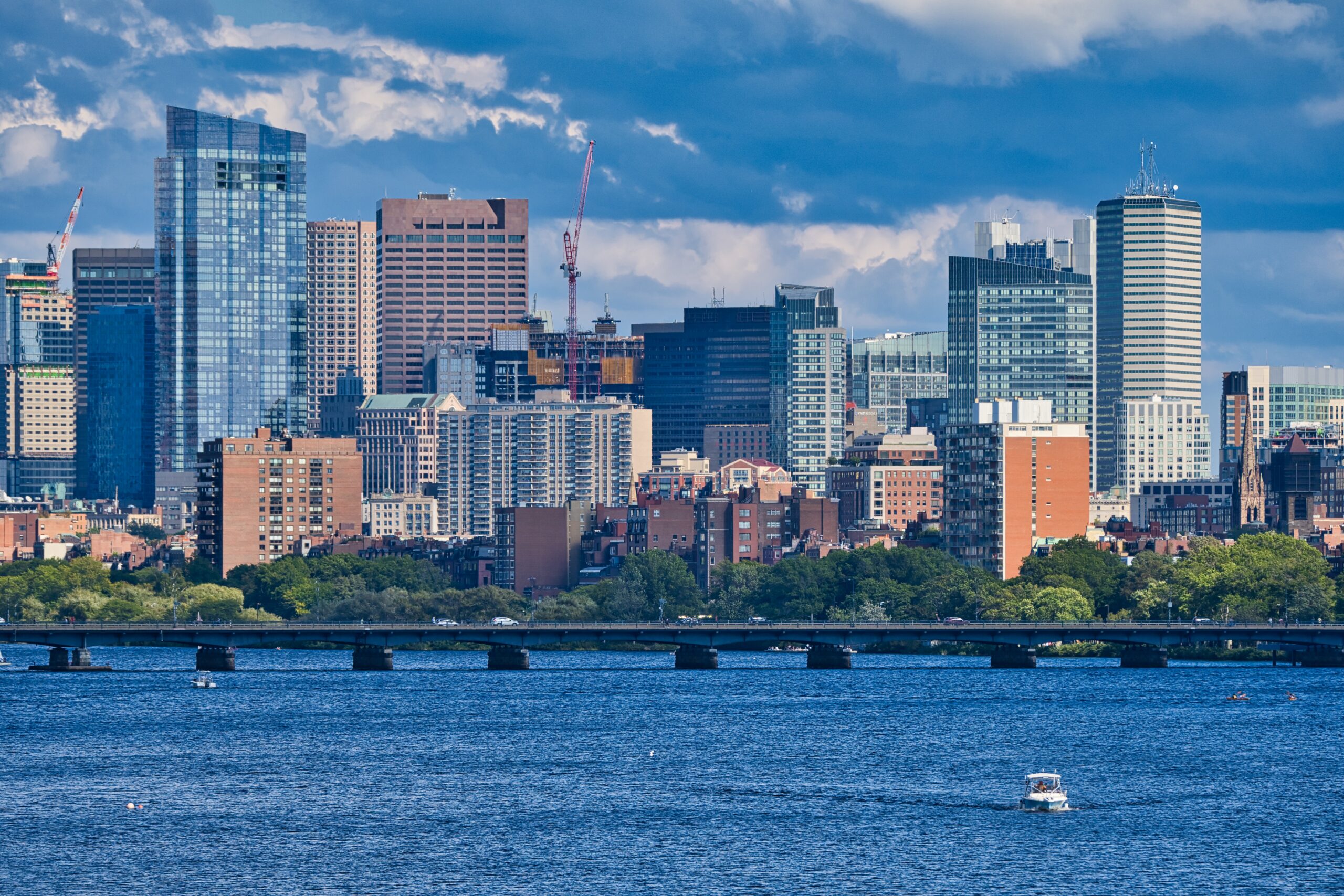
    Boston is one of the most compact major U.S. cities, and Logan International Airport sits just across the harbor from downtown, closer to the city center than almost any other major airport in the country.

    The Silver Line Gets You Downtown Free

    A free Silver Line bus connects Logan directly to South Station downtown, with an easy transfer to the T (Boston’s subway) from there, no rental car or expensive rideshare needed for most arrivals.

    A College Town With Its Own Travel Calendar

    With dozens of colleges and universities including Harvard and MIT across the river in Cambridge, Boston sees predictable surges around move-in weekends (late August, early September) and graduation (May), when flights and hotels both tighten up. Summer is peak tourist season and the most comfortable weather; winter brings genuine Nor’easters and real cold, but often the cheapest fares of the year.

    Fall Foliage Draws Its Own Crowd

    September and October bring New England’s famous fall colors within a short drive, pulling in leaf-peeping travelers alongside the usual tourist season, which can keep shoulder-season prices higher than in many other cities.

    Search live fares to Boston above and watch for university-calendar and foliage-season price bumps.

  • Seattle

    Seattle

    Seattle sits on Puget Sound with Mount Rainier visible on clear days, and Seattle-Tacoma International Airport (Sea-Tac) connects directly to downtown via Link light rail in about 40 minutes, no rental car or rideshare surge required.

    Not as Rainy as Its Reputation, Just Greyer

    Seattle actually gets less annual rainfall than New York or Miami; the reputation comes from a high number of overcast, drizzly days rather than downpours. Summer (July through September) is genuinely dry and mild, the best-kept secret of Pacific Northwest weather, and also when fares and hotel rates peak. Winter is grey and wet more often than snowy, and typically brings the cheapest fares of the year.

    A Major Tech and Aerospace Hub

    Amazon’s headquarters and Boeing’s manufacturing roots keep business travel steady year-round, which can push midweek fares and hotel rates higher independent of tourist season.

    Getting Around Once You Land

    Link light rail reaches downtown, the University of Washington, and (via extensions) parts of the Eastside, and Seattle’s downtown core, Pike Place Market, and waterfront are walkable once you’re there.

    Search live fares to Seattle above and factor in the genuinely dry summer window when comparing dates.

  • Las Vegas

    Las Vegas

    Harry Reid International Airport sits closer to its city’s main attraction than almost any other major U.S. airport: the Strip is about a 10-minute drive from the terminal, and some resorts on the south end are even closer.

    A Convention Calendar That Moves Fares More Than Weather Does

    Las Vegas runs on conventions as much as leisure travel. Events like CES in early January can send both flights and hotel rates sharply higher for that specific week, often more than any seasonal pattern. Checking the Las Vegas Convention and Visitors Authority calendar against your travel dates can explain a price spike that weather alone would not.

    Desert Heat Shapes the Rest of the Calendar

    Summer temperatures regularly clear 100°F, often over 110°F in July and August, which keeps some leisure travelers away despite it being peak vacation season elsewhere. Spring and fall bring the most comfortable weather, while winter is mild by day and can turn surprisingly cold at night.

    Getting From the Airport

    Rideshare, taxi, and resort shuttles all make the short trip from the airport easily, and many visitors skip a rental entirely if their trip is Strip-only.

    Search live fares to Las Vegas above and check the convention calendar for your dates before you book.

  • Atlanta

    Atlanta

    Atlanta’s Hartsfield-Jackson International is the busiest airport in the world by passenger traffic, a major Delta hub with connections almost everywhere. That scale is good news for fares: the sheer volume of competing routes through Atlanta often keeps prices lower than you would expect for a major Southern city.

    MARTA Gets You Downtown in Minutes

    The airport sits directly on Atlanta’s MARTA rail line, with a ride to downtown or Midtown taking well under 20 minutes, one of the more convenient airport-to-city rail connections in the country.

    Hot, Humid Summers and Unpredictable Winter Ice

    Atlanta summers run hot and humid from June through August, the peak season for both crowds and prices. Winters are generally mild, but Atlanta is notorious for struggling with occasional ice storms, since the city’s hills and limited snow-clearing equipment can shut things down for a day or two when they hit. Spring and fall offer the most reliable combination of good weather and lower fares.

    A Major Hub Means More Flight Options

    Because so many airlines route through Atlanta, travelers connecting elsewhere in the Southeast, or looking for a wide spread of nonstop destinations, often find more schedule flexibility here than at smaller regional airports.

    Search live fares to Atlanta above and take advantage of the competition among airlines serving this hub.

  • Denver

    Denver

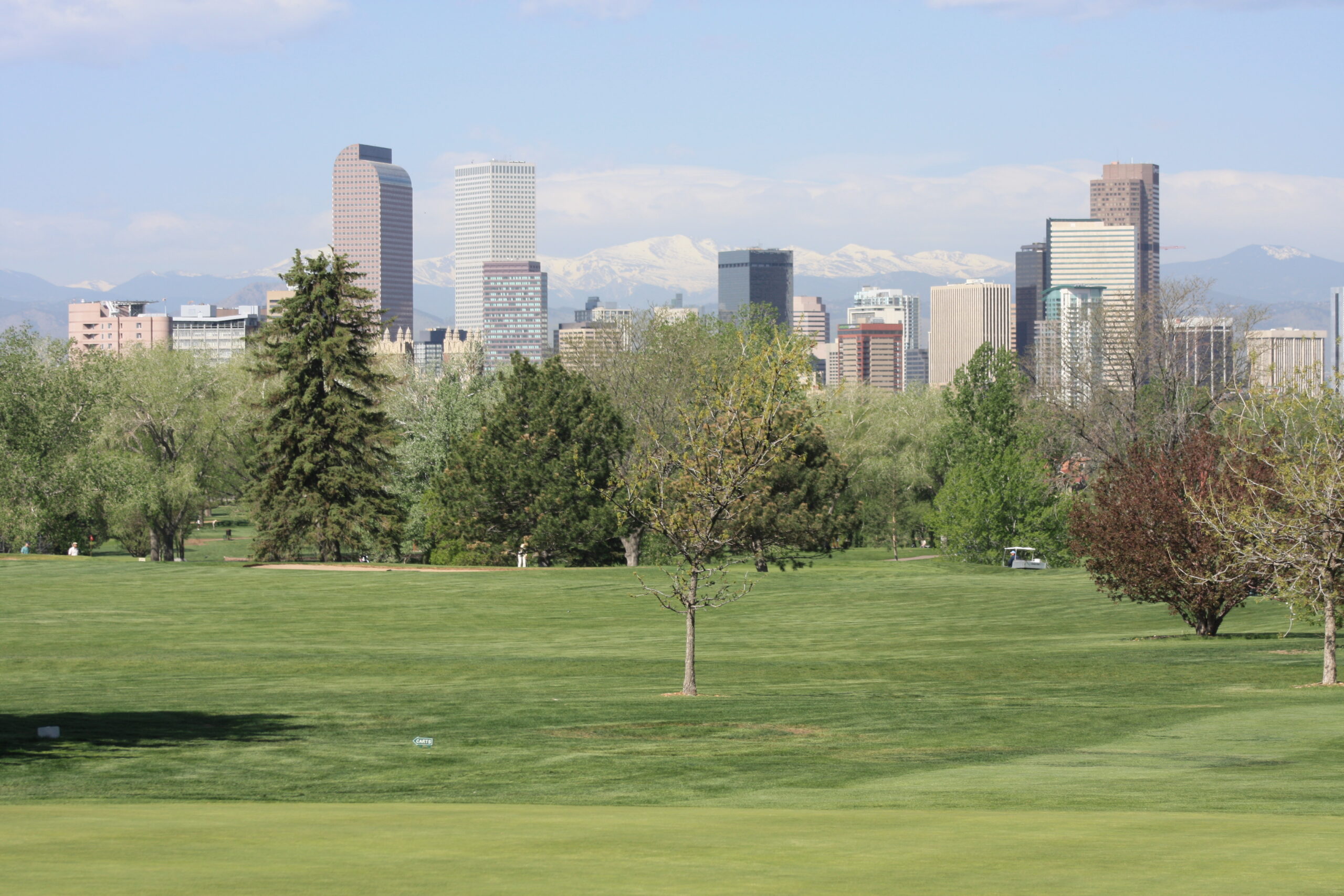
    Denver sits right where the Great Plains meet the Rocky Mountains, at exactly 5,280 feet, one mile high. Denver International Airport is enormous and sits roughly 25 miles northeast of downtown, farther out than most major-city airports, so build extra time into your connection.

    The A-Line Gets You Downtown Without a Car

    A commuter rail line runs directly from Denver International to Union Station downtown in about 37 minutes, a genuinely easy way to skip both a rental car and surge-priced rideshare on arrival.

    Altitude Changes Your Trip, Not Just the View

    At one mile above sea level, alcohol affects you faster, sunburn happens quicker even in cool weather, and travelers arriving from sea level often feel short of breath or mildly fatigued for the first day or two. Drinking extra water on arrival genuinely helps.

    Snow Days, Sunny Days

    Denver gets real winter snow, but its famous 300-plus days of sunshine a year mean snow often melts within days rather than sticking around. Winter also means ski season: if your trip includes the mountains, expect the I-70 corridor west of Denver to see heavy weekend traffic and occasional weather closures.

    Search live fares to Denver above and start planning your mile-high trip.

  • Dallas

    Dallas

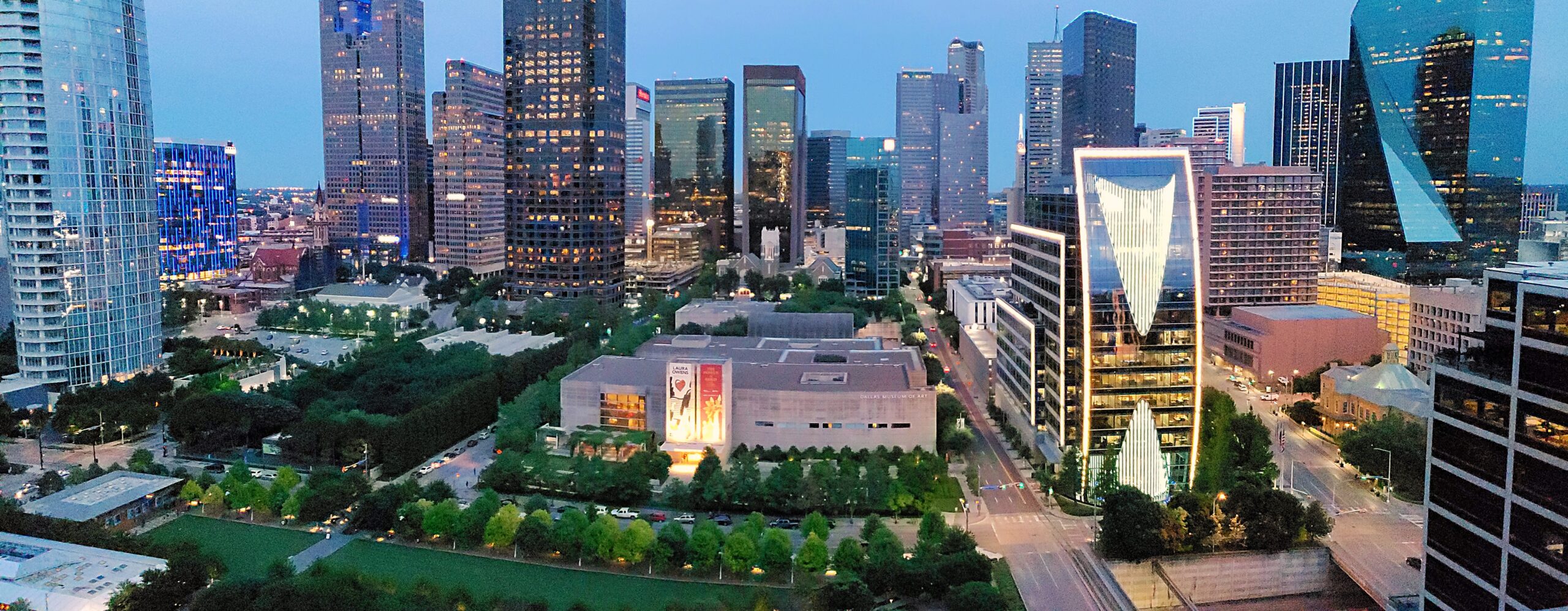
    Dallas is the anchor of a metroplex that also includes Fort Worth and dozens of suburbs spread across a genuinely large footprint. Dallas/Fort Worth International, one of the busiest airports in the world, sits between the two cities, while Dallas Love Field, closer to downtown and a Southwest Airlines base, often turns up cheaper fares on domestic routes.

    Two Airports, Very Different Trade-offs

    DFW handles more international and connecting traffic and sits roughly 20 miles from downtown Dallas. Love Field is about 8 miles from downtown and frequently faster to clear, but flies a narrower set of routes. Checking both before booking is worth the extra few minutes.

    Texas Heat Sets the Calendar

    Summer in Dallas is genuinely hot, regularly above 100°F in July and August, which pushes leisure travel toward spring and fall instead. Winters are mild by comparison and rarely see sustained freezing temperatures, though occasional ice storms can disrupt travel for a day or two. Spring and fall bring the most comfortable weather and, often, the better airfare.

    Plan for a Spread-Out City

    Unlike a compact downtown core, Dallas sprawls across a metroplex where DART light rail covers only part of what visitors want to see. Most itineraries that go beyond downtown and the Arts District benefit from a rental car.

    Search live fares to both DFW and Love Field above and compare which gets you the better price on your dates.

  • Chicago

    Chicago

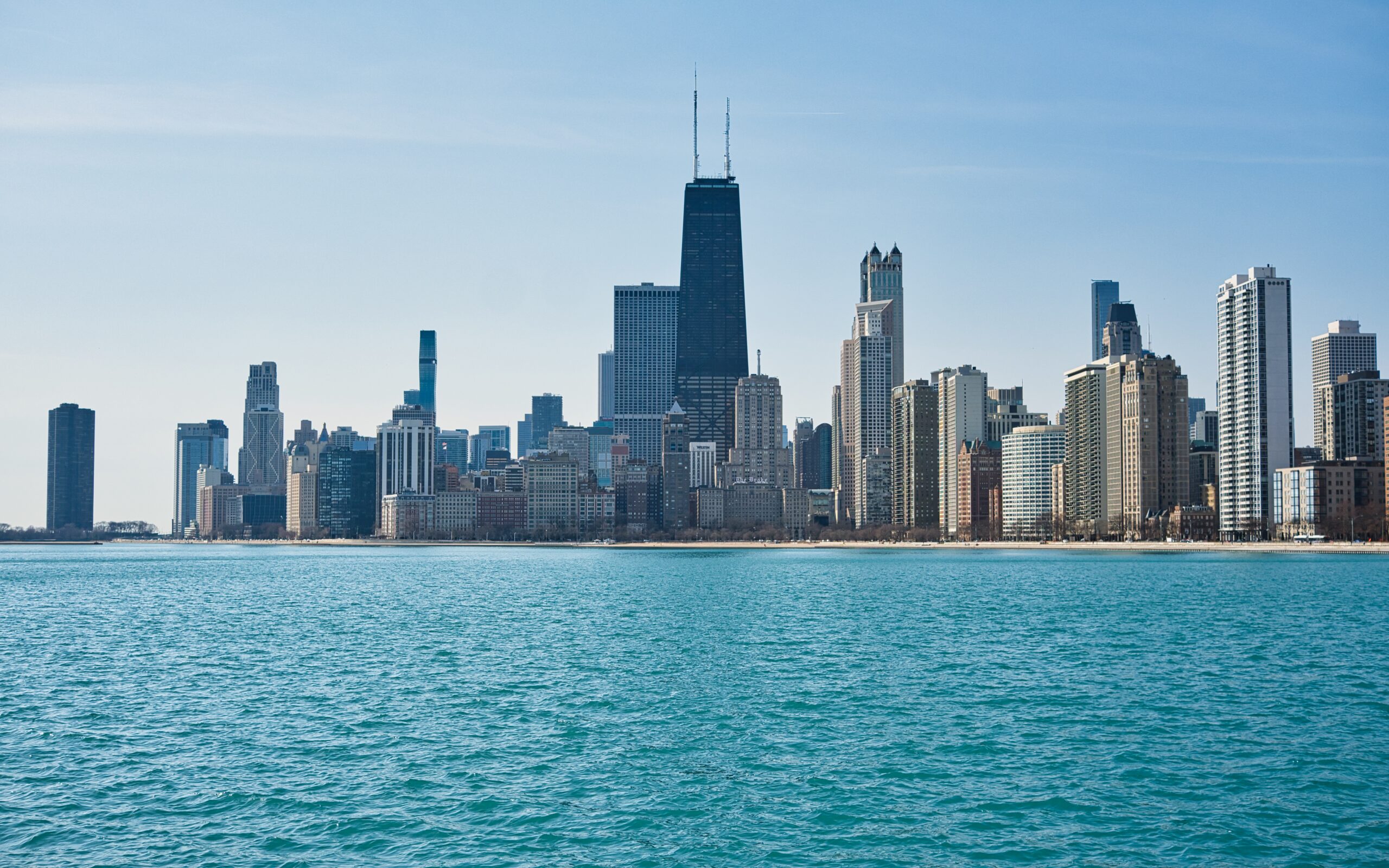
    Chicago sits on the shore of Lake Michigan, and that lake shapes nearly everything about visiting, from the skyline views to the wind that gave the city its nickname. Two airports serve the city: O’Hare International, one of the busiest hubs in the country roughly 17 miles from downtown, and Midway, smaller and often cheaper, about 10 miles southwest.

    Two Airports Means More Ways to Save

    Because O’Hare and Midway compete for the same routes, comparing both airports on the same trip dates can turn up a meaningfully cheaper fare, especially on domestic routes where budget carriers lean toward Midway. The Blue Line (from O’Hare) and Orange Line (from Midway) both run directly into the Loop on Chicago’s elevated train, the L.

    Lake Effect Weather, Both Ways

    Lake Michigan moderates summer heat near the shoreline but adds a real bite to winter wind, which is a large part of why Chicago earned the Windy City name. July and August bring peak lakefront season and the highest fares, tied to festivals like Lollapalooza and Taste of Chicago, while January and February regularly bring the cheapest tickets of the year for travelers prepared for genuine cold.

    Once You Land

    The L connects both airports directly to downtown, and most of the Loop, Millennium Park, and the Museum Campus are walkable once you’re there. Many visitors handle a Chicago trip entirely on transit and on foot.

    Search live fares to both O’Hare and Midway above and compare which airport gets you the better deal on your dates.