Archives: Flight Destinations

  • Quebec City

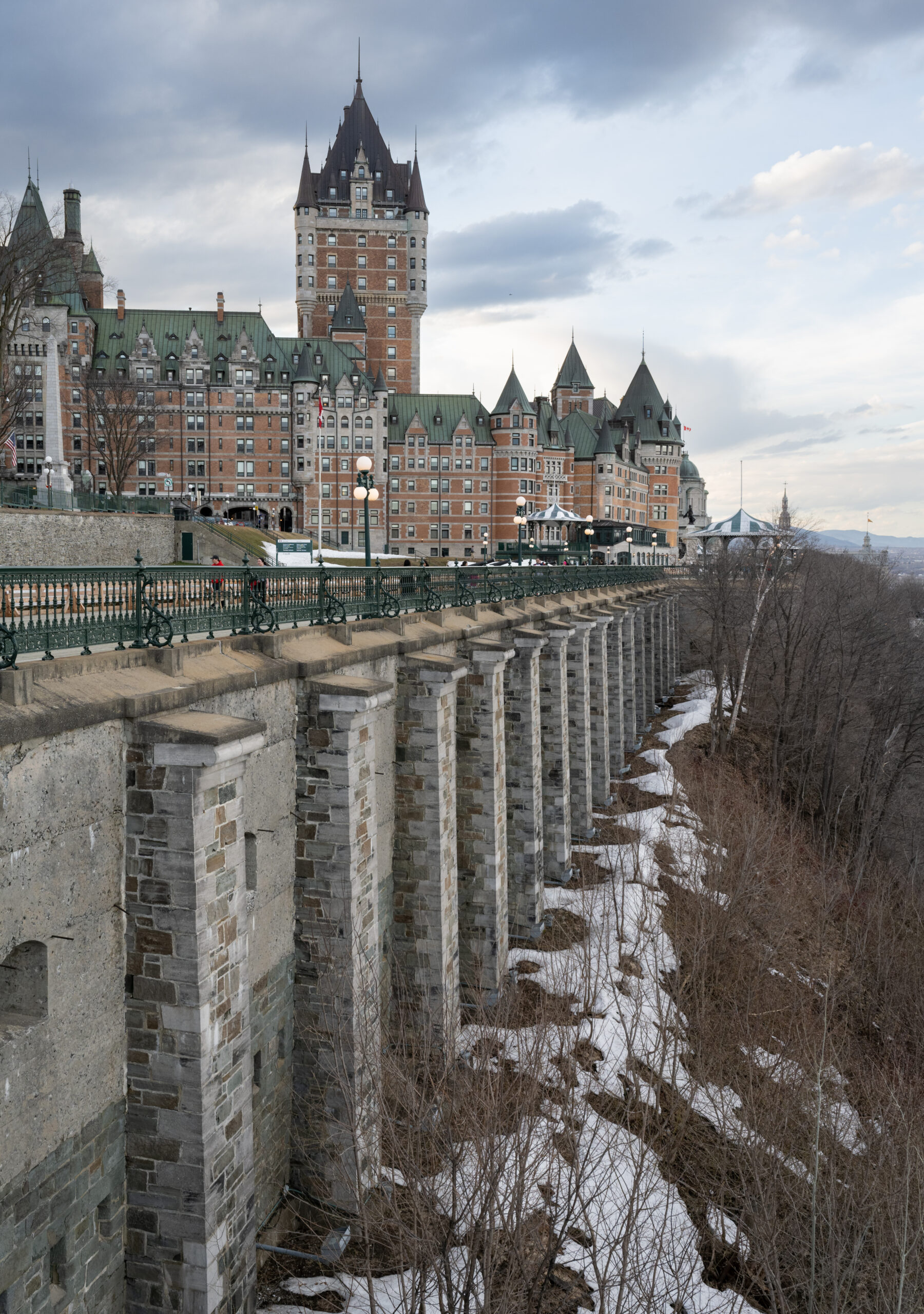
    Quebec City

    Quebec City Jean Lesage International Airport (YQB) sits about 11 miles from Old Quebec, and with no direct rail link, most visitors take a taxi, rideshare, or rental car for the roughly 20 to 30 minute trip downtown.

    A French-Speaking City With a Distinct Feel

    Quebec City is more predominantly French-speaking day to day than bilingual Montreal, giving it a genuinely different, often described as more European, atmosphere. Old Quebec is the only fortified city north of Mexico with its walls still intact, and the whole district is a UNESCO World Heritage Site.

    Real Winters, Anchored by the World’s Largest Winter Carnival

    Quebec City gets consistent snow and cold from December through March, and rather than avoiding it, the city hosts the Quebec Winter Carnival each February, widely considered the largest winter carnival in the world. Summers are warm and popular with visitors touring the old walled city on foot.

    Getting Around Once You Land

    RTC buses cover the wider city, but Old Quebec itself, split between Upper Town and Lower Town and connected by a funicular, is compact enough to see almost entirely on foot.

    Search live fares to Quebec City above and consider February if the Winter Carnival’s ice sculptures and events fit your travel dates.

  • Halifax

    Halifax

    Halifax Stanfield International Airport (YHZ) sits about 22 miles north of downtown, farther out than most Canadian airports of its size, and the MetroX express bus or a rental car are the main ways to make the roughly 35 to 45 minute trip.

    A Maritime Climate With Real Fog

    Halifax’s coastal location moderates its winters compared with inland Canada, but brings frequent fog, occasional nor’easter storms, and the tail end of some Atlantic hurricanes in late summer and early fall. Summers are mild and comfortable rather than hot.

    A Deep Naval and Maritime History

    Home to one of the world’s largest natural harbours and a major Royal Canadian Navy base, Halifax also carries a significant Titanic history, since many victims of the disaster are buried here and the Maritime Museum of the Atlantic holds original artifacts.

    Getting Around Once You Land

    Halifax Transit’s buses and a harbour ferry to Dartmouth cover the city well, and the waterfront boardwalk and downtown core are compact and walkable.

    Search live fares to Halifax above and pack layers for fog and shifting coastal weather regardless of season.

  • Winnipeg

    Winnipeg

    Winnipeg James Armstrong Richardson International Airport (YWG) sits about 6 miles from downtown, one of the closer major airports to a city center in Canada, with a short taxi or bus ride to get there.

    A City Known for Its Weather Extremes

    Winnipeg has earned its “Winterpeg” nickname honestly, with some of the coldest winter temperatures of any major city in the world, but it also gets more hours of sunshine per year than most Canadian cities, and summers are warm and genuinely pleasant.

    Home to Canada’s Human Rights Museum

    The Canadian Museum for Human Rights, a national museum housed in a striking glass-and-limestone building, draws visitors specifically to Winnipeg rather than any of the country’s larger cities, alongside a growing arts and culture scene downtown.

    Getting Around Once You Land

    Winnipeg Transit’s bus network covers downtown and most neighborhoods, and The Forks, the historic meeting point of the Red and Assiniboine Rivers, sits within walking distance of much of downtown.

    Search live fares to Winnipeg above and pack for real cold if you’re traveling between November and March.

  • Edmonton

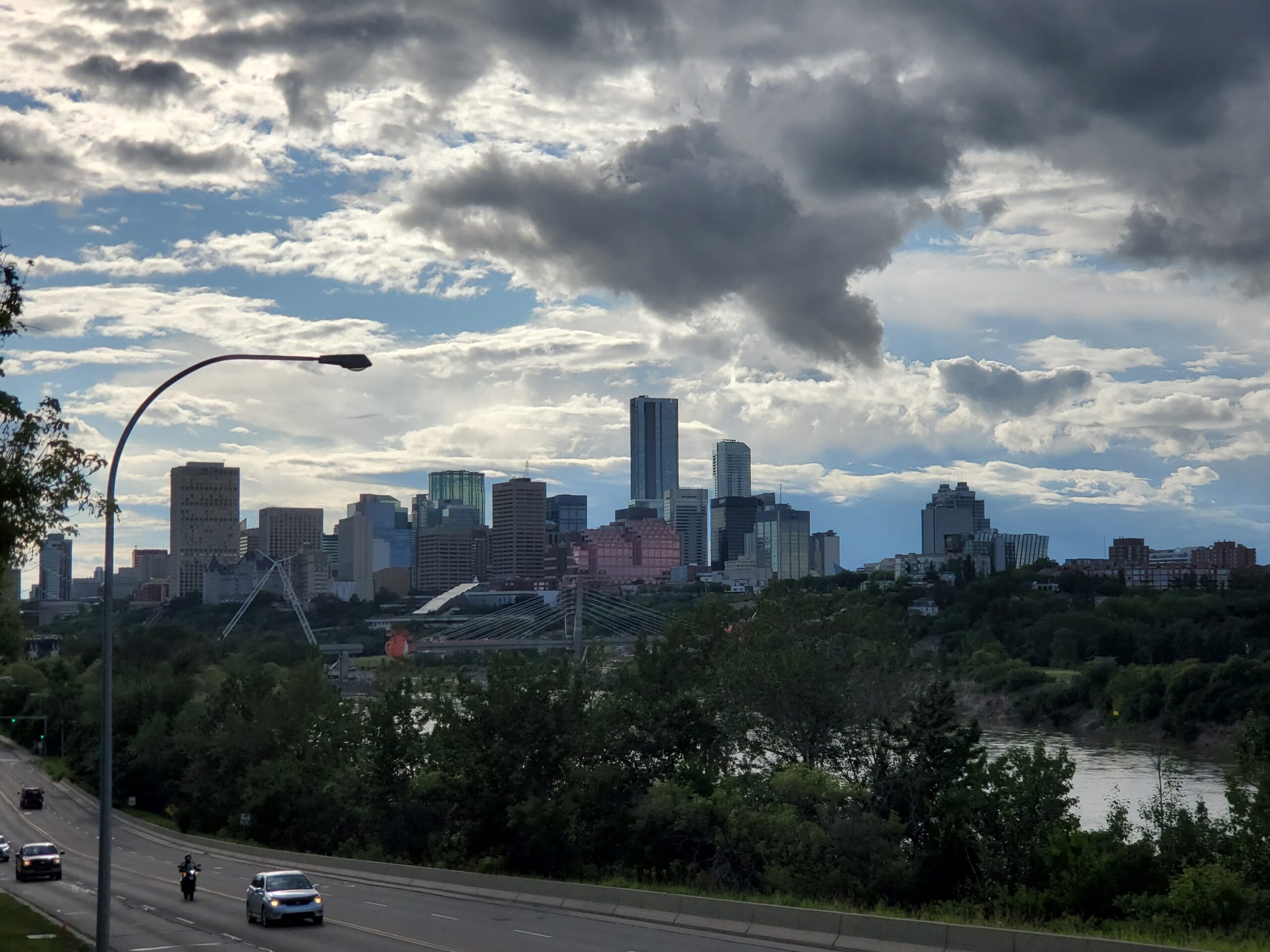
    Edmonton

    Edmonton International Airport (YEG) sits about 19 miles south of downtown, farther out than most major Canadian airports, and the Sky Shuttle bus service or a rental car are the main ways to make the roughly 30 to 40 minute trip.

    Long Summer Days, Genuinely Cold Winters

    Edmonton’s northern latitude means summer days stretch long, with light lingering past 10 p.m. in June, while winter brings short daylight hours and consistently cold temperatures from December through February. Summer is warm and dry, and the city leans into its nickname, Canada’s Festival City, with a packed calendar of outdoor festivals.

    Alberta’s Capital and an Energy Industry Hub

    As the seat of Alberta’s provincial government and a center for oil refining and petrochemical processing, Edmonton sees steady weekday business travel year-round, independent of the tourist calendar.

    Getting Around Once You Land

    Edmonton’s LRT, one of the first modern light rail systems built in North America, connects downtown, the university area, and several neighborhoods, and the North Saskatchewan River valley’s extensive trail network, the largest urban parkland system in North America, is a defining feature of the city.

    Search live fares to Edmonton above and factor in the long daylight hours if a summer trip is on your calendar.

  • Ottawa

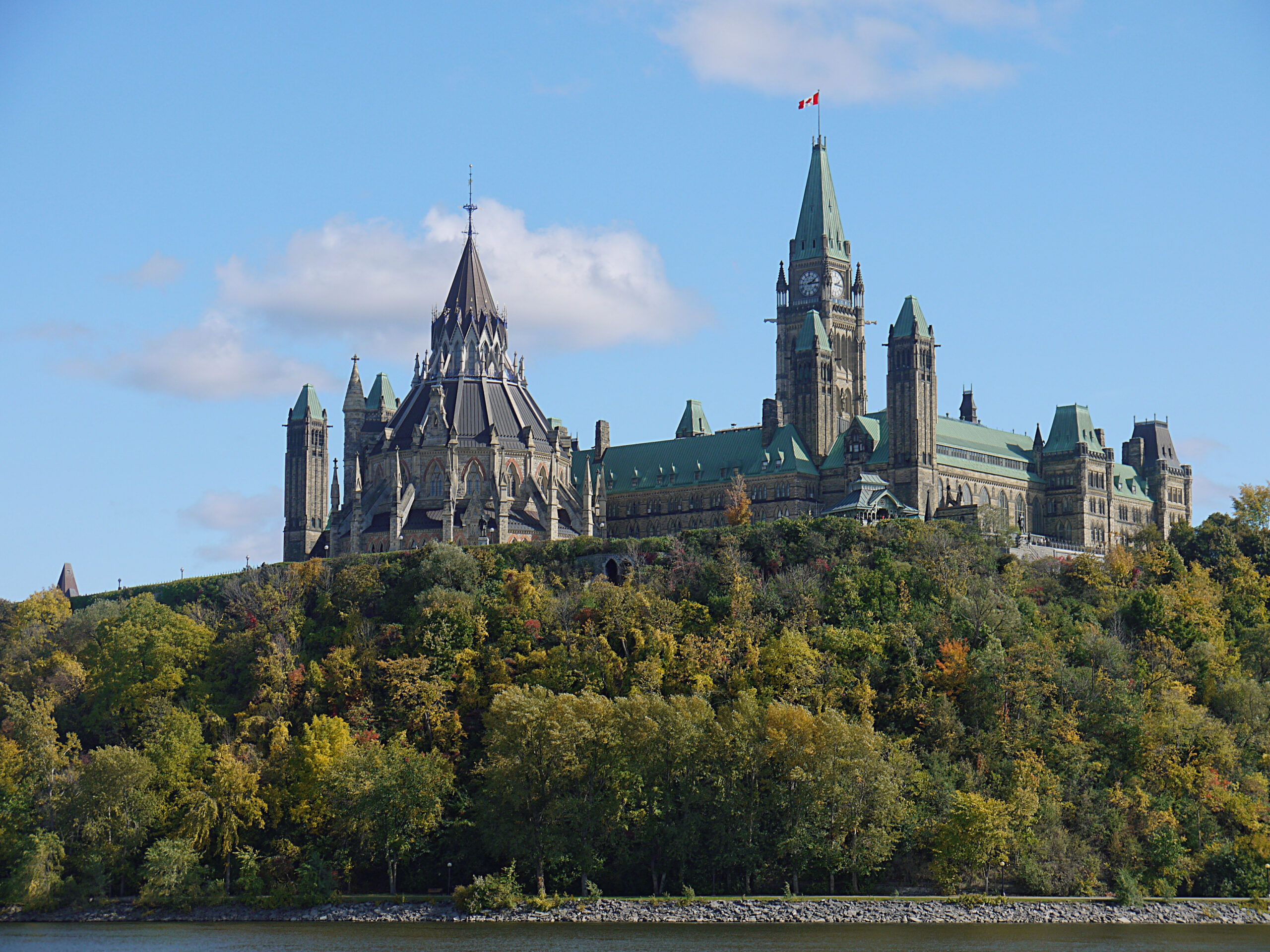
    Ottawa

    Ottawa Macdonald-Cartier International Airport (YOW) sits about 11 miles south of downtown, with OC Transpo bus service connecting to the city center in around 30 to 40 minutes.

    A City Built Around Its Winters

    Ottawa gets genuinely cold, snowy winters, and rather than working around them, the city leans in: the Rideau Canal, a UNESCO World Heritage Site, freezes into the world’s largest naturally frozen skating rink most winters, typically open from January into February depending on ice conditions. Summers are warm and humid, with the canal switching to boating and a paved recreational path.

    Canada’s Capital and a Steady Government Travel Hub

    As the seat of the federal government, Ottawa sees consistent weekday business and political travel year-round, which keeps demand more stable across the calendar than in most tourist-driven cities, aside from a sharp spike around Canada Day festivities on Parliament Hill each July 1.

    Getting Around Once You Land

    The O-Train light rail’s Confederation Line covers downtown and several neighborhoods, and the core sightseeing area around Parliament Hill and ByWard Market is compact and walkable.

    Search live fares to Ottawa above, and consider Canada Day or the Rideau Canal skating season if either fits your travel dates.

  • Calgary

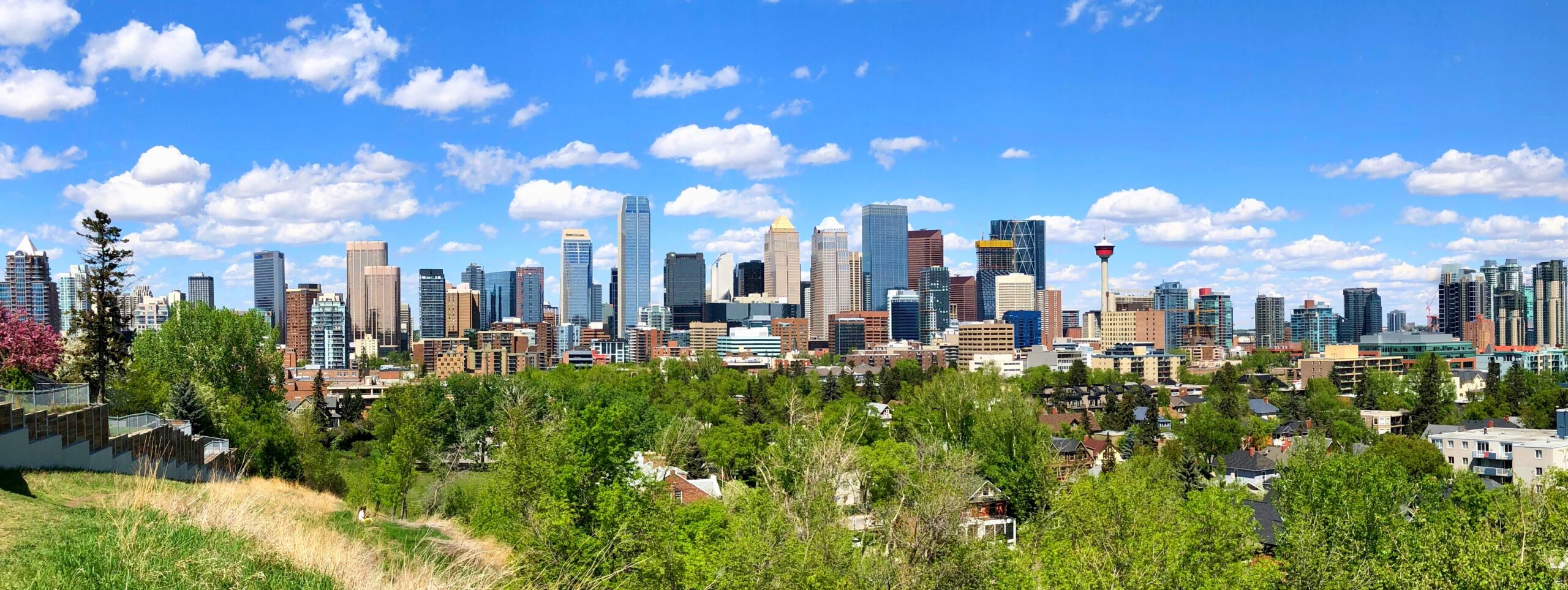
    Calgary

    Calgary International Airport (YYC) sits about 10 miles northeast of downtown, and Calgary Transit’s Route 300 airport express bus runs directly downtown, though most visitors headed onward to the Rockies plan on a rental car instead.

    Chinook Winds Make Winter Unpredictable

    Calgary’s winters can swing dramatically thanks to chinook winds, warm air currents off the Rockies that occasionally push temperatures up by 20 degrees Celsius or more within a day. Summers are pleasant and dry, and July brings the Calgary Stampede, one of the world’s largest rodeos, which drives the year’s biggest crowds and highest rates.

    The Gateway to the Canadian Rockies

    Most visitors heading to Banff National Park, about 90 minutes west, or Lake Louise fly into Calgary first, making it as much a launching point for mountain trips as a destination of its own.

    Getting Around Once You Land

    The C-Train light rail covers downtown and several neighborhoods well, and the Plus 15 network of enclosed skywalks connects much of downtown above street level, useful during Calgary’s cold months.

    Search live fares to Calgary above, and plan a rental car if the Rockies are part of your trip.

  • Detroit

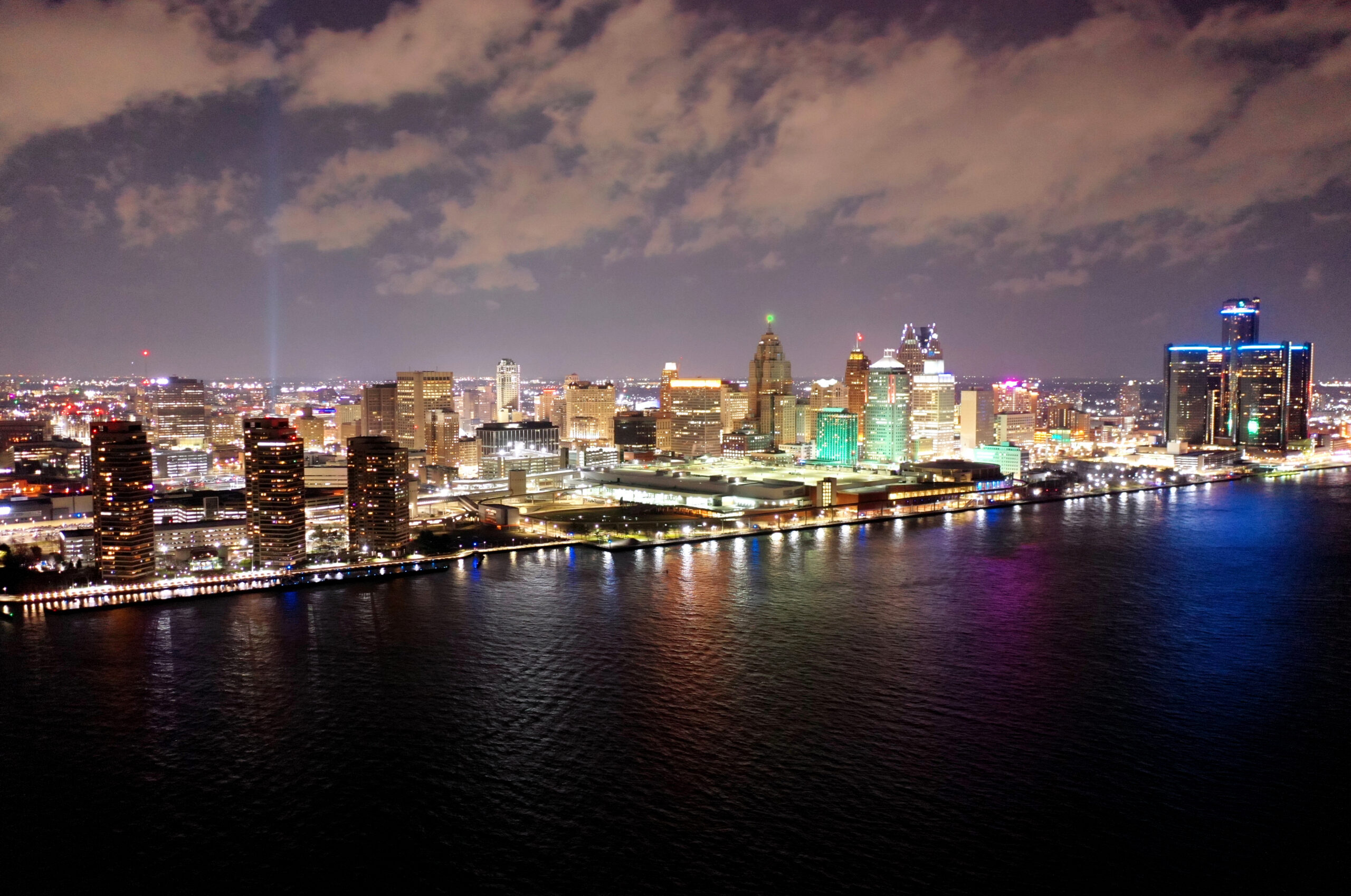
    Detroit

    Detroit Metropolitan Wayne County Airport (DTW) sits about 20 miles southwest of downtown, and with no direct rail connection, most visitors plan on a rental car, rideshare, or shuttle for the roughly 25 to 40 minute trip depending on traffic.

    Four Real Seasons on the Great Lakes

    Detroit gets cold, often snowy winters and warm, humid summers, with spring and fall as the shorter transition seasons. Fall brings strong color from the region’s maple and oak trees, typically peaking in early to mid-October.

    The Home of the American Auto Industry

    Detroit remains the headquarters city for General Motors, Ford, and Stellantis, and that concentration of corporate travel keeps weekday fares and hotel rates steady year-round, independent of the tourist calendar.

    Getting Around Once You Land

    The QLine streetcar covers a roughly 3-mile downtown corridor along Woodward Avenue, but Detroit’s wider metro area has limited rail transit, so a rental car or rideshare is the more practical choice for most itineraries.

    Search live fares to Detroit above and factor in a rental car if your plans extend beyond downtown.

  • Montreal

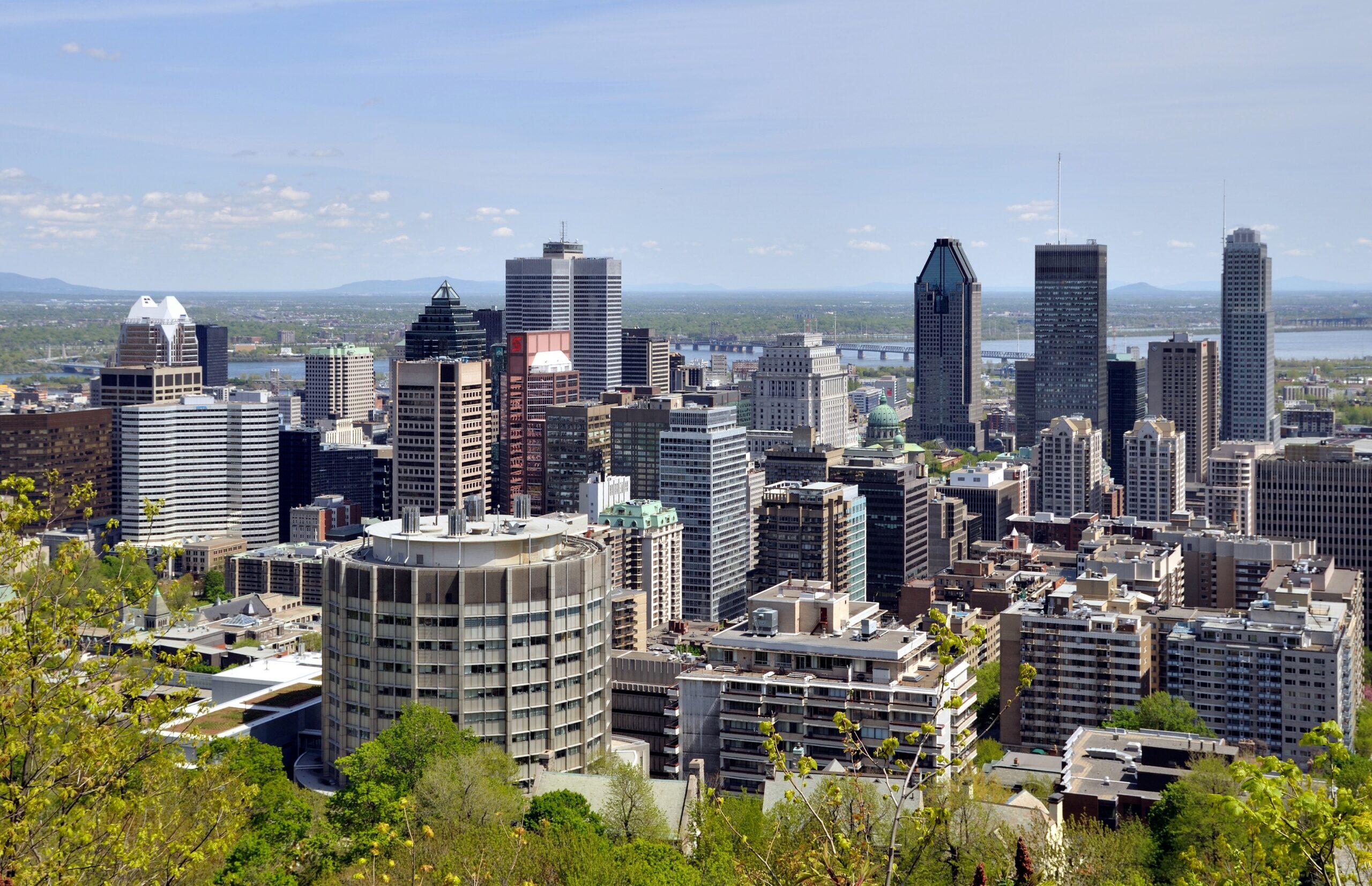
    Montreal

    Montreal-Trudeau International Airport (YUL) sits about 12 miles from downtown, and the STM’s 747 express bus runs around the clock for a fraction of a taxi fare, though a car or rideshare gets you there faster outside of rush hour.

    A City of Real Winters and a Short, Busy Summer

    Montreal winters bring consistent snow and stretches of genuinely cold weather from December through March, while June through August is warm, humid, and the city’s peak festival season, headlined by the Just for Laughs comedy festival and the Montreal International Jazz Festival. Fall brings some of the best foliage in North America, on the same palette as New England.

    A Bilingual City With Its Own Character

    French is the primary language of daily life, though English is widely spoken in tourist areas and downtown, and the mix gives Montreal a distinct feel from other major Canadian or US cities.

    Getting Around Once You Land

    The STM metro’s four lines cover downtown, Old Montreal, and most neighborhoods visitors want to reach, and much of downtown connects to the underground RESO network, useful for getting around without stepping outside in winter.

    Search live fares to Montreal above and consider the shoulder seasons if you want lighter crowds than peak festival summer.

  • San Diego

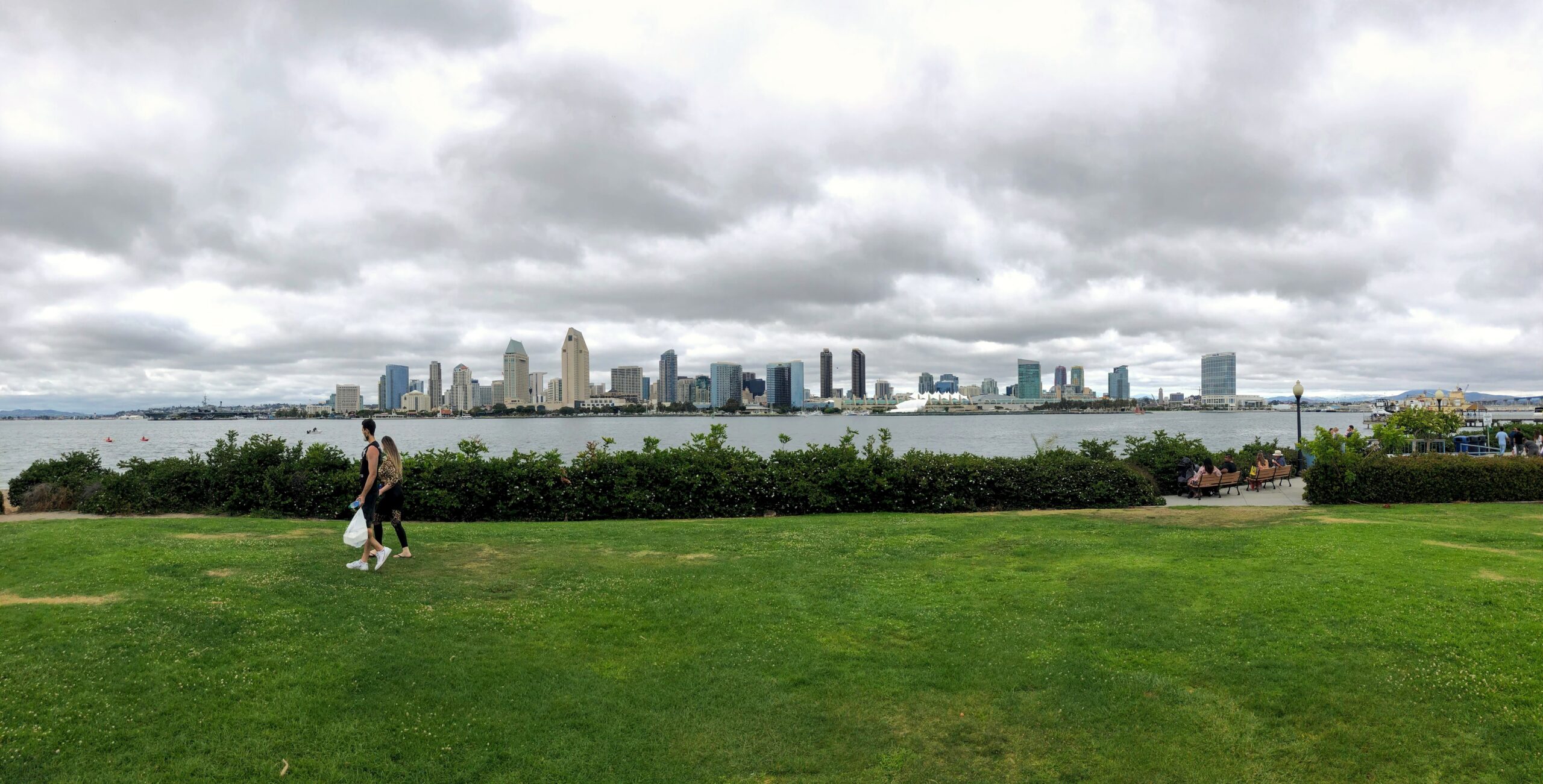
    San Diego

    San Diego International Airport (SAN) sits just a few miles from downtown, one of the closest major airports to a city center in the country, with a short taxi or rideshare ride into the Gaslamp Quarter.

    Mild Nearly Year-Round, With One Grey Patch

    San Diego’s weather stays in a narrow, pleasant range most of the year, but late May through June often brings a marine layer of overcast morning cloud known locally as “May gray” and “June gloom.” September and October are frequently the sunniest, warmest stretch, sometimes called the city’s second summer.

    A Major Biotech and Navy Hub

    San Diego’s dense biotech and life sciences cluster, along with the largest concentration of US Navy fleet activity on the West Coast, keeps weekday business travel steady year-round, which can push midweek fares and hotel rates higher independent of the tourist calendar.

    Getting Around Once You Land

    The trolley light rail system covers downtown, Old Town, and Mission Valley, but neighborhoods like La Jolla and the beaches spread out enough that many visitors add a rental car or rideshare for a full trip.

    Search live fares to San Diego above and consider September or October if you want the year’s most reliably sunny stretch.

  • Philadelphia

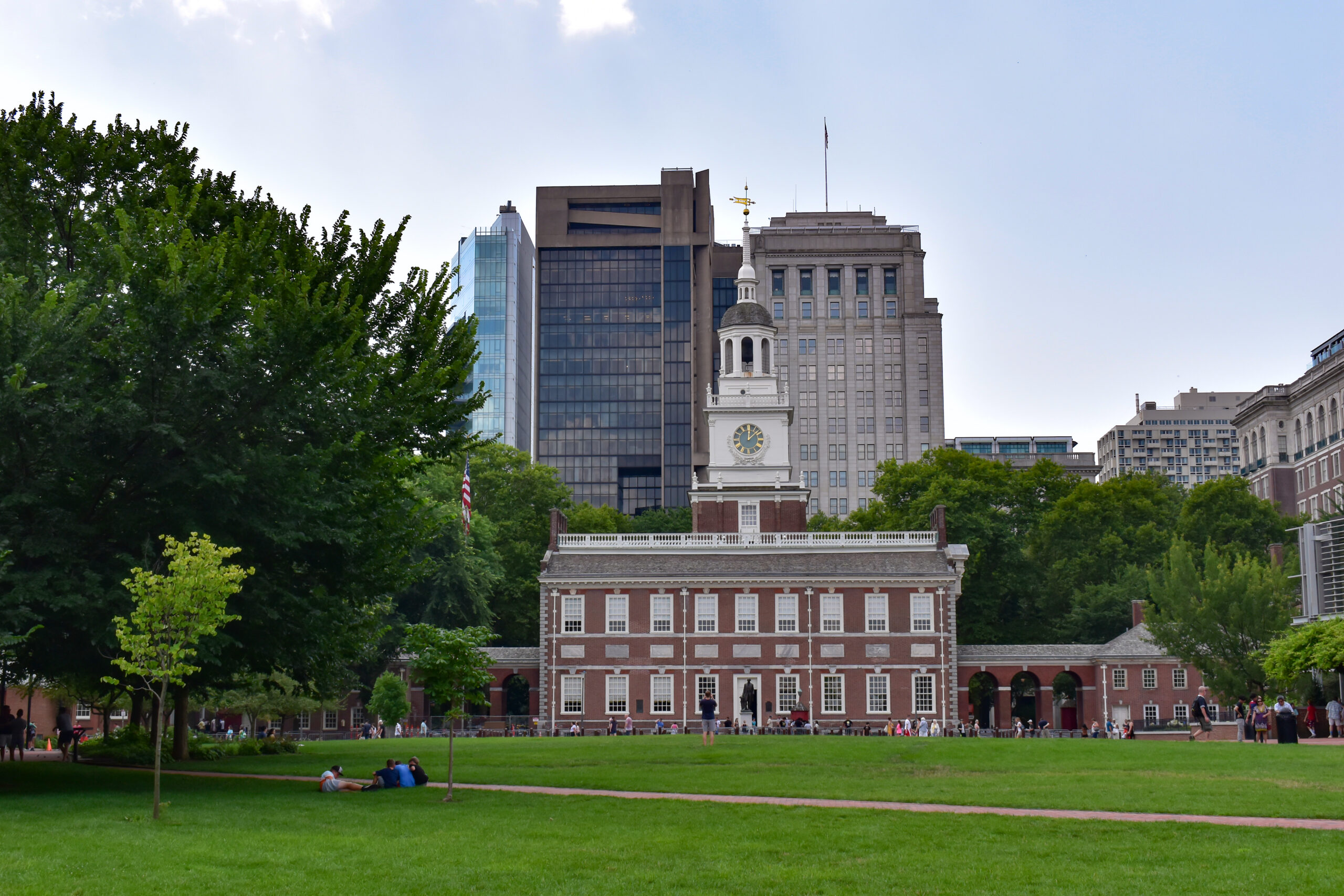
    Philadelphia

    Philadelphia International Airport (PHL) sits about 8 miles southwest of Center City, and SEPTA’s Airport Line train runs directly downtown in roughly 20 minutes for a fraction of a taxi fare.

    Four Real Seasons, With Fall the Local Favorite

    Philadelphia gets humid summers, cold winters with occasional snow, and two genuinely pleasant shoulder seasons. Fall, especially October, is often cited locally as the best combination of comfortable temperatures and lower crowds than the busy spring and summer months.

    A Pharma and Higher Education Hub

    Philadelphia’s dense cluster of pharmaceutical companies and universities, including the University of Pennsylvania, keeps weekday business and academic travel steady year-round, which can push midweek fares and hotel rates higher independent of the tourist calendar.

    Getting Around Once You Land

    SEPTA’s subway and regional rail network covers Center City and beyond well, and the historic district around Independence Hall is compact and walkable once you’re there.

    Search live fares to Philadelphia above and consider an October trip if you want the city’s best weather with fewer crowds than summer.